Skip to content
Nature / Reptiles / Asp
Snakes of Italy - Asp Viper

Snakes of Italy - Asp Viper

Published: Updated:

The 'Asp Viper' (Vipera aspis) is the most commonly found poisonous snake in Italy. It is also sometimes known as the 'Asp", 'European Asp', 'Aspic Viper' and 'Jura Viper'.

Vipera aspis: Asp Viper

Male Asps can be up to 85 cm long whereas females are rarely more than 75 cm. Males are a little slimmer than females.

The head is broad, triangular shape with an upturned snout. The colouring varies from a light grey to a reddish-brown, with a great variety of different markings which rarely take the form of a clear zigzag. They can be also a uniform colour, even black. Generally, the males tend to be more grey in colour and females browner.

In Italy, it is mainly found in low mountain or hilly areas, where there are streams, shrubs or wooded areas. However, it has also been found down on the plains and above 2,000 metres. Above all, it needs warm areas that are exposed to the sun, which are not hard to find in Italy!

The 'Asp Viper' is responsible for 90% of all snakebites in Italy. It has large, tubular, hinged fangs located in the front of their mouth which can be folded back when not being used. The bite is deep and very painful and its venom is stronger than that of the Adder. The effects of a snake bite from an 'Asp' include acute pain which spreads rapidly, followed by swelling and discoloration. It can cause impaired vision, paralysis of the bitten area, difficulty in breathing and swallowing and in extreme cases can cause renal failure and death. Healthy adult humans can overcome the effects of a snake bite relatively easily and only 4% of untreated bites are fatal. However, anyone bitten by a snake should go immediately to hospital emergency (Pronto Soccorso) to be treated with anti-venom.

Although the Asp Viper thrives well in Italy, the species generally is listed as protected and should be treated with respect.

Whip-Snake

© Understanding Italy 2008
This article has been especially commissioned for Understanding Italy. Any reproduction of this material, all or in part, is strictly forbidden.

Natural Systems

Nature icon

Nature

A compact reference to Italy’s natural systems — land, climate, seismic forces, and living environments — designed to sit beneath articles.

Geography Climate Seismology Biodiversity
Italy natural landscape
Mountains, plains, coastlines, and islands — the physical systems that shape climate, life, water, and natural risk.

Italy — nature snapshot

Stable reference signals for quick environmental orientation.

Terrain

Highly varied

Alps in the north, an Apennine spine through the peninsula, large plains, long coastlines, and major islands. Sharp contrasts can occur over short distances, creating strong local “micro-regions.”

Climate

Multi-zone

Mediterranean patterns dominate many coasts, with alpine conditions at altitude and more continental influence inland. Latitude, elevation, and exposure shape rainfall, temperature, wind, and seasonality.

Volcanism

Active systems

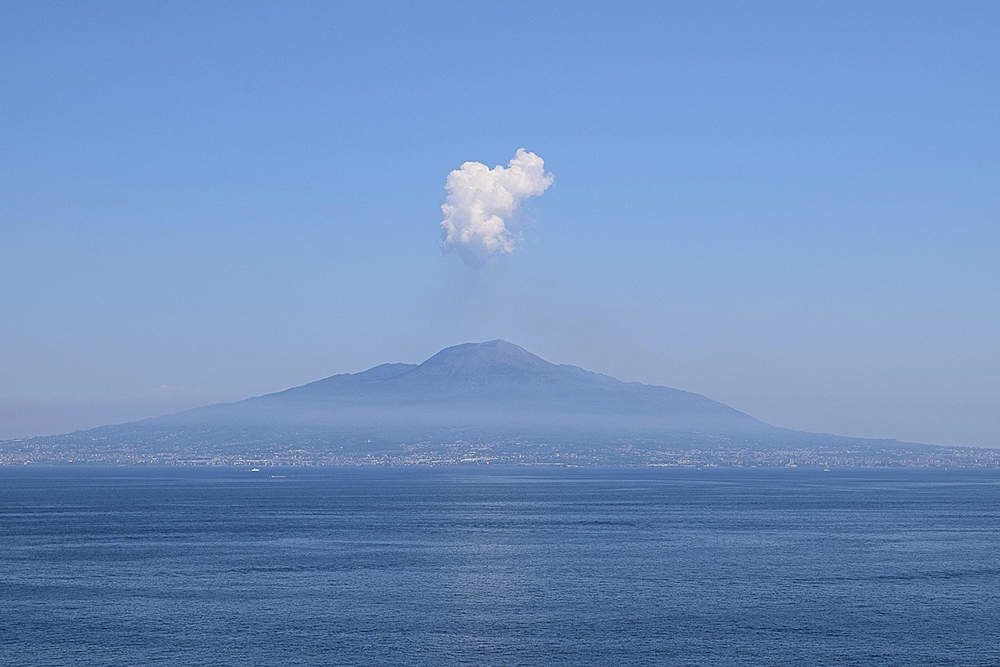
Volcanic landscapes appear both as islands and mainland zones. Risk and monitoring focus on specific volcanic areas rather than being uniform nationwide.

Earthquakes

Frequent

Italy sits in an active tectonic setting, so seismicity is a persistent national reality. Exposure varies by region, with building standards and local geology strongly affecting impacts.

Water

Seasonal

Rivers and lakes structure settlement and corridors, while rainfall and snowpack drive seasonal availability. Drought, floods, and water management pressures can intensify during extreme seasons.

Coasts

Extensive

Long coastlines create maritime climates, wetlands, dunes, cliffs, and port landscapes. Coastal zones also concentrate tourism and infrastructure, increasing sensitivity to erosion and storm events.

Habitats

Dense mosaic

Alpine forests, Mediterranean scrub, wetlands, river plains, high meadows, and island ecosystems coexist in tight space. This habitat variety supports strong biodiversity and regional specialisation.

Key risks

Multiple

Earthquakes and volcanic activity combine with hydro-meteorological risks: floods, landslides, wildfire, and heat stress. Most impacts are local, but climate extremes can produce national-scale disruption.

Geography

A compressed landscape

Italy packs major terrain types into a narrow footprint: alpine massifs, a long mountain spine, broad plains, volcanic zones, and extensive coasts. This compression produces strong local contrasts in vegetation, agriculture, settlement density, and mobility — even between neighbouring valleys or coastlines. For readers, “place” often equals “terrain,” because terrain dictates climate, water, and the rhythm of life.

Climate

Mediterranean, alpine, continental

Climate shifts quickly with latitude and altitude, producing warmer maritime coasts, colder mountain zones, and more continental interiors. Rainfall patterns vary widely: some areas are shaped by winter storms, others by summer dryness, and many by sharp seasonal transitions. Exposure and microclimates matter — wind corridors, lake effects, and mountain barriers often explain local conditions better than a national average.

Seismology

An active boundary zone

Italy sits in a tectonically active setting, which is why earthquakes are recurrent and why volcanism remains a live factor in certain regions. Risk is uneven: geology, local ground conditions, and building stock can amplify or reduce impacts. The practical takeaway is preparedness — monitoring, building standards, and land-use planning are part of living sustainably in this landscape.

Biodiversity

High diversity, tight space

Italy’s habitat mosaic supports rich plant and animal life, including alpine species, Mediterranean specialists, wetland communities, and island endemics. Many ecosystems are closely interlocked, so change in water regimes, temperature extremes, or land management can cascade quickly. Conservation is therefore both about protected areas and about how farmland, forests, rivers, and towns connect as an ecological network.

Italy geography
Geography
Italy climate
Climate
Italy seismic activity
Seismology
Italy biodiversity
Biodiversity
Italy flora and fauna

Flora & Fauna

Plants, animals, and habitats

Italy’s living environment ranges from Mediterranean scrub and coastal wetlands to alpine forests, high meadows, and island ecosystems. This supports a wide spectrum of birds, mammals, reptiles, and insect life, alongside regionally distinctive plant communities shaped by altitude and water availability. Many iconic landscapes are “worked nature” — forests managed over time, agricultural mosaics, and grazing zones — so biodiversity often depends on both protection and sustainable land practice.

Italy natural risk and adaptation

Natural Risk

Living with instability

Italy’s risk profile combines geological hazards (earthquakes and volcanic activity) with climate-linked threats such as floods, landslides, wildfire, and heat stress. Impacts are usually local, but can be severe where steep terrain, dense settlement, and infrastructure corridors intersect. The modern response is continuous: monitoring and early warning, resilient construction, water and slope management, and practical adaptation for hotter, more extreme seasons.