Skip to content
Tourism / What to Do / Best Things to Do in Florence
What are the best things to do in Florence?

What are the best things to do in Florence?

Published:

Florence, the cradle of the Renaissance, is a city that teems with history, art, and culture. Known for its significant art and architecture, Florence is a city that visitors can explore for days on end and still discover new treasures. This detailed guide explores the top things to do in Florence, ensuring you fully experience the artistic and culinary richness of this magnificent city.

1. Marvel at the Cathedral of Santa Maria del Fiore

Begin your journey at the heart of Florence: the Cathedral of Santa Maria del Fiore, commonly referred to as the Duomo. This cathedral is not only a religious center but also an architectural masterpiece. Brunelleschi's dome, with its magnificent red tiles, dominates the Florence skyline and offers an incredible view of the city. The interior of the dome, painted with a stunning Last Judgment fresco by Vasari, is equally breathtaking.

2. Take a Tour of the Uffizi Gallery

The Uffizi Gallery is one of the most famous art museums in the world and a must-visit in Florence. Housing a collection of priceless works, particularly from the period of the Italian Renaissance, the gallery includes masterpieces by Giotto, Michelangelo, Leonardo da Vinci, and Raffaello. The building itself, designed by Giorgio Vasari, is a work of art. To fully appreciate the vast collection, consider a guided tour.

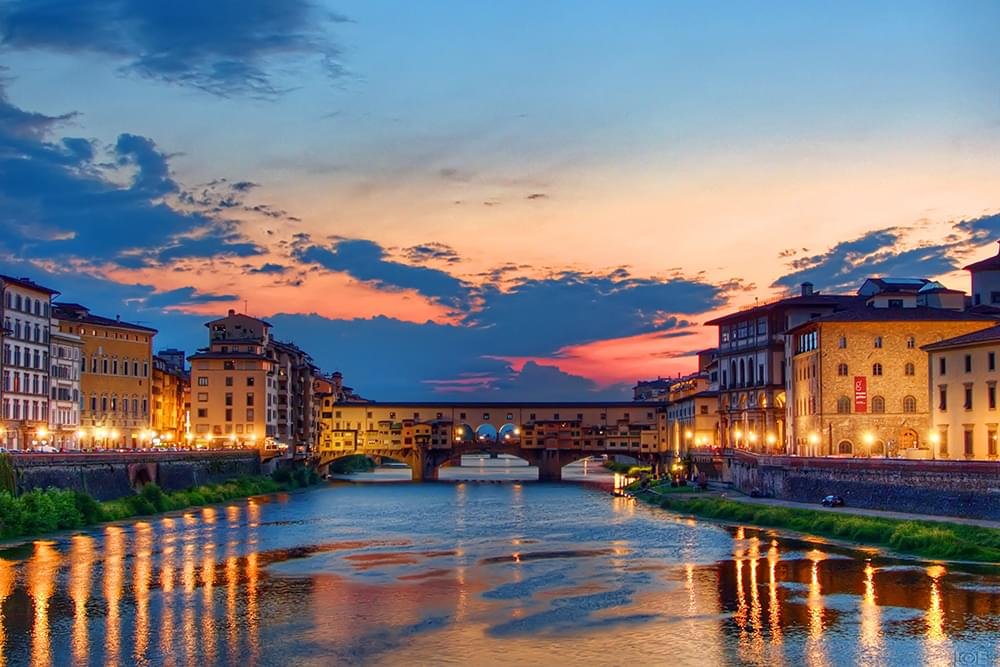
3. Walk Across the Ponte Vecchio

The Ponte Vecchio, or "Old Bridge," is another iconic landmark of Florence. It's the only Florentine bridge to survive World War II and is renowned for its bustling jewelry shops that line the passageway. Walking across the bridge offers a picturesque view of the Arno River and the city’s charming architecture. It’s also a wonderful spot for photographs at sunset.

4. Explore the Palazzo Vecchio

The Palazzo Vecchio, with its crenellated tower, stands as a symbol of civic power in Florence. Originally the town hall, the building now serves as a museum and an art gallery. Inside, you can explore lavishly decorated rooms and private apartments furnished with works by Michelangelo and Donatello. Climb the tower for panoramic views of the Duomo and the surrounding city.

5. Admire the Art at Galleria dell’Accademia

The Galleria dell’Accademia hosts Michelangelo’s David, arguably the most famous sculpture in the world. This museum not only exhibits the monumental statue but also houses a collection of Renaissance paintings and sculptures that make it a key site for art lovers visiting Florence.

6. Discover the Boboli Gardens

Behind the Pitti Palace lie the Boboli Gardens, an open-air museum that offers a peaceful escape from the bustling city streets. These beautifully landscaped gardens are filled with fountains, statues, and grottoes, meticulously designed over the centuries. They provide not only a respite but also a historical journey through the Renaissance garden design that influenced many European courts.

7. Visit the Basilica of Santa Croce

The Basilica of Santa Croce is the final resting place of illustrious Italians such as Michelangelo, Galileo, and Machiavelli, earning it the nickname "the Temple of the Italian Glories." The church is a fine example of Gothic architecture in Italy, with its impressive art-filled chapels and a striking facade. It’s also known for its leather school, Scuola del Cuoio, where visitors can buy beautifully crafted leather goods.

8. Enjoy the Culinary Delights

Florence is also famous for its delicious Tuscan cuisine. Sample traditional dishes like "bistecca alla Fiorentina" (Florentine steak), truffle pasta, and ribollita (a hearty Tuscan soup traditionally made with bread and vegetables). Don't miss enjoying a gelato from one of the many artisanal gelaterias.

9. Experience the Nightlife in Santo Spirito

The Santo Spirito neighborhood offers a vibrant nightlife scene with its array of cafes, bars, and live music venues. It’s the perfect place to mingle with locals and enjoy the youthful spirit of the city. The piazza in front of the Santo Spirito church becomes a lively hub of activity once the sun sets.

10. Shop at San Lorenzo Market

For a local shopping experience, head to the San Lorenzo Market. The outdoor market is great for picking up souvenirs like leather goods, Florentine paper, and artisanal crafts. Inside the market building, you can find a variety of food vendors selling local cheeses, meats, and other specialties.

Conclusion

Florence is a city that captivates with its history, art, and architecture. Each corner of the city offers a glimpse into the past, while its vibrant cultural scene and delicious cuisine embody the spirit of Italy. Whether you're exploring its majestic cathedrals, wandering through its prestigious museums, or enjoying a moment of peace in its elegant gardens, Florence promises an unforgettable experience filled with beauty, wonder, and inspiration. So take your time, wander its ancient streets, and let Florence work its magic.

Travel & Experience

Tourism icon

Tourism

A compact reference to how Italy is visited, experienced, and explored — across regions, seasons, and styles of travel — designed to sit beneath articles.

Destinations Activities Travel Stay
Italy tourism — landscapes and cities
Cities, coastlines, countryside, and culture — Italy as a destination shaped by geography, history, and lived experience.

Italy — tourism snapshot

Stable reference signals for quick travel orientation.

Peak season

Summer

Coastal and island demand concentrates in summer, while major cities attract visitors year-round. Shoulder seasons often deliver the best balance of weather, pricing, and crowd levels.

Core magnets

Cities + coasts

Historic cities, iconic coastlines, and lake districts dominate first-time itineraries. Repeat travel frequently expands into rural regions, islands, and “second-city” routes.

UNESCO sites

61

World Heritage properties across archaeology, historic centres, cultural landscapes, and natural areas. Heritage density makes culture a default feature of travel rather than a niche interest.

Travel styles

Mixed

Italy supports fast multi-city routes and slow, place-based stays. Choices are often shaped by transport access, season, and whether the trip is culture-led, beach-led, or food-led.

Transport

Strong rail

High-speed rail links major cities efficiently, while regional rail and roads shape access to smaller towns and landscapes. Islands and remote areas often require careful planning around seasonal schedules.

Accommodation

Wide range

Hotels, agriturismi, short lets, historic properties, and family-run stays allow different budgets and travel modes. In popular areas, availability and pricing can be highly seasonal.

Experiences

Rich mix

City culture, beach time, food and wine, hiking, skiing, festivals, art routes, and coastal boating all coexist. Many regions support specialist travel: archaeology, design, performance arts, craft, or landscape.

Crowd pressure

Localised

Pressure is concentrated in a small number of global icons, while many high-quality areas remain under-visited. Travel dispersal and off-peak timing often deliver better experiences and lower impact.

Overview

A multi-layered destination

Italy attracts visitors for culture, landscape, food, and lifestyle — but travel patterns differ sharply by season, region, and purpose. First trips often focus on iconic cities and landmarks, while repeat travel tends to become more regional and place-based. The country rewards both styles: fast itineraries for highlights, and slower stays for depth, rhythm, and local character.

Destinations

Cities, coasts, countryside

Italy’s destination map ranges from historic capitals and art cities to alpine resorts, lake districts, islands, and rural interiors. Tourism concentrates heavily in well-known areas, but emerging destinations often offer comparable beauty with less pressure. For travellers, the most useful planning lens is region: each offers a distinct mix of landscape, heritage, cuisine, and pace.

Experiences

What visitors come to do

Sightseeing is only one layer: food and wine routes, outdoor travel, festivals, beach seasons, weddings, and specialist interests shape demand. Many regions support “theme travel” — archaeology, hiking, skiing, sailing, art trails, craft workshops, or culinary learning. The strongest experiences tend to combine place, tradition, and everyday life rather than ticking a single landmark.

Travel & stay

Movement and accommodation

Transport networks determine what kind of trip is realistic: high-speed rail makes multi-city travel easy, while rural regions reward slower routes by car or local connections. Accommodation spans hotels, apartments, agriturismi, family-run stays, historic villas, and coastal resorts — each shaping the feel of a journey. Season and local infrastructure are decisive: the same destination can feel effortless in one month and complex in another.

Italy top destinations
Destinations
Tourism activities in Italy
Activities
Special places in Italy
Special places
Historic sites in Italy
Historic sites
Lesser-known places in Italy

Beyond the icons

Lesser-known Italy

Smaller towns, rural landscapes, and under-visited regions often deliver the most “lived Italy”: local markets, seasonal festivals, and strong community identity. These areas reward slower movement and curiosity, with experiences built around landscape, craft, and food culture rather than queues. For many travellers, dispersing beyond the icons improves both travel quality and sustainability by reducing pressure on a handful of global hotspots.

Wine tourism and cultural learning in Italy

Slow travel

Learning, wine, and immersion

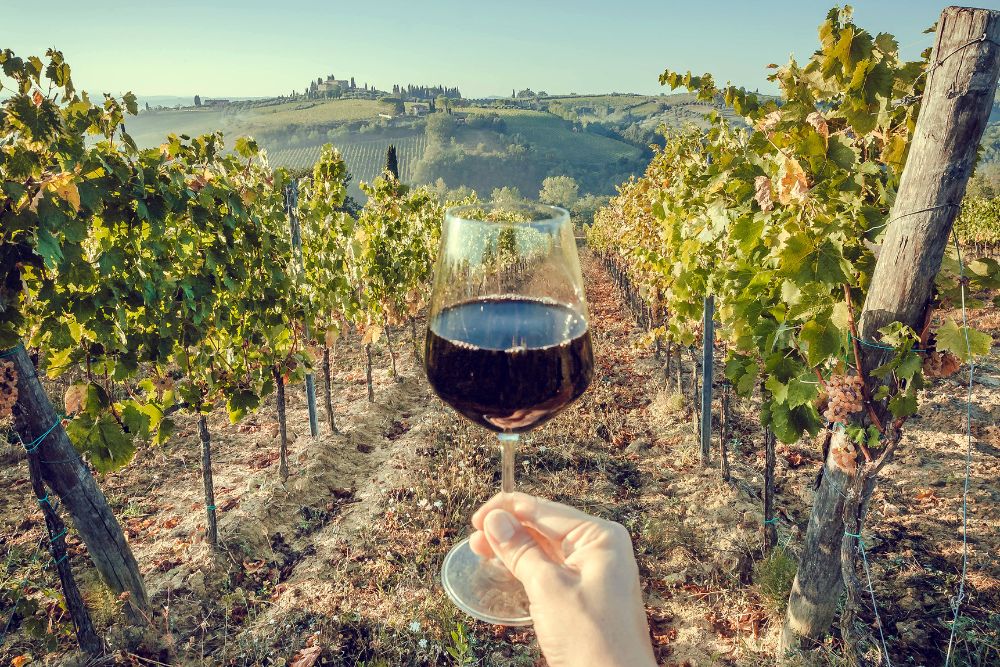
Slow travel is about participation: language courses, culinary learning, wine routes, craft workshops, walking trails, and extended stays that create familiarity with a place. It typically shifts the trip from “seeing” to “doing,” with daily routines — cafés, shops, local transport — becoming part of the experience. This style of travel is also flexible: it can be budget-friendly or highly luxurious, but it always prioritises time, rhythm, and local connection.