


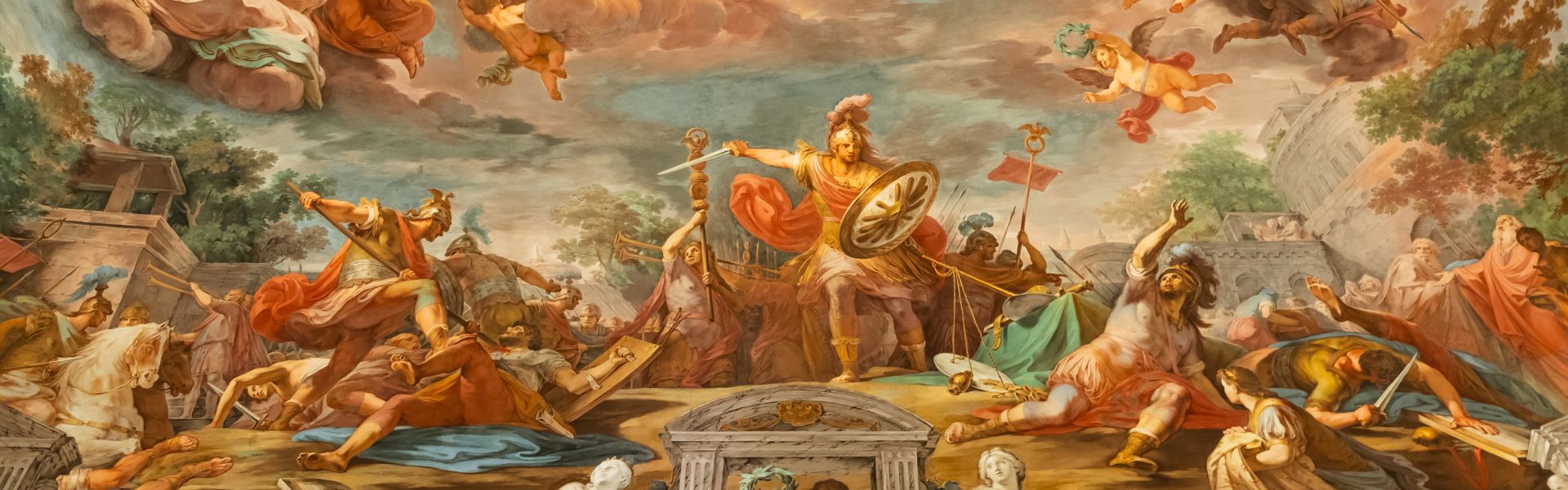
Italy — culture snapshot
Stable reference signals for quick cultural orientation.
Language
Italian
A national language with strong regional variation and a wide landscape of dialects and minority languages. Accent, vocabulary, and local speech traditions often signal place and identity as much as geography.
Heritage density
Very high
Historic centres, monuments, and cultural landscapes are embedded in everyday towns and cities. Much of Italy’s cultural experience is encountered “in the street,” not only in museums.
UNESCO sites
61
World Heritage properties spanning archaeology, historic cities, architecture, cultural landscapes, and natural areas. The scale of inscription reflects Italy’s multi-era civilisation layers and preservation footprint.
City-states legacy
Enduring
Many cultural identities formed around historic city-states and regional capitals rather than a single national centre. This helps explain Italy’s strong local traditions, rivalries, and distinctive regional aesthetics.
Cuisine
Regional
Food culture is a map: recipes, ingredients, and formats shift quickly across regions and even neighbouring valleys. Cuisine functions as cultural identity, social ritual, and a major export of taste and narrative.
Festivals
Year-round
Local calendars are structured by religious feasts, civic celebrations, historical re-enactments, and seasonal harvest events. Festivals are one of the strongest “living culture” channels connecting community and place.
Creative industries
Global
Design, fashion, publishing, music, theatre, and film operate as structured cultural sectors. International reach often comes through a blend of craft, brand, narrative, and high-end production standards.
Cultural influence
Soft power
Italy’s influence circulates through education, heritage tourism, cuisine, style, and iconic figures. Globally, “Italian” often functions as an aesthetic shorthand for proportion, beauty, and quality.
Foundations
A layered inheritance
Italy’s cultural base is composite: Etruscan, Greek, Roman, Byzantine, Norman, Arab, and Aragonese layers are visible in settlement patterns, language traces, law, and art. These influences don’t sit neatly in museums — they appear in street layouts, place names, architecture, and everyday customs. The result is a cultural geography where “history” is often encountered as a living environment rather than a finished past.
Renaissance
Humanism as export
The Renaissance repositioned Italian city-centres as laboratories for art, science, philosophy, and civic identity. Patronage systems, workshops, and new ways of seeing the human figure and the built environment reshaped European culture. Its legacy still drives how Italy is perceived globally: as a source of form, proportion, and intellectual ambition.
Production
Culture as a sector
Italy produces culture through institutions and industries: museums and heritage sites, theatres and opera houses, publishing, design, fashion, and music. These are structured ecosystems of training, craft, curation, and commercial delivery — often anchored in specific cities and regional networks. The most durable output tends to combine tradition with contemporary execution, keeping cultural identity active rather than nostalgic.
Media
Soft power, hard legacy
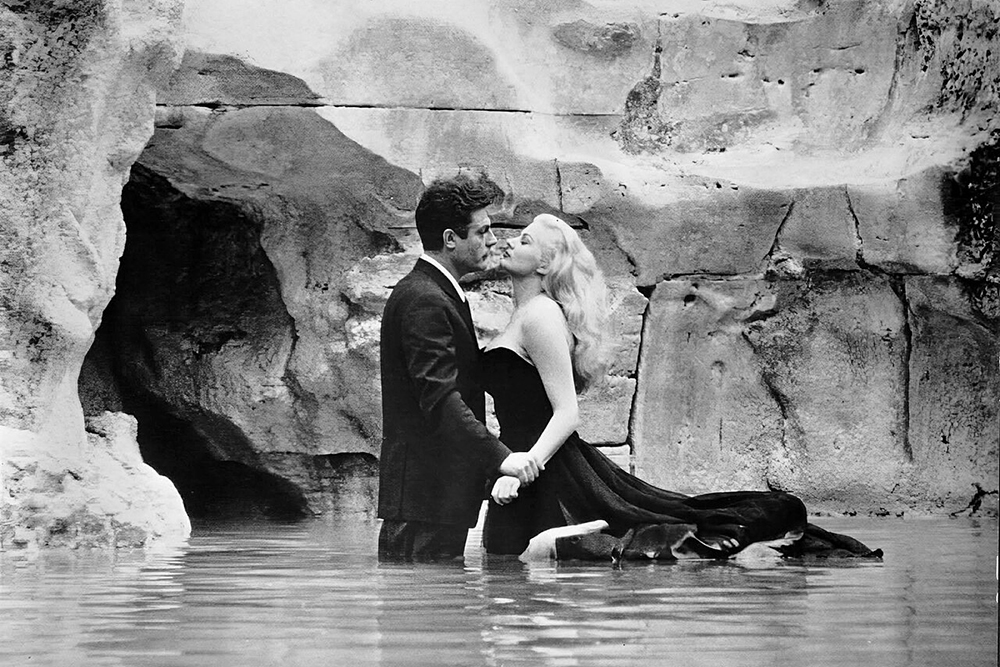
Italian culture circulates internationally through cinema, television, literature, music, and the global language of style. The strongest themes often link place, class, family, beauty, and social realism — with cities and landscapes functioning as characters in their own right. In global terms, Italy’s media presence reinforces an enduring cultural signature: human-scale life, aesthetic intelligence, and narrative depth.


Figures
Artists, thinkers, creators
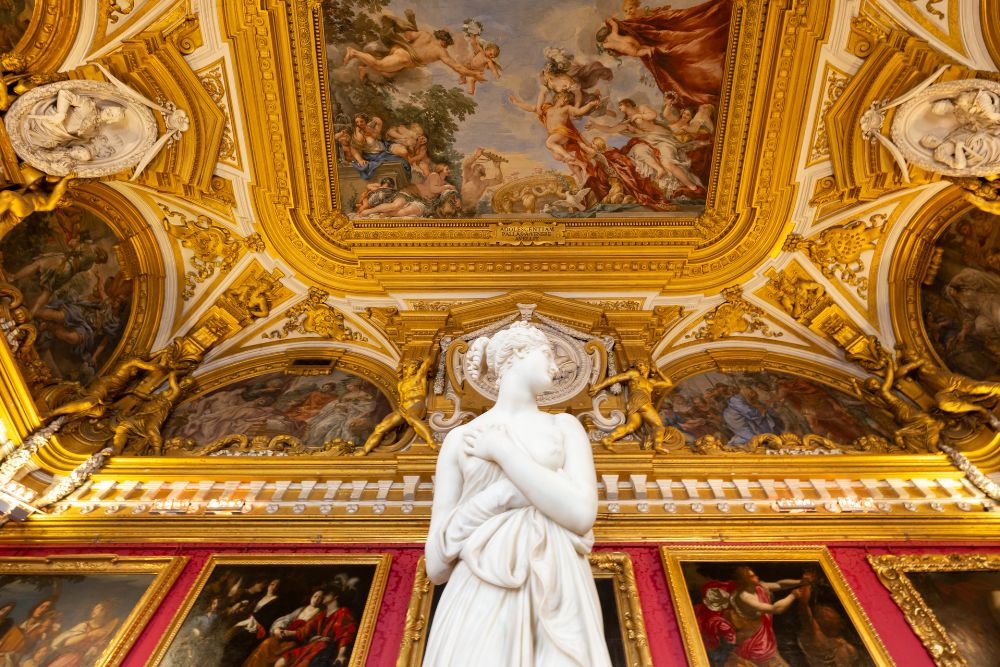
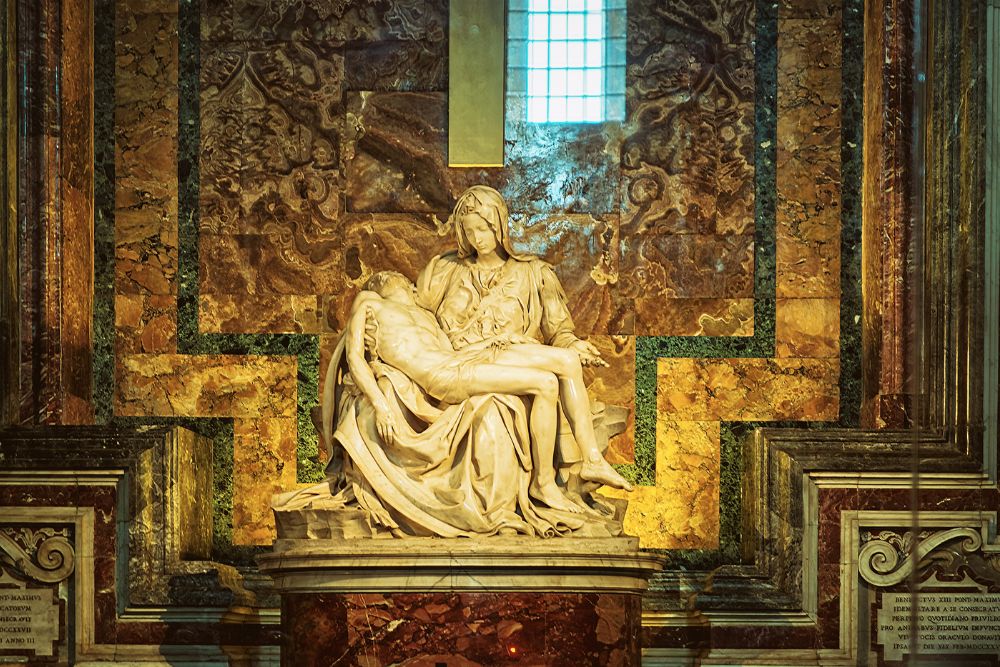
Italy’s cultural memory is shaped by writers, artists, architects, composers, filmmakers, and designers — not as a single canon, but as a long continuum. Landmark figures helped define language, form, and narrative, while modern creators translated those traditions into contemporary media and global industries. The enduring pattern is craft plus vision: technical mastery paired with a distinctive aesthetic sensibility that travels internationally.
Stories
From page to screen
Italian storytelling moves across literature, cinema, television, theatre, and music, often turning social reality into powerful narrative. Themes of family, community, class, ambition, beauty, and place recur because they reflect how Italian life is organised and remembered. International audiences often meet Italy through these stories — where landscape, streets, and everyday ritual become as important as plot.