

Camorra
The Camorra is based in Campania, centred around Naples. Like Cosa Nostra and the 'Ndrangheta, it is a criminal organization, or secret society that finances itself through drug trafficking and distribution, cigarette smuggling, people smuggling, kidnapping, blackmail, bribery, prostitution, toxic waste disposal, construction, counterfeiting, loan sharking, money laundering, illegal gambling, robbery, arms smuggling, extortion, protection, political corruption, and racketeering. Its activities have led to high levels of murder in the areas in which it operates. It is the oldest and largest criminal organization in Italy. In the shadowy underworld of organized crime, few names evoke as much fear and intrigue as the Camorra. This secretive criminal organization, deeply rooted in the Campania region of Southern Italy, has gained notoriety for its vast criminal empire, ruthlessness, and ability to elude law enforcement for centuries.
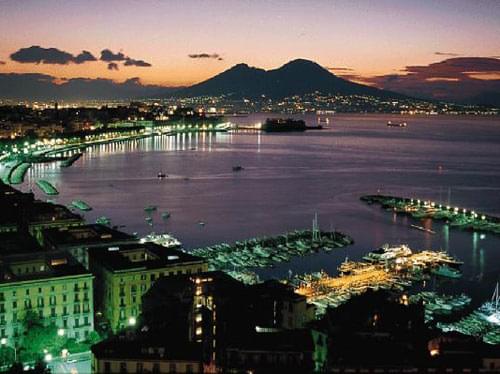
Naples
Historical Origins
The Camorra's roots can be traced back to the late 18th century, making it one of the oldest criminal organizations in Italy. It originated in the impoverished and lawless streets of Naples and its surrounding regions, where social and economic instability created fertile ground for criminal enterprises to flourish. The name originated as a blend between the word 'Capo' meaning boss, and 'Morra' which was a gambling game played on the streets of Naples. When the game was banned, the 'Camoristi' earned money from 'protecting' the gamblers from passing policemen.
During the 19th century, the Camorra evolved from a loose association of criminals into a highly organized and hierarchical criminal syndicate. Its initial activities included extortion, smuggling, and theft, but over the years, it expanded its operations to include drug trafficking, arms smuggling, counterfeiting, and various forms of white-collar crime.
Structure and Hierarchy
The Camorra operates under a strict hierarchical structure that resembles a pyramid. At the top of this pyramid is a select group of "bosses" or "godfathers" who hold ultimate authority within the organization. These bosses are surrounded by an inner circle of trusted advisors and enforcers known as the "camorristi."
Beneath this inner circle are various criminal clans, each with its own territory and leadership. These clans often engage in fierce rivalries over control of lucrative criminal enterprises, such as drug distribution, illegal gambling, and construction contracts.
One distinguishing feature of the Camorra is its fragmented structure, which differs from the more centralized hierarchy of the Sicilian Mafia. This fragmentation has allowed the Camorra to maintain a level of resilience against law enforcement efforts to dismantle it. When top leaders are arrested or killed, new clans and organizations rise out of the stumps of old ones. As one clan boss told a court: "Campania can get worse because you could cut into a Camorra group, but another ten could emerge from it."
Criminal Activities
The Camorra's criminal activities are vast and far-reaching, generating billions of euros in revenue each year. Some of its primary illicit activities include:
Drug Trafficking:
The Camorra is heavily involved in the drug trade, particularly in the trafficking of cocaine and heroin. It has established extensive international networks, allowing it to import and distribute narcotics across Europe and beyond.
Extortion and Protection Rackets:
Extortion is a key source of income for the Camorra. The organization preys on businesses, both legal and illegal, demanding protection payments in exchange for "protection" from violence and other threats.
Illegal Gambling:
The Camorra operates illegal gambling operations, including sports betting, card games, and slot machines. These activities generate significant profits while evading taxation and regulation.
Waste Management:
Since the mid-1990s, the Camorra's most visible activity had been the handling of garbage disposal in the region of Campania. The results have been disastrous for the environment and the health of the general population. Heavy metals, industrial waste, chemicals and household garbage are frequently mixed together, dumped near roads and burnt to avoid detection, leading to severe soil and air pollution.

Naples rubbish crisis
The Camorra uses 'stakeholders', who are private businessmen who provide a legitimate 'front' for the Camorra allowing them to negotiate lucrative contracts for removing waste from legitimate businesses. These "stakeholders" are able to offer companies highly lucrative deals to remove their waste at a significantly lower price. With little to no overhead, Camorra clans and their associates see very high profit margins. In 2006, the rubbish crisis in Naples saw this system become paralysed. Newly elected Prime Minister Silvio Berlusconi vowed to clean up Naples and the rubbish collection business, but they still seem to be there!
Counterfeiting:
The organization is involved in counterfeiting currency, luxury goods, and even pharmaceuticals, flooding the market with fake products.
Contract Killing:
The Camorra is not hesitant to resort to violence to eliminate rivals or those who pose a threat to its interests. Contract killings are not uncommon in their arsenal of intimidation tactics.
Impact on Society
The Camorra's activities have had a profound and devastating impact on Italian society, particularly in the Campania region. Some of the consequences include:
Economic Drain:
The Camorra's infiltration into legitimate businesses and extortion schemes siphon off substantial funds from the local economy. It deters investment and economic growth in affected areas.
Environmental Damage:
The illegal waste disposal operations of the Camorra have caused severe environmental damage in the region. Toxic waste dumping has led to soil and water pollution, resulting in health issues for local communities.
Social Disintegration:
The pervasive presence of organized crime undermines the social fabric of communities, breeding mistrust and fear among residents. It hinders efforts to build a safe and thriving environment for families and businesses.
Political Corruption:
The Camorra's influence extends to local and even national politics, with corrupt officials sometimes turning a blind eye to their activities in exchange for bribes or protection.
Law Enforcement Efforts
Over the years, Italian authorities have launched numerous crackdowns on the Camorra, resulting in the arrest and imprisonment of many high-ranking members. Despite these efforts, the organization remains a formidable adversary. Its decentralized structure, strict code of silence (omertà), and deep-seated roots in the local communities make it difficult to eradicate.
International cooperation has also been crucial in combating the Camorra's transnational activities. European law enforcement agencies collaborate to track the organization's drug trafficking routes, money laundering operations, and connections to other criminal syndicates.
The Camorra in Popular Culture

Gomorrah
The Camorra has captured the imagination of filmmakers, writers, and artists worldwide. Numerous books, movies, and television series have explored the enigmatic world of the Camorra. Some notable works include Roberto Saviano's best-selling book "Gomorrah" and the subsequent film and TV series adaptations.
These portrayals often shed light on the inner workings of the organization, its ruthlessness, and the toll it takes on the communities it plagues. They also highlight the personal stories of individuals who have been caught up in the Camorra's web of crime and corruption.
Conclusion
The Camorra, with its rich history, intricate structure, and wide-ranging criminal activities, remains a dark and enduring force in Italian society. Despite ongoing efforts to dismantle the organization, it continues to thrive, exerting its influence on communities, politics, and the economy. As long as the Camorra endures, the battle against organized crime in Southern Italy will persist, serving as a stark reminder of the challenges law enforcement and society face in the fight against such elusive criminal empires.


