Skip to content
Culture / Fictional Characters / Mario
Mario

Mario

Published:

Mario, the iconic plumber-turned-hero, has been a beloved figure in the world of gaming for decades. From his humble beginnings as a pixelated character in the 1980s to his status as a global pop culture icon, Mario has captured the hearts of millions around the world. In this article, we'll take a detailed look at the history, evolution, and legacy of this legendary game character.

Origins and Creation

Mario made his debut in the 1981 arcade game "Donkey Kong," created by renowned game designer Shigeru Miyamoto. Originally known simply as "Jumpman," Mario was a carpenter tasked with rescuing his girlfriend, Pauline, from the clutches of the giant ape, Donkey Kong. The character's name was later changed to Mario, inspired by the landlord of Nintendo of America's office, and he became the company's mascot.

Evolution of the Character

Over the years, Mario has undergone numerous transformations, both in terms of appearance and abilities. From his early 2D adventures in games like "Super Mario Bros." to his foray into 3D platforming with titles like "Super Mario 64," Mario has continually evolved to adapt to changing gaming technology. With each new installment, players have been introduced to new power-ups, worlds, and challenges, keeping the franchise fresh and exciting.

Legacy and Impact

Mario's influence extends far beyond the world of gaming. He has appeared in countless spin-off titles, including racing games, sports games, and party games, solidifying his status as a cultural icon. Mario's image has graced everything from merchandise and cartoons to theme parks and movies, further cementing his place in popular culture. His catchphrases, such as "It's-a me, Mario!" and "Let's-a go!" have become ingrained in the collective consciousness of gamers worldwide.

Pop Culture Phenomenon

Mario's impact on popular culture cannot be overstated. He has inspired fan art, cosplay, and even academic research into the psychology of gaming. Mario's adventures have transcended generations, with players of all ages enjoying his games and spin-offs. His enduring popularity speaks to the universal appeal of his character and the timeless quality of his adventures.

Conclusion

In conclusion, Mario stands as one of the most iconic and enduring characters in the history of gaming. From his humble beginnings as a pixelated plumber to his status as a global pop culture icon, Mario has captured the imagination of millions around the world. With his colorful cast of friends and foes, his boundless sense of adventure, and his unwavering determination, Mario continues to inspire and entertain generations of gamers.

As we continue to journey through the Mushroom Kingdom and beyond, one thing remains clear: Mario's legacy will endure for years to come, continuing to delight and inspire players of all ages.

Cultural Systems

Culture icon

Culture

A compact reference to Italy’s cultural formation — from ancient civilisations to modern creative output — designed to sit beneath articles.

Foundations Renaissance Production Media
Italy cultural heritage
Layers of civilisation, living traditions, and modern cultural production — continuously reshaped, never static.

Italy — culture snapshot

Stable reference signals for quick cultural orientation.

Language

Italian

A national language with strong regional variation and a wide landscape of dialects and minority languages. Accent, vocabulary, and local speech traditions often signal place and identity as much as geography.

Heritage density

Very high

Historic centres, monuments, and cultural landscapes are embedded in everyday towns and cities. Much of Italy’s cultural experience is encountered “in the street,” not only in museums.

UNESCO sites

61

World Heritage properties spanning archaeology, historic cities, architecture, cultural landscapes, and natural areas. The scale of inscription reflects Italy’s multi-era civilisation layers and preservation footprint.

City-states legacy

Enduring

Many cultural identities formed around historic city-states and regional capitals rather than a single national centre. This helps explain Italy’s strong local traditions, rivalries, and distinctive regional aesthetics.

Cuisine

Regional

Food culture is a map: recipes, ingredients, and formats shift quickly across regions and even neighbouring valleys. Cuisine functions as cultural identity, social ritual, and a major export of taste and narrative.

Festivals

Year-round

Local calendars are structured by religious feasts, civic celebrations, historical re-enactments, and seasonal harvest events. Festivals are one of the strongest “living culture” channels connecting community and place.

Creative industries

Global

Design, fashion, publishing, music, theatre, and film operate as structured cultural sectors. International reach often comes through a blend of craft, brand, narrative, and high-end production standards.

Cultural influence

Soft power

Italy’s influence circulates through education, heritage tourism, cuisine, style, and iconic figures. Globally, “Italian” often functions as an aesthetic shorthand for proportion, beauty, and quality.

Foundations

A layered inheritance

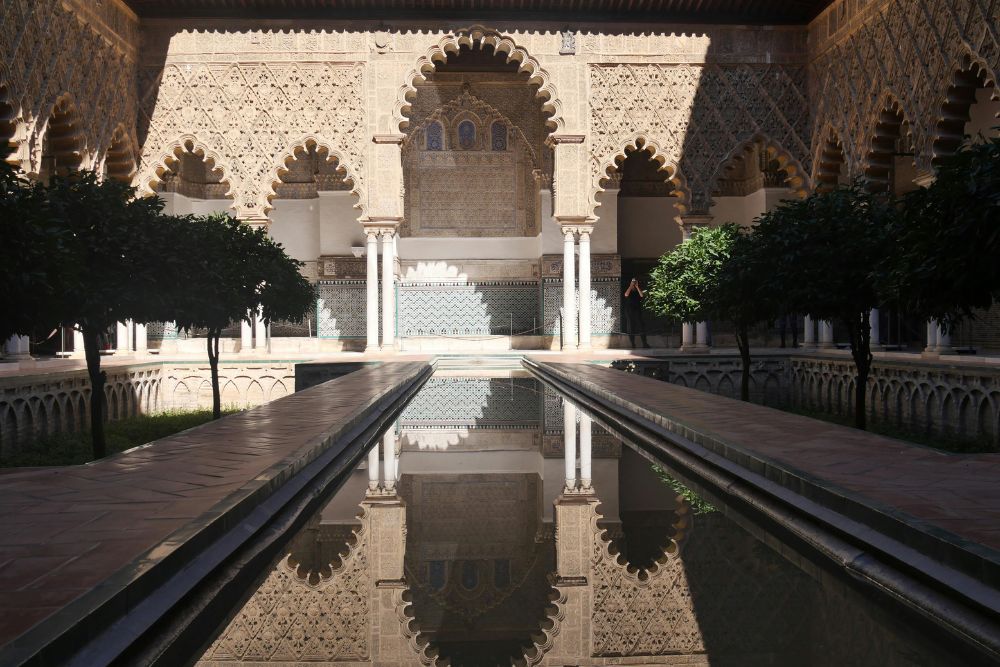
Italy’s cultural base is composite: Etruscan, Greek, Roman, Byzantine, Norman, Arab, and Aragonese layers are visible in settlement patterns, language traces, law, and art. These influences don’t sit neatly in museums — they appear in street layouts, place names, architecture, and everyday customs. The result is a cultural geography where “history” is often encountered as a living environment rather than a finished past.

Renaissance

Humanism as export

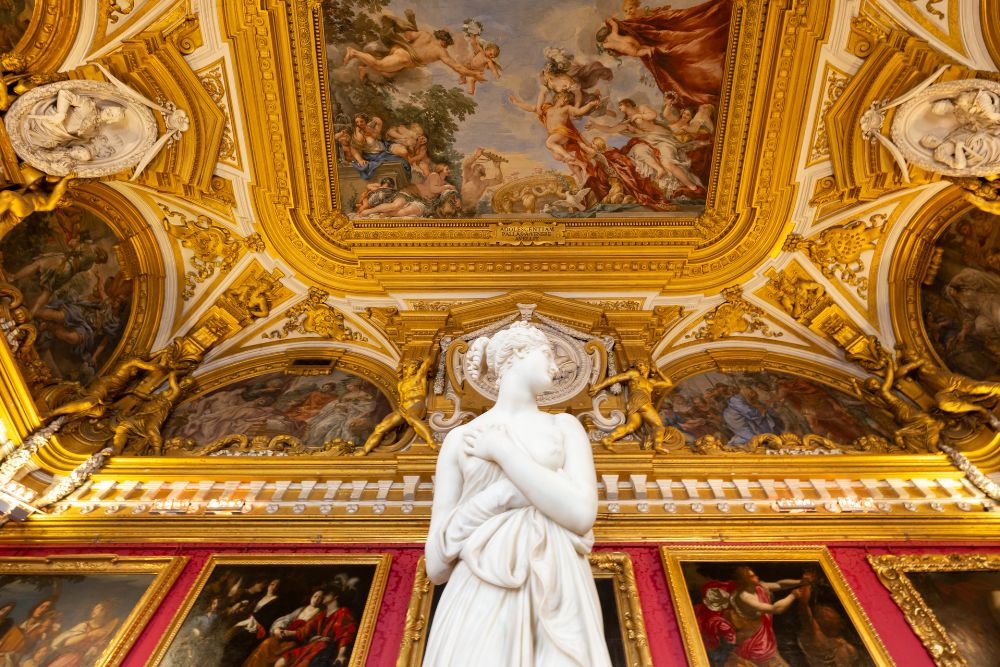
The Renaissance repositioned Italian city-centres as laboratories for art, science, philosophy, and civic identity. Patronage systems, workshops, and new ways of seeing the human figure and the built environment reshaped European culture. Its legacy still drives how Italy is perceived globally: as a source of form, proportion, and intellectual ambition.

Production

Culture as a sector

Italy produces culture through institutions and industries: museums and heritage sites, theatres and opera houses, publishing, design, fashion, and music. These are structured ecosystems of training, craft, curation, and commercial delivery — often anchored in specific cities and regional networks. The most durable output tends to combine tradition with contemporary execution, keeping cultural identity active rather than nostalgic.

Media

Soft power, hard legacy

Italian culture circulates internationally through cinema, television, literature, music, and the global language of style. The strongest themes often link place, class, family, beauty, and social realism — with cities and landscapes functioning as characters in their own right. In global terms, Italy’s media presence reinforces an enduring cultural signature: human-scale life, aesthetic intelligence, and narrative depth.

Ancient cultural foundations
Foundations
Italian Renaissance art
Renaissance
Italian cultural production
Production
Italian film television music
Media
Italian cultural figures

Figures

Artists, thinkers, creators

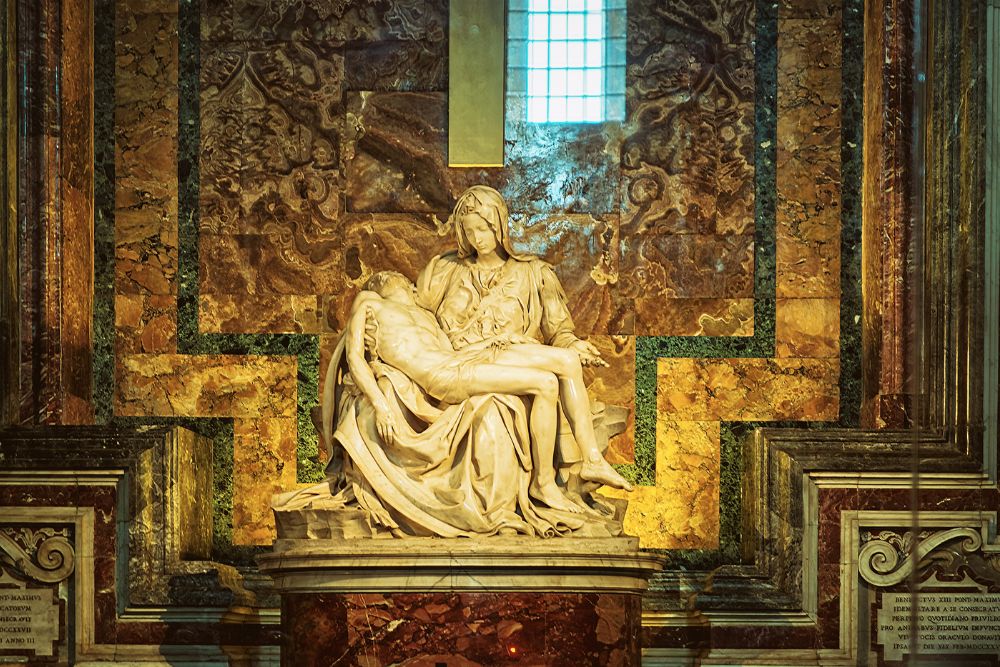
Italy’s cultural memory is shaped by writers, artists, architects, composers, filmmakers, and designers — not as a single canon, but as a long continuum. Landmark figures helped define language, form, and narrative, while modern creators translated those traditions into contemporary media and global industries. The enduring pattern is craft plus vision: technical mastery paired with a distinctive aesthetic sensibility that travels internationally.

Italian fiction film television

Stories

From page to screen

Italian storytelling moves across literature, cinema, television, theatre, and music, often turning social reality into powerful narrative. Themes of family, community, class, ambition, beauty, and place recur because they reflect how Italian life is organised and remembered. International audiences often meet Italy through these stories — where landscape, streets, and everyday ritual become as important as plot.