Mount Etna
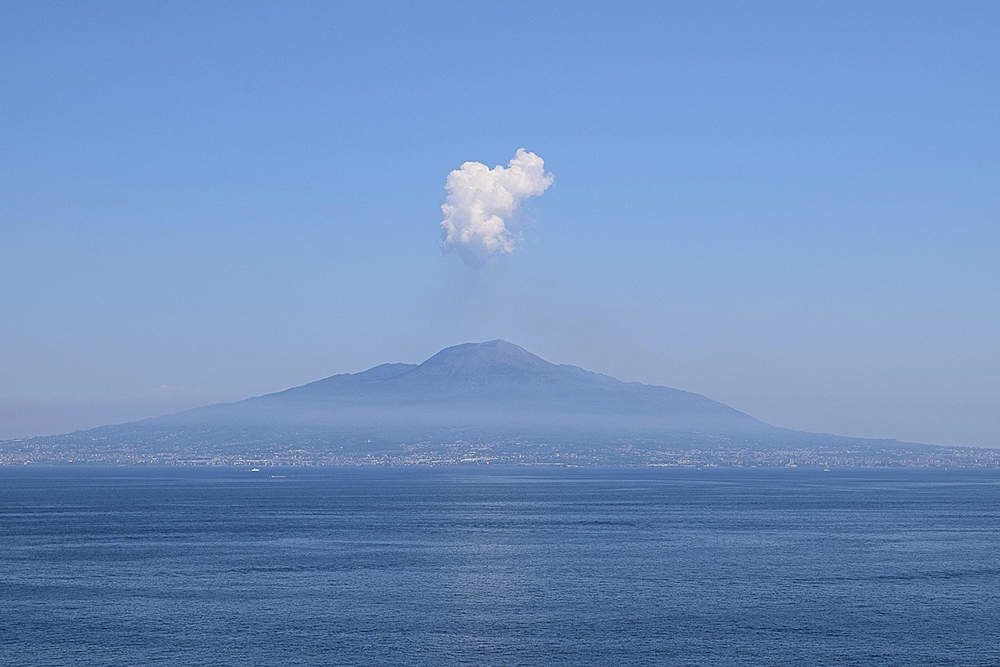
Mount Etna, often referred to as "Mongibello" by the locals, is one of Europe's most iconic natural wonders. Situated on the island of Sicily in Italy, this majestic volcano has captured the imagination of people for centuries due to its remarkable history, frequent eruptions, and awe-inspiring beauty. In this article, we will delve into the fascinating world of Mount Etna, covering its geological significance, historical importance, recent eruptions, and the mesmerizing landscapes it offers.
Geological Significance
Mount Etna is a stratovolcano, a type of volcano known for its steep, conical shape and explosive eruptions. It is located on the eastern coast of Sicily and stands as the tallest active volcano in Europe, reaching a staggering height of approximately 3,329 meters (10,922 feet) above sea level. The volcano is characterized by its frequent eruptions, making it one of the most active volcanoes in the world.
The geological history of Mount Etna dates back around 500,000 years when it began forming through a series of eruptions. Its formation is primarily attributed to the movement of the African and Eurasian tectonic plates, which converge in the Mediterranean region. The collision of these plates created the perfect conditions for the formation of volcanoes in the region, with Mount Etna being one of the most prominent examples.
Historical Importance
Mount Etna has played a significant role in the history and culture of Sicily. The ancient Greeks believed it to be the forge of the god Hephaestus, and in Roman times, it was considered the home of Vulcan, the god of fire and volcanoes. The volcano has been a subject of fascination and study for scientists, artists, and writers throughout the ages.
In addition to its mythological and cultural significance, Mount Etna's eruptions have had a profound impact on the local communities. The volcanic soil in the surrounding areas is incredibly fertile, making it ideal for agriculture. The slopes of the volcano are covered with vineyards, orchards, and farms, producing some of Sicily's finest wines and agricultural products.
Recent Eruptions
Mount Etna is renowned for its frequent eruptions, which have both fascinated and challenged scientists and residents alike. The volcano has experienced hundreds of eruptions in recorded history, with the most recent ones occurring in the 21st century.
One of the notable eruptions in recent years took place in 2002-2003, when the volcano produced lava flows and ash plumes that affected nearby towns and villages. Fortunately, the Italian authorities had established an effective monitoring and early warning system, allowing for the safe evacuation of residents and minimizing the damage.
In February 2021, another spectacular eruption occurred, lighting up the night sky and sending lava fountains soaring into the air. These eruptions, while posing occasional risks, also serve as a reminder of the geological forces shaping our planet.
There was a mild strombolian eruption at Etna's Southeast crater on October 27, 2023. Although the volcano has been relatively calm at the surface in the past weeks, there are signs that it might experience more vigorous eruptions soon.
After months of calm, Mount Etna erupted on the evening of November 12, 2023. This eruption involved intense degassing and a drastic increase in volcanic tremor. The eruption, which started in the afternoon, led to a new paroxysm two hours later and was ongoing at the time of the report.
On May 14, 2023, an eruption spewed ash from the southeastern side of the volcano. Another eruption began on August 13, 2023, marked by a sudden increase in tremor amplitude and high values within 20 minutes. This eruption resulted in the spewing of ash on Catania, eastern Sicily's largest city, leading to a suspension of flights at the city's airport.
Current Volcanic Status
As of the last update on October 28, 2023, Mount Etna's status was marked as minor activity or eruption warning, rated 3 out of 5. The volcano's frequent eruptions are often accompanied by large lava flows.
Intense Eruptive Activity: Local media reported intense eruptive activity at Mount Etna on November 13, 2023.
Mesmerizing Landscapes
Despite the potential dangers associated with Mount Etna's eruptions, the volcano also offers some of the most breathtaking natural landscapes in Europe. The surrounding area is a UNESCO World Heritage site known as the "Mount Etna Natural Park," and it attracts visitors from around the world.
One of the most popular activities for tourists is hiking on the volcano's slopes. There are numerous trails and guided tours that allow visitors to explore the unique ecosystems, ancient lava flows, and stunning vistas. As you ascend the volcano, you'll witness a dramatic change in vegetation, from lush forests to barren volcanic landscapes.
The summit of Mount Etna offers a surreal experience. At its peak, you'll find a lunar-like landscape dominated by craters and sulfur vents. The views from here are simply breathtaking, with the Mediterranean Sea and the Sicilian coastline stretching out in the distance. It's a place where you can truly appreciate the raw power of nature.
Conclusion
Mount Etna stands as a testament to the incredible geological forces that shape our planet. Its towering presence, frequent eruptions, and rich history make it an iconic symbol of Sicily and a must-visit destination for travelers and nature enthusiasts. From its captivating landscapes to its cultural significance, Mount Etna continues to leave an indelible mark on those who have the privilege of experiencing its grandeur.