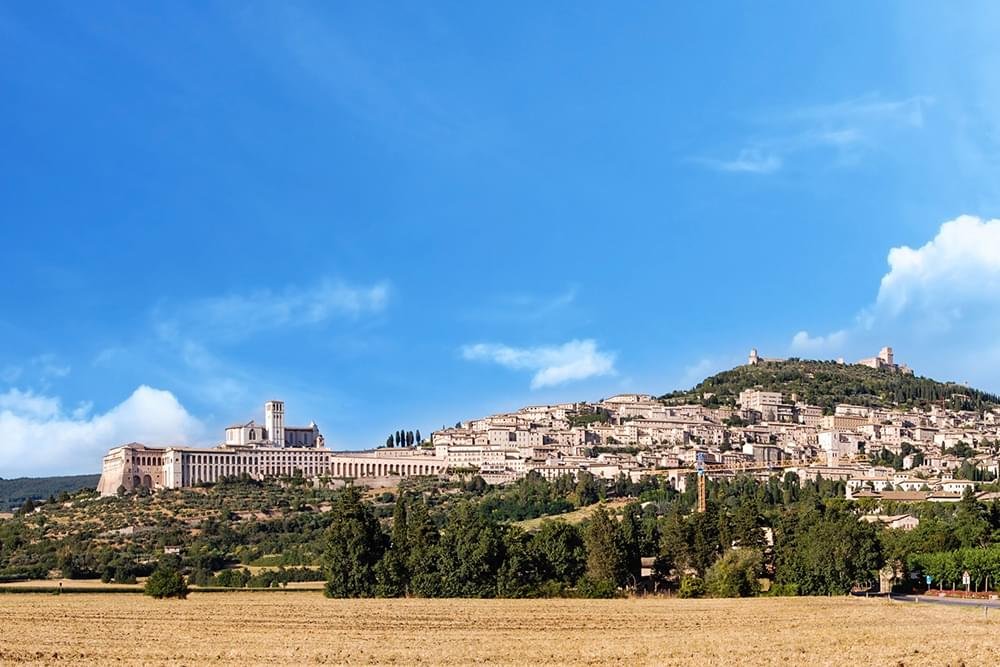
The Province of Perugia, located in the heart of the Umbria region, offers a vivid blend of natural beauty, artistic heritage, and deep-rooted traditions. Known as the "green heart of Italy," this province covers a vast territory dotted with medieval towns, serene lakes, and rolling hills covered in olive groves and vineyards.
The capital of the province, Perugia city, is a cultural and administrative hub, but the surrounding area provides a far more intimate experience of authentic Italy. From the misty Apennines to the sunlit plains of the Tiber Valley, the province invites visitors to explore its diverse geography and rich local customs.
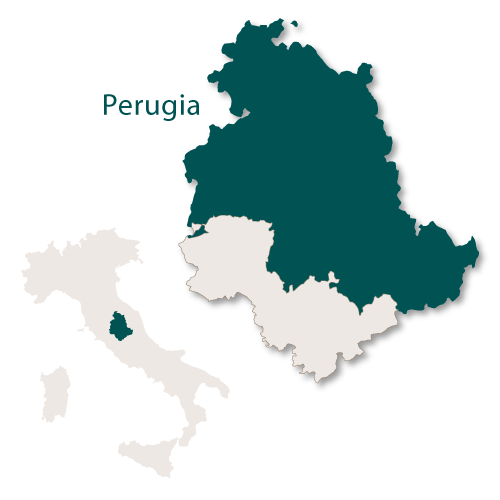
Province of Perugia, Umbria
Historical Legacy and Artistic Treasures
The province of Perugia has been inhabited since prehistoric times and flourished under the Etruscans, Romans, and Medieval rulers. Each period has left behind an impressive array of architectural and artistic wonders. The towns of Assisi, Gubbio, Spello, and Bevagna, to name a few, are veritable open-air museums.
Assisi, the birthplace of St. Francis, is home to the Basilica di San Francesco, a UNESCO World Heritage Site adorned with frescoes by Giotto and Cimabue. Gubbio, perched on the slopes of Mount Ingino, offers Gothic palaces and Roman amphitheaters, all surrounded by an enchanting medieval ambiance.
Nature and Outdoor Activities
The province’s landscape is a paradise for nature lovers. Monte Subasio and the Sibillini Mountains provide breathtaking hiking routes, where wildflowers bloom in spring and snow blankets the peaks in winter. The region is also home to the Trasimeno Lake, the fourth-largest lake in Italy, offering swimming, kayaking, and peaceful lakeside retreats.
National parks and protected nature reserves like the Monte Cucco Regional Park attract hikers, paragliders, and cavers alike. The slower pace of life, combined with abundant trails and ancient paths, makes the province an ideal destination for walking holidays and eco-tourism.
Food and Wine of the Perugia Countryside
Gastronomy in the province of Perugia is rooted in simplicity, seasonal ingredients, and centuries-old traditions. Local cuisine includes earthy delights such as black truffles, wild boar, lentils from Castelluccio, and rustic breads baked in stone ovens. Handmade pasta like strangozzi and umbricelli are often served with hearty meat sauces or truffle shavings.
Wine lovers will find themselves in a lesser-known yet rewarding territory. The Colli del Trasimeno and Montefalco areas produce excellent wines, including the Sagrantino di Montefalco and Grechetto. Olive oil from this region is another local treasure, often described as fruity and slightly peppery, perfect for bruschetta and vegetable dishes.
Cultural Events and Local Traditions
The province of Perugia hosts a vibrant calendar of cultural events that reflect its strong identity and communal spirit. From the world-famous Umbria Jazz Festival in July to the medieval reenactments of Calendimaggio in Assisi and the Corsa dei Ceri in Gubbio, visitors can experience centuries-old traditions firsthand.
Artisans keep local crafts alive, producing ceramics in Deruta, textiles in Montefalco, and handmade chocolates in Perugia. These traditions are not just for show, they are a living part of daily life, often passed down through generations within families and small workshops.
Hidden Villages and Scenic Routes
Beyond the famous towns, the province of Perugia is home to countless hidden villages that seem untouched by time. Places like Rasiglia, known as the "village of streams," and Montone, a walled hamlet with sweeping views, invite slow travel and deep immersion into local rhythms.
Scenic driving routes connect these villages, winding through olive groves, vineyards, and chestnut forests. Whether by car, bike, or foot, travelers can discover old churches, ruined castles, and quiet piazzas where time seems to stand still.
A Year-Round Destination
Each season brings a new dimension to the province of Perugia. Spring paints the hills with blossoms and is perfect for hiking and festivals. Summer offers music, lakeside relaxation, and lively town squares filled with locals and tourists alike. Autumn highlights the harvest with truffle fairs and grape festivals, while winter is serene and cozy, especially in snow-covered mountain towns.
The varied climate and range of attractions make Perugia province a year-round destination for those seeking nature, history, and genuine Italian culture, all in one place. It’s the ideal backdrop for both adventure and relaxation, whether you're exploring the wild or sipping wine at a vineyard farmhouse.
Why Visit the Province of Perugia?
The province of Perugia embodies the spirit of Umbria, unspoiled landscapes, artistic brilliance, heartfelt traditions, and mouthwatering food. It offers the depth of Tuscany without the crowds, making it perfect for those in search of authenticity. Every corner tells a story, whether through a fresco, a recipe, or a legend passed down from generations.
Visiting the province is not just a holiday; it's an experience of cultural immersion, where the past and present live in harmony. Whether you’re a history buff, a foodie, a nature lover, or a romantic, this Italian province offers something unforgettable for everyone.