Skip to content
Places / Regional Features / Lazio / Trevi Fountain
Trevi Fountain

Trevi Fountain

Published:

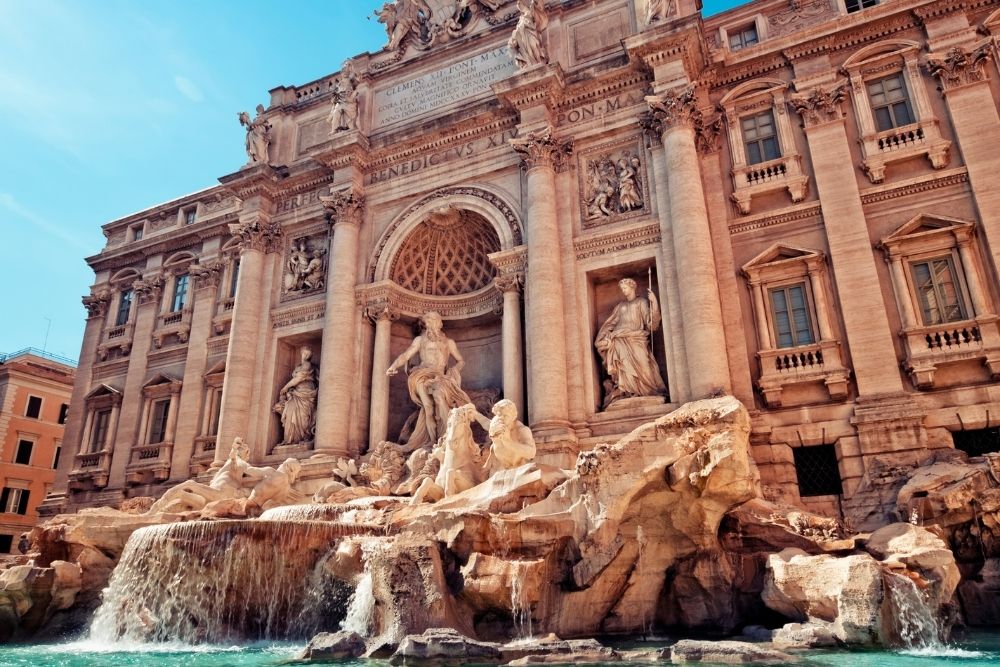
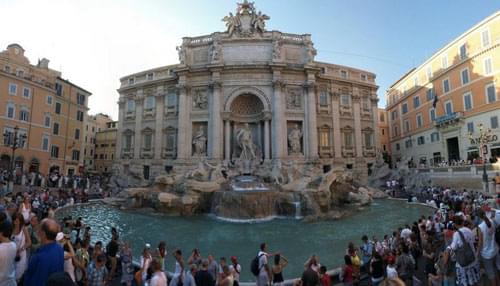
The Trevi fountain is one of the most famous fountains in the world. It represents the perfect combination of classicism and Baroque style and is situated on one side of the Palazzo Poli in the centre of Rome. The structure is made to look even more imposing due to the tiny square in which it was built and by the numerous narrow streets that you need to follow in order to reach it.

Find hotels in Rome

The history of the fountain began many centuries ago, during the time of General Agrippa, son-in-law of the Emperor Augustus. He ordered the construction of an aquaduct through which running water could reach the Pantheon and its thermal baths. According to legend, the original name of the aquaduct, 'Aqua Virgo', was based on the story that the source of the water was found by Roman soldiers with the help of a young girl.

As it was built on the intersection of three roads (Trivia), it eventually became known as the Trevi Fountain (Fontana di Trevi).

The aquaduct was remodeled many times during the Middle Ages after being damaged during various Barbarian invasions. Around the middle of 1400, Pope Nicholas V ordered the damage to be repaired and he entrusted the work to Giovan Battista Alberti. These repairs were very important to the Romans because for almost three centuries they had only been able to draw water from the River Tiber. Now, once again, they could draw fresh water from the aquaduct.

Trevi fountain, fontana di trevi, trevi fountain rome, history of the trevi fountain, visiting trevi fountain, Palazzo Poli, Niccolò Salvi
Pope Urban VIII

In 1625 Pope Urban VIII commissioned Gian Lorenzo Bernini to demolish the original façade and rebuild it in a more imposing style. Unfortunately, after only four years, the project was abandoned through lack of funds.

Trevi fountain, fontana di trevi, trevi fountain rome, history of the trevi fountain, visiting trevi fountain, Palazzo Poli, Niccolò Salvi
Pope Clement XII

Over 100 years later, in 1732, Pope Clement XII set up a competition to find an artist who would be given the honour of rebuilding the fountain. The winner of this competion was an unknown artist called Niccolò Salvi who proposed the creation of a masterpiece using the original plans of Bernini. Salvi decided to illustrate the legend of the origins of the fountain through his design.

Trevi fountain, fontana di trevi, trevi fountain rome, history of the trevi fountain, visiting trevi fountain, Palazzo Poli, Niccolò Salvi

In the centre of the structure is an arch decorated with the coat of arms of Pope Clement XII. On a rock under this central arch there is a statue of Neptune riding in a shell-shaped chariot pulled by two horses led by Mermen. One of the horses represents calm waters and the other rough seas. On either side of the central structure are alcoves, each framed by a pair of imposing Corinthian columns. In one alcove stands a statue representing health, and in the other a statue representing prosperity, both together symbolising the benefits of drinking pure water. The bas-reliefs above represent the approval of the project by Agrippa and the legend of the young girl who originally pointed out the source of the water to the Roman soldiers.

The list of artists who participated in the reconstruction of the Trevi Fountain is fairly long and although Niccolò Salvi engineered the general concept, much of the work was created by others. The main artists involved were as follows:

  • Giovan Battista Maini
    The statue of Neptune.
    He made the prototype of this in plaster but died before contructing the actual statue which was eventually finished by Pietro Bracci.
  • Francesco Pancellotti and Giuseppe Poddi
    The rocks and plants upon which the group of statues rest.
  • Filippo della Valle
    The statues of Health and Prosperity.
  • Andrea Bergondi
    The bas-relief of General Agrippa.
  • Giovanni Battista Grossi
    The bas-relief of the young girl.

The work was eventually completed in 1762, still under the auspices of Pope Clement XII but eleven years after the death of Niccolò Salvi. Giuseppe Pannini is attibuted to having lain the last stone.
Trevi fountain, fontana di trevi, trevi fountain rome, history of the trevi fountain, visiting trevi fountain, Palazzo Poli, Niccolò Salvi

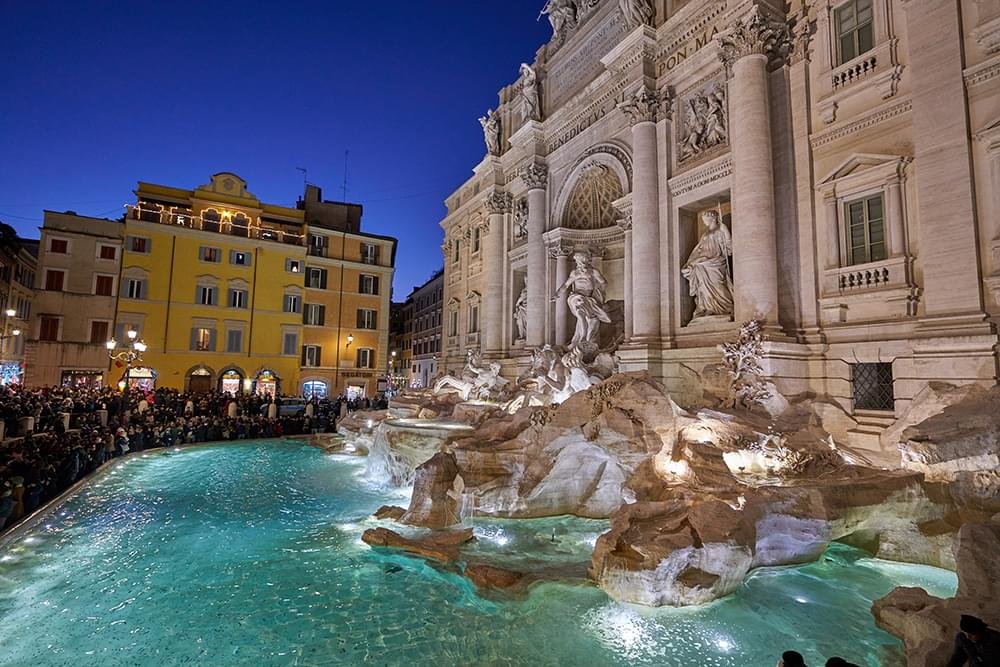
The tiny square which is home to the Trevi Fountain is probably one of the most crowded tourist sites in the world. Legend has it that if, as a stranger to the city, you throw a coin over your shoulder into the fountain, you are guaranteed to come back to Rome during your lifetime.

The Trevi Fountain has become a symbol of the city of Rome, attracting the attention of many artists and filmmakers. It is impossible to forget the famous scene in the 1960 film 'La Dolce Vita' by Federico Fellini, in which Anita Ekberg bathes in the fountain and invites Marcello Mastroianni to do the same.

Although the Trevi Fountain is located in the centre of the city of Rome, it is impossible to reach it by car. It is however, easy to reach by public transport such as bus or metro. The nearest metro station is 'Barberini' and from here you can walk to Via del Tritone and then take Via della Stamperia, a side street on the left. It is a very pleasant walk of about 600 metres, passing through some of the Eternal City's most charming streets, lined with shops, bars, pubs and restaurants, creating a perfect blend of the ancient and modern. And there, as you turn the corner, is the breathtaking spectacle of the wonderful 'Trevi Fountain'!
Regional Dossier

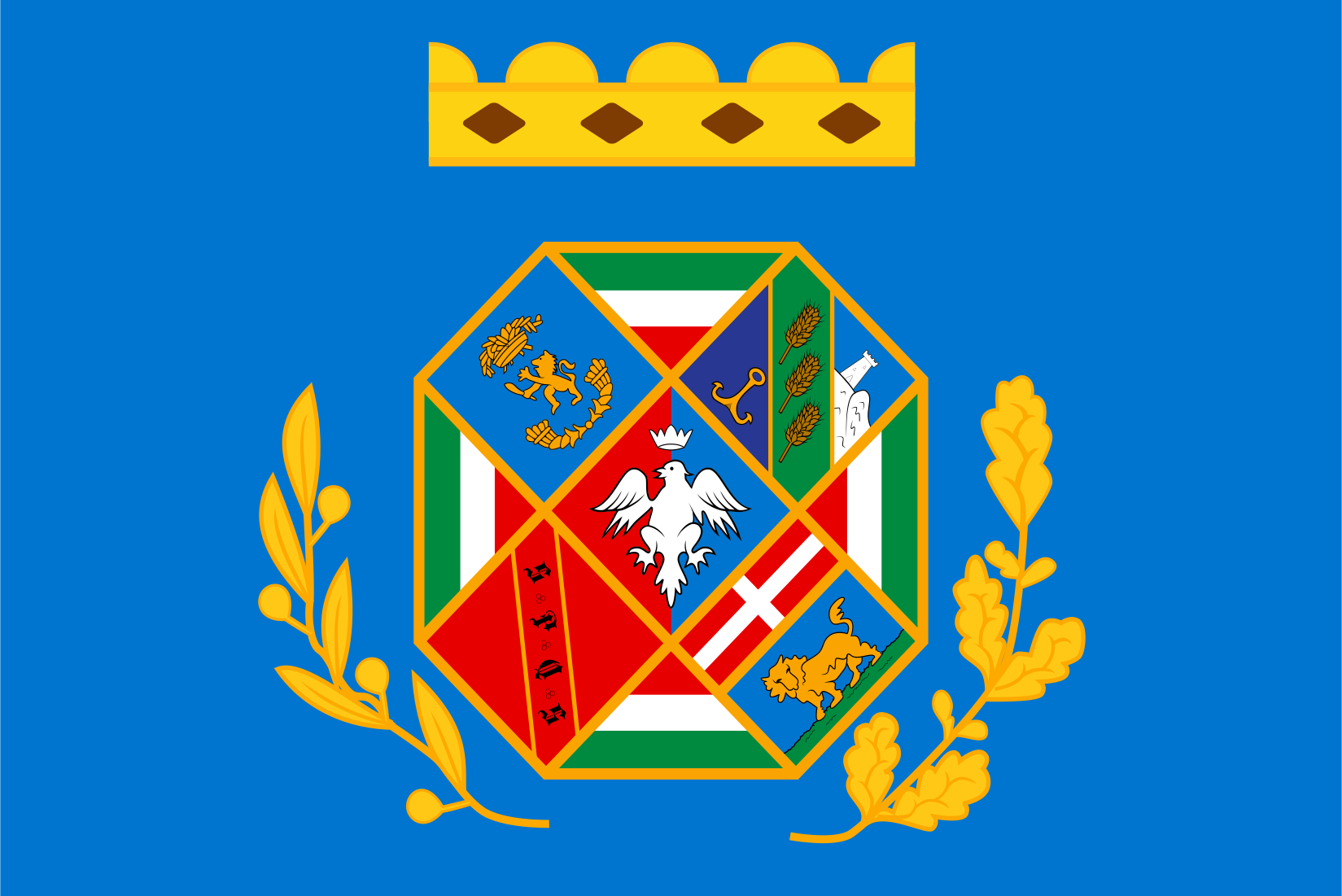
Flag of Lazio

Lazio

Maps, key facts, access, and planning context — a compact reference beneath the article.

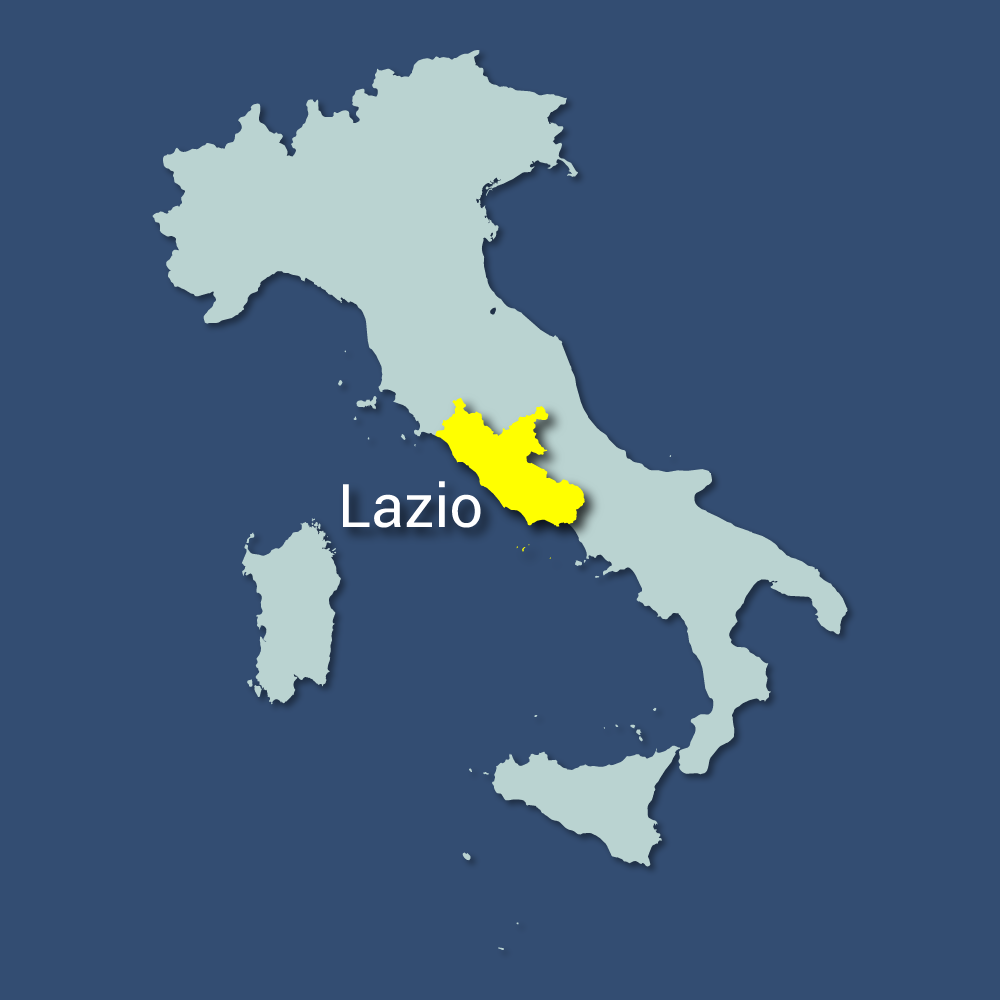
Map of Lazio

Region

Map showing the provinces of Lazio

Provinces

Map showing airport access in Lazio

Airports

Lazio at a glance: regional outline, provinces, and airport access (Rome Fiumicino and Ciampino as primary gateways).
Lazio highlight photo 1 Lazio highlight photo 2 Lazio highlight photo 3
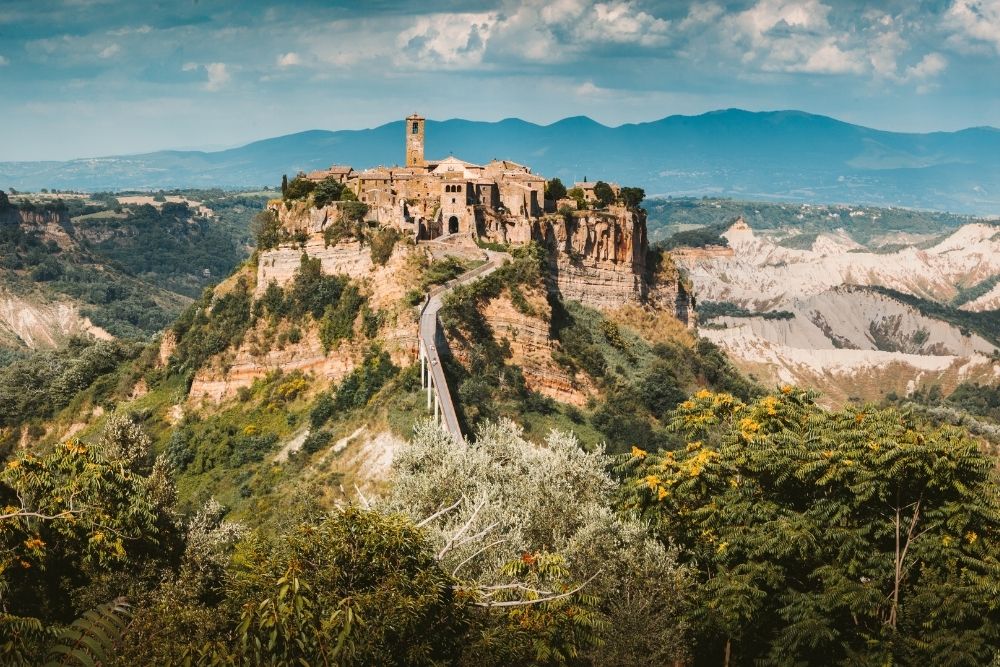
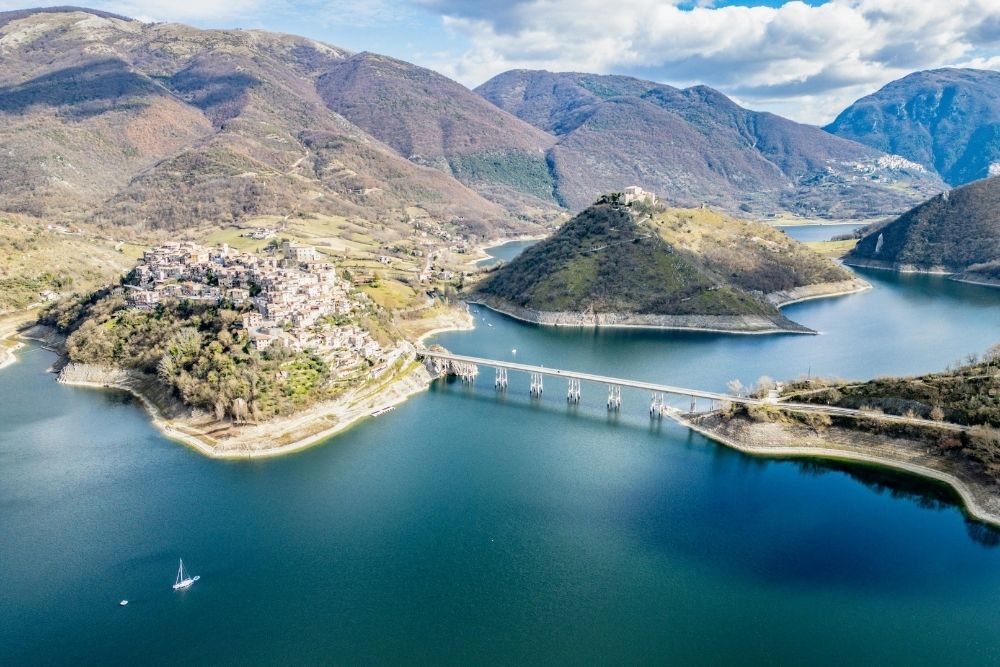
Rome’s gravity, coastlines, and inland hill-country — Lazio in three frames.

Provinces

Lazio is divided into five provinces — including Rome as the metropolitan centre and distinct inland districts beyond.

Rome

Capital: Rome · Comuni: 121

Show comuni
  • Affile
  • Agosta
  • Albano Laziale
  • Allumiere
  • Anguillara Sabazia
  • Anticoli Corrado
  • Anzio
  • Arcinazzo Romano
  • Ardea
  • Ariccia
  • Arsoli
  • Artena
  • Bellegra
  • Bracciano
  • Camerata Nuova
  • Campagnano di Roma
  • Canale Monterano
  • Canterano
  • Capena
  • Capranica Prenestina
  • Carpineto Romano
  • Casape
  • Castel Gandolfo
  • Castel Madama
  • Castel San Pietro Romano
  • Castelnuovo di Porto
  • Cave
  • Cerreto Laziale
  • Cervara di Roma
  • Cerveteri
  • Ciampino
  • Ciciliano
  • Cineto Romano
  • Civitavecchia
  • Civitella San Paolo
  • Colleferro
  • Colonna
  • Fiano Romano
  • Filacciano
  • Fiumicino
  • Fonte Nuova
  • Formello
  • Frascati
  • Gallicano nel Lazio
  • Gavignano
  • Genazzano
  • Genzano di Roma
  • Gerano
  • Gorga
  • Grottaferrata
  • Guidonia Montecelio
  • Jenne
  • Labico
  • Ladispoli
  • Lanuvio
  • Lariano
  • Licenza
  • Magliano Romano
  • Mandela
  • Manziana
  • Marano Equo
  • Marcellina
  • Marino
  • Mazzano Romano
  • Mentana
  • Monte Compatri
  • Monte Porzio Catone
  • Monteflavio
  • Montelanico
  • Montelibretti
  • Monterotondo
  • Montorio Romano
  • Moricone
  • Morlupo
  • Nazzano
  • Nemi
  • Nerola
  • Nettuno
  • Olevano Romano
  • Palestrina
  • Palombara Sabina
  • Percile
  • Pisoniano
  • Poli
  • Pomezia
  • Ponzano Romano
  • Riano
  • Rignano Flaminio
  • Riofreddo
  • Rocca Canterano
  • Rocca Priora
  • Rocca Santo Stefano
  • Rocca di Cave
  • Rocca di Papa
  • Roccagiovine
  • Roiate
  • Rome
  • Roviano
  • Sacrofano
  • Sambuci
  • San Cesareo
  • San Gregorio da Sassola
  • San Polo dei Cavalieri
  • San Vito Romano
  • Santa Marinella
  • Sant'Angelo Romano
  • Sant'Oreste
  • Saracinesco
  • Segni
  • Subiaco
  • Tivoli
  • Tolfa
  • Torrita Tiberina
  • Trevignano Romano
  • Vallepietra
  • Vallinfreda
  • Valmontone
  • Velletri
  • Vicovaro
  • Vivaro Romano
  • Zagarolo

Frosinone

Capital: Frosinone · Comuni: 91

Show comuni
  • Acquafondata
  • Acuto
  • Alatri
  • Alvito
  • Amaseno
  • Anagni
  • Aquino
  • Arce
  • Arnara
  • Arpino
  • Atina
  • Ausonia
  • Belmonte Castello
  • Boville Ernica
  • Broccostella
  • Campoli Appennino
  • Casalattico
  • Casalvieri
  • Cassino
  • Castelliri
  • Castelnuovo Parano
  • Castro dei Volsci
  • Castrocielo
  • Ceccano
  • Ceprano
  • Cervaro
  • Colfelice
  • Colle San Magno
  • Collepardo
  • Coreno Ausonio
  • Esperia
  • Falvaterra
  • Ferentino
  • Filettino
  • Fiuggi
  • Fontana Liri
  • Fontechiari
  • Frosinone
  • Fumone
  • Gallinaro
  • Giuliano di Roma
  • Guarcino
  • Isola del Liri
  • Monte San Giovanni Campano
  • Morolo
  • Paliano
  • Pastena
  • Patrica
  • Pescosolido
  • Picinisco
  • Pico
  • Piedimonte San Germano
  • Piglio
  • Pignataro Interamna
  • Pofi
  • Pontecorvo
  • Posta Fibreno
  • Ripi
  • Rocca d'Arce
  • Roccasecca
  • San Biagio Saracinisco
  • San Donato Val di Comino
  • San Giorgio a Liri
  • San Giovanni Incarico
  • San Vittore del Lazio
  • Sant'Ambrogio sul Garigliano
  • Sant'Andrea del Garigliano
  • Sant'Apollinare
  • Sant'Elia Fiumerapido
  • Santopadre
  • Serrone
  • Settefrati
  • Sgurgola
  • Sora
  • Strangolagalli
  • Supino
  • Terelle
  • Torre Cajetani
  • Torrice
  • Trevi nel Lazio
  • Trivigliano
  • Vallecorsa
  • Vallemaio
  • Vallerotonda
  • Veroli
  • Vicalvi
  • Vico nel Lazio
  • Villa Latina
  • Villa Santa Lucia
  • Villa Santo Stefano
  • Viticuso

Latina

Capital: Latina · Comuni: 33

Show comuni
  • Aprilia
  • Bassiano
  • Campodimele
  • Castelforte
  • Cisterna di Latina
  • Cori
  • Fondi
  • Formia
  • Gaeta
  • Itri
  • Latina
  • Lenola
  • Maenza
  • Minturno
  • Monte San Biagio
  • Norma
  • Pontinia
  • Ponza
  • Priverno
  • Prossedi
  • Roccagorga
  • Rocca Massima
  • Roccasecca dei Volsci
  • Sabaudia
  • San Felice Circeo
  • Santi Cosma e Damiano
  • Sermoneta
  • Sezze
  • Sonnino
  • Sperlonga
  • Spigno Saturnia
  • Terracina
  • Ventotene

Rieti

Capital: Rieti · Comuni: 73

Show comuni
  • Accumoli
  • Amatrice
  • Antrodoco
  • Ascrea
  • Belmonte in Sabina
  • Borbona
  • Borgo Velino
  • Borgorose
  • Cantalice
  • Cantalupo in Sabina
  • Casaprota
  • Casperia
  • Castel Sant'Angelo
  • Castel di Tora
  • Castelnuovo di Farfa
  • Cittaducale
  • Cittareale
  • Collalto Sabino
  • Colle di Tora
  • Collegiove
  • Collevecchio
  • Colli sul Velino
  • Concerviano
  • Configni
  • Contigliano
  • Cottanello
  • Fara in Sabina
  • Fiamignano
  • Forano
  • Frasso Sabino
  • Greccio
  • Labro
  • Leonessa
  • Longone Sabino
  • Magliano Sabina
  • Marcetelli
  • Micigliano
  • Mompeo
  • Montasola
  • Monte San Giovanni in Sabina
  • Montebuono
  • Monteleone Sabino
  • Montenero Sabino
  • Montopoli di Sabina
  • Morro Reatino
  • Nespolo
  • Orvinio
  • Paganico Sabino
  • Pescorocchiano
  • Petrella Salto
  • Poggio Bustone
  • Poggio Catino
  • Poggio Mirteto
  • Poggio Moiano
  • Poggio Nativo
  • Poggio San Lorenzo
  • Posta
  • Pozzaglia Sabina
  • Rieti
  • Rivodutri
  • Rocca Sinibalda
  • Roccantica
  • Salisano
  • Scandriglia
  • Selci
  • Stimigliano
  • Tarano
  • Toffia
  • Torri in Sabina
  • Torricella in Sabina
  • Turania
  • Vacone
  • Varco Sabino

Viterbo

Capital: Viterbo · Comuni: 60

Show comuni
  • Acquapendente
  • Arlena di Castro
  • Bagnoregio
  • Barbarano Romano
  • Bassano Romano
  • Bassano in Teverina
  • Blera
  • Bolsena
  • Bomarzo
  • Calcata
  • Canepina
  • Canino
  • Capodimonte
  • Capranica
  • Caprarola
  • Carbognano
  • Castel Sant'Elia
  • Castiglione in Teverina
  • Celleno
  • Cellere
  • Civita Castellana
  • Civitella d'Agliano
  • Corchiano
  • Fabrica di Roma
  • Faleria
  • Farnese
  • Gallese
  • Gradoli
  • Graffignano
  • Grotte di Castro
  • Ischia di Castro
  • Latera
  • Lubriano
  • Marta
  • Montalto di Castro
  • Monte Romano
  • Montefiascone
  • Monterosi
  • Nepi
  • Onano
  • Oriolo Romano
  • Orte
  • Piansano
  • Proceno
  • Ronciglione
  • San Lorenzo Nuovo
  • Soriano nel Cimino
  • Sutri
  • Tarquinia
  • Tessennano
  • Tuscania
  • Valentano
  • Vallerano
  • Vasanello
  • Vejano
  • Vetralla
  • Vignanello
  • Villa San Giovanni in Tuscia
  • Viterbo
  • Vitorchiano