Province of Trieste
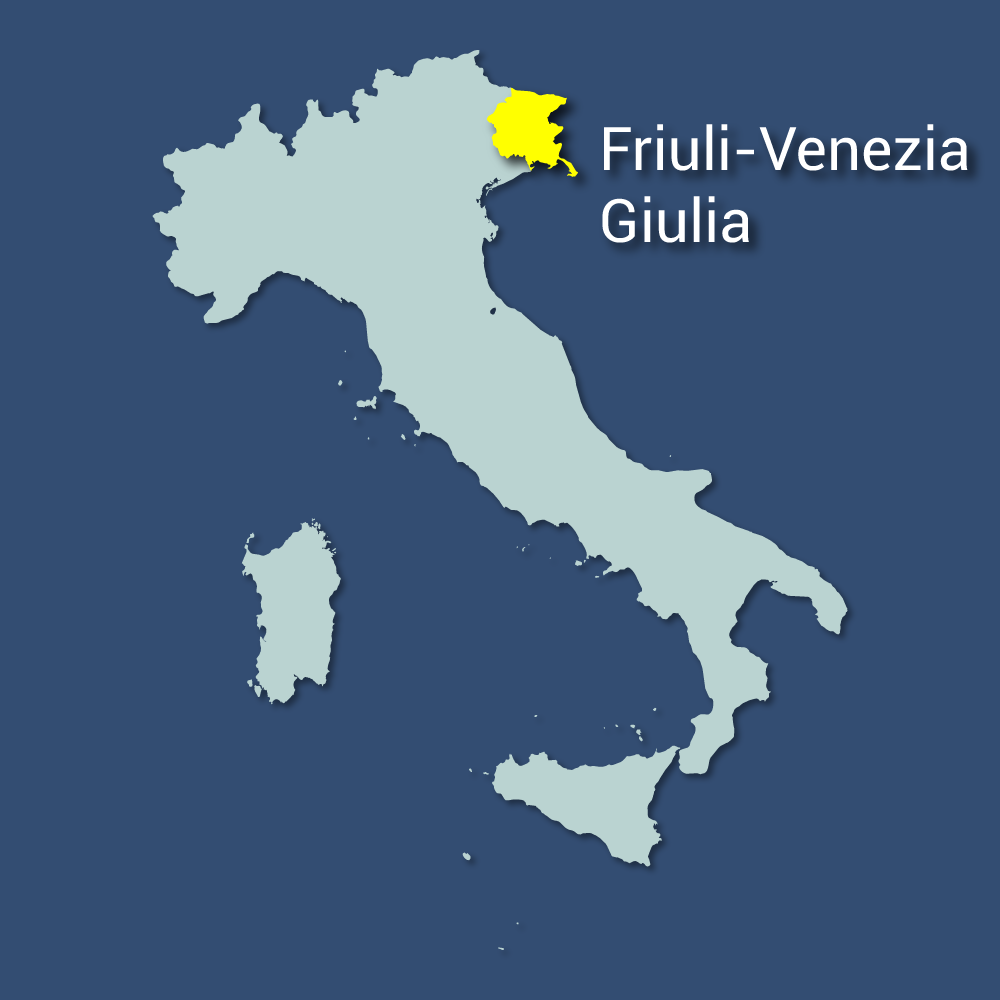
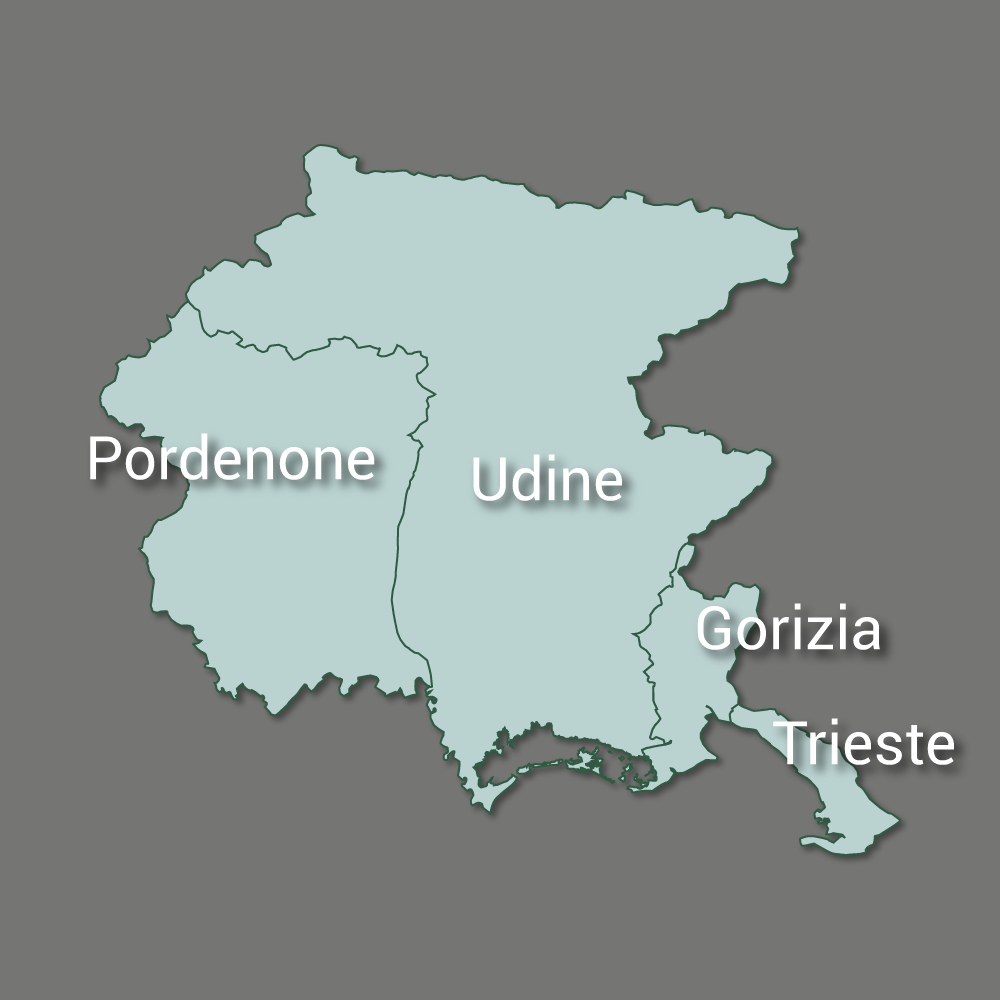
The province of Trieste is a striking and unique area located in Italy’s far northeast, nestled between the Adriatic Sea and the border with Slovenia. Though the smallest province in the country, it is one of the richest in character, shaped by centuries of cross-cultural encounters, empires and trade.
This province serves as a cultural bridge between Western and Central Europe. It has been under Roman, Byzantine, Habsburg and Italian rule, each leaving distinct marks on the land and its people. The result is a fascinating blend of languages, religions, cuisines and customs that make the province of Trieste unlike any other in Italy.
 Province of Trieste, Friuli-Venezia Giulia
A dramatic coastline shaped by nature
The province of Trieste features some of the most dramatic coastal landscapes in Italy. Unlike the sandy beaches found elsewhere along the Adriatic, here the shoreline is made up of limestone cliffs, hidden coves and crystal-clear waters. The panoramic Strada Costiera winds along the coast offering unforgettable views.
The Gulf of Trieste is ideal for sailing and kayaking, and the cliffs of Duino and Sistiana are popular for hiking and climbing. The Miramare Marine Nature Reserve protects coastal flora and fauna and offers underwater trails for snorkelers. Nature lovers will find the seaside here as peaceful as it is breathtaking.
Karst landscapes and underground wonders
Moving inland, the province is dominated by the Karst Plateau, a limestone highland full of caves, sinkholes and rare vegetation. The area has a wild and rugged beauty, shaped by wind and water over thousands of years. It is home to endemic plant species and offers an entirely different perspective on Italian nature.
The Grotta Gigante, one of the largest accessible caves in the world, is a highlight of the region. With its vast chamber and towering stalactites, it is both a geological marvel and an adventure for curious visitors. Many other caves and trails offer quiet escapes and unique ecosystems to explore.
A crossroad of cultures and faiths
Throughout history, the province of Trieste has attracted people from all over Europe. Slavs, Germans, Greeks and Jews have settled here, contributing to a cultural mosaic that is still visible today. Churches, synagogues and cemeteries reflect this deep-rooted multiculturalism in both form and practice.
The province hosts Roman Catholic, Eastern Orthodox, Protestant and Jewish communities that have coexisted for centuries. Cultural institutions, such as museums and community centers, highlight the diversity of the region. Bilingualism is common and the province is proud of its tradition of tolerance and openness.
Architectural grandeur and imperial elegance
Much of the province’s architecture reflects its Austro-Hungarian past. The elegant buildings in neoclassical, baroque and art nouveau styles echo Vienna and Central Europe more than Rome. Castles, villas and seaside resorts recall an age of grandeur and maritime prestige.
The Miramare Castle, perched above the sea with its manicured gardens and romantic history, is one of the province’s crown jewels. The nearby Duino Castle also offers a spectacular setting and literary legacy, once hosting Rainer Maria Rilke. These landmarks are symbols of the province’s historic cosmopolitanism.
A culinary fusion of land and sea
The cuisine of the province of Trieste is as diverse as its people. Influences from Central Europe, the Balkans and Italy come together in dishes that are hearty, flavorful and unique. Fish soups, goulash, sauerkraut, gnocchi and strudel all appear on local menus, often side by side.
The Karst region is known for its prosciutto, smoked meats and wines such as Vitovska and Terrano. Coastal areas serve freshly caught seafood with local olive oil and herbs. Meals are often accompanied by local bread and cheese, with flavors that reflect the blend of sea breeze and mountain air.
Science, literature and intellectual legacy
The province of Trieste is a center of scientific research and innovation. It hosts several international institutes including the International Centre for Theoretical Physics and the Synchrotron light laboratory. This commitment to knowledge has earned the province a reputation as Italy’s City of Science.
Literature also flourishes in this intellectually vibrant place. Writers such as James Joyce, Italo Svevo and Umberto Saba lived and wrote here, drawing inspiration from its layered identity. Bookstores, festivals and literary cafés maintain the spirit of creativity and thoughtfulness that defines the area.
Outdoor activities and protected areas
From the sea to the Karst, the province of Trieste offers a wealth of outdoor opportunities. Hikers can follow the Rilke Trail along the cliffs, while cyclists enjoy paths through vineyards and villages. The Val Rosandra nature reserve, near the Slovenian border, is a highlight for both trekking and climbing.
The protected landscape includes rare orchids, eagles and butterflies. Small nature museums and information centers provide insight into conservation efforts and biodiversity. Whether exploring rocky paths, relaxing by the sea or birdwatching in coastal reserves, nature here is always close at hand.
Traditions, festivals and living heritage
The province of Trieste is alive with traditions that reflect its multicultural soul. Religious festivals, folk dances, regional costumes and culinary fairs bring villages and communities together throughout the year. Each celebration tells a story of resilience, identity and connection to place.
One of the most colorful events is the Barcolana, a historic sailing regatta that draws thousands of boats and spectators each October. It’s more than a sporting event, it is a celebration of the sea and a symbol of the province’s maritime legacy. Smaller festivals in Karst villages celebrate wine, music and local crafts.
A gateway between worlds
The province of Trieste is more than just a destination, it is a meeting point between Latin and Slavic Europe, between land and sea, between ancient and modern. Its small size allows for deep exploration, with each corner revealing new insights and surprises.
Visitors often leave with a sense of discovery and wonder, having encountered a place that defies simple definitions. Whether drawn by history, nature or culture, those who visit the province of Trieste find themselves enriched by its complexity and harmony.