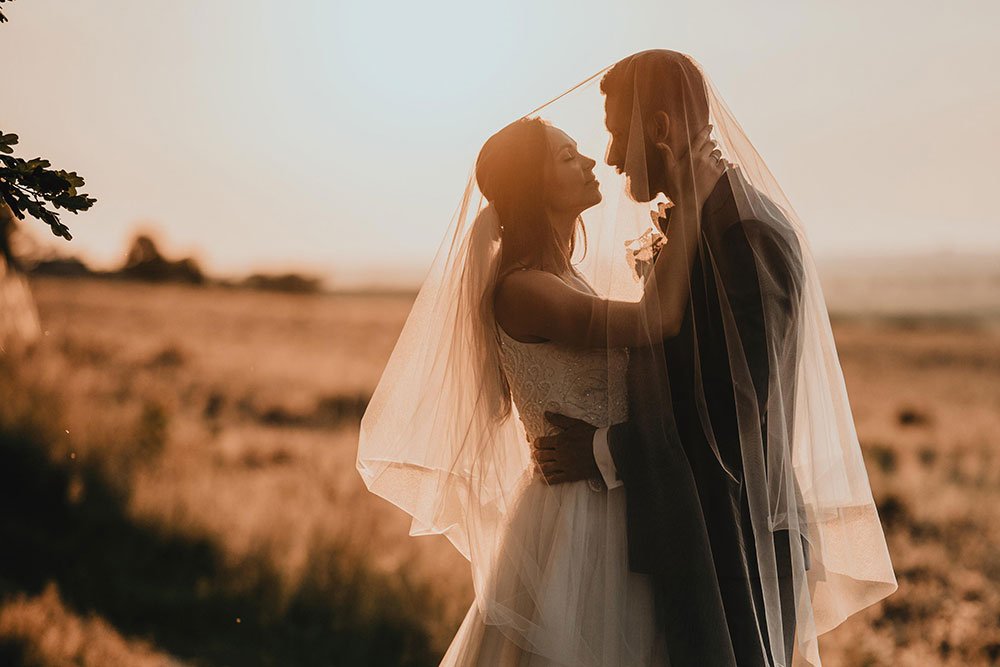
Weddings in Italy
Google title: Weddings in Italy: Venues, Traditions, Planning and Legal Guide
Google description: A complete guide to weddings in Italy, covering venues, traditions, legal requirements, planning tips, costs, seasons and unforgettable Italian celebrations.
SEO keyphrases: weddings in Italy, destination wedding Italy, Italian wedding traditions, getting married in Italy
Why Italy Is One of the World’s Most Romantic Wedding Destinations
Weddings in Italy hold a timeless appeal that few destinations can rival. The country’s extraordinary blend of history, art, landscapes, cuisine and craftsmanship creates an atmosphere that feels both deeply romantic and effortlessly elegant.
From sunlit vineyards and ancient hill towns to dramatic coastlines and refined historic cities, Italy offers an unmatched variety of settings for couples seeking a meaningful and unforgettable wedding experience. Every region brings its own character, allowing each celebration to feel entirely personal.
Beyond scenery, Italy offers a culture that values beauty, ritual and hospitality. Weddings are treated as once in a lifetime events, marked by attention to detail, emotional warmth and a celebration of togetherness that resonates deeply with international couples.
Popular Types of Weddings in Italy
Italy welcomes couples from around the world with flexibility and variety, making it suitable for many different wedding styles and visions.
Symbolic Weddings
Symbolic ceremonies are among the most popular choices for international couples. These celebrations are not legally binding but allow complete freedom in terms of location, format and personal expression.
Symbolic weddings can take place in gardens, villas, vineyards, beaches or historic venues. Couples often choose them to focus entirely on emotion, aesthetics and experience without legal complexity.
Civil Weddings
Civil weddings in Italy are legally recognised and conducted by a government official. They typically take place in town halls or approved municipal venues, many of which are historic palaces or scenic buildings.
For foreign couples, civil weddings require specific documentation, translations and timelines. When planned correctly, they offer the satisfaction of a legally valid marriage combined with Italian elegance.
Religious Weddings
Religious weddings are deeply rooted in Italian tradition, particularly Catholic ceremonies. These weddings take place in churches, cathedrals or chapels and follow established religious rites.
Non Catholic religious ceremonies are also possible in Italy, although availability depends on location and denomination. Many couples choose religious weddings for their spiritual meaning and historical atmosphere.
The Most Sought After Wedding Locations in Italy
Italy’s geographical diversity allows couples to choose a setting that reflects their personalities, values and dreams.
Countryside and Vineyard Weddings
Rural Italy offers serene landscapes, rolling hills and timeless beauty. Vineyards, farm estates and countryside villas create intimate and authentic settings for weddings that feel relaxed and deeply romantic.
These locations often include accommodation, gardens and reception spaces, allowing couples and guests to enjoy several days together surrounded by nature.
Coastal and Seaside Weddings
Italy’s coastline provides dramatic backdrops of sea and sky. Cliffside terraces, historic ports and seaside villas create breathtaking environments for ceremonies and receptions.
Coastal weddings are particularly popular for sunset ceremonies and elegant evening celebrations accompanied by Mediterranean cuisine.
Historic City Weddings
Italy’s cities offer architectural grandeur and cultural depth. Historic palaces, noble residences and refined hotels provide a sense of ceremony and sophistication.
City weddings suit couples who appreciate art, history and urban elegance, while offering guests rich cultural experiences beyond the wedding day.
Italian Wedding Traditions and Cultural Meaning
Italian weddings are rich in symbolism and tradition, blending centuries old customs with modern interpretation.
Family and Community
Family plays a central role in Italian weddings. These celebrations are not only about the couple but also about uniting families and honouring shared heritage.
It is common for multiple generations to participate actively, creating emotionally rich and inclusive celebrations.
Food as the Heart of the Celebration
Italian wedding meals are legendary for their abundance and quality. A wedding banquet is considered a defining element of the day, often lasting several hours.
Menus typically feature regional specialities, seasonal ingredients and carefully paired wines, turning the reception into a culinary journey.
Symbolic Details
Traditional elements such as rice or flower petals, handcrafted favours and symbolic gestures reflect wishes for prosperity, happiness and unity.
Many couples incorporate Italian artisanal items, such as ceramics or olive wood, to honour local craftsmanship and cultural authenticity.
The Legal Process of Getting Married in Italy
While Italy is welcoming to international couples, legal weddings require careful planning and compliance with local regulations.
Required Documentation
Foreign couples must provide official documents proving identity, marital status and eligibility to marry. These documents often require translation and legal certification.
Requirements vary depending on nationality, making professional guidance essential to avoid delays or complications.
Timelines and Appointments
Legal weddings involve appointments with local authorities and embassies. Planning well in advance is crucial, particularly during peak wedding seasons.
Many couples choose symbolic ceremonies to simplify the process while completing legal formalities in their home country.
Planning a Wedding in Italy from Abroad
Planning a destination wedding in Italy requires organisation, trust and clear communication.
Wedding Planners and Local Expertise
Many couples choose to work with experienced wedding planners based in Italy. These professionals understand local regulations, suppliers and cultural nuances.
A skilled planner acts as a bridge between the couple’s vision and Italian execution, ensuring a smooth and enjoyable experience.
Timing and Seasonality
The most popular months for weddings in Italy are late spring and early autumn, when weather conditions are pleasant and landscapes are at their best.
Summer weddings offer long days and vibrant atmosphere but require careful planning due to heat and high demand. Winter weddings provide intimacy and unique charm, particularly in historic cities.
Costs and Budget Considerations
The cost of a wedding in Italy varies widely depending on location, guest count and level of luxury.
Italy offers flexibility, allowing couples to plan both intimate gatherings and grand celebrations. While luxury venues and services command premium prices, thoughtful planning can deliver exceptional value.
Key expenses include venue hire, catering, photography, flowers, attire and accommodation. Many couples view Italian weddings as investments in experience rather than scale.
Accommodation and Guest Experience
One of the advantages of weddings in Italy is the opportunity to create a complete experience for guests.
Many venues offer on site accommodation or partner with nearby hotels, allowing guests to stay close and enjoy the surrounding area.
Pre wedding dinners, post wedding brunches and local excursions transform the celebration into a memorable shared journey.
Photography, Style and Atmosphere
Italy’s natural light, architecture and landscapes make it one of the most photogenic wedding destinations in the world.
Couples often choose photographers who specialise in natural storytelling, capturing moments against authentic Italian backdrops.
Styling tends to favour elegance, simplicity and artisanal detail, reflecting Italy’s design heritage and appreciation for understated beauty.
Food, Wine and Italian Hospitality
Italian weddings are celebrated through food, wine and hospitality. Each course tells a story of region, season and tradition.
From handmade pasta to locally sourced seafood and fine wines, the wedding meal becomes an expression of place and culture.
Italian hospitality ensures guests feel welcomed, relaxed and genuinely cared for throughout the celebration.
Why Weddings in Italy Create Lasting Memories
Weddings in Italy are not simply events; they are immersive experiences shaped by history, beauty and emotion.
Couples often describe their Italian weddings as transformative moments, not only because of the setting but because of the shared sense of presence, connection and celebration.
Italy offers more than a beautiful backdrop. It offers authenticity, craftsmanship, warmth and a rhythm of life that elevates the meaning of marriage.
Conclusion
Choosing Italy as a wedding destination means embracing beauty, tradition and meaningful celebration. Whether symbolic or legal, intimate or grand, weddings in Italy reflect a commitment not only between two people but also to experience, culture and shared joy.
With thoughtful planning and an appreciation for Italian values, couples can create weddings that are deeply personal, unforgettable and rich in lasting significance.