Italian food, antipasto, antipasti, jamie oliver, italian foods, fresh food in italy, italian coffee, italian food recipes, traditional
healthy mediterranean diet, olive oil, pasta, pizza
Italian Food Menu
Italian Food

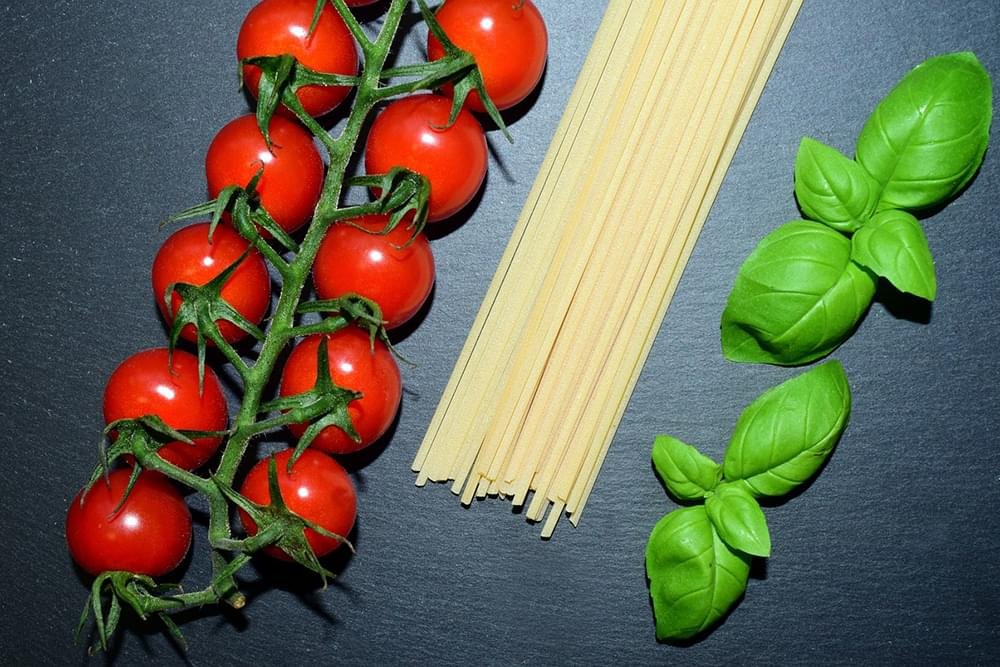
Italian food is known and loved all around the globe and there is hardly a city in the world that does not have an italian restaurant or two. Supermarkets are full of italian ingredients from fresh cheeses and meats to pasta, tomato sauces, passata and pizza. Endless cookery books in many different languages are devoted solely to Italian cooking.
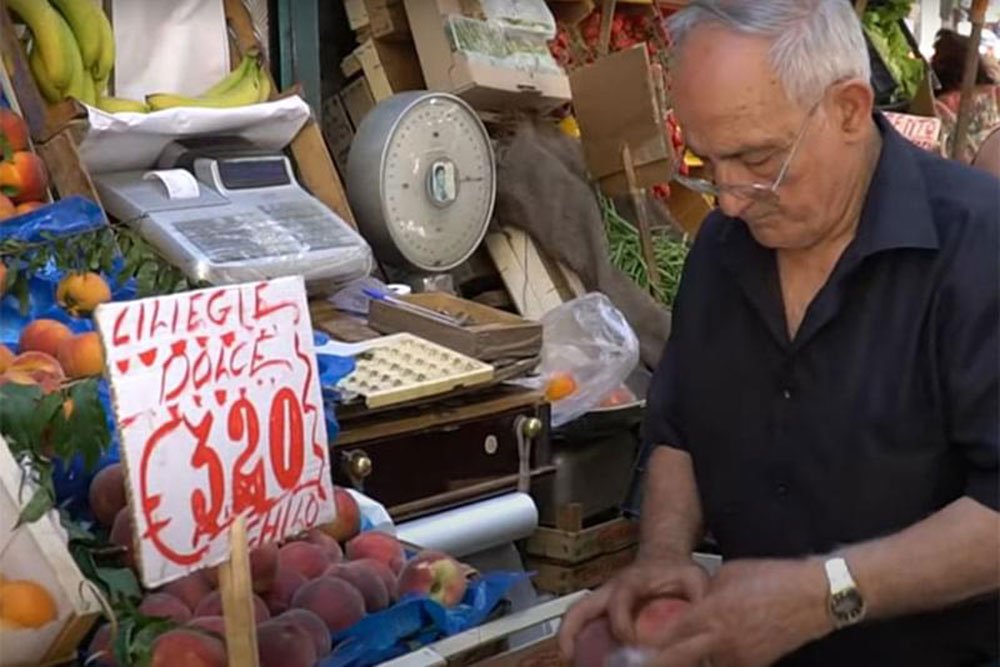
True Italian food is actually very simple and made only from fresh ingredients that are in season. Rarely do meals have heavy sauces or spices to mask the taste of the fresh produce. A typical Italian meal is fairly rigid in construction and the four courses are what you would expect to get in any local restaurant.
Antipasto:
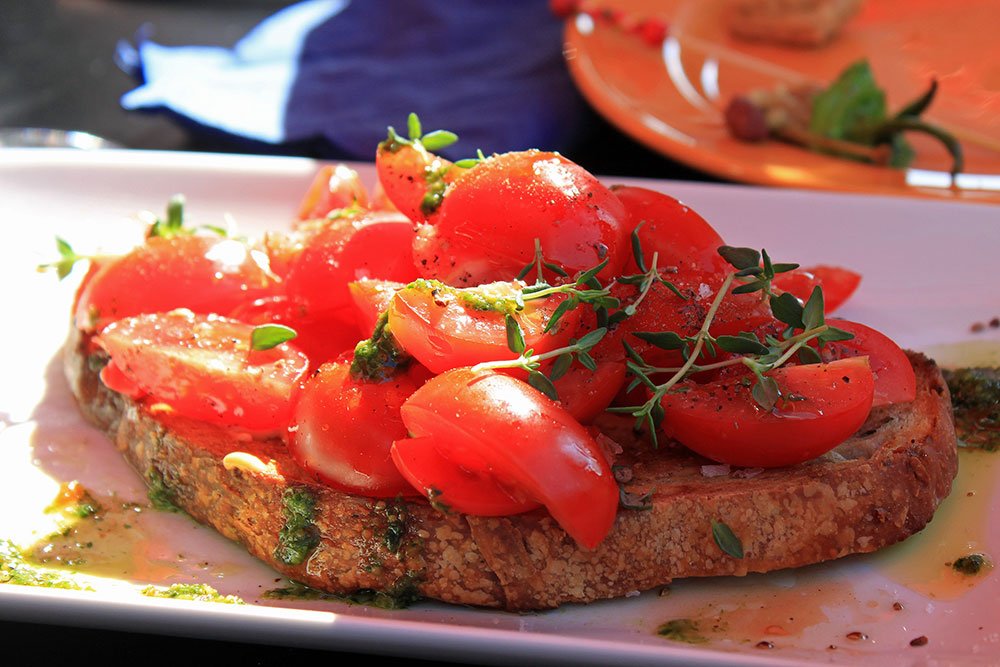
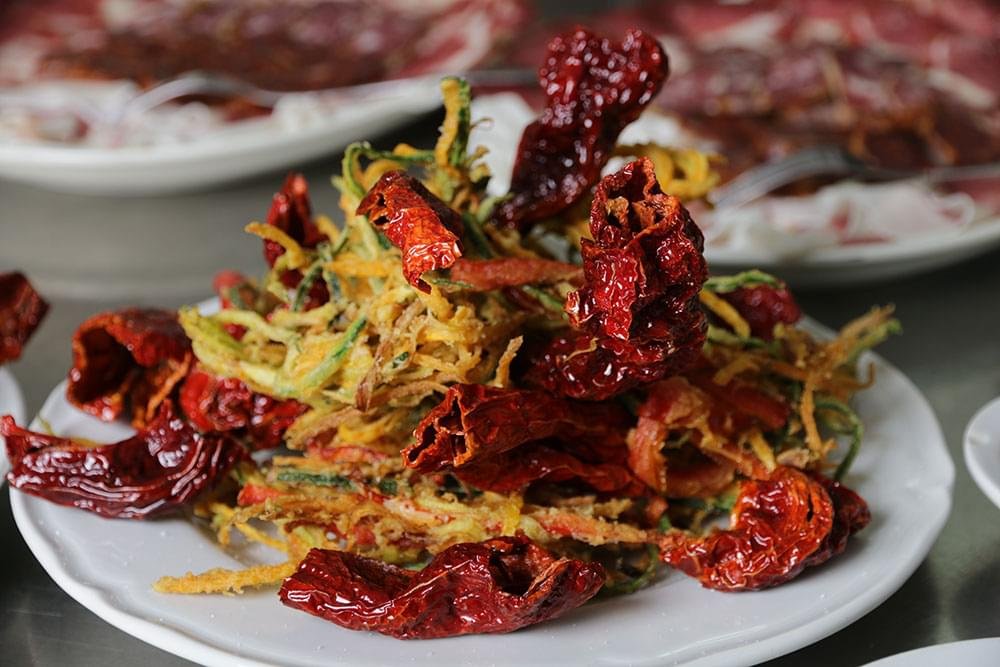
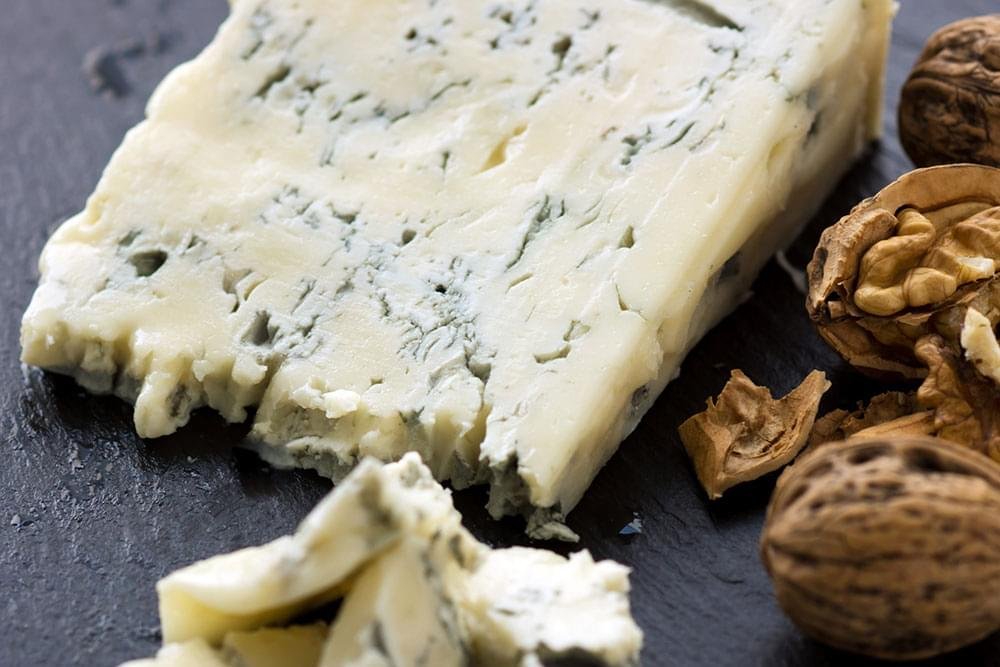
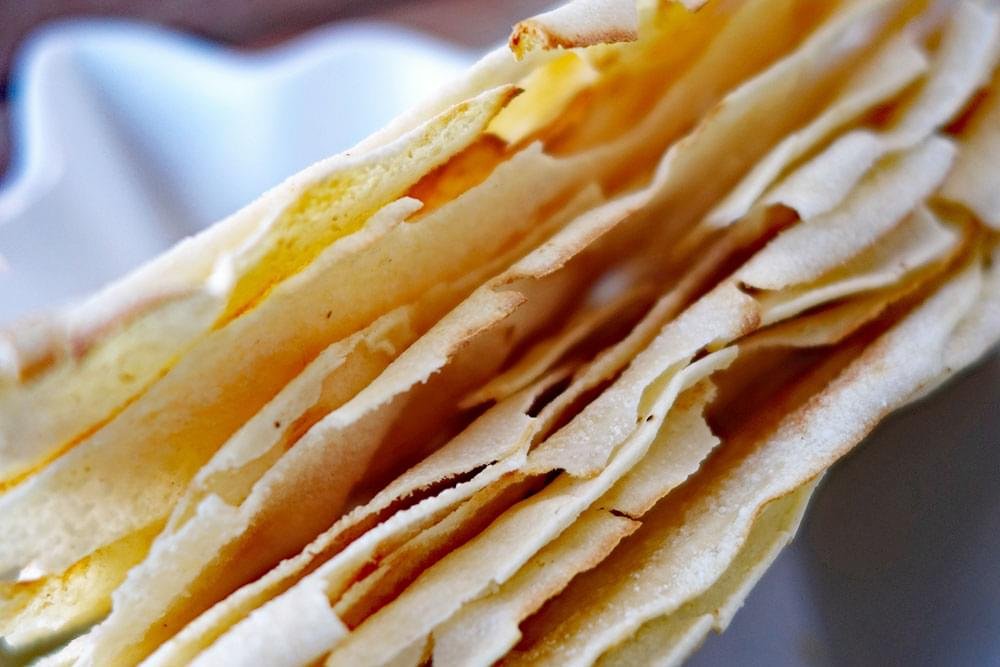
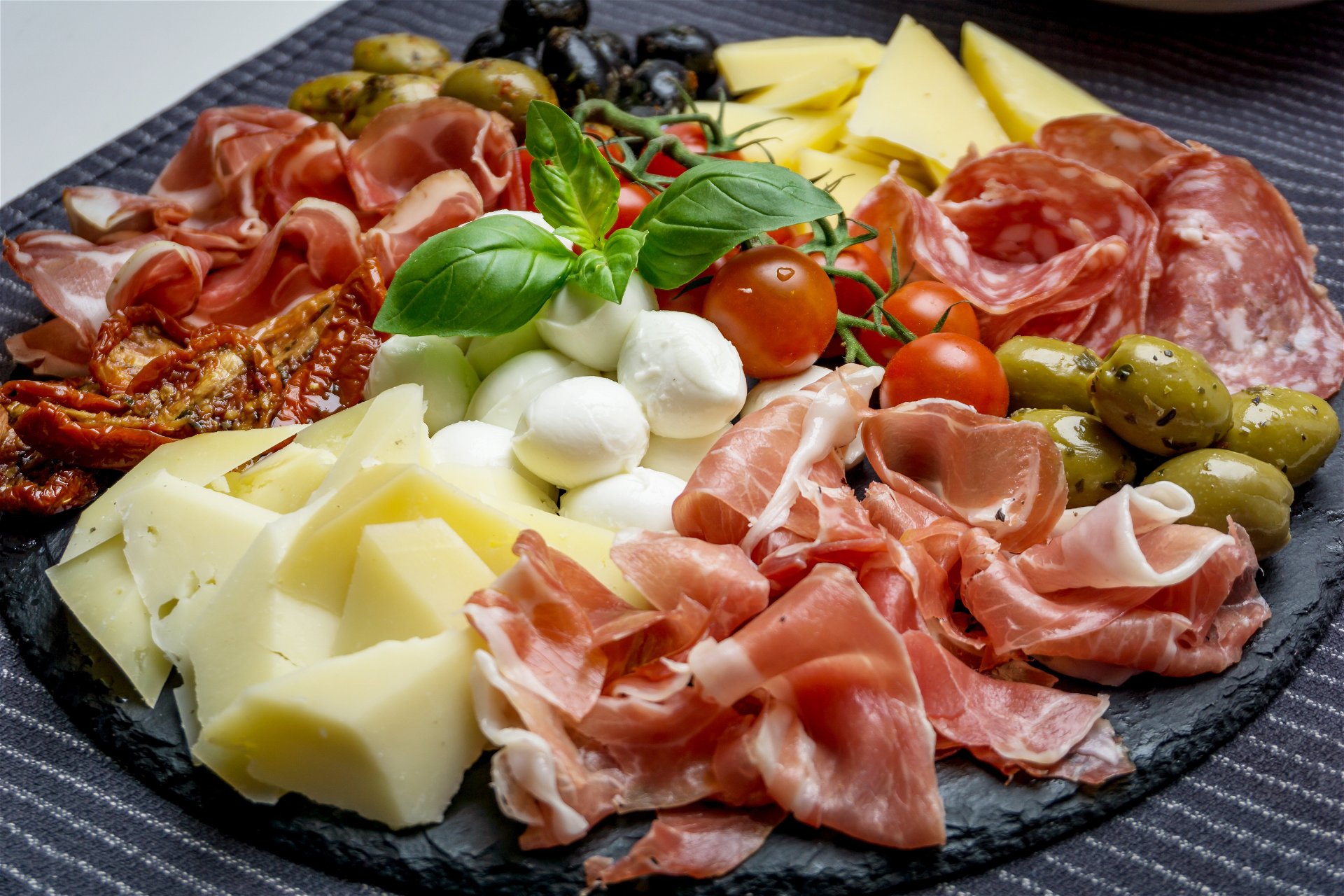
The meal starts with 'antipasto' which usually consists of local meats and cheeses but on special occasions will be an endless stream of tasty little dishes made mainly from vegetables and sometimes fish. In addition to sun dried tomatoes, olives and grilled aubergines vegetables are stuffed and baked, courgette flowers are stuffed and fried and frittata, bruschetta, and small tarts come in varying sizes and combinations. This is all eaten with freshly baked, crusty homemade bread.
Primo:
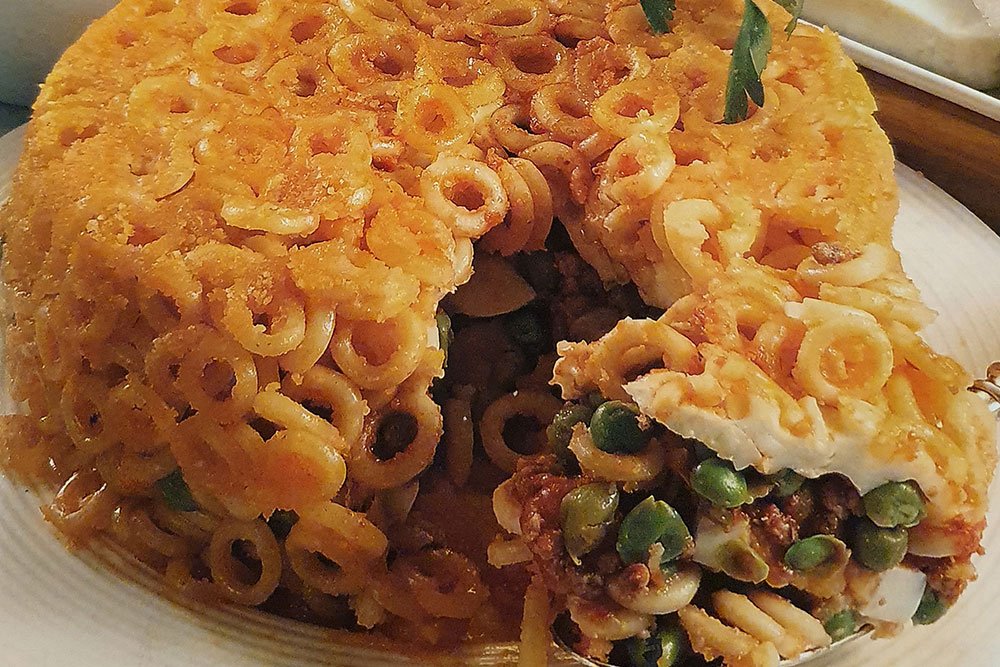
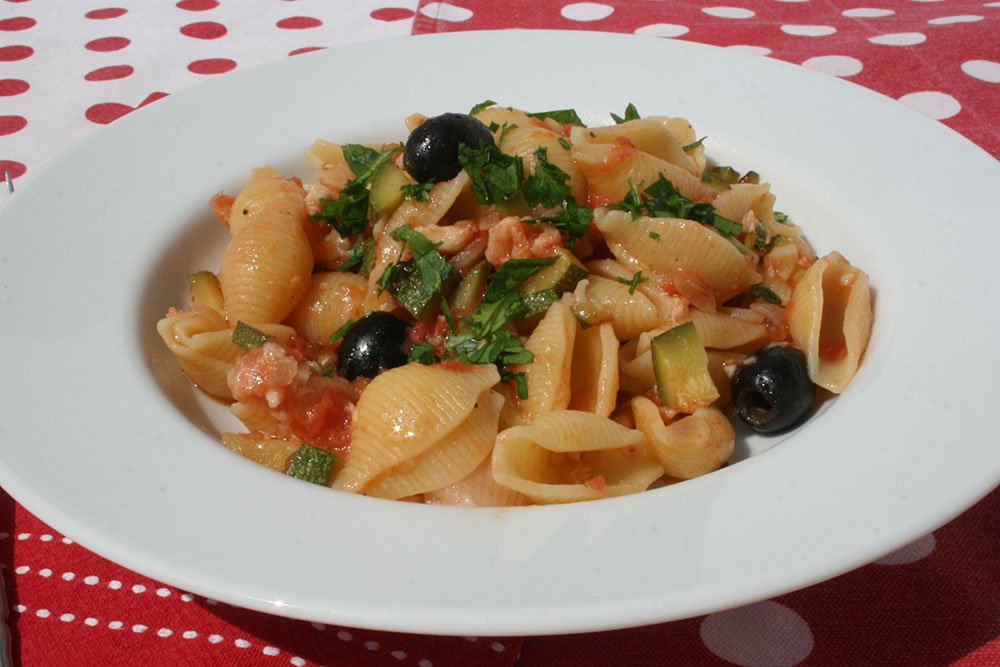
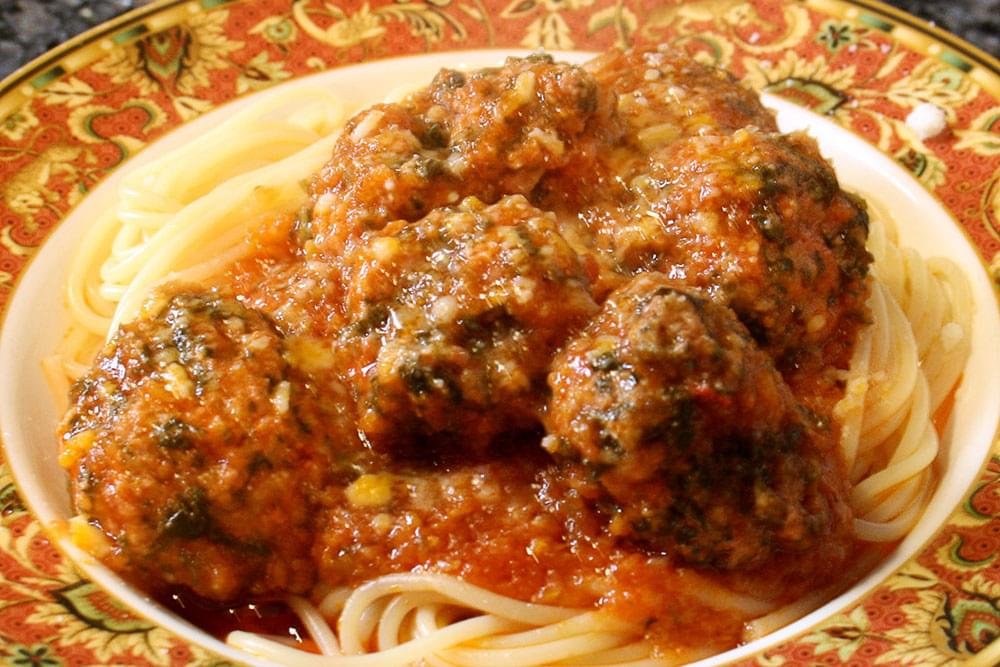
Then comes the 'primo' or pasta course which is also eaten with bread. All the carbohydrates are consumed first leaving the protein to be eaten on its own in the next course.
Secondo:
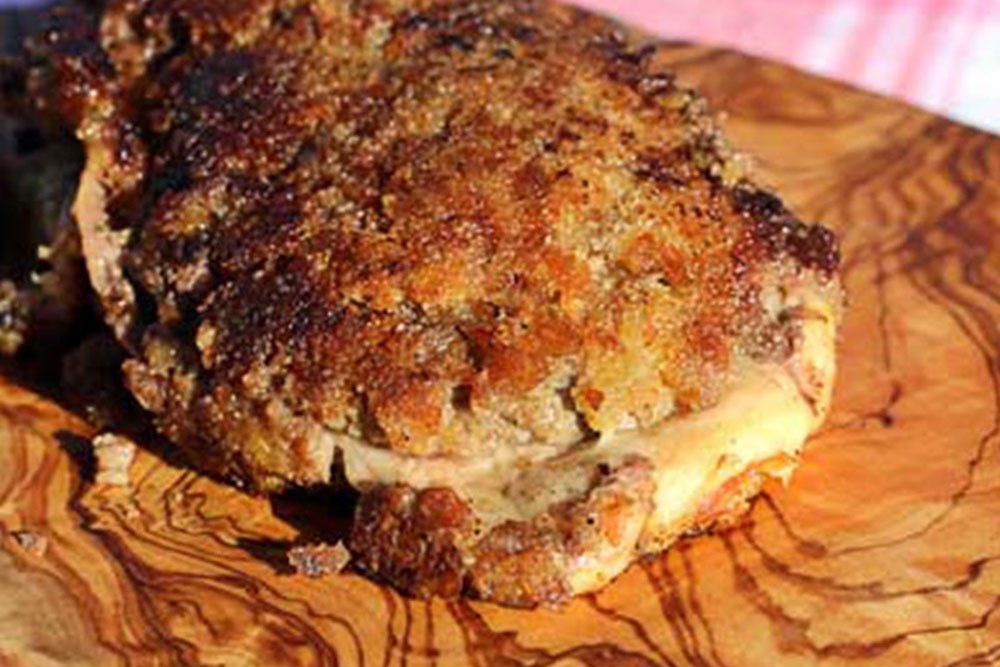
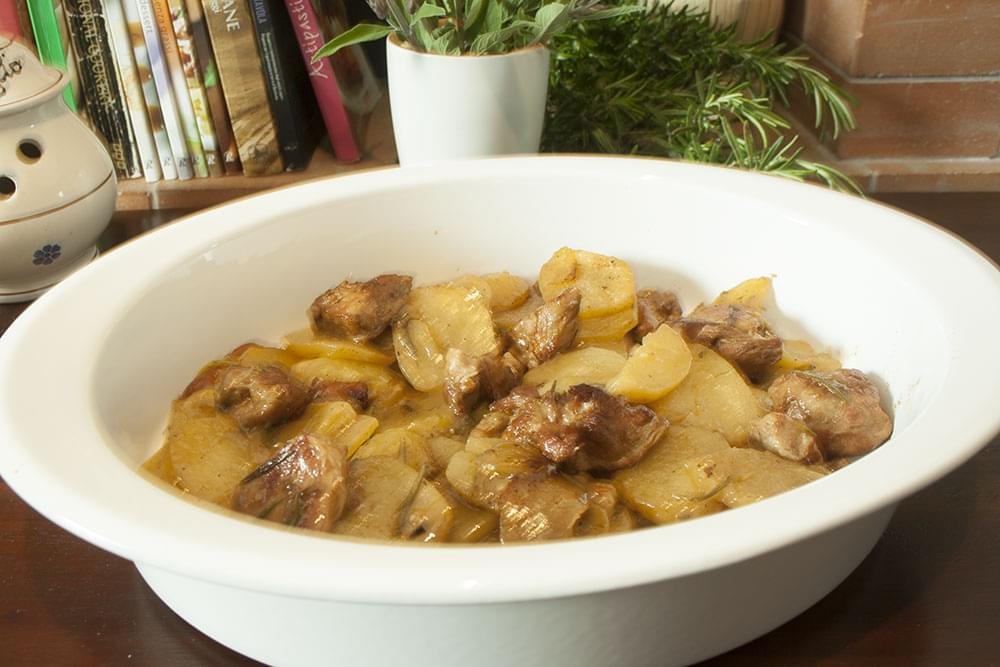
The 'secondo' is a piece of fresh meat or fish which will have been simply grilled and is served with lemon. This will be accompanied with either cold, grilled vegetables dribbled with olive oil or a simple salad with olive oil and salt. In some parts of Italy there may also be fried potatoes.
Dolce:
The fourth course is 'dolce' which means sweet. Alternatively, there's a selection of fresh fruits in season but for special events or large gatherings plates of little cakes from the local bakers will be eaten too.
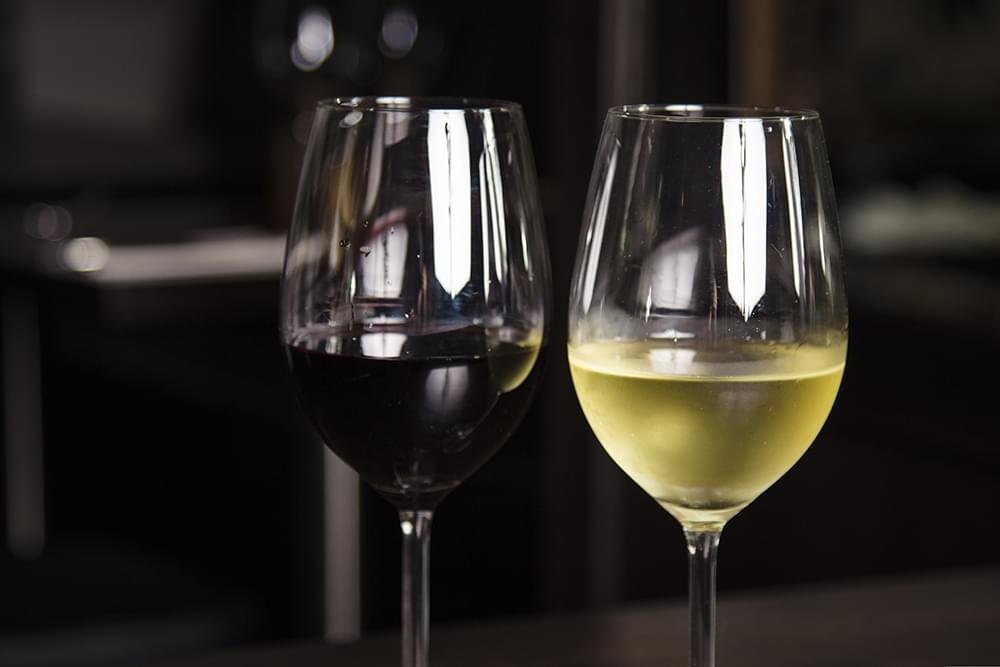
All of this is washed down with jugs of local wine and plenty of water.
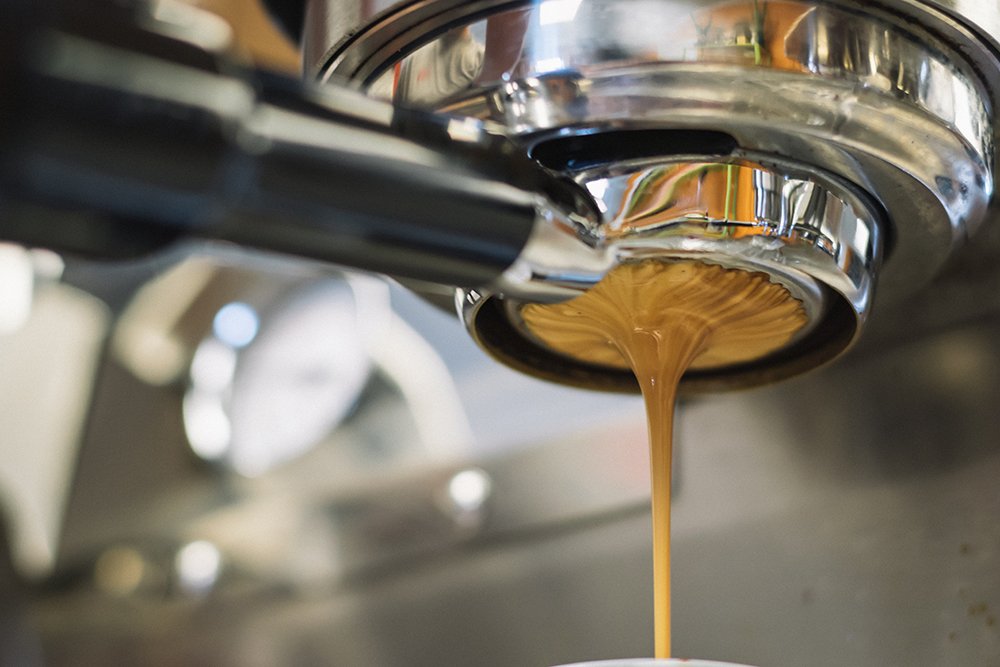
The meal finishes with a cup of good, strong, Italian coffee followed by a glass of grappa (usually only the men) or another digestivo such as limoncello, ameretto, mirto or a liquer which is a speciality of the region.
This may all seem like rather a lot of food but you need to remember that meals of this type last for around four hours. There are long gaps inbetween the courses with lots of chatting, playing with children and generally just enjoying the event. No one is in a hurry and the food is simple to prepare leaving everyone free to join in.
In Italy, things are changing, particularly in the north, but traditionally, food and the eating of it is a family affair. Entertaining friends at home is not the normal way of life and daily meals are for the immediate family with Sunday being reserved for larger family gatherings. In the south, little has changed and the meal structure and the food itself remain untouched. The long lunch hour, often up to four hours, still exists and the main meal of the day is eaten at this time. During the week it is usual to only have two courses but on Sunday or other special occasions the full four courses will be enjoyed by an extended family.
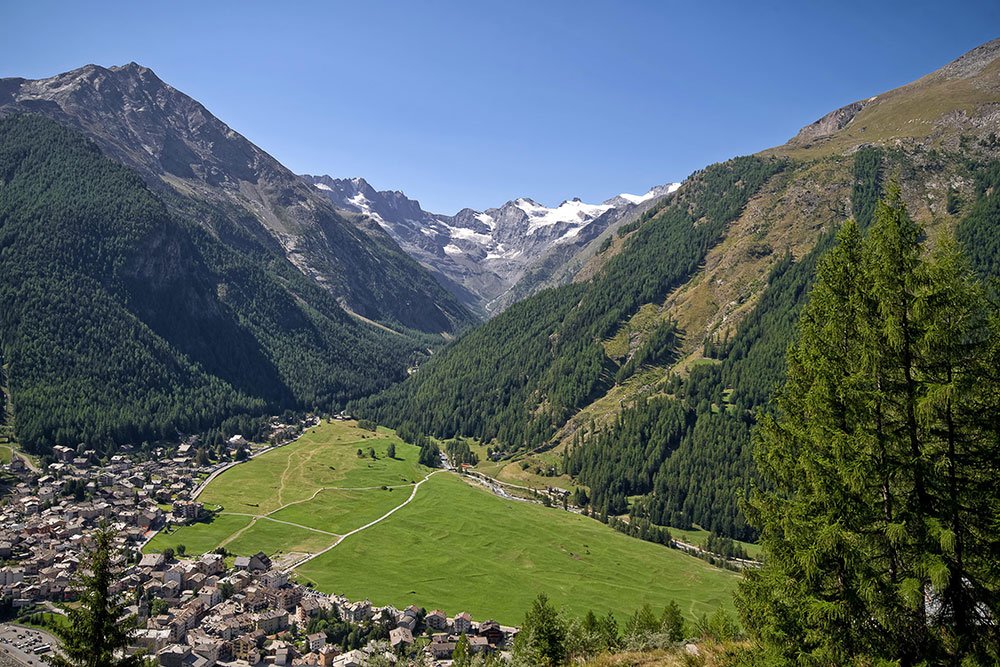
Due to the fact that Italy is a relatively new country and the individual regions had little contact with each other before this the food is very different from one region to the next. Added to this there is the geography, Italy is a long, narrow country with vast areas being very mountainous. The northern regions share a border with France, Switzerland, Austria and Slovenia, all of which greatly affect the cuisine. In the south, particularly in Sicily, the proximity of Africa and the warmer climate means that more exotic products can be grown and the local foods are spicier than elsewhere in Italy.
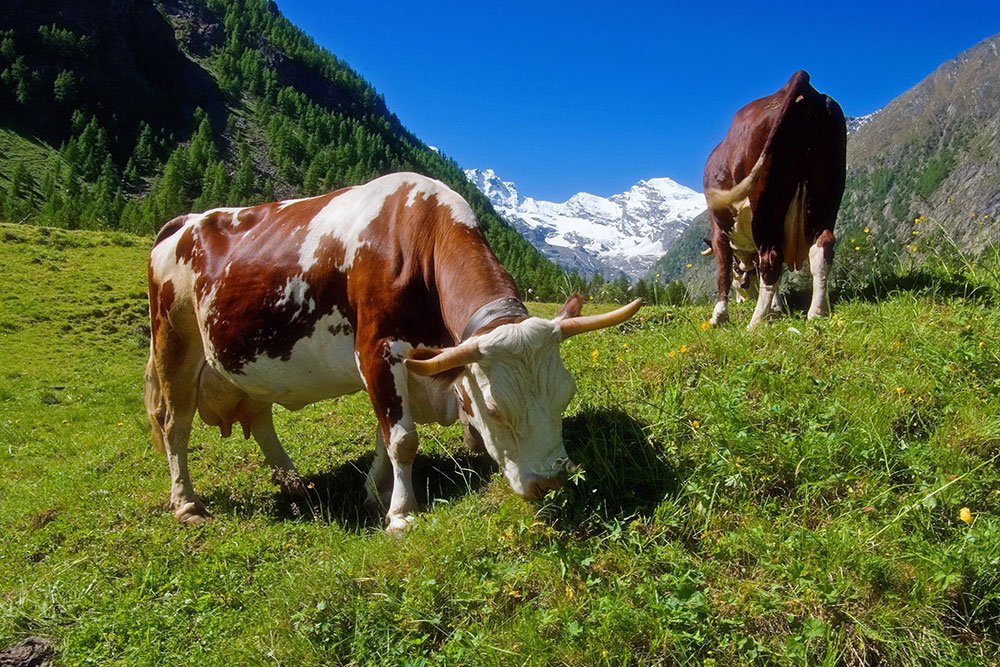
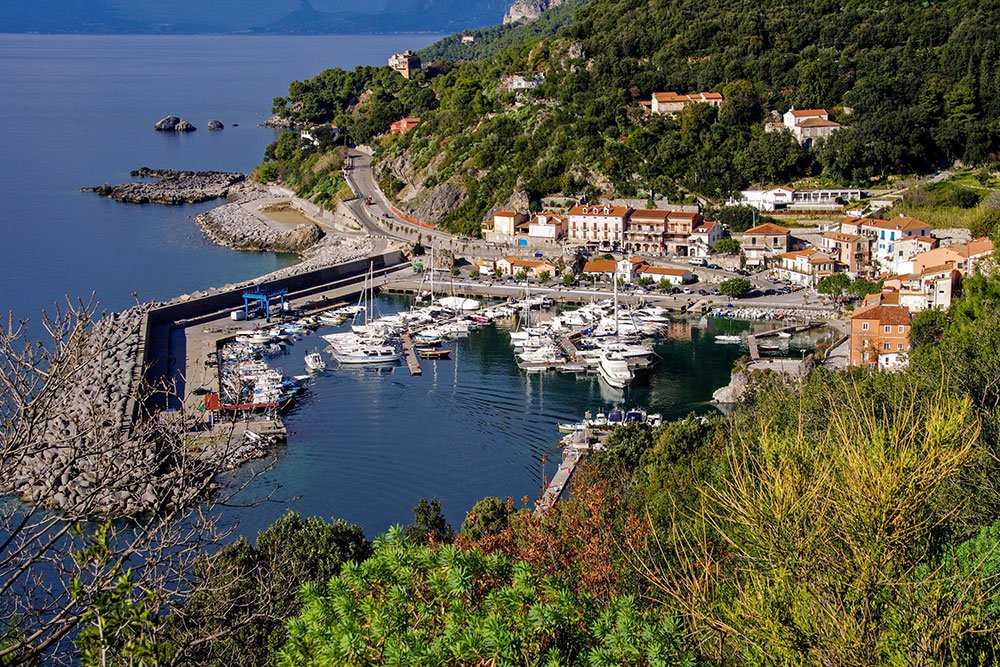
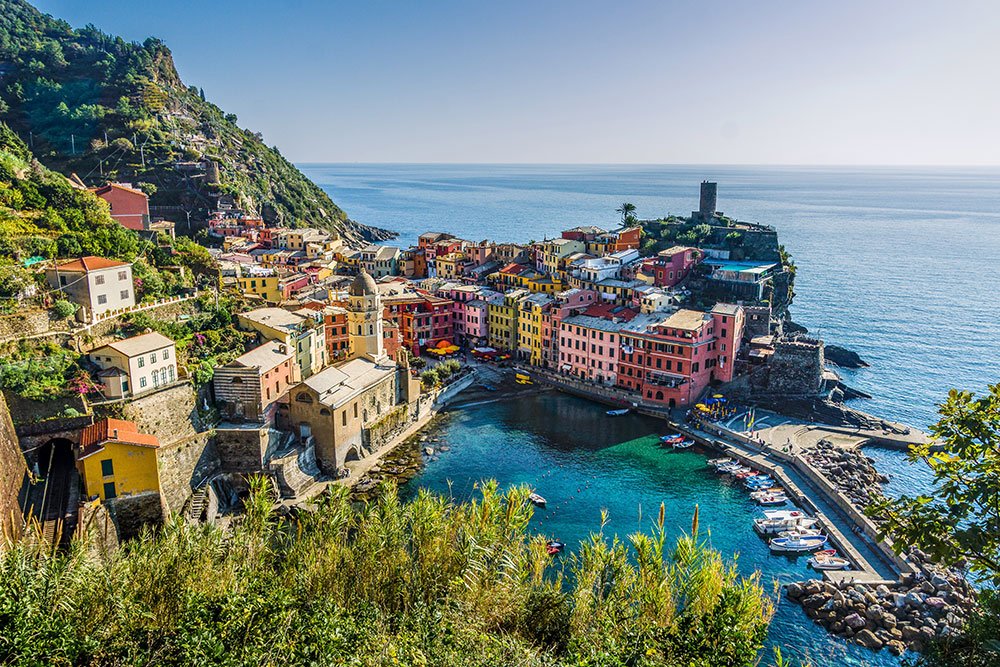
All along the coast fish is the main diet, but inland, particularly in the mountains, meat is the staple diet, particularly pork and lamb and goat. It is also very general for Italians to only eat and cook with what can be grown locally which also adds to the diversity of the recipes. In each region there is a local pride, mixed with quite a lot of unwillingness, to try food from any of the other regions, even if it is only a few kilometres across the border. Italians like to eat what they are used to and that is that, nothing will make them try anything different. Anyone who watched the excellent Jamie Oliver series 'Jamie's Great Italian Escape' will be very aware of this.

True Italian food is actually very simple and made only from fresh ingredients that are in season. Rarely do meals have heavy sauces or spices to mask the taste of the fresh produce. A typical Italian meal is fairly rigid in construction and the four courses are what you would expect to get in any local restaurant.

Antipasto:
The meal starts with 'antipasto' which usually consists of local meats and cheeses but on special occasions will be an endless stream of tasty little dishes made mainly from vegetables and sometimes fish. In addition to sun dried tomatoes, olives and grilled aubergines vegetables are stuffed and baked, courgette flowers are stuffed and fried and frittata, bruschetta, and small tarts come in varying sizes and combinations. This is all eaten with freshly baked, crusty homemade bread.

Primo:
Then comes the 'primo' or pasta course which is also eaten with bread. All the carbohydrates are consumed first leaving the protein to be eaten on its own in the next course.

Secondo:
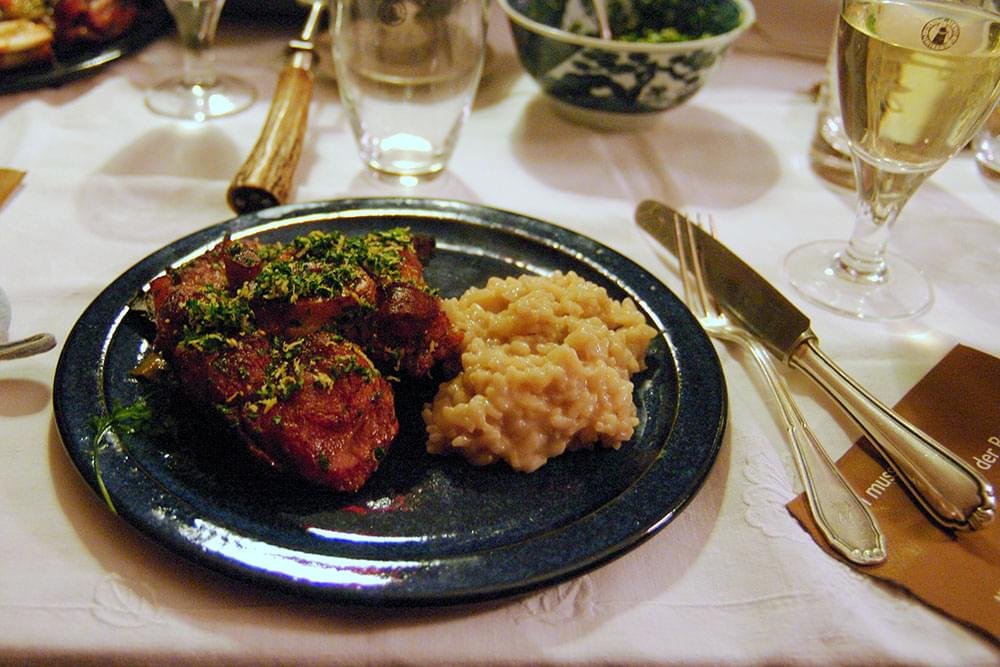
The 'secondo' is a piece of fresh meat or fish which will have been simply grilled and is served with lemon. This will be accompanied with either cold, grilled vegetables dribbled with olive oil or a simple salad with olive oil and salt. In some parts of Italy there may also be fried potatoes.

Dolce:
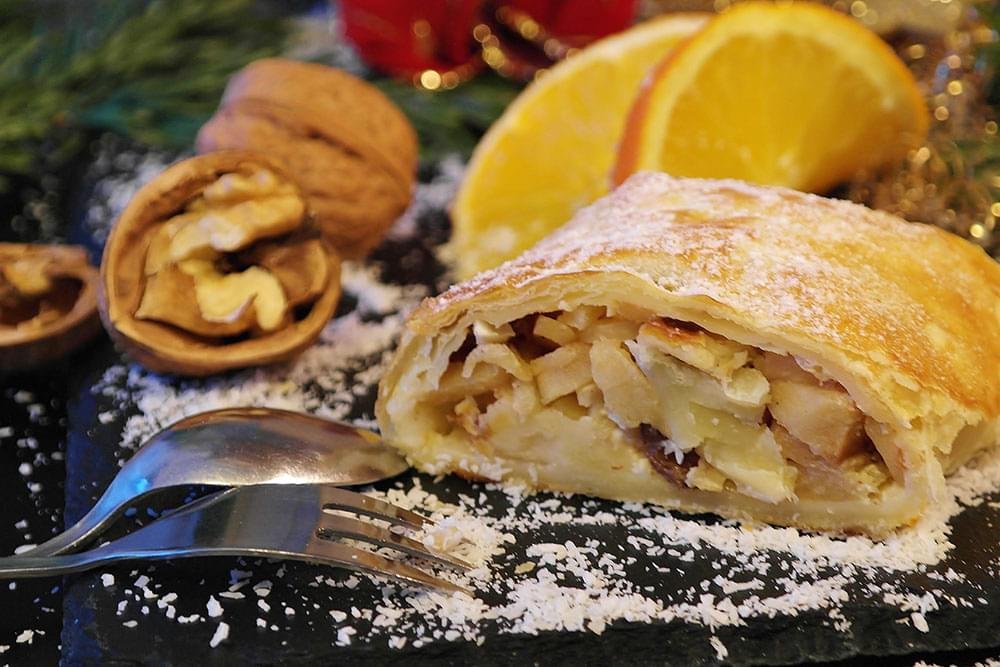
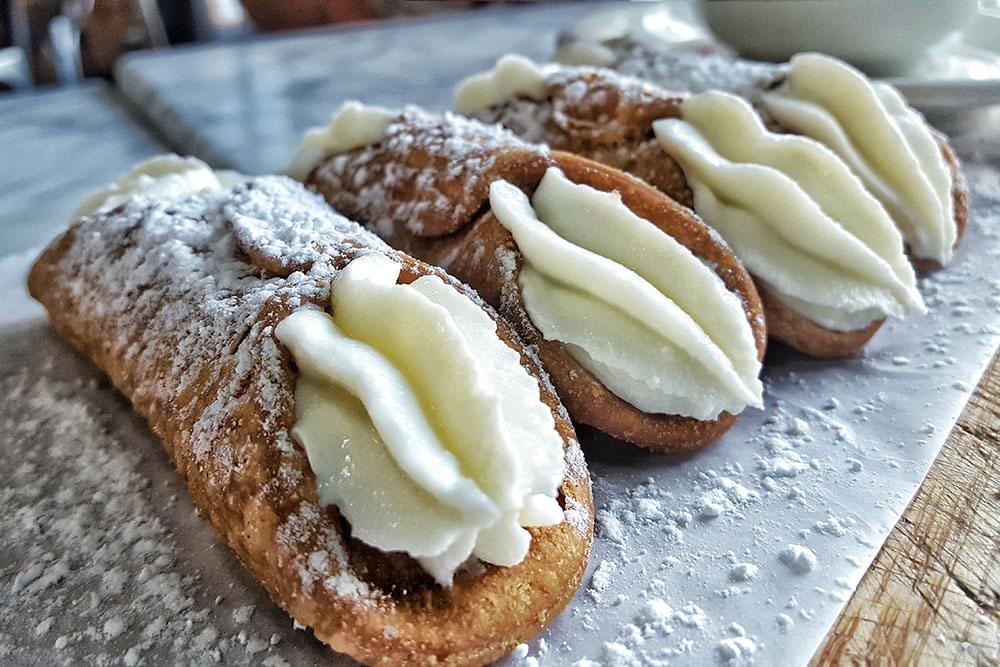
The fourth course is 'dolce' which means sweet. Alternatively, there's a selection of fresh fruits in season but for special events or large gatherings plates of little cakes from the local bakers will be eaten too.
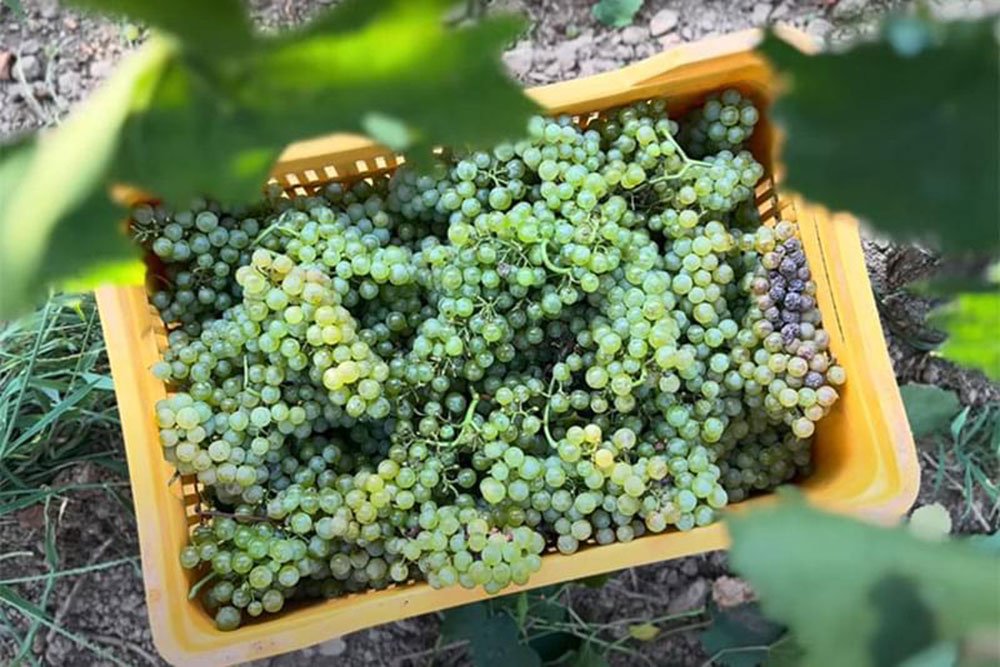
All of this is washed down with jugs of local wine and plenty of water.
The meal finishes with a cup of good, strong, Italian coffee followed by a glass of grappa (usually only the men) or another digestivo such as limoncello, ameretto, mirto or a liquer which is a speciality of the region.
This may all seem like rather a lot of food but you need to remember that meals of this type last for around four hours. There are long gaps inbetween the courses with lots of chatting, playing with children and generally just enjoying the event. No one is in a hurry and the food is simple to prepare leaving everyone free to join in.
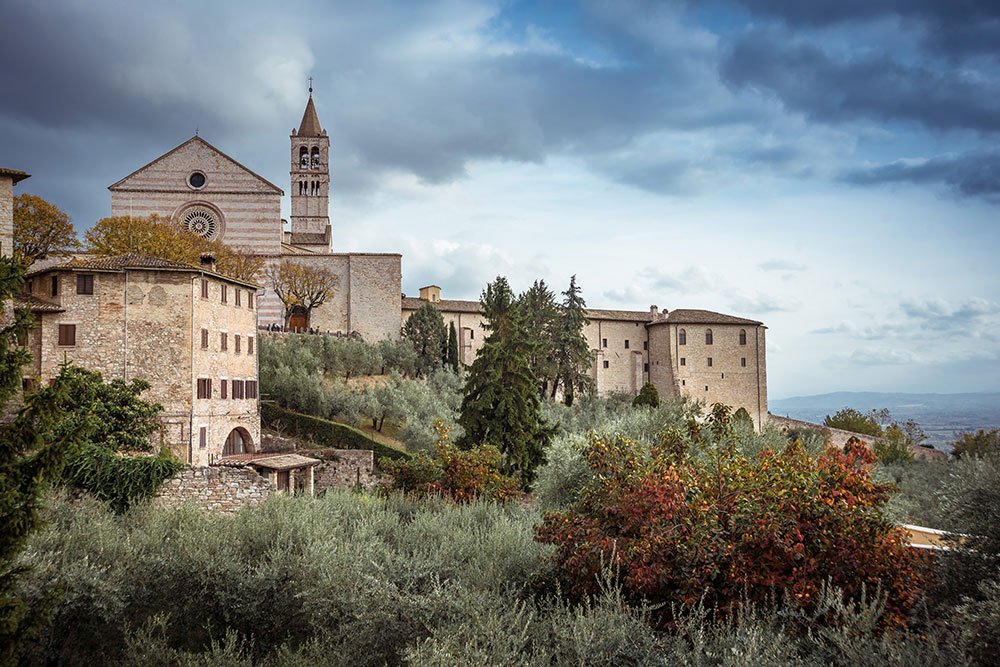
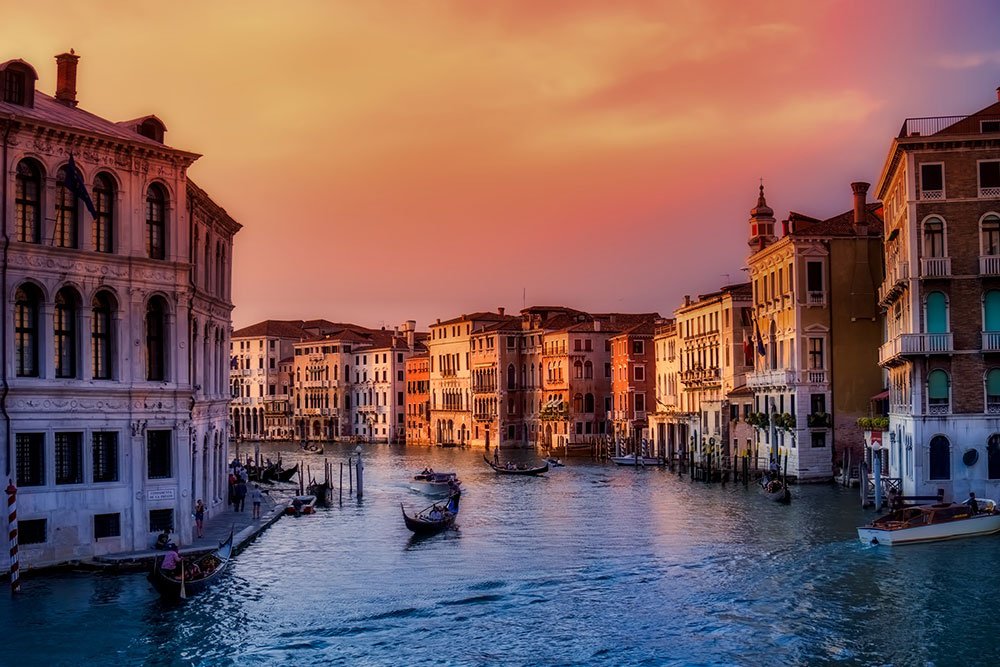
In Italy, things are changing, particularly in the north, but traditionally, food and the eating of it is a family affair. Entertaining friends at home is not the normal way of life and daily meals are for the immediate family with Sunday being reserved for larger family gatherings. In the south, little has changed and the meal structure and the food itself remain untouched. The long lunch hour, often up to four hours, still exists and the main meal of the day is eaten at this time. During the week it is usual to only have two courses but on Sunday or other special occasions the full four courses will be enjoyed by an extended family.
Due to the fact that Italy is a relatively new country and the individual regions had little contact with each other before this the food is very different from one region to the next. Added to this there is the geography, Italy is a long, narrow country with vast areas being very mountainous. The northern regions share a border with France, Switzerland, Austria and Slovenia, all of which greatly affect the cuisine. In the south, particularly in Sicily, the proximity of Africa and the warmer climate means that more exotic products can be grown and the local foods are spicier than elsewhere in Italy.
All along the coast fish is the main diet, but inland, particularly in the mountains, meat is the staple diet, particularly pork and lamb and goat. It is also very general for Italians to only eat and cook with what can be grown locally which also adds to the diversity of the recipes. In each region there is a local pride, mixed with quite a lot of unwillingness, to try food from any of the other regions, even if it is only a few kilometres across the border. Italians like to eat what they are used to and that is that, nothing will make them try anything different. Anyone who watched the excellent Jamie Oliver series 'Jamie's Great Italian Escape' will be very aware of this.
Profile
Profile of Italy : History of Italy : The Italian Flag : Italian National Anthem : Italian Culture : Italian Geography : Climate of Italy : Earthquakes in Italy
Government : The First Republic : The Years of Lead : The Second Republic : Italian Media : Italian Education System : Italian Healthcare System : Cosa Nostra
Camorra : 'Ndrangheta : Sacra Corona : News - Sara Scazzi : News - Naples Rubbish : Silvio Berlusconi : Giotto : Carlo Levi : Giacomo Puccini
Snakes in Italy - Introduction : Snakes in Italy - Whip Snake : Theatre - Commedia del Arte : Italian Cinema
Regions
Regions of Italy : Abruzzo : Aosta Valley : Basilicata : Calabria : Campania : Emilia-Romagna : Friuli-Venezia Giulia : Lazio : Liguria : Lombardy : Marche
Molise : Piedmont : Puglia : Sardinia : Sicily : Trentino-Alto Adige : Tuscany : Umbria : Veneto
Places
Aeolian Islands : Amalfi Coast : Aosta : Argentario : Baroque Sicily : Bologna : Catanzaro : Chiantishire : Cinque Terre : Costa Smeralda : Florence : Garfagnana
Lauria : Lucca : Maratea : Maremma : Milan : Pompei : Porto Ercole : Porto Santo Stefano : Rome : Sapri : Trento : Tropea : Trieste : Turin : Tuscan Islands
Vatican City : Venice : Viareggio
Visiting Italy
Visiting Italy : Italian Airports : Getting Around Italy : Weddings in Italy : Golf in Italy : Sailing in Italy : Italian Tourist Websites : Useful Italian Phrases
Viareggio Carnival : Puccini Festival : Festival of Sant' Efisio : Venice Carnival
Living in Italy
Living in Italy : Choosing an area to live : Finding Property : Buying property in Italy : Living Legally in Italy : Registering for School : Registering for Healthcare
Italian Tax System : Italian Recipes - Passata : Motoring in Italy
Italian Food
Italian Food : Food of Abruzzo : Food of Aosta Valley : Food of Basilicata : Food of Calabria : Food of Campania : Food of Emilia-Romagna
Food of Friuli-Venezia Giulia : Food of Lazio : Food of Liguria : Food of Lombardy : Food of Marche : Food of Molise : Food of Piedmont : Food of Puglia
Food of Sardinia : Food of Sicily : Food of Trentino-Alto Adige : Food of Tuscany : Food of Umbria : Food of Veneto