Mount Stromboli
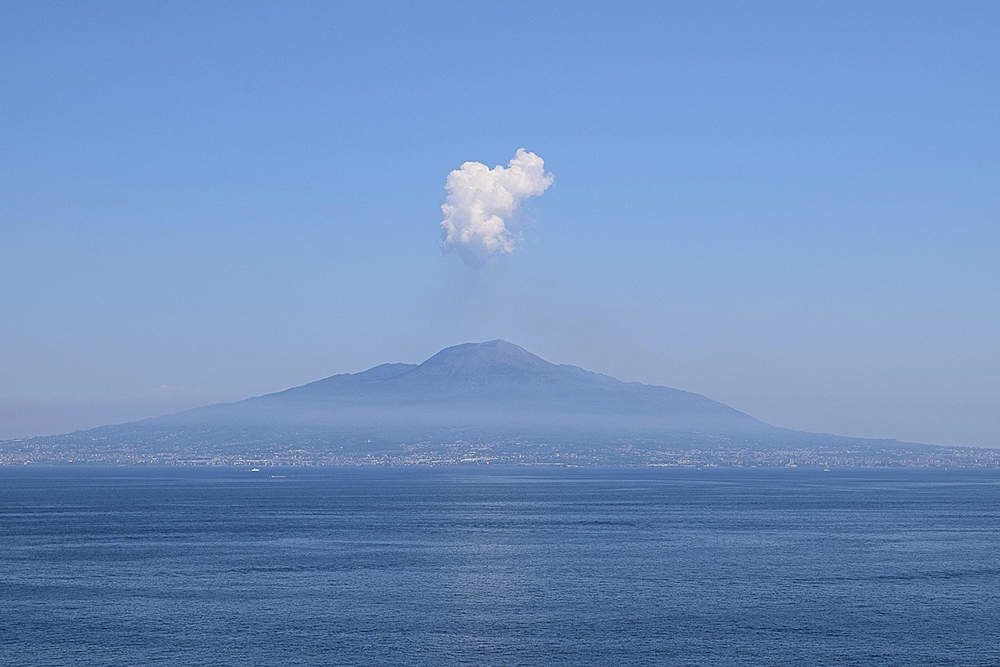
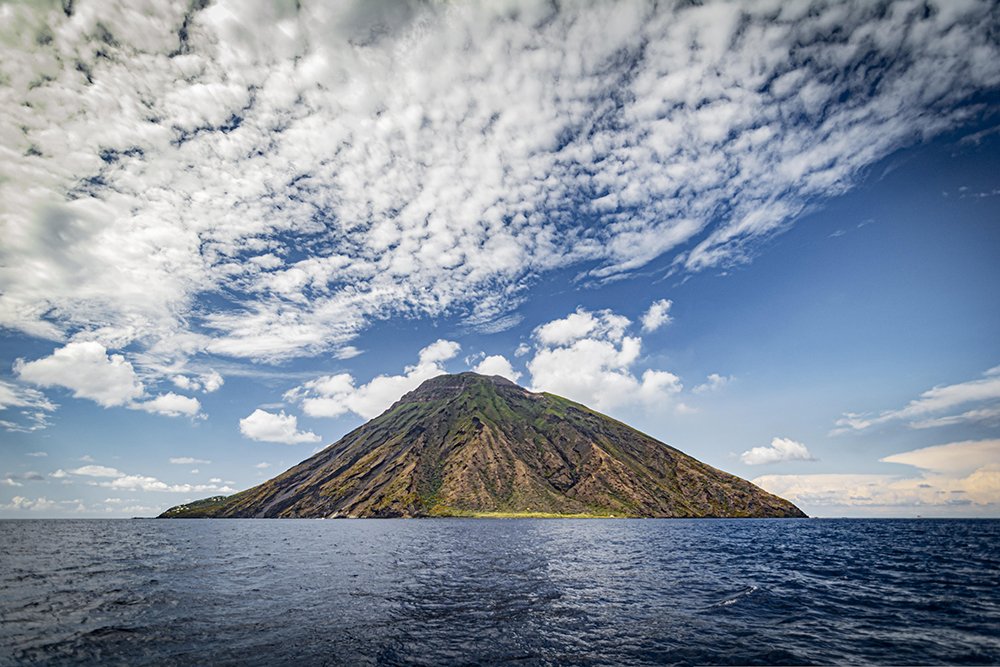
Mount Stromboli, often referred to as the "Lighthouse of the Mediterranean," is one of the world's most active volcanoes and an iconic natural wonder located in the Tyrrhenian Sea, off the northern coast of Sicily, Italy. This volcanic island has captivated the imaginations of travelers, scientists, and adventure-seekers for centuries. In this article, we will take a deep dive into the enigmatic beauty of Mount Stromboli, exploring its geological significance, unique characteristics, eruptions, and the allure it holds for those who venture to visit.
Geological Significance
Mount Stromboli is a stratovolcano, similar in shape and eruptive style to its famous counterpart, Mount Etna. Stratovolcanoes are known for their steep, conical shape and explosive eruptions. What sets Stromboli apart is its nearly constant low-level activity, characterized by frequent small eruptions and the ejection of incandescent volcanic bombs.
Geologically, Mount Stromboli is part of the Aeolian Islands, a volcanic archipelago in the Tyrrhenian Sea. It is one of the eight islands in this chain and represents one of the most accessible and active volcanoes on Earth. The island itself is a result of the accumulation of volcanic material from numerous eruptions over thousands of years.
Unique Characteristics
What makes Mount Stromboli truly unique is its persistent and predictable volcanic activity. Unlike many volcanoes that exhibit sporadic and unpredictable eruptions, Stromboli has been in nearly continuous eruption for over two millennia. This earned it the nickname "Lighthouse of the Mediterranean" as its frequent eruptions can be seen from miles away, often resembling a glowing beacon in the night sky.
The characteristic eruptions at Stromboli are termed "Strombolian eruptions." These eruptions are characterized by the expulsion of incandescent lava fragments, ash, and volcanic gases from the volcano's summit vent. The lava fragments, known as volcanic bombs, are propelled into the air before cascading back down the slopes. The frequent eruptions, while relatively small in scale, create a mesmerizing and surreal spectacle, especially when observed after dark.
Eruptions and Safety Measures
Despite its frequent eruptions, Mount Stromboli is not considered as dangerous as some other volcanoes due to its relatively low level of explosivity. However, it is not without risks, and local authorities have implemented safety measures to protect residents and visitors.
In July 2019, a significant eruption occurred, leading to the tragic death of a hiker and prompting authorities to increase safety measures. As a result, access to certain areas on the island, especially the summit craters, may be restricted during periods of heightened volcanic activity. It is essential for visitors to heed warnings and follow the guidance of local authorities and expert volcanologists when exploring the island.
Visiting Mount Stromboli
For adventurous travelers and nature enthusiasts, visiting Mount Stromboli is an unforgettable experience. The island is accessible by ferry from Sicily and is a popular destination for tourists looking to witness its unique volcanic activity.
One of the main attractions on the island is the hike to the summit of Stromboli. Guided tours are available for those interested in making the ascent. The hike can be challenging, with steep terrain and loose volcanic rock, but the reward is well worth the effort. Watching the eruptions from the summit as the sun sets over the Mediterranean is a once-in-a-lifetime experience.
Apart from hiking, visitors can explore the charming village of Stromboli, located on the island's northeastern coast. The village offers a relaxed atmosphere, traditional Mediterranean cuisine, and opportunities to unwind on the island's beautiful beaches.
The Allure of Mount Stromboli
The allure of Mount Stromboli lies in its mystical and awe-inspiring nature. The volcano's rhythmic eruptions create an otherworldly ambiance, and the island's isolation in the Mediterranean adds to its mystique. It has been a source of inspiration for artists, writers, and filmmakers for centuries.
One of the most famous portrayals of Stromboli is in the 1950 film "Stromboli, Terra di Dio" directed by Roberto Rossellini and starring Ingrid Bergman. The film captures the stark beauty and raw power of the volcano and tells the story of a woman's struggle to adapt to life on the island.
In literature, Stromboli has been a subject of fascination for writers like Jules Verne, who featured it in his novel "Journey to the Center of the Earth." The island's unique natural beauty and volcanic activity have left an indelible mark on the creative world.
Conclusion
Mount Stromboli is a testament to the captivating and unpredictable forces of nature. Its nearly constant eruptions, unique characteristics, and stunning landscapes make it an extraordinary destination for those who seek adventure and natural beauty. While visiting Stromboli requires careful planning and respect for safety measures, the experience of witnessing this living, breathing volcano is a memory that will last a lifetime. Whether you're a geology enthusiast, a lover of unique landscapes, or simply a traveler seeking a one-of-a-kind experience, Mount Stromboli offers an unparalleled journey into the heart of the Earth's natural wonders.