
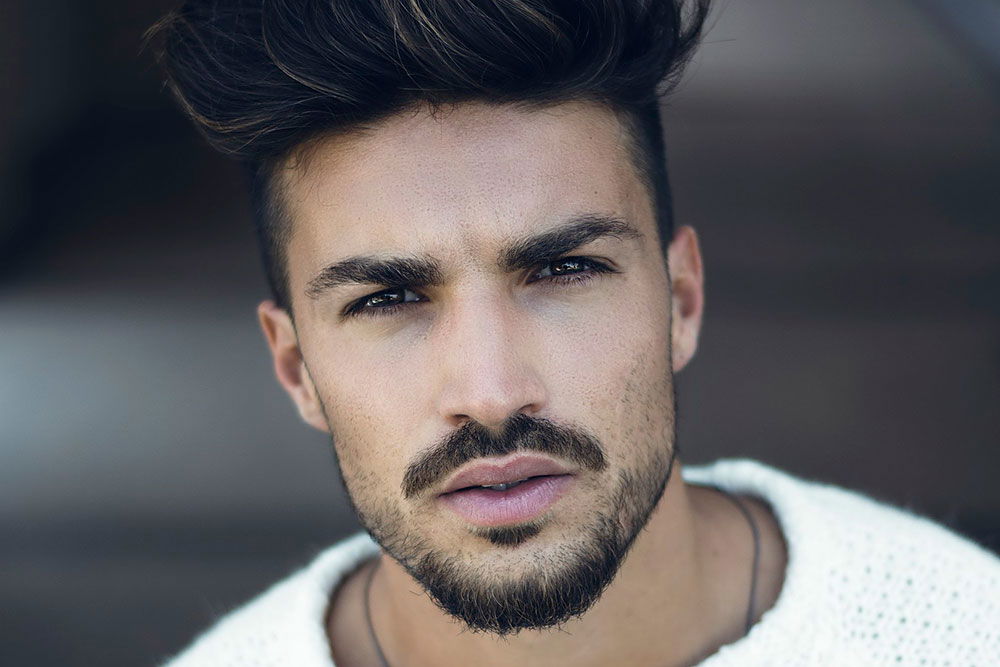
Mariano Di Vaio
Mariano Di Vaio, born on May 9, 1989, in Assisi, Italy, is a multifaceted personality known for his contributions to fashion, entrepreneurship, and entertainment. His journey from a small-town boy to an international style icon is a testament to his ambition, creativity, and business acumen.
Early Life and Career Beginnings
At 18, Di Vaio left Italy to pursue modeling in London, followed by acting studies at the New York Film Academy in New York City. His early experiences laid the foundation for a career that would soon transcend traditional modeling.
Rise to Fame: MDV Style and Brand Collaborations
In 2012, Di Vaio launched his blog, MDV Style, focusing on men's fashion, lifestyle, and personal experiences. The blog quickly gained popularity, establishing him as a leading fashion influencer. His impeccable style caught the attention of luxury brands, leading to collaborations with Dolce & Gabbana, Hugo Boss, and Calvin Klein.
Entrepreneurial Ventures
Leveraging his online presence, Di Vaio ventured into entrepreneurship with the launch of MDV Jewels, MDV Shoes, and MDV Eyewear. He also co-founded NoHow, an e-commerce platform offering a curated selection of fashion items. These ventures reflect his keen eye for design and understanding of market trends.
Acting and Media Appearances
Expanding his repertoire, Di Vaio made his acting debut in the Hollywood film "Deported" (2016) and appeared in "State of Consciousness" (2022). He also served as a mentor on the Italian talent show "Selfie – Le cose cambiano" in 2016.
Personal Life
In September 2015, Di Vaio married Eleonora Brunacci, a lawyer and social media personality. The couple has four children: Nathan Leone, Leonardo Liam, Filiberto Noah, and Mia Annabelle. Di Vaio often shares glimpses of his family life on social media, emphasizing the importance of family values.
Accolades and Recognition
Di Vaio's influence in the fashion industry has been recognized with several awards, including GQ's "Best Digital Influencer" in 2018 and inclusion in Forbes Italy's "30 Under 30" list in 2018. His success story continues to inspire aspiring influencers and entrepreneurs worldwide.
Mariano Di Vaio's ascent from a fashion blogger to a global style icon is a testament to his strategic use of social media platforms. His digital presence has not only amplified his personal brand but also revolutionized the way fashion influencers engage with audiences worldwide.
Dominance on Instagram
With over 7 million followers on Instagram, Di Vaio has cemented his status as one of Italy's premier fashion influencers . His feed is a curated blend of sartorial elegance, family moments, and glimpses into his entrepreneurial ventures. This authentic portrayal resonates with a diverse audience, making his profile a go-to source for fashion inspiration.
Notably, a significant portion of his followers hail from the United States and Brazil, indicating his international appeal . His engagement rate, while modest, reflects a dedicated fanbase that actively interacts with his content.
Expanding Horizons: TikTok and YouTube
Recognizing the evolving digital landscape, Di Vaio has extended his reach to platforms like TikTok and YouTube. On TikTok, he shares behind-the-scenes content, fashion tips, and snippets of his daily life, further humanizing his brand. His YouTube channel delves deeper, offering in-depth fashion advice, travel vlogs, and entrepreneurial insights.
Influencer Collaborations and Brand Partnerships
Di Vaio's influential status has attracted collaborations with luxury brands such as Dolce & Gabbana, Hugo Boss, and Calvin Klein . These partnerships are not mere endorsements; they are synergistic relationships where his personal brand aligns seamlessly with the ethos of these fashion houses.
His role as a brand ambassador extends beyond fashion. By integrating products into his lifestyle content, he offers authentic narratives that resonate with his audience, thereby enhancing brand visibility and credibility.
Entrepreneurial Ventures Amplified by Social Media
Leveraging his online influence, Di Vaio has launched several successful ventures, including MDV Style, MDV Jewels, MDV Shoes, and MDV Eyewear. Social media serves as the primary marketing channel for these brands, allowing direct engagement with consumers and real-time feedback.
His e-commerce platform, NoHow, benefits immensely from his digital presence. By showcasing products in his daily posts, he drives traffic and fosters a community of fashion enthusiasts around his brand.
A Blueprint for Aspiring Influencers
Mariano Di Vaio's journey underscores the power of authentic content and strategic platform utilization. His ability to intertwine personal narratives with brand storytelling offers a blueprint for aspiring influencers aiming to build sustainable and impactful digital careers.
In an era where digital presence dictates brand success, Mariano Di Vaio exemplifies how authenticity, strategic collaborations, and diversified content can propel an individual to global stardom.


