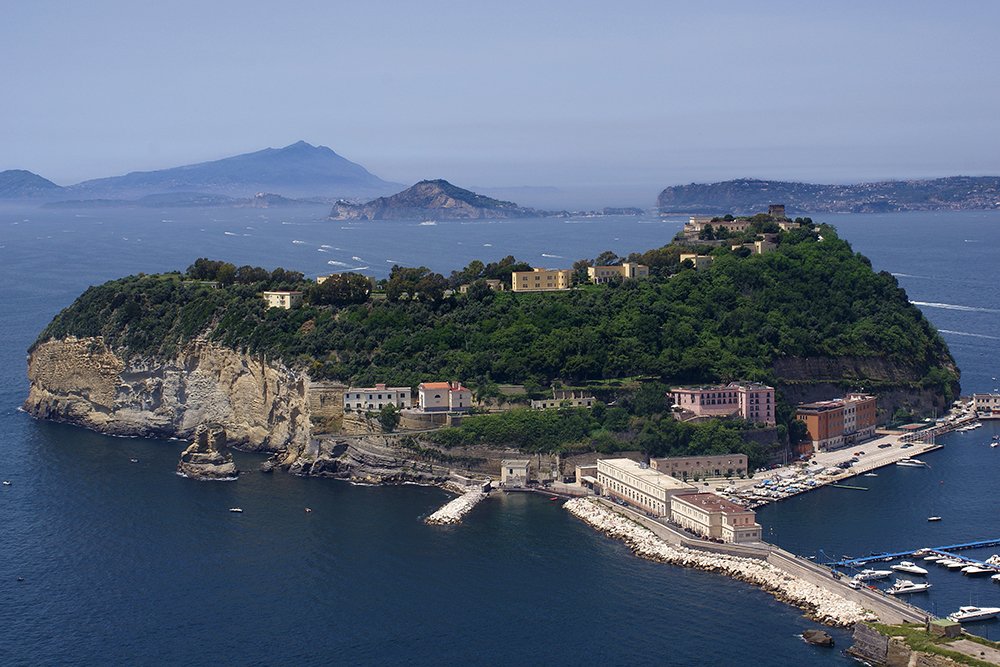
Campi Flegrei
If you're an adventurer at heart and have a fascination with geology, Campi Flegrei is a destination that should be on your bucket list. This captivating volcanic region, located in Italy, offers a unique blend of natural beauty, geological marvels, and a rich history that dates back centuries. In this article, we'll delve deep into the geological wonders and enigmatic mysteries of Campi Flegrei, uncovering its history, current status, and what makes it a must-visit destination for those seeking adventure and knowledge.
Campi Flegrei Geology: A Subterranean Wonderland
Campi Flegrei, often referred to as the Phlegraean Fields in English, is a vast volcanic area located west of Naples, Italy. The name "Campi Flegrei" translates to "Burning Fields," which is a fitting description for this region, considering its history of volcanic activity. But what makes this geological wonder so unique?
The Campi Flegrei is not a single volcano but a complex of multiple volcanic centers scattered across a roughly 13-kilometer-wide caldera, which is a large volcanic depression formed by the collapse of the land after a volcanic eruption. This caldera encompasses various volcanic features, including calderas, craters, and fumaroles, providing ample opportunities for geologists and adventure enthusiasts to explore.
One of the most iconic features of Campi Flegrei is the Solfatara, a shallow volcanic crater that showcases intense fumarolic activity. Here, visitors can witness the power of nature as steam and gas vents hiss and bubble from the Earth's depths. The sulfur-rich environment adds an eerie, otherworldly atmosphere to this geological marvel.
The geothermal activity in Campi Flegrei is a testament to the underlying volcanic forces at play. These hot springs, mud pots, and fumaroles serve as windows into the Earth's inner workings and provide invaluable insights for scientists studying volcanic processes.
Volcanic Activity in Italy: The Campi Flegrei Experience
Campi Flegrei's history of volcanic activity stretches back thousands of years. The most recent significant eruption occurred in 1538 when Monte Nuovo, a new volcano, formed in just a matter of days, reshaping the local landscape. This eruption serves as a reminder of the region's potential for volcanic unrest.
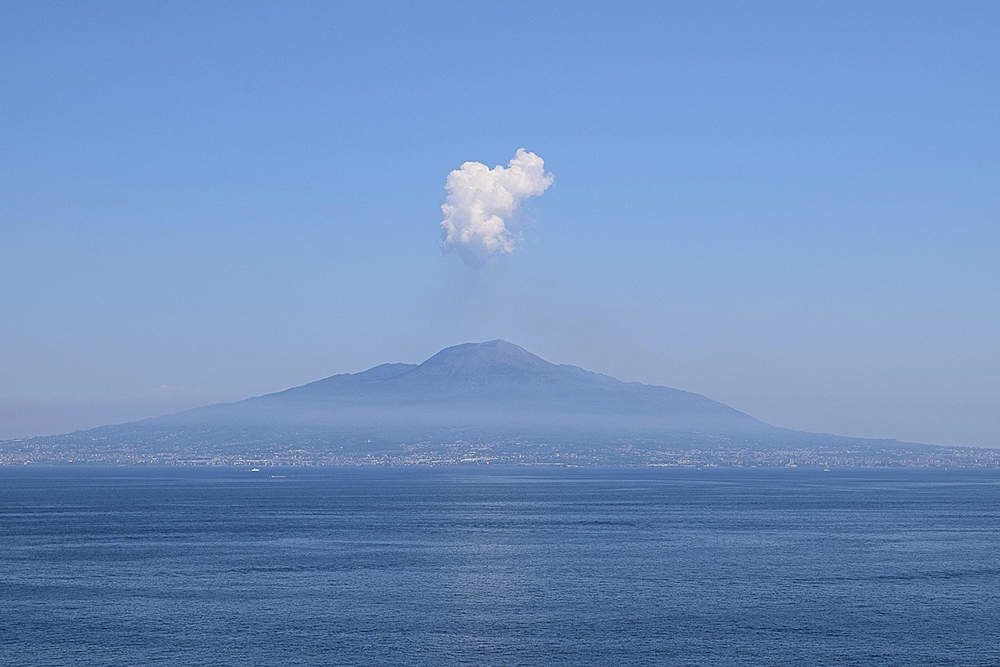
While Campi Flegrei has been relatively quiet in recent centuries, it remains one of the most closely monitored volcanic areas in the world due to its history of eruptions and its proximity to densely populated Naples. Scientists continuously study the region to understand the subtle signs of volcanic activity that could potentially pose risks to the local population.
Recent geological studies have revealed ground uplift in some areas of Campi Flegrei, suggesting that magma might be rising beneath the surface. This phenomenon has raised concerns about the potential for future eruptions. However, predicting volcanic eruptions is an incredibly complex task, and scientists are working diligently to monitor and assess the situation.
Campi Flegrei History: A Journey Through Time
Beyond its geological wonders, Campi Flegrei boasts a rich history that has fascinated scholars and explorers for centuries. The ancient Romans were well aware of the region's volcanic activity, and it played a significant role in their mythology and culture.
One of the most famous stories associated with Campi Flegrei is the myth of the hero Aeneas, who, according to legend, traveled to the underworld through a cave near Lake Avernus, one of the region's volcanic features. This connection to the underworld adds an aura of mystery and intrigue to Campi Flegrei's history.
In more recent times, the region has been a source of inspiration for artists and writers. The Italian poet Giacomo Leopardi wrote about the desolation and eerie beauty of the Solfatara in his famous poem "To the Moon." The unique landscape of Campi Flegrei continues to captivate the imaginations of those who visit.
Exploring Naples Volcanoes: A Must-Visit Destination
Campi Flegrei is not only a geological wonder but also a tourist destination that offers a range of activities for visitors. Exploring this volcanic region is an adventure like no other, with opportunities for hiking, geothermal baths, and guided tours of the most notable volcanic features.
For those interested in the geological aspects of the region, guided tours led by knowledgeable experts provide valuable insights into the volcanic processes at work in Campi Flegrei. Visitors can witness bubbling mud pots, smell the sulfuric gases, and learn about the ongoing research and monitoring efforts that aim to understand the region's volcanic activity.
Nature enthusiasts will appreciate the diverse flora and fauna that thrive in the unique environment created by volcanic activity. The volcanic soils of Campi Flegrei have contributed to the growth of rare plant species, making it a fascinating destination for botanists and ecologists.
Additionally, the nearby city of Naples offers a vibrant cultural scene and world-class cuisine, making it an ideal base for exploring Campi Flegrei and the surrounding region. From Naples, it's easy to take day trips to Pompeii, Herculaneum, and other archaeological sites that provide further insights into the history of the region.
Recent volcanic activity in Campi Flegrei
The latest activity in the Campi Flegrei, also known as the Phlegrean Fields, a supervolcano located near Naples, Italy, has been marked by increased seismic activity and indications of geological unrest. Here are the key points:
Recent Earthquakes
Towards the end of 2023, there were 18 small earthquakes with magnitudes ranging from 1.0 to 1.7 near the Campi Flegrei volcano in a single week.
Weakening Crust
A study conducted by University College London (UCL) and Italy’s National Research Institute for Geophysics and Volcanology (INGV) released on June 9, 2023, indicates that the crust of the Campi Flegrei volcano has become weaker and more prone to rupturing. The volcano, which last erupted in 1538, has been showing signs of unrest for over 70 years, with occasional spikes in activity.
Increased Risk of Eruption
According to a report from University College London, the Campi Flegrei volcano is moving closer to a potential eruption.
Current Volcanic Status
Campi Flegrei is categorized under "unrest, new activity" and is considered one of the most active volcanoes globally. It is located near Naples and beneath the islands of Capri and Ischia.
Seismic Swarm
As of October 3, 2023, a seismic swarm was occurring beneath the Campi Flegrei caldera, further indicating ongoing unrest within the volcanic system.
These developments suggest a heightened level of geological activity at Campi Flegrei, warranting close monitoring by scientists and authorities due to the potential risks associated with a supervolcano.
Conclusion: Embrace the Mysteries of Campi Flegrei
Campi Flegrei is a testament to the power and beauty of the Earth's geological processes. It's a place where history, mythology, and science converge to create a truly unique destination. While the region's volcanic activity presents potential hazards, the opportunity to witness and learn from this geological wonder is an experience like no other.
Whether you're a geology enthusiast, an adventurer seeking new horizons, or simply someone with a thirst for knowledge and wonder, Campi Flegrei offers an unforgettable journey into the Earth's depths. Explore its geology, delve into its history, and immerse yourself in the captivating beauty of this volcanic wonderland. Campi Flegrei is waiting to share its secrets and mysteries with those who dare to explore its enigmatic terrain.