Under a Sardinian Sky
I'd like to get something straight before I begin my foray into musings about my beloved isle of Sardinia. I'm an imposter, one of what those in JK Rowling's wizarding world refer to as a half-blood. I am only part magic. Only half of me can claim heritage in the mystical island of Sardinia, my mother's rugged homeland dotted with hidden treasures; crystalline coves, bays reachable only by boat or intrepid hikers, canyons, Phoenician ruins, Neolithic fortresses and sepulchres. I'm only part formed of a culture that still revers superstitions, a dabble in magic (both culinary and pagan) and an incessant need to over-feed any who step beyond the threshold of their home.

The other part, for better or for worse is British. This, by necessity points to an ingrained instinct to apologise (for everything / anything / people barging into me on the subway), a fear of speaking too loud in public places and maintaining a stranglehold on etiquette at all times. It's a vibrant mix. Thankfully, be it nature or nurture (the jury is still out on this old conundrum) I seem to have chosen a pick and mix of flavours to suit me best - much like standing before a vast buffet at a Sardinian wedding, the kind that stretch into the near distance on never ending tables and are heaving with enough nutrition to feed the Russian army (twice).
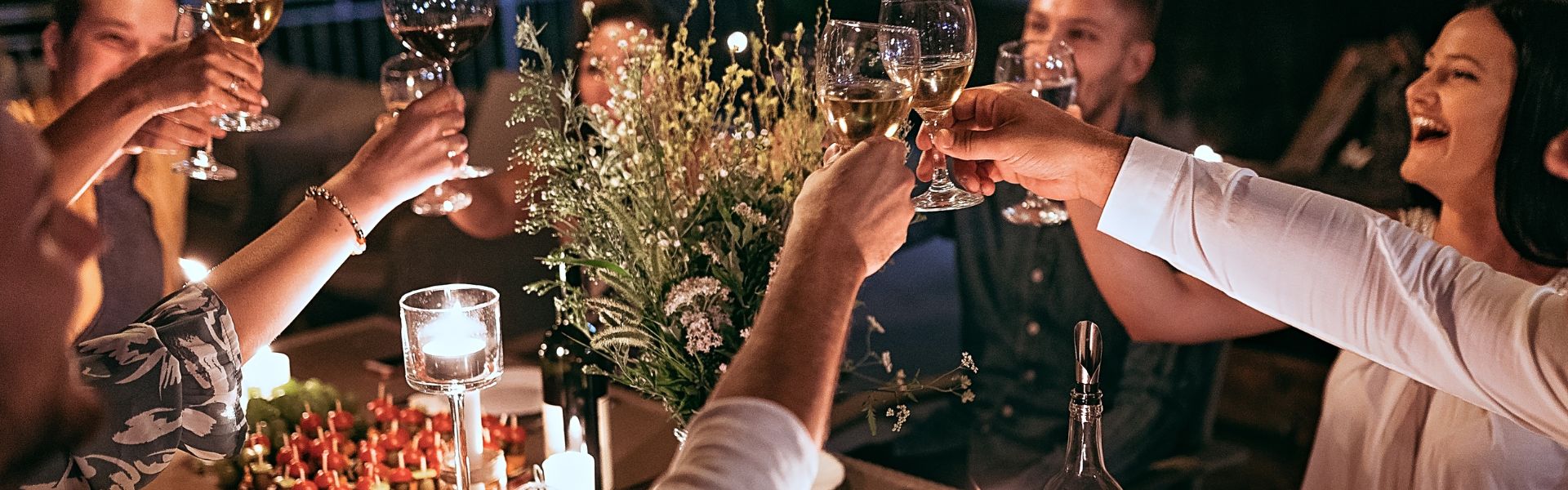
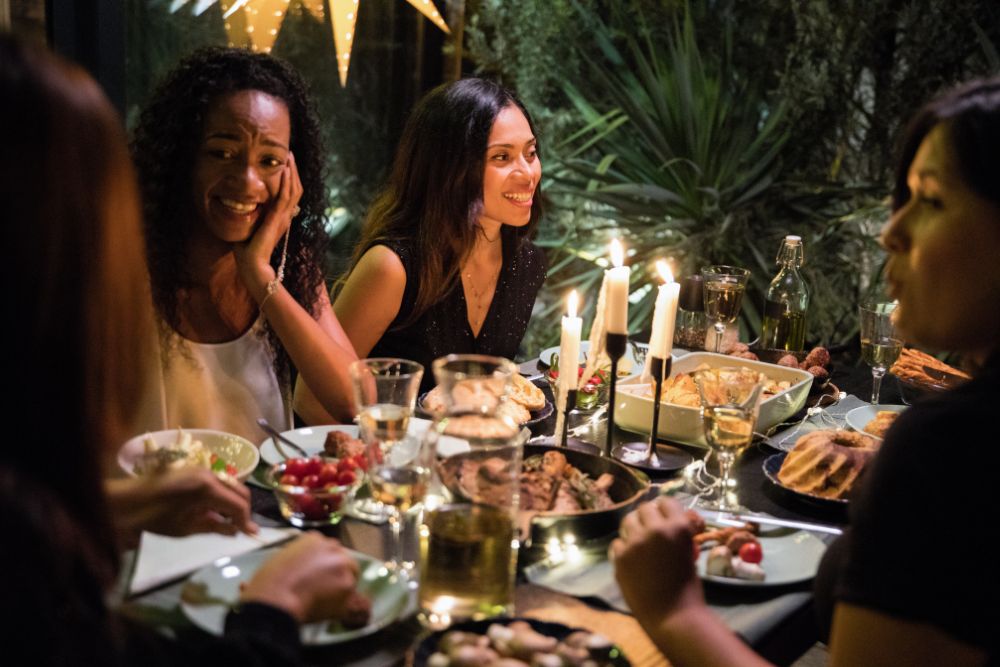
I am obsessed with food. I read about it, write about it, grow it, cook it, talk about it at every opportunity with the same fever an adolescent relives every passing expression of their latest crush. I have seasoned my debut novel, Under a Sardinian Sky, with plenty of it, using the many kitchen scenes to describe and prod the interior world of my protagonists. I have a passion for family and gathering hungry souls around my table that wade through hours of slow eating, loud stories, gaggles of children participating in every way.
I am however, able to see the world from differing points of view, something my wonderful Sardinian relatives are not always predisposed to doing, especially if they believe their dogged viewpoint is the most justified, accurate or righteous. Sardinians are well known for their stubborn natures and an alluring diffidence that serves to entice the outsider toward them even more.
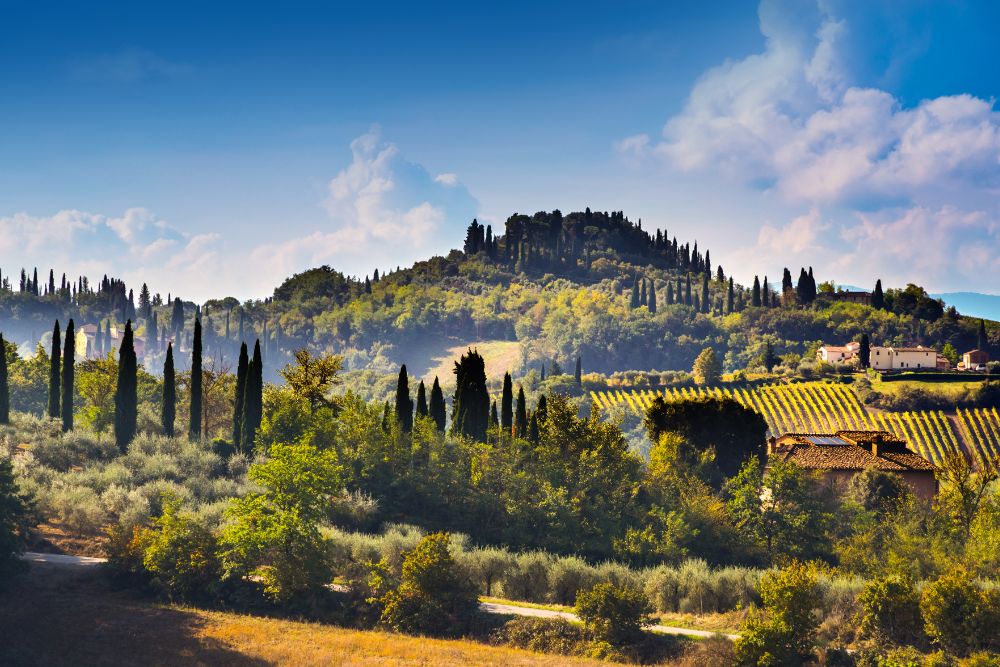
Their island is woven with secrets; places undiscovered, a history of invaders who passed through with vehemence, stories, loves and desires left unexpressed. This is the very thing that bewitches the visitor. Sardinia won't lay its gifts out on a plate. It stands stoic, ancient, gnarled. Its beauty is not forced, manicured, engineered. It lures you into its turquoise waters and dares you to resist returning year after year.
London life is fast paced. We walk as if we are perpetually late to an urgent meeting. A tempo that is of blissful inconsequence to the Sardinian. I remember standing in the afternoon sun waiting for our wedding guests to arrive, somewhere close to the 4.30pm mark as stated on the invitation. The ceremony (a home made church-less version which everyone took to with surprising grace and interest) didn't begin till almost six o' clock. My British friends had been waiting since three o' clock. Balancing a London life with regular escapes to a Sardinian world has taught me a great deal about perspective, passion and what the most important things in life are really all about.
Once you fall under Sardinia's allure, take time to visit Tharros, the ancient ruins to the west coast, book an afternoon's feast at an agriturismo – farmhouse restaurants that serve their home grown produce - make time for a market or two perhaps in the beautiful town of Ozieri (where I have based Under a Sardinian Sky). Head to the interior and the Gennargentu National Park, pick a cove on the east coast south of Olbia and loose an afternoon surrounded by uplifting aquamarine sea.
If you have the honour of an invitation to a Sardinan's home bestowed upon you, do remember to turn up bearing gifts, however small. Some meagre token of your love and respect for the hosts will go a long way to building the first tentative stepping stones toward friendship. And know, that should said Sardinian decide you are a friend indeed their love will know no bounds and reciprocal passion will be expected in return. These folks aren't Mr & Mrs 50%. And once the isle has bewitched you, dream of her, the memory of the food and the smell of the toasted pine and rosemary breeze of an early evening as the sun dips beyond the purple silhouette of its ancient mountains.
Buon Viaggio!