
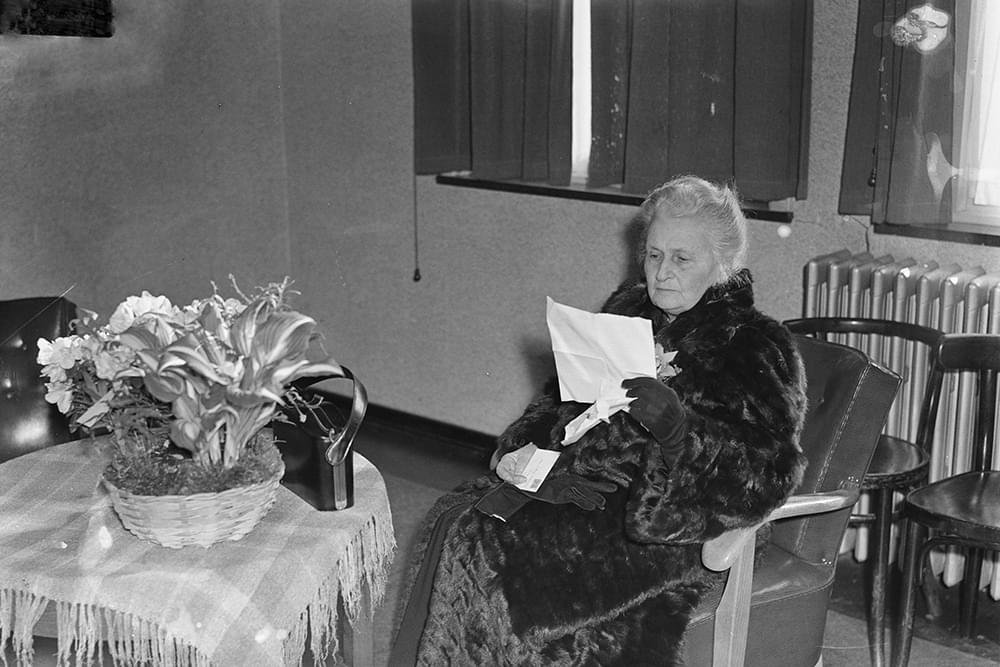
Maria Montessori
Maria Montessori, an Italian physician, educator, and innovator, is renowned for her groundbreaking contributions to the field of education. Her revolutionary educational philosophy, known as the Montessori method, has influenced educators worldwide and continues to shape modern educational practices. In this comprehensive article, we will delve into Maria Montessori's life, her educational philosophy, the core principles of the Montessori method, and her profound impact on contemporary education.
Early Life and Education
Maria Montessori was born on August 31, 1870, in Chiaravalle, Italy. From an early age, she exhibited an innate curiosity and a passion for learning. This thirst for knowledge led her to become one of the first women to attend the University of Rome, where she initially pursued a degree in engineering. However, she switched her focus to medicine and graduated as a physician in 1896, breaking gender barriers in a male-dominated field.
Montessori's interest in children's development and education grew during her medical practice, particularly while working with children with special needs. Her observations and experiences laid the foundation for her groundbreaking educational theories and practices.
The Birth of the Montessori Method
In 1907, Maria Montessori opened her first Casa dei Bambini, or "Children's House," in the impoverished San Lorenzo district of Rome. This institution marked the birth of the Montessori method and the beginning of her revolutionary approach to education. Her aim was to create an environment where children could learn and develop to their full potential, irrespective of their socioeconomic backgrounds or abilities.
Key Principles of the Montessori Method
1. Prepared Environment: Central to the Montessori method is the concept of a "prepared environment." Montessori classrooms are carefully designed to foster independence, self-discipline, and exploration. Furniture and materials are child-sized, allowing children to move freely and choose activities that interest them. This environment promotes hands-on learning and self-discovery.
2. Child-Centered Learning: In the Montessori method, the child is seen as an active participant in their education. Teachers act as guides, observing and facilitating each child's unique learning journey. Rather than imposing a rigid curriculum, Montessori educators encourage children to explore their interests and passions, promoting a love of learning.
3. Self-Directed Learning: Maria Montessori believed in the importance of self-directed learning. Children are encouraged to choose their activities and work at their own pace. This autonomy fosters a sense of responsibility and a deep engagement with the learning process.
4. Montessori Materials: Montessori classrooms are equipped with a wide range of specialized educational materials, meticulously designed to promote specific skills and concepts. These materials are self-correcting, allowing children to learn independently through trial and error. They cover subjects such as math, language, geography, and science.
5. Mixed-Age Grouping: Unlike traditional classrooms that group children strictly by age, Montessori classrooms often have mixed-age groups. This arrangement encourages cooperation, collaboration, and peer learning. Older children mentor younger ones, creating a supportive community.
6. Freedom within Limits: Montessori education offers children freedom, but it is not without boundaries. The method emphasizes self-discipline and respect for others. Children learn to make choices while considering the consequences of their actions, fostering responsible decision-making.
Impact on Modern Education
Maria Montessori's innovative approach to education has left an indelible mark on modern schooling. Her ideas have influenced educational institutions worldwide and continue to shape contemporary pedagogy. Here are some key ways in which her impact is evident:
1. Child-Centered Education: Montessori's emphasis on child-centered learning has paved the way for a more student-focused approach in mainstream education. Many educators have adopted her principles to create engaging and personalized learning experiences for students of all ages.
2. Hands-On Learning: The Montessori method's focus on hands-on learning and concrete materials has been incorporated into various teaching methodologies. This approach is now recognized as a powerful way to enhance understanding and retention of academic concepts.
3. Mixed-Age Classrooms: The concept of mixed-age classrooms has gained popularity in progressive educational settings. Educators recognize the benefits of peer learning and social development that result from children of different ages learning together.
4. Holistic Development: Montessori education prioritizes the holistic development of children, encompassing not only academic skills but also social, emotional, and practical life skills. This comprehensive approach has prompted educators to consider a more holistic view of student growth.
5. Global Reach: Montessori schools can be found in nearly every corner of the world, from Europe and the Americas to Asia and Africa. Her methodology has transcended cultural boundaries and is celebrated for its adaptability and effectiveness.
Critiques and Controversies
While Maria Montessori's educational philosophy has garnered widespread acclaim, it is not without its critics and controversies. Some argue that the Montessori method may not be suitable for all children or that its structured environment could stifle creativity and spontaneity in some cases. Additionally, the cost of Montessori education can be prohibitive for many families.
Moreover, debates about the method's long-term impact on standardized test scores and academic achievement continue to surface. Critics contend that the Montessori approach does not prioritize standardized testing, making it difficult to compare its outcomes with those of traditional education.
Conclusion
Maria Montessori's life and work have left an indelible mark on the world of education. Her innovative approach, the Montessori method, has transformed the way we view and practice education, emphasizing the importance of child-centered learning, independence, and hands-on experiences.
Despite the ongoing debates and challenges surrounding the Montessori method, its enduring popularity and adaptability reflect its profound impact on modern education. As educators continue to seek innovative ways to engage students and promote lifelong learning, Maria Montessori's legacy remains a source of inspiration and guidance. Her commitment to fostering the potential of each child continues to shape the future of education, reminding us that the pursuit of knowledge and personal growth knows no bounds.


