Italian athletics has a heritage rooted in the early 20th century, when sporting culture began to flourish across the provinces. The foundation of national clubs and regional training centres allowed talented athletes to develop within supportive environments.
From the plains of the north to the hills of the south, young competitors found inspiration in their communities. The country’s diverse geography gave rise to varied strengths, from sprinters and long-distance runners to throwers and jumpers.
The Olympic stage: early triumphs and golden beginnings
Italy first tasted Olympic success in athletics during the 20th century, with notable performances in race walking and marathon events. Ugo Frigerio, for example, became a symbol of national pride after winning three Olympic gold medals between 1920 and 1924.
His triumphs helped ignite a passion for athletics across Italy's provinces, where young athletes aspired to follow in his footsteps. This early period laid the groundwork for generations of Olympic hopefuls.
The golden age: Italian athletics in the mid-20th century
By the mid-1900s, Italy had established itself as a force in several disciplines, particularly middle-distance running and race walking. This era saw athletes like Abdon Pamich win Olympic medals and set world records.
Italian race walkers became dominant on the international stage, showcasing endurance and discipline that reflected the athletic culture deeply rooted in provincial training programs. Their success helped shape Italy’s sporting identity.
The powerhouses: field events and technical mastery
While track events often steal the spotlight, Italian athletics has produced several stars in field events. Javelin thrower Carlo Sonego and pole vaulter Giuseppe Gibilisco brought innovation and international acclaim to Italian field athletes.
These technical events require not only strength but exceptional skill, often nurtured in specialized provincial training centres. Their achievements brought visibility to disciplines often overlooked by mainstream coverage.
New heroes: modern icons and rising stars
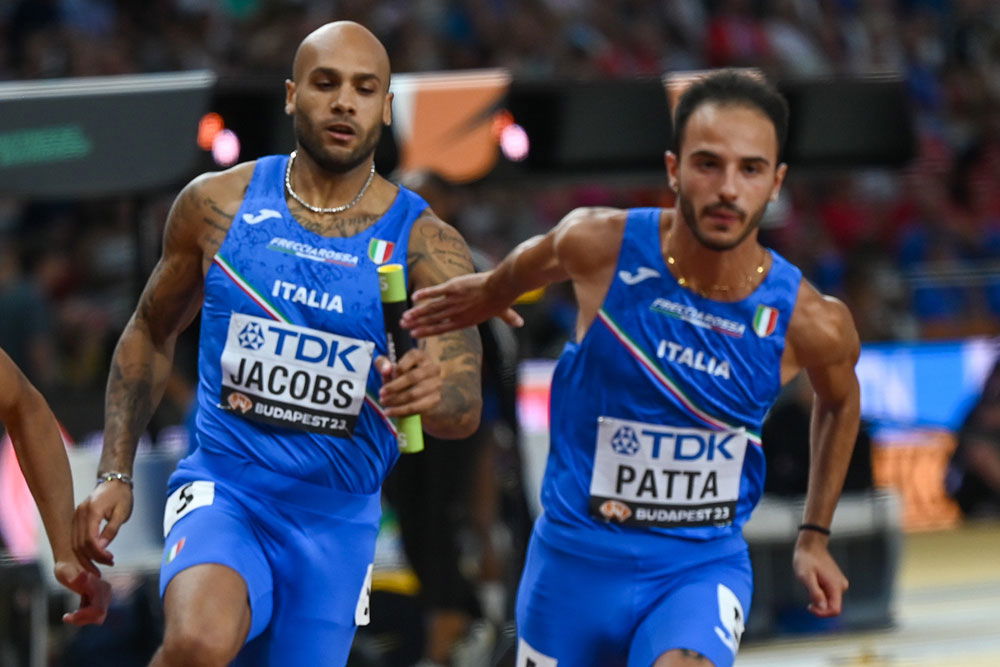
The 21st century has seen a resurgence in Italian athletics, most notably at the Tokyo 2020 Olympics. Lamont Marcell Jacobs stunned the world by winning gold in the men’s 100 metres, becoming the first Italian to do so.
His victory, along with Gianmarco Tamberi’s shared gold in the high jump, reignited national interest and put Italy back at the centre of global track and field. These wins were the result of modern training methods rooted in deep tradition.
Provincial power: training excellence beyond the cities
Though cities like Rome and Milan have large sports facilities, much of Italy’s athletic excellence emerges from provincial areas. Small towns and rural communities host regional clubs that foster dedication and discipline.
These grassroots programs provide early guidance to young athletes, often led by former professionals or passionate local coaches. The provincial model offers a supportive environment where talent is carefully developed over time.
Race walking excellence: a proud Italian specialty
Race walking has long been a discipline where Italy excels. Generations of Italian athletes have mastered the balance of speed and technique required for success. Athletes such as Maurizio Damilano and Alex Schwazer became household names.
With multiple Olympic and World Championship medals, Italian race walkers continue to set global standards. Their dominance reflects years of meticulous training and a deep cultural appreciation for the event, especially in provincial regions.
Track glory: sprinting towards global recognition
Italy’s sprinting achievements reached a new height with Jacobs’ gold in Tokyo, but the journey began decades earlier with athletes like Pietro Mennea. Mennea, from the province of Barletta, held the 200m world record for 17 years.
His influence continues today, as young sprinters look up to his legacy. Sprinting success requires national investment in facilities and coaching, but Mennea’s story shows that a provincial upbringing can lead to global acclaim.
National support: the role of the Italian athletics federation
FIDAL, the Italian Athletics Federation, plays a crucial role in identifying and nurturing talent. With regional branches across the provinces, the federation ensures that athletes receive equal opportunities to train and compete.
Its partnerships with schools and local sports clubs create a pipeline for future champions. Events like the Campionati Italiani provide valuable competitive experience and serve as stepping stones to international arenas.
Cultural pride: representing Italy through sport
For many athletes, wearing the national jersey is about more than competition. It is a source of pride, a symbol of connection to the people and provinces that shaped them. Italian athletes often speak of representing their roots on the global stage.
The emotional celebrations that follow victories highlight a deep sense of national unity. Whether it is a rural province or a bustling city, every community sees itself reflected in the accomplishments of these national heroes.
Looking ahead: the future of Italian athletics
Italy’s athletic future looks bright, with young talents emerging from across the provinces. Investments in youth programs, improved training technology and increased exposure are paving the way for sustained success.
With a blend of history and innovation, Italian athletics is set to remain a powerful presence in global sport. The balance between tradition and modern excellence will continue to define its unique and celebrated identity.





.jpg)