Sulmona
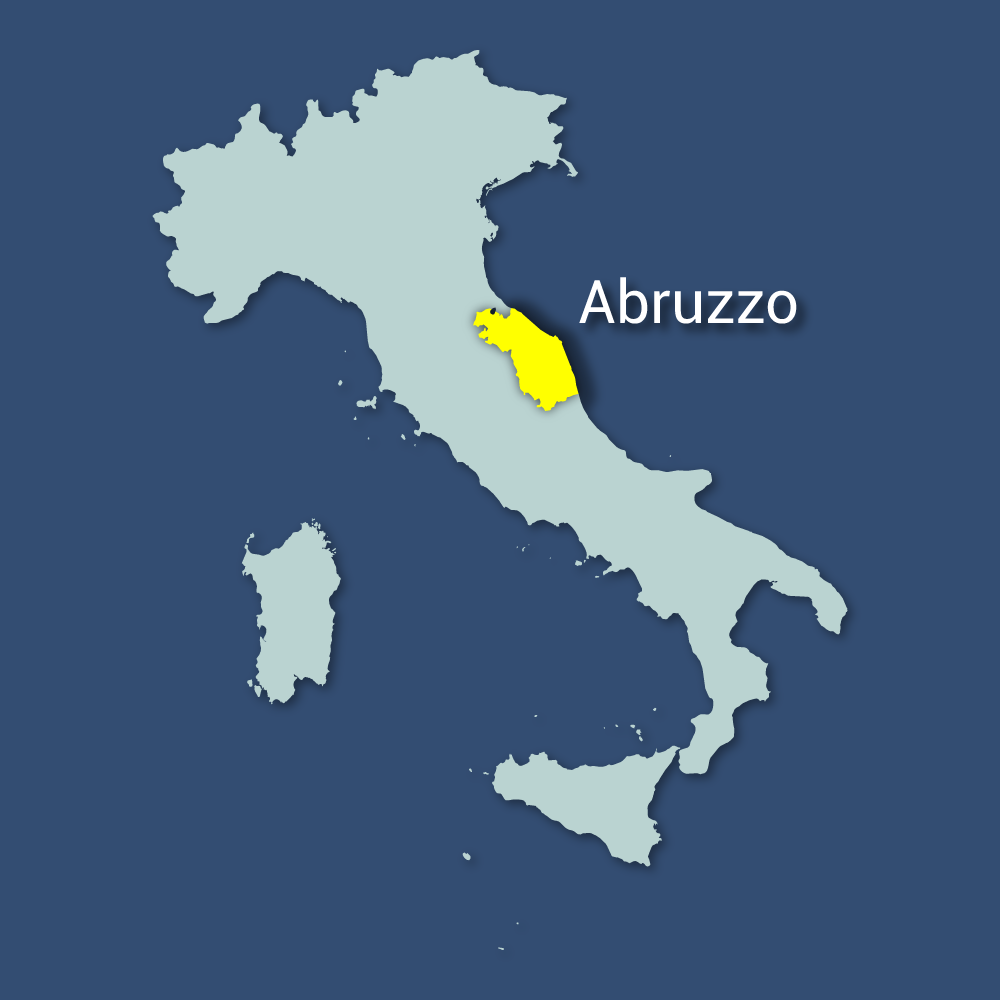
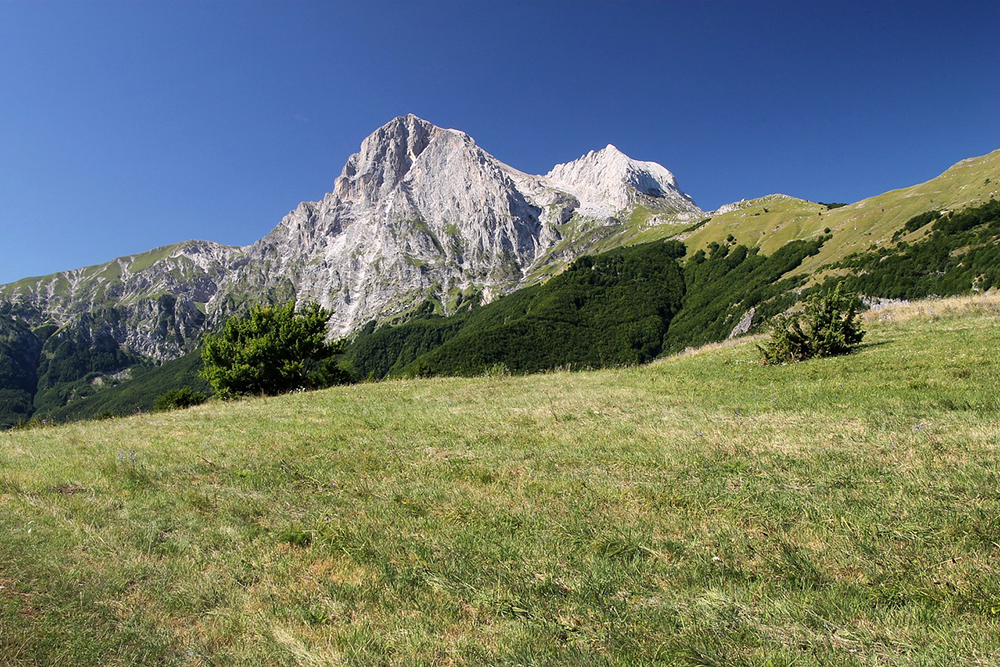
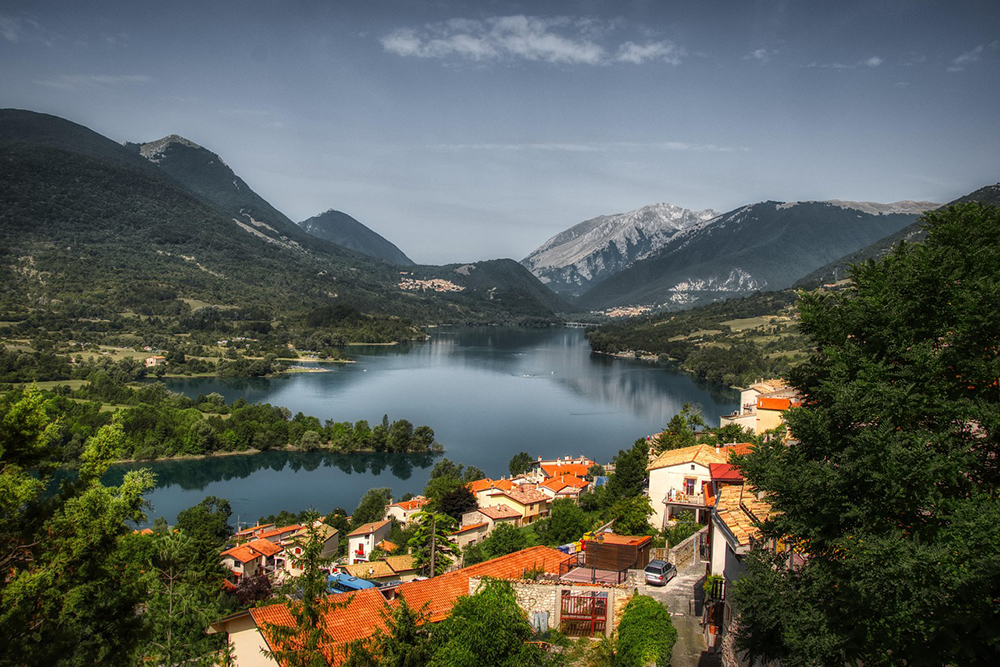
Surrounded by the rugged peaks of the Majella mountains, Sulmona is a captivating town in the province of L’Aquila in central Italy, known for its deep cultural roots and striking natural setting.
Famous for producing sugared almonds known as confetti, Sulmona offers more than just sweetness, with Roman ruins, medieval palaces and lively traditions that speak to its long and vibrant past.
Its central piazzas, elegant fountains and leafy boulevards provide the backdrop to a town that is proud of its history yet unspoiled by mass tourism.
Visitors to Sulmona find a perfect blend of scenic beauty, artisanal heritage and local pride, making it one of the most rewarding destinations in the Abruzzo region.
A city shaped by Roman origins and Renaissance grandeur
Sulmona traces its roots to ancient times, believed to have been founded by the Sabines and later developed into a Roman municipium by the 1st century BC.
The Roman presence is still visible today in structures like the aqueduct running through the town center and the ruins of ancient buildings beneath modern streets.
During the Middle Ages and Renaissance, Sulmona grew in wealth and prestige, becoming a center of commerce and culture known for its metalwork and scholarly traditions.
This prosperity funded the construction of many of the city’s finest buildings, including churches, civic palaces and monastic complexes that still define its skyline.
The legacy of Ovid: Sulmona’s famous son
Perhaps Sulmona’s most celebrated historical figure is the Roman poet Ovid, born here in 43 BC and remembered for his influential works of classical literature.
Ovid’s poetry, especially the “Metamorphoses,” remains central to Western literary tradition, and his presence is honored throughout the city with statues, plaques and museums.
The Piazza XX Settembre features a striking monument to Ovid, who holds a central place in the cultural identity of Sulmona and continues to inspire artists and scholars.
Local institutions often host literary events, classical readings and educational programs that celebrate the legacy of one of Rome’s greatest literary voices.
Confetti: the sweet heart of Sulmona
No visit to Sulmona is complete without discovering the town’s most iconic product, the confetto, a brightly colored sugared almond wrapped in paper or silk to resemble flowers.
This centuries-old confectionery tradition dates back to the 15th century and remains an important part of Italian wedding, baptism and graduation celebrations.
Strolling through the town center, visitors are captivated by the window displays of confetti in every color and shape, handcrafted with care by local artisans.
The Confetti Pelino Museum offers a fascinating look at the history of this beloved sweet, with antique equipment, historical packaging and detailed explanations of the candy-making process.
Architectural splendor in Sulmona’s historic center
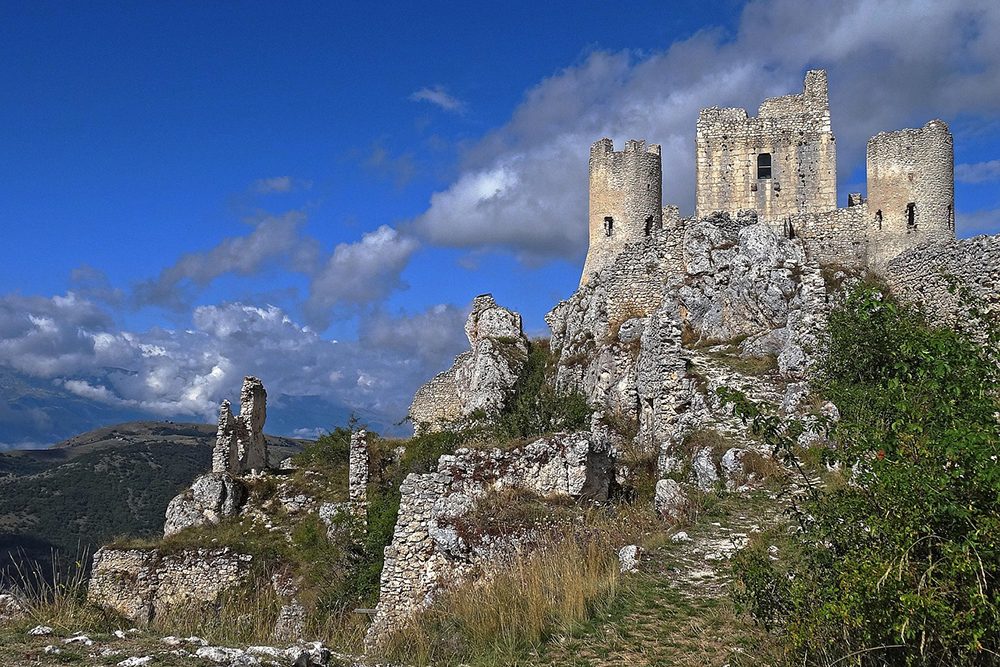
Sulmona’s old town is rich in architectural beauty, with buildings that reflect Roman, Gothic and Renaissance influences harmoniously layered through the streets.
The imposing Church of San Panfilo, named after the town’s patron saint, dominates the skyline with its Romanesque core and later Baroque embellishments.
Nearby stands the elegant Palazzo Annunziata, home to Sulmona’s Civic Museum and Library, showcasing religious art, manuscripts and archaeological finds from the surrounding valley.
The medieval aqueduct, built in 1256, stretches across Piazza Garibaldi and serves as a visual symbol of Sulmona’s enduring connection to its Roman engineering roots.
Markets, festivals and vibrant traditions
Piazza Garibaldi, one of the largest town squares in Abruzzo, hosts a lively weekly market and serves as the main stage for Sulmona’s most important events and celebrations.
Each Easter, the La Madonna che Scappa festival brings thousands to witness a dramatic procession where a statue of the Virgin Mary races across the square in a moment of religious fervor.
Other festivals include the Giostra Cavalleresca, a historical jousting competition held in summer that reenacts medieval pageantry and showcases traditional costume and horsemanship.
These events, deeply rooted in local identity, offer visitors a unique glimpse into the passion and pride that Sulmona’s residents hold for their heritage and customs.
The natural beauty of Valle Peligna
Sulmona lies in the heart of the Valle Peligna, a lush plain surrounded by the Apennine mountains, offering a natural setting that complements the town’s cultural richness.
This area is ideal for hiking, cycling and nature exploration, with trails that lead through olive groves, vineyards and protected national parks like the Majella and Abruzzo Lazio Molise parks.
In winter, nearby ski resorts offer alpine sports and snow-covered scenery, while spring and summer provide perfect weather for outdoor activities and scenic drives.
The combination of mountain air, local cuisine and rustic charm makes Sulmona a perfect base for discovering the wild and varied landscapes of Abruzzo.
Local cuisine and culinary heritage
The food of Sulmona reflects its mountain environment and agricultural heritage, offering hearty dishes made with local ingredients and traditional methods.
Specialties include maccheroni alla chitarra, saffron-infused risottos, lamb cooked with herbs and roasted vegetables from nearby farms.
Cheeses such as pecorino and ricotta, as well as cured meats like ventricina, feature prominently in both home cooking and restaurant menus.
Local wines from the Montepulciano and Trebbiano grapes pair beautifully with the cuisine, while the confetti offers a sweet ending to any meal.
Getting to Sulmona and the best time to visit
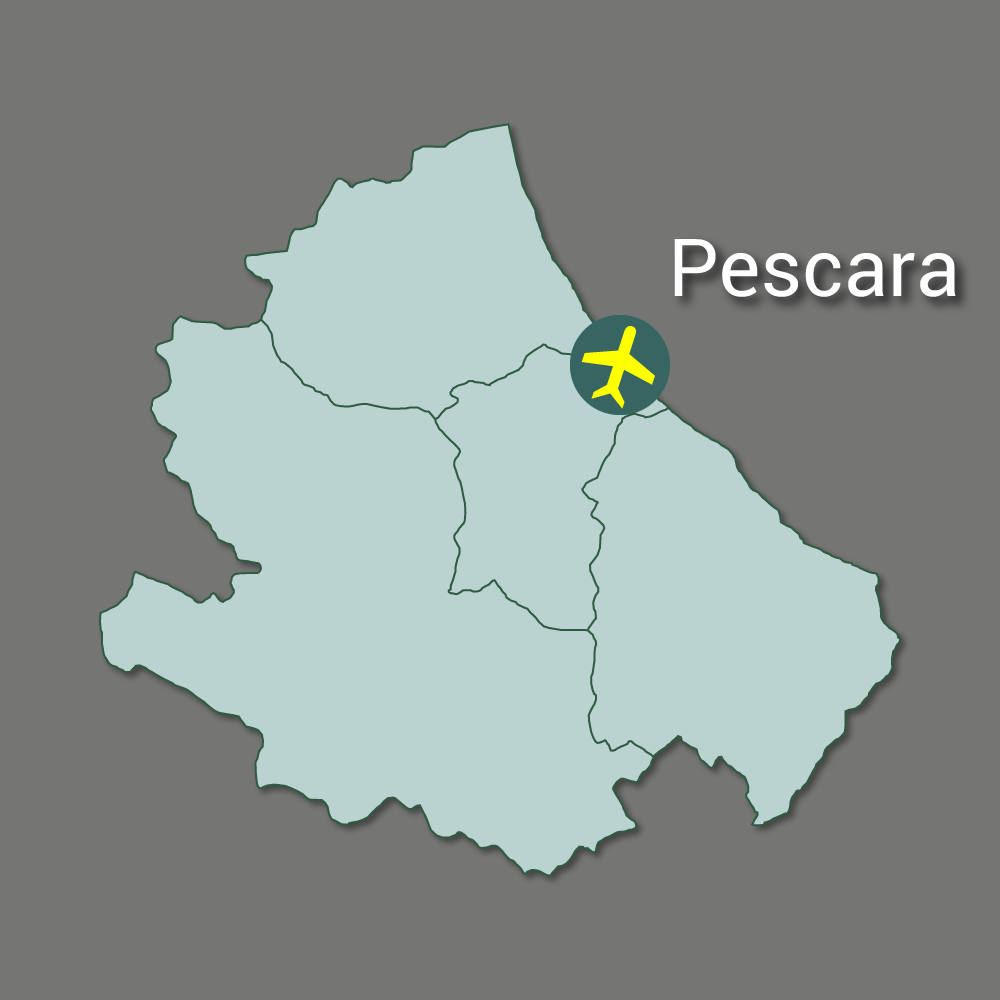
Sulmona is well connected to major cities in central Italy, with direct trains from Rome and Pescara and road access via the A25 motorway through the Apennines.
Its central location makes it an excellent starting point for exploring the wider Abruzzo region or for a peaceful retreat from more crowded tourist hubs.
The best times to visit Sulmona are spring and autumn, when the weather is mild, the festivals are in full swing and the surrounding countryside is at its most colorful.
Summer also offers warm evenings and lively street life, while winter draws visitors interested in mountain sports and holiday traditions in a snow-dusted setting.
Why Sulmona is a cultural and sensory delight
With its mix of Roman ruins, poetic legacy, confetti-filled boutiques and medieval splendor, Sulmona stands as a true cultural treasure in the heart of Abruzzo.
Its peaceful streets, generous hospitality and dramatic setting invite travelers to slow down, savor the moment and connect with Italy’s deeper layers of history and tradition.
In the province of L’Aquila, Sulmona offers something for every traveler, whether you seek artistic inspiration, culinary pleasures or simply a beautiful place to breathe and explore.
For those wishing to discover a town that blends sweetness with soul, Sulmona remains one of Italy’s most rewarding and memorable destinations.