Visiting Italy - the best Italian tourist destinations
It is generally acknowledged that Italy is one of the most beautiful and interesting countries on earth.
Beautiful Italy
Visiting Italy, from Venice in the north to Sicily in the south, you will find that the wonderful contrasts of scenery, food, lifestyle and culture are totally absorbing.
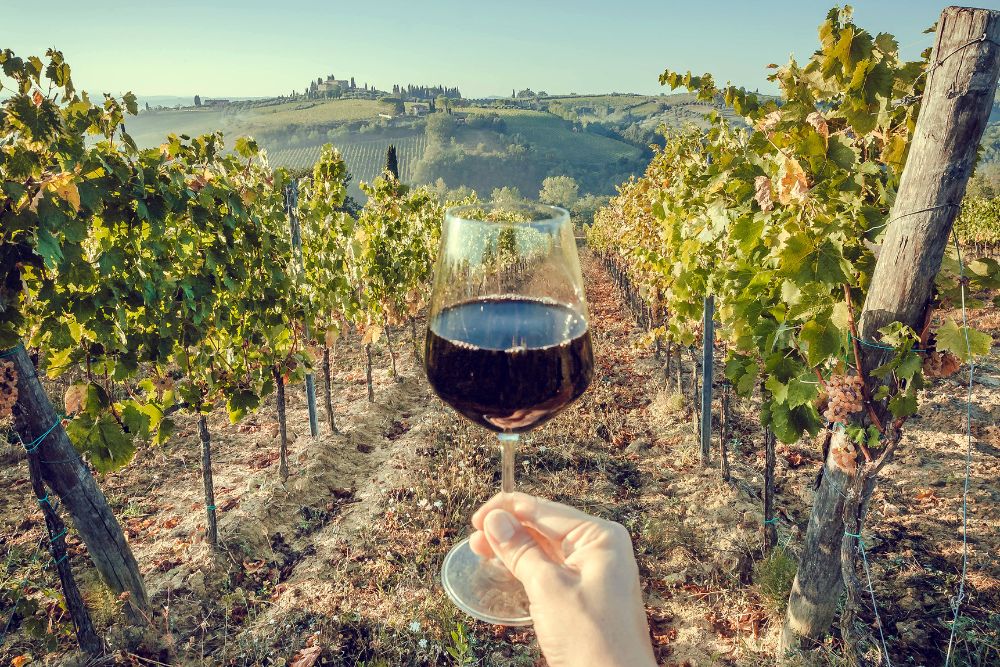
Italy is one of the most popular tourist destinations in the world, attracting millions of tourists each year to its northern and central cities of Rome, Venice and Florence, as well as to those in the south, such as Cagliari, Matera and Palermo. It's not hard to see what the attractions are! A beautiful climate, wonderfully healthy food and some of the finest wines in the world, all set against a backdrop of exquisite art and architecture and a cultural heritage that includes the highest number of UNESCO World Heritage Sites of any country in the world.
What should I do in Italy?
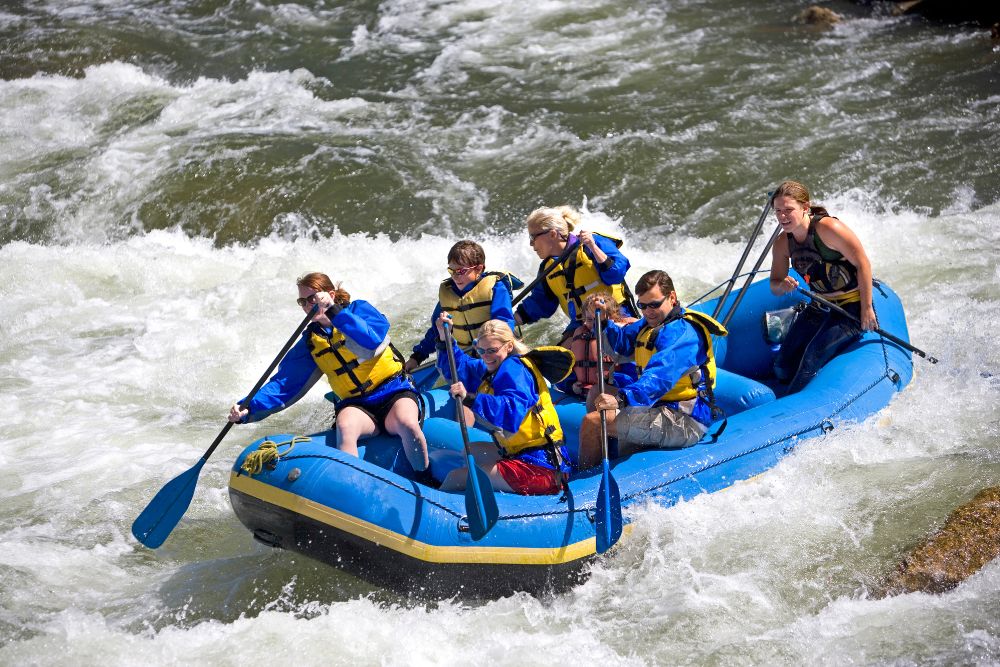
In addition to these treasures, visiting Italy can offer some of the best skiing, hiking, swimming, scuba diving and sailing to be found anywhere on the planet.
Aside from all of that, there is nothing better than people watching with a cup of coffee in the piazza, or enjoying a glass of wine over a long, lingering, Mediterranean lunch in the sunshine.
Famous tourist destinations in Italy include: The Colosseum in Rome, The Grand Canal in Venice, The statue of David in Florence and the Sassi caves of Matera. But these famous locations only represent a tiny fraction of the sights for tourists to see in Italy.
Italy can be easily separated into three different areas, each with its own, unique appeal to tourists.
If the north of Italy is the crown, then surely Venice must be the jewel in that crown.
Venice has been one of the most important tourist destinations in the world for centuries. But, however extraordinary Venice might be, there are many other jewels in that crown. Alongside are the historic cities of Padua and Verona, imortalised by Willian Shakespeare. Next are the string of Italian lakes. Although there are eight in total, probably the best know to tourists is the largest, Lake Garda. They all have the stunning backdrop of the Italian Alps.
For mountain lovers, nothing quite compares to the fabulous Dolomites, certainly another jewel in the crown! To the south, lies Bologna, home to one of Italy's most famous universities; Rimini, the summer playground of Europe; and Modena, home to Ferrari and Maserati, a pilgimage for motor lovers.
Further west, the cities of Milan and Turin are bursting with energy. The financial powerhouses of Italy, they are also important historical, cultural and fashion centres of Europe. Below, lies the Italian Riviera. Starting with the huge natural harbour of La Spezia, one of the most important Italian naval bases, and home to English poets, Byron and Shelley.
The coast continues round to the east, past the beautiful harbour of Portofino, a favourite of Elizabeth Taylor and Richard Burton, along with hosts of other celebrities, before and since. Next comes Genoa, in the centre of the bay. One of the most important maritime centres in history and home to Italian explorer, Chistopher Columbus. The coast continues on round, past many exclusive resorts, and finally arriving at San Remo, with its long, exclusive promenade and world-renowned Casino.
The next area is Central Italy. The three regions of Tuscany, Umbria and Le Marche have a multitude of attractions to offer tourists. Tuscany is home to the tourist islands of Elba, Capraia and Giglio.
The Argentario promontory is also a famous tourist destination, home to two salt-water lagoons between which lies the fascinating town of Orbetello. The cities of Lucca, Florence, Perugia and Assisi need no introduction and all feature many fascinating historical buildings and museums for tourists to visit. To the east, past the Sibillini mountains in Le Marche, lies the port city of Ancona. Below Tuscany lies the region of Lazio, home to the capital of Italy, Rome. There are few tourists that would need any introduction to the many treasures found there. Although Rome naturally takes the spotlight, there are other places of interest in the area, such as Anzio and Latina. Across the Gran Sasso mountain area of Abruzzo, lies the port city of Pescara.
The third area is Southern Italy. Regarded by many as the poor relation, it is probably the richest in terms of what it can offer tourists. The region of Campania is home to Naples, which offers an extraordinary number of tourist attractions.
The islands of Capri, Ischia and Procida have been the holiday destinations for many Italians since Roman times. Alongside, lies the famous Amalfi coast as well as the historic sites of Pompei and Herculaneum. Further south, Basilicata is an unspoilt paradise for nature lovers and home to the caves of Matera, a uniquely historic location that has featured in many film, including James Bond.
Calabria is rich is tourist beaches, from Praia a Mare in the north to Tropea in the south, as well as cultural centres of Cosenza, Catanzaro and Reggio Calabria. It is also famous for its rich landscape protected by several national parks. Puglia is another favourite holiday destination. It’s hot, dry climate and unique, conical shaped Trullo buildings, combine with a rich history, fabulous beaches and excellent food and wine, to draw tourists from all over the world. Sardinia is one of the most popular holiday destinations in the world, especially among the rich and famous, who flock to the Costa Smeralda every year, regardless of the cost.
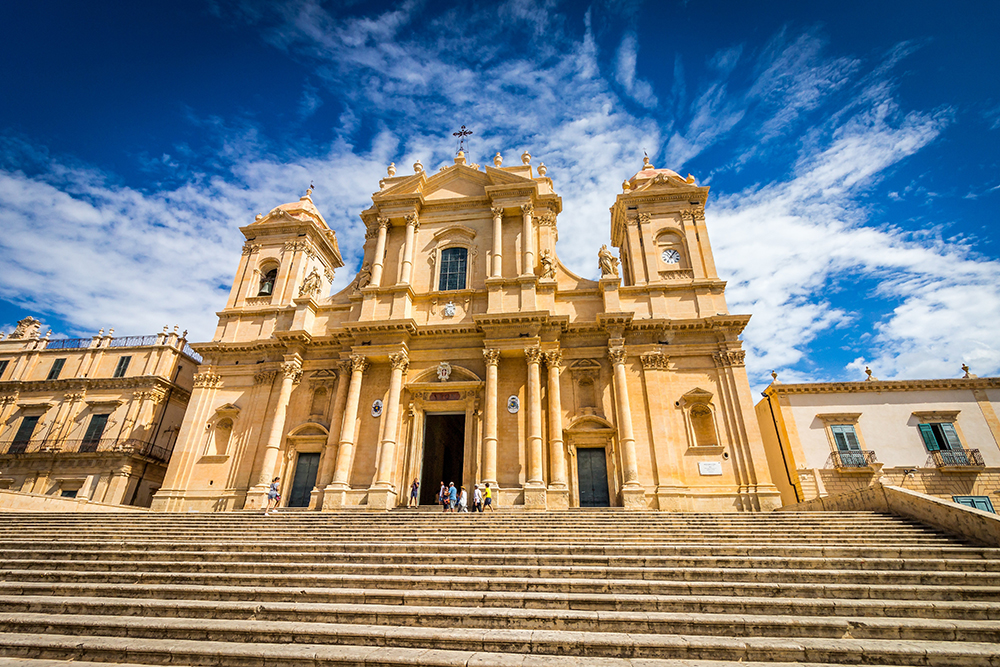
Sicily is another jewel. Taormina, Palermo, Marsala and Siracusa are among the unique destinations for tourists. The lavish 'Baroque' architecture, exotic scenery, sun-drenched climate and crystal blue water of the Mediterannean are a powerful incentive for tourists to enjoy the rich culture that Sicily has to offer.
The locations listed in our 'Must See Guide' below, will provide some great memories of your trip to Italy - click on an image to find out more information about each location and don't forget to visit our 'Useful Phrases' page, where you can find the essential 'tourist' vocabulary for holidays in Italy. There are a number of Italian Language Schools, also listed below, which provide cultural elements to their classes, enabling visitors to immerse themselves in the culture of italy while having a holiday and learning the language - "Ottimo!".
The choice of places to visit on a trip to Italy is endless, and although never far away from each other, these sites would take more than a lifetime to fully appreciate. But it's never too late to start - why not have a 3-Day Vacation in Italy
How do I get around Italy?
Our 'Visiting Italy' pages will provide all the information that a tourist needs to know when visiting Italy. For those looking for flights, there is a list of Italian airports, complete with links to each of their websites.
On the 'Getting around Italy' page, there is a description of transport links around Italy, together with the train and bus timetables.
And finally, there is a list of hotels, agriturismos and bed and breakfasts in various areas of the country.