Skip to content
Nation / Famous Italians / Sport / Athletics / Marcell Jacobs
Marcell Jacobs
<a href="https://commons.wikimedia.org/wiki/File:Marcell_Jacobs_2021.jpg">See page for author</a>, <a href="https://creativecommons.org/licenses/by/3.0">CC BY 3.0</a>, via Wikimedia Commons

Marcell Jacobs

Published:

Marcell Jacobs was born on September 26, 1994, in El Paso, Texas, to an Italian mother and an American father. After his parents separated, he moved to Italy at a young age, where he was raised and began his athletic development.

His dual heritage played a role in shaping his identity, both on and off the track. It also gave him a distinctive presence in the sport, combining the Italian athletic tradition with international potential.

Starting out: from long jump to sprinting talent

Jacobs began his career in athletics as a long jumper, showing great promise early on. He won national titles and represented Italy in international competitions, steadily building a name for himself in the field.

However, persistent injuries made it difficult to maintain momentum in long jump. His explosive power and speed, however, pointed to an alternative path, sprinting. The transition would soon prove historic.

The transformation: sprinting takes center stage

By 2019, Jacobs began to shift his focus to sprinting. His physical attributes and powerful start made him a natural in the 60m and 100m disciplines. Coaches and analysts took note of his rapid progress and refined technique.

He broke the Italian indoor record in the 60m and won gold at the 2021 European Indoor Championships. This marked the first major step in his transformation from promising athlete to international sprint star.

Olympic glory: rewriting history in Tokyo

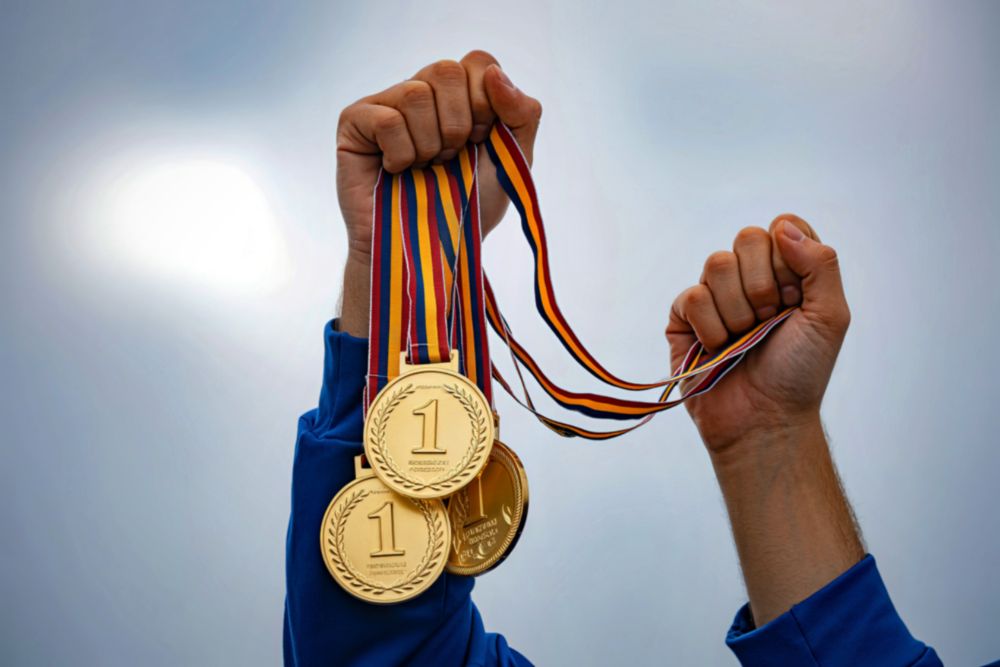
At the Tokyo 2020 Olympics, held in 2021, Marcell Jacobs delivered a performance that stunned the world. In the men’s 100m final, he crossed the finish line in 9.80 seconds, setting a new European record.

Jacobs became the first Italian to win Olympic gold in the 100m and the first European to win the event since 1992. His victory was met with disbelief and celebration, instantly making him a global sporting icon.

Relay success: a second gold for the history books

Jacobs wasn’t finished with just one gold medal. Days after his 100m triumph, he ran the anchor leg for Italy in the 4x100m relay. The team executed flawlessly and edged out Great Britain in a dramatic finish.

This second gold cemented Jacobs’ position as a leader and team player. He became only the second man in Olympic history to win both the 100m and 4x100m in the same Games without being from the USA or Jamaica.

The discipline of a champion: training and mindset

Behind the medals lies Jacobs' relentless work ethic. His training routine combines sprint drills, strength training and mental conditioning. Recovery, nutrition and consistency are all central to his approach.

He also works closely with a team of coaches and physiotherapists to ensure peak performance. His success is not just physical but psychological, built on confidence, focus and the ability to thrive under pressure.

A new face for European sprinting

Jacobs’ Olympic win challenged long-standing assumptions about sprinting’s global geography. For decades, the 100m was dominated by athletes from North America and the Caribbean. His gold medal redefined that landscape.

As the fastest man in the world in 2021, Jacobs proved that elite sprinting talent can emerge from anywhere. His victory inspired athletes across Europe and elevated Italy’s status in the world of track and field.

Life outside the track: family and personal values

Jacobs is also a father and a partner, known for his strong family values. He frequently speaks about the importance of his children and the motivation they give him to succeed. His personal life keeps him grounded.

He is admired not only for his athletic talent but also for his humility and sincerity. He uses his platform to connect with fans, share his journey and advocate for mental health and perseverance in sports.

Endorsements and influence in the spotlight

Following his Olympic success, Jacobs became one of the most marketable athletes in the world. He signed deals with major global brands and began appearing in international advertising campaigns.

His style, charisma and authenticity have made him a cultural figure beyond athletics. He represents a new generation of sports icons who combine performance with personal expression and social engagement.

Looking forward: world titles and legacy building

Jacobs continues to compete at the highest levels of the sport, with his sights set on World Championship victories and a strong showing at the next Olympics. He remains a dominant force in the 100m.

Beyond results, he is building a legacy. His story of transformation, resilience and triumph is one of the most compelling in modern sport. Marcell Jacobs is not just fast, he is unforgettable.

Sport Systems

Sport icon

Sport

A compact reference to Italy’s sport ecosystem — participation, performance, sectors, venues, events, and global impact — designed to sit beneath articles.

Performance Sectors Venues Events
Italy sport — feature image
From everyday participation to elite competition — sport as identity, industry, community, and international presence.

Italy — sport snapshot

Stable reference signals for quick orientation.

Olympics

Summer + Winter

A long multi-sport tradition across endurance, technical, and precision disciplines. Results are supported by structured federations, coaching pathways, and specialist training centres.

Signature sports

Football, cycling

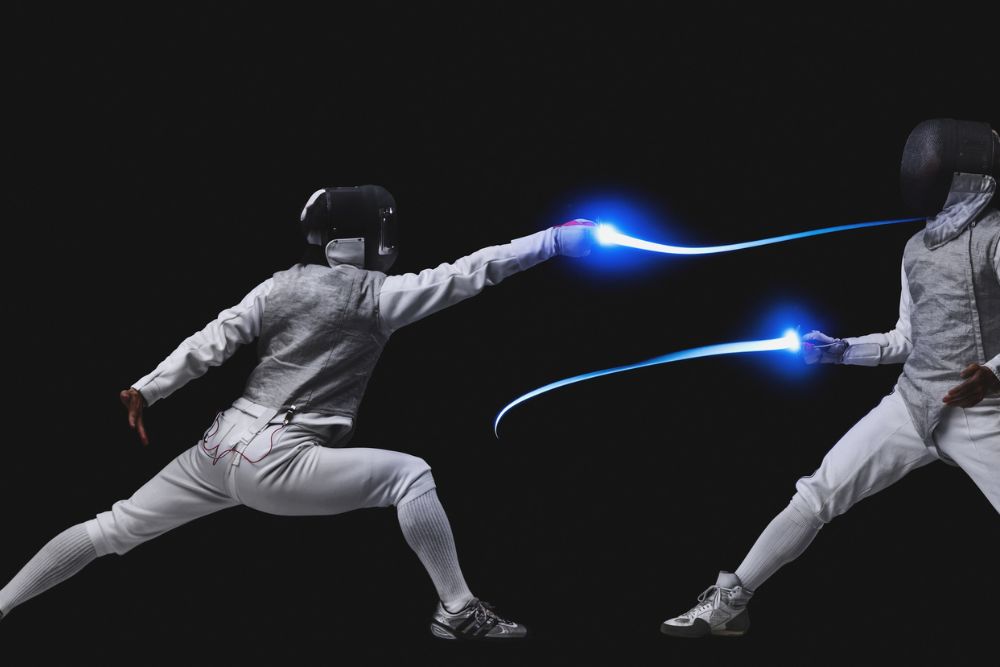
Football anchors mass attention and club identity, while cycling is woven into national geography and calendar culture. Strong specialist prestige also comes from fencing and motorsport.

Elite venues

Stadiums + circuits

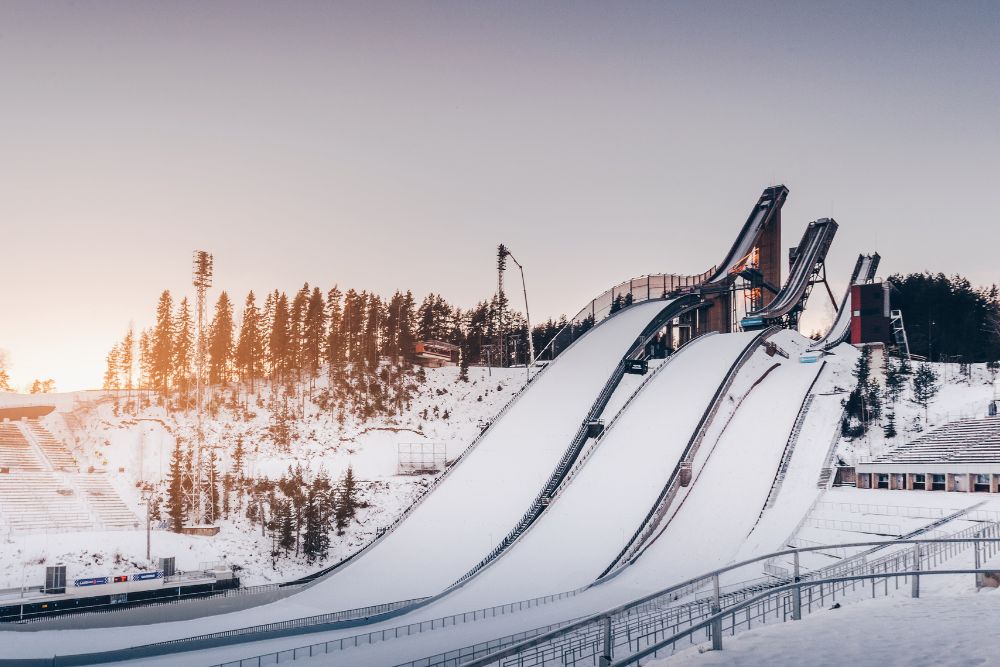
A dense venue map: major stadiums, race circuits, arenas, alpine facilities, and waterfront settings. Many venues are historic “stages” that carry recurring events year after year.

Global events

Giro, F1, tennis

Italy hosts calendar-defining events across road racing, motorsport, tennis, winter sport, and sailing. The combination of place + spectacle is a core part of international appeal.

Motorsport

Teams + riders

Motorsport is both sport and industry: engineering culture, iconic teams, and a strong fan base. Circuits and race weekends function as national and international magnets.

Water sports

Sailing legacy

A maritime country with strong sailing, rowing, and open-water traditions. Coastal clubs and regattas create pathways from local participation to elite campaigns.

Women’s sport

Rising profile

Visibility and professionalism continue to grow across multiple sports. Stronger youth pathways, media attention, and club investment are reshaping the landscape.

Participation

Club-based

A large grassroots base organised through local clubs, federations, and community facilities. Participation is shaped by region, infrastructure access, and the school-to-club transition.

Ecosystem

A dense sporting culture

Sport in Italy runs through local clubs, schools, federations, and professional leagues, with strong regional identities and intense city-based rivalries. Community participation feeds elite pathways, while major clubs and events create national “shared moments” that travel beyond sport into media and everyday conversation. The result is a layered ecosystem: grassroots membership, structured competition, and high-visibility spectacle operating at the same time.

Performance

Multi-sport capability

Italy’s competitive profile is broad, with consistent strength in disciplines that reward technique, endurance, and precision. Federations and coaching systems sustain performance across cycles, while specialised venues and regional centres support targeted development. Success is not limited to one sport: it shows up in track and field, cycling, fencing, winter sport, swimming, and more.

Motorsport

Speed as culture and craft

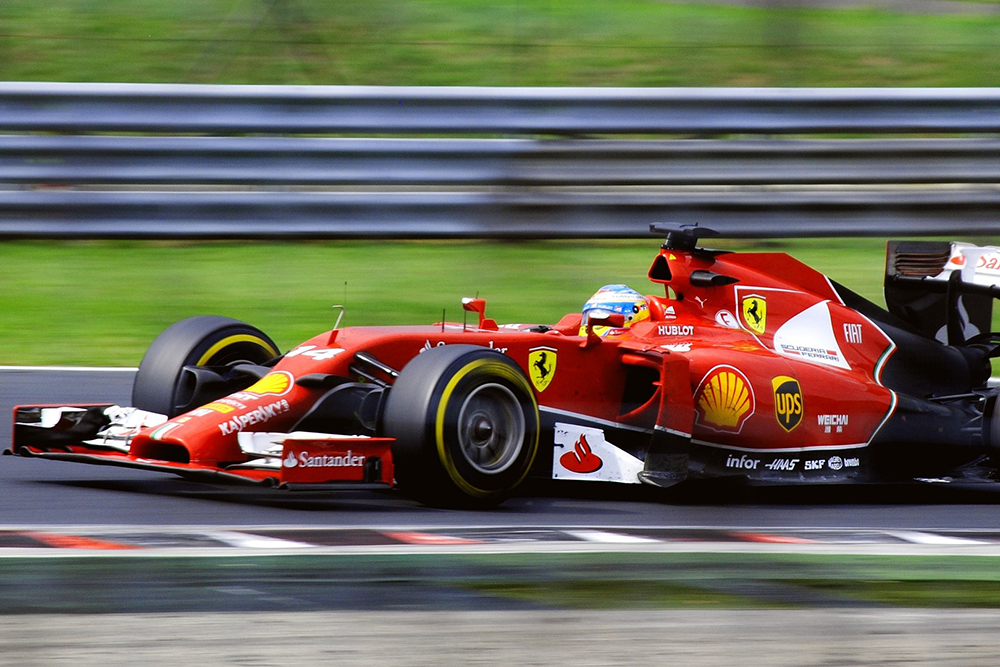
Motorsport in Italy sits at the intersection of competition, engineering identity, and fan tradition. Circuits and teams create a high-intensity calendar culture, and the sport’s prestige is reinforced by design and manufacturing capability behind the scenes. It’s one of the clearest examples of sport as both entertainment and industrial expression.

Global profile

Events, brands, icons

Italy’s international presence comes through iconic clubs, recurring global events, and athletes who define eras across multiple sports. The country’s venues and routes amplify this visibility — mountains, cities, and coasts are not just backgrounds but part of the drama. Globally, “Italian sport” often reads as a blend of tactical intelligence, style, and deep fan culture.

Italy sport ecosystem
Ecosystem
Italy sporting performance
Performance
Italy motorsport and motorcycle racing
Motorsport
Italy global sport events
Events
Italian sportsmen and sportswomen

Figures

Athletes who define eras

Italy’s sporting identity is built by individuals and teams — Olympic champions, club legends, and modern stars across football, cycling, fencing, tennis, skiing, swimming, and motorsport. Some become cultural reference points beyond sport, shaping national memory through iconic victories, style, and rivalry. The broader pattern is continuity: new generations enter a landscape already rich with history, expectation, and tradition.

Italian sport venues and events

Venues & events

Stages that carry the calendar

Stadiums, circuits, alpine venues, arenas, and waterfront settings host recurring events that structure the national and international calendar. From weekly league fixtures to major race weekends and seasonal competitions, place is part of the spectacle: cities, mountains, and coasts shape atmosphere and narrative. These events also function as economic engines, concentrating visitors, media attention, and local identity into predictable peaks across the year.