Lake Idro
Italy, renowned for its rich history, exquisite cuisine, and stunning landscapes, is home to a plethora of natural wonders. One such hidden gem nestled amidst the majestic Italian Alps is Lake Idro. Lake Idro, also known as Lago d'Idro, is a pristine Alpine lake located in the Lombardy region of northern Italy. This stunning lake, surrounded by picturesque villages and awe-inspiring mountain scenery, offers a peaceful retreat and a haven for nature enthusiasts. In this article, we'll delve into the beauty and allure of Lake Idro, exploring its history, geography, activities, and the local culture that makes it a must-visit destination for travelers.
History and Formation
Lake Idro is a glacial lake, formed by glaciers during the last ice age, around 30,000 to 15,000 years ago. It is situated in the Brescia province of the Lombardy region and lies at an altitude of approximately 368 meters (1,207 feet) above sea level. The lake is part of the Lombardy Prealps, which are characterized by their rugged mountainous terrain.
Over the centuries, Lake Idro has been witness to numerous historical events and has played a vital role in the livelihoods of the surrounding communities. From ancient settlements to medieval villages, the region has a rich historical tapestry that reflects the deep-rooted connection between the lake and its people.
Geography and Surroundings
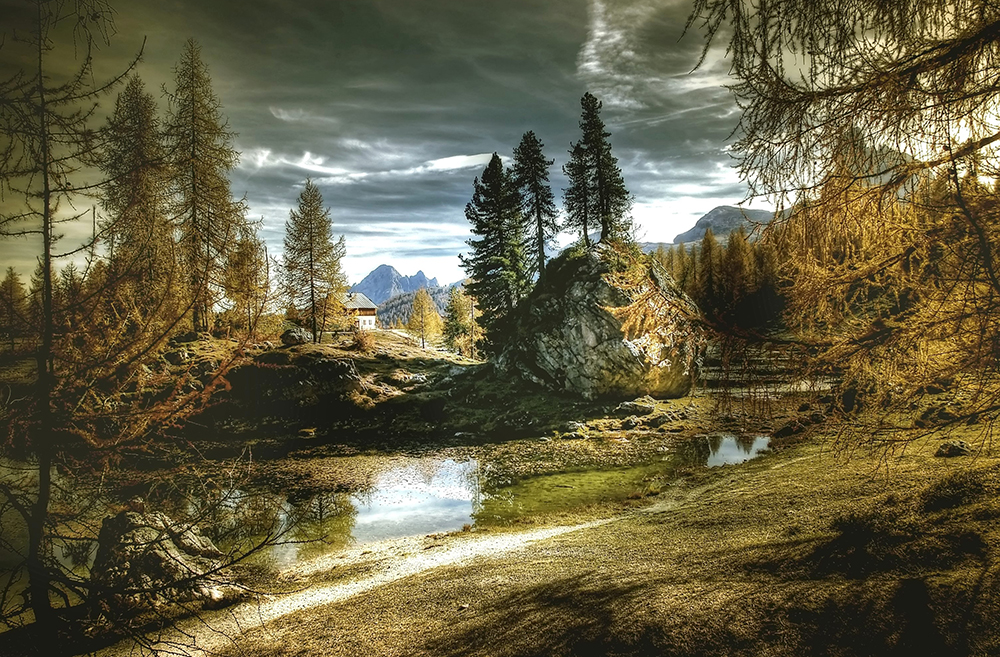
Lake Idro is a reservoir-style lake, shaped like an elongated "S" and is around 11 kilometers (6.8 miles) long and 410 meters (1,345 feet) at its widest point. The lake's depth reaches up to 122 meters (400 feet), making it one of the deepest lakes in Italy. Its clear, emerald waters are surrounded by rugged mountains, lush forests, and quaint villages, creating a breathtaking natural landscape.
The shoreline of Lake Idro is dotted with charming villages, including Anfo, Idro, and Crone, each offering unique glimpses into local life and culture. The picturesque setting of the lake, with the Alps in the background, makes it a haven for outdoor enthusiasts and nature lovers.
Flora and Fauna
The Lake Idro region boasts a diverse range of flora and fauna, adding to its natural beauty. The surrounding forests are primarily composed of chestnut, beech, and fir trees. In the spring and summer months, the shores of the lake come alive with colorful wildflowers, creating a vibrant and picturesque scene.
The lake is home to various species of fish, including trout, pike, perch, and carp, making it a popular destination for fishing enthusiasts. The surrounding mountains provide a habitat for wildlife such as deer, chamois, and various bird species, making it an excellent destination for wildlife enthusiasts and birdwatchers.
Recreational Activities
Lake Idro offers a wide range of recreational activities for visitors, making it a popular destination year-round. Here are some of the activities you can enjoy at Lake Idro:
1. Water Sports:
Lake Idro is a haven for water sports enthusiasts. Visitors can indulge in activities such as swimming, sailing, windsurfing, kayaking, and canoeing. The lake's calm waters and stunning surroundings provide an ideal setting for both beginners and experienced water sports enthusiasts.
2. Fishing:
Fishing is a popular activity at Lake Idro, given its rich variety of fish species. Anglers can cast their lines and try their luck in catching some of the lake's prized fish. Fishing permits are typically required, and they can be obtained locally.
3. Hiking and Trekking:
The area surrounding Lake Idro is a paradise for hikers and trekkers, offering numerous trails that provide breathtaking views of the lake and the Alps. The trails range from easy walks suitable for families to challenging hikes for the more experienced.
4. Mountain Biking:
The rugged terrain around Lake Idro is perfect for mountain biking. Cyclists can explore the numerous trails that wind through the mountains, providing an adrenaline-pumping experience coupled with stunning vistas.
5. Camping:
Camping enthusiasts can enjoy the natural beauty of Lake Idro by setting up camp at one of the designated camping areas along the lake. Camping provides an opportunity to immerse oneself in nature and enjoy a peaceful retreat.
Local Culture and Cuisine
The villages surrounding Lake Idro have a rich cultural heritage, influenced by both Italian and Alpine traditions. Visitors can explore the narrow cobblestone streets, quaint churches, and charming piazzas that epitomize the local way of life.
The cuisine in this region is a delightful blend of traditional Italian and alpine flavors. Local specialties include polenta, game meats, freshwater fish, and delectable pastries. Exploring the local eateries and savoring the regional delicacies is a must for food enthusiasts.
Conclusion
Lake Idro is a hidden gem that offers a perfect blend of natural beauty, outdoor activities, and cultural experiences. Whether you seek adventure, relaxation, or a glimpse into Italian alpine culture, Lake Idro has something to offer every type of traveler. With its pristine waters, awe-inspiring mountain scenery, and charming villages, Lake Idro is a destination that should not be missed when exploring the beauty of northern Italy.