Living in Italy: A Beautiful Blend of Culture, Cuisine, and History
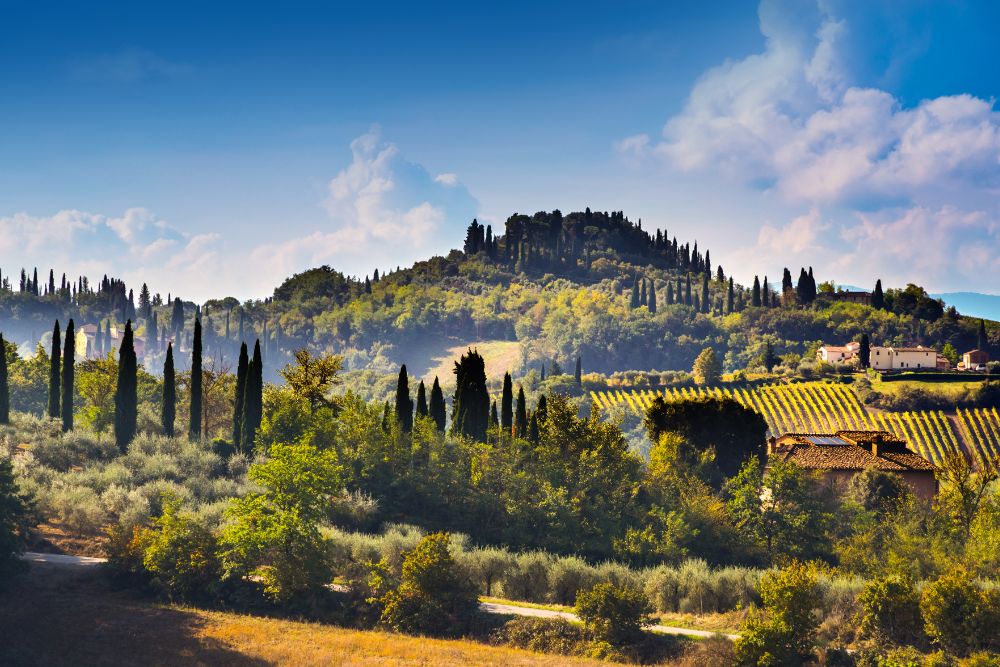
The Italian, mediterranean lifestyle is famous throughout the world. Sitting outside in beautiful weather, surrounded by friends and family, eating fabulous food, drinking delicious wine and gazing at the unsurpassable countryside, has to be everyone's idea of paradise. But this is no idle dream! It is a dream that has become reality for many people who have chosen to relocate to this wonderful country and live in Italy.
What is the Italian lifestyle?
The Italian Lifestyle is hard to define. In Italian, it is called 'La Dolce Vita', or the sweet life. You will often hear Italians listing a litany of woes, covering everything from health to the weather, but especially taxes and politicians. But the list always ends with a sigh and the phrase, 'ma si vive bene in Italia...', meaning "oh well, but we live well in Italy..." And it's true! In Italy, you get the sense that people live for enjoyment, their own and those around them.
Rules and regulations seem to be there to help their lives run more smoothly, and not all of them need to be followed to the letter all of time. If a motorist passes a friend in the street, the car will stop and they will chat. Motorists behind them have to make their own decision as to whether to wait or squeeze past. There will often be extended chats at supermarket checkouts. Those waiting need to remember that patience is a virtue, and that there really isn't any need to rush anyway. When you combine that attitude with wall to wall sunshine, gloriously fresh and delicious food and some of the finest wine in the world, you can see that it really is 'La Dolce Vita'!
Italian Lifestyle and Culture
Italy's way of life is deeply rooted in history, tradition, and community. The Italian lifestyle is known for its emphasis on quality over quantity, with an emphasis on savoring each moment. Italians are famous for their love of la dolce vita, the sweet life. Here's what you can expect when living in Italy:
Festivals and Celebrations
Italians have a festival or celebration for almost every occasion. From the elaborate Carnival of Venice to local sagras (festivals) celebrating everything from truffles to artichokes, life in Italy is an endless party. These events bring people together to celebrate their rich cultural heritage.
Family Values
Family is at the core of Italian culture. Multiple generations often live under one roof, creating close-knit families that spend a lot of time together. This focus on family creates a strong sense of community and support.
Art and History
Italy is home to countless masterpieces of art and architecture. Living in Italy means being surrounded by historic cities like Rome, Florence, and Venice, which offer a rich cultural experience. Museums, galleries, and architectural wonders are just around the corner, making it easy to immerse yourself in Italy's artistic heritage.
Food and Wine
Italian cuisine is world-renowned for its flavors and variety. Fresh, local ingredients, and traditional recipes are the heart of Italian cooking. Whether it's enjoying a simple yet perfect margherita pizza in Naples or savoring homemade pasta in Tuscany, food is a central part of daily life in Italy. Don't forget the wine; Italy boasts some of the best wine regions in the world.
What are Italians like?
Italians are warm, welcoming people who love to relax, celebrate and socialise with family and friends. This celebration and relaxation usually take place around the table either at home or in a restaurant, where they can enjoy the traditions of the Italian cuisine.
Italians have a passion for eating but also for talking. In Italy, conversation is an art form.
If you live in Italy, as you walk in the streets or stop at a café in one of the many squares, you will notice Italians of all ages engaged in intense and animated discussions on a wide variety of topics ranging from family, work, politics, gossip, food, wine and sports, and especially soccer!
From the largest cities to the most rural of villages, there is one place that remains the central meeting point of Italian culture - the piazza. No matter how big or small a piazza may be, you can be sure there will always be people sitting, strolling, walking, talking and interacting with one another. Piazzas are also the main focal points for Italian festivals, gatherings, celebrations and political events. This fascinating mix of activities is one of the things that makes Italy one of the best places to live.
Retiring to Italy
Many people try to decide where are the best places to retire overseas...
Those that choose to retire to Italy can be comfortable in the knowledge that Italy is considered to be one best places in the world to retire to.
Expats
Italy has been a favourite destination for people moving abroad for many years and there are now a considerable number of expats living in Italy. There are quite large communities in Tuscany, Marche and Puglia as well as in the area around Rome where there are many companies and organisations providing products and services for expats. The southern regions are beginning to be interesting to foreigners, but generally in those areas there are fewer expats living in Italy.
Moving to Italy
One of the first things to consider when moving to Italy is exactly where in the country you want to go. Italy is one of the most diverse countries on the planet, and all of the regions have something different to offer. If you want to live somewhere flat, don't move to Aosta. If you want somewhere hilly, don't move to Puglia. Do your homework first! More...
Regional Diversity
Italy is a country of remarkable diversity. Each region has its own unique culture, dialect, and traditions. From the sunny beaches of Sicily to the mountainous beauty of the Dolomites in the north, there's an Italy for everyone. The pace of life, food, and even the language can vary greatly from region to region, allowing you to choose an environment that suits your preferences.
Housing and Cost of Living
The cost of living in Italy can vary widely based on your location. Major cities like Rome, Milan, and Venice tend to be more expensive, while rural areas and smaller towns offer a more affordable lifestyle. Housing options range from charming apartments in historical city centers to rustic villas in the countryside. Keep in mind that finding accommodation in popular cities can be competitive, so it's wise to start your search early.
Buying a property in Italy can be complicated, and there are several additional payments and taxes involved. This is the best way to send money to Italy. It is a good idea to find out as much as you can about the process before starting 'house hunting'. More...
Healthcare System
Italy boasts a well-regarded healthcare system, with both public and private options available. As a resident, you can access the public healthcare system, which is funded through taxation. However, many expats opt for private health insurance for additional coverage and quicker access to specialized care.
Education
If you have children or plan to study in Italy, you'll find a wide range of educational opportunities. Italy offers an excellent education system, with both public and private schools. The country is also known for its world-class universities, making it an attractive destination for students pursuing higher education.
Transportation
Italy's transportation infrastructure is efficient and well-connected. The country boasts a network of trains, buses, and a growing high-speed rail system that makes it easy to travel within Italy and to nearby countries. Many Italians rely on public transportation, especially in cities, which can be both convenient and cost-effective.
Employment and Work Opportunities
For expatriates, finding employment in Italy can be challenging due to the competitive job market. Fluency in Italian is often a requirement for many positions. However, there are opportunities in sectors like tourism, education, and technology. Additionally, many expats choose to start their own businesses, often in the tourism or hospitality industry.
Adjusting to Italian Life
The process of adjusting to life in Italy may take time, as you adapt to new cultural norms and lifestyles. Be patient, open-minded, and willing to embrace the Italian way of life. It's essential to be adaptable and open to new experiences. Building relationships with locals can help you integrate into the community and make your life in Italy all the more enriching.
Language and Communication
While English is widely spoken in major cities and tourist areas, learning the Italian language can significantly enhance your experience of living in Italy. Italians greatly appreciate when foreigners make an effort to speak their language, and it can help you integrate into the local community.
Anyone who is moving to Italy should make efforts to learn the language. It seems like an obvious thing to say, but many expats don't, and the success or failure of their move can be affected by not being able to understand what is going on around them. Although many Italians do speak some degree of English, it is by no mean universal, and it would be foolish to rely on always being able to find someone to translate for you. More...
Residency and Legalities
To live in Italy for an extended period, you'll need to navigate the country's residency requirements. The rules can be complex, and it's advisable to consult with the Italian embassy or consulate in your home country for detailed information about visas, work permits, and residency applications.
Anyone from within the EU who is moving to Italy needs to become a resident after being in the country for 3 months. Anyone from outside the EU, needs to apply for a 'Permesso di Soggiorno' within 90 days of arrival, even if they do not require a visa to visit Italy. There is plenty of information on Italian residency, italian immigration and italian citizenship in our page 'Living Legally in Italy'. More...
Motoring
If a foreign-plated car is imported into Italy, it must be re-registered in Italy within 6 months. This must be arranged through your local Immatriculation Centre. The process is somewhat complicated, so you should allow plenty of time if you are moving to italy permanently. More...
Tax
As an Italian property owner, whether resident or non resident, you must by law file a tax return in Italy. So, for expats living in Italy, or for those planning to relocate to Italy, it is important to get advice about your tax position. More...
Conclusion
Living in Italy is a dream for many, and it's easy to see why. The country's vibrant culture, rich history, delicious cuisine, and stunning landscapes make it an enticing destination. Whether you're considering Italy as your new home or just daydreaming about a future adventure, the Italian way of life offers an unforgettable experience. From lively festivals to the appreciation of art, family values, and mouthwatering food, Italy has much to offer those who are ready to embrace its unique charm.
Discover the magic of living in Italy, where you can savor the sweet life and explore a culture that celebrates the past while embracing the future. Italy's diversity, regional differences, and strong sense of community create a unique and unforgettable living experience. So, why not start your own Italian adventure and explore the beauty of Italy's culture, cuisine, and history?


A short video to support this article.