Skip to content
Places / Provinces / Tuscany / Prato Province
Province of Prato
Villa Medicea di Poggio, province of Prato<br> <a href="https://commons.wikimedia.org/wiki/File:Villa_Medicea_di_Poggio.jpg">Niccolo Rigacci</a>, <a href="http://creativecommons.org/licenses/by-sa/3.0/">CC BY-SA 3.0</a>, via Wikimedia Commons

Province of Prato

Published:

The province of Prato may be one of the smallest in Tuscany, but it holds a powerful presence in both Italian history and modern creativity. Situated just northwest of Florence, this province is often overlooked by travelers focused on more famous destinations, yet it offers a fascinating mix of ancient heritage, artisanal traditions, and natural beauty.

Known primarily for its world-renowned textile industry, the province of Prato also contains a wealth of Renaissance art, medieval architecture, and countryside hamlets surrounded by olive groves and vineyards. It is a place where culture and craftsmanship go hand in hand, creating a destination both authentic and innovative.
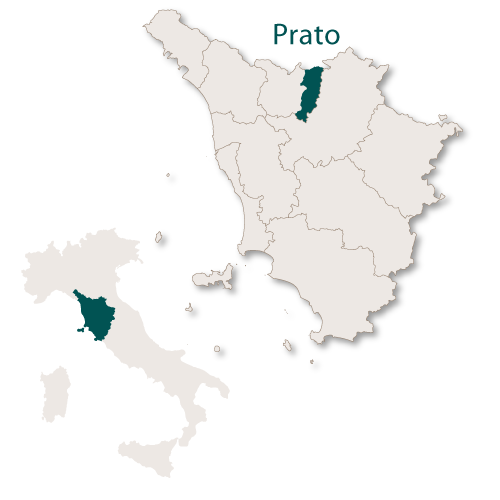
Prato Province
Province of Prato, Tuscany

The textile tradition and economic innovation

For centuries, the province of Prato has been a major center of textile production in Europe. From the Middle Ages to today, its wool and fabric industries have shaped not only the local economy but also its identity. The Textile Museum, located in a former factory, showcases this legacy with exhibitions on both historic techniques and modern fashion.

The area remains a hub of creativity and industrial design, with hundreds of companies working in everything from recycling wool to producing cutting-edge fabrics for international designers. This legacy of innovation makes the province not just a historical region, but a forward-looking and globally connected part of Tuscany.

Villages and countryside escapes

Beyond its industrial heritage, the province of Prato offers a quiet and beautiful countryside that many travelers never discover. The hills north of the city are dotted with old farmhouses, forests, and tiny villages like Montepiano and Vernio, where traditional life continues at a relaxed pace.

These villages offer beautiful hiking routes, ancient churches, and seasonal festivals that reflect a deep connection to the land. Local products such as chestnuts, honey, and olive oil add to the region’s appeal, making it an ideal destination for agritourism and rural retreats away from tourist crowds.

Art and architecture across the province

The province may be compact, but its artistic heritage is impressive. Romanesque churches, Renaissance frescoes, and medieval fortresses can be found throughout the area. The town of Carmignano, located on a hillside with views across the Arno valley, houses a stunning painting by Pontormo in its church of San Michele.

Nearby, the Medici Villa of Artimino, a UNESCO World Heritage Site, reflects the grandeur of Florence’s ruling family in the peaceful countryside. The combination of rustic charm and noble history gives the province of Prato a unique and well-balanced character, rich in artistic treasures both grand and intimate.

Nature and trails in the Apennine foothills

The northern part of the province rises into the foothills of the Apennines, creating a landscape of wooded slopes, rivers, and meadows. This area is ideal for outdoor enthusiasts looking to hike, bike, or simply explore peaceful nature in a lesser-known part of Tuscany. The Bisenzio Valley is especially scenic and accessible.

In warmer months, the forests are filled with wildflowers, and in autumn they glow with the colors of changing leaves. There are also old hermitages and monasteries hidden in the hills, offering both spiritual and scenic experiences for those who take the time to walk the ancient paths that still cross this land.

Gastronomy rooted in tradition

The food of the province of Prato reflects both its countryside and its cultural heritage. Dishes are hearty, flavorful, and based on seasonal ingredients. One of the most famous specialties is cantucci, the almond biscuits traditionally served with sweet Vin Santo. These treats are now enjoyed around the world but remain closely tied to their Tuscan origin.

Other local favorites include sedani ripieni, a type of stuffed celery dish, and dishes using local beans, wild herbs, and game meat. In the hills, small producers still make olive oil and pecorino cheese using traditional methods. Food here is not just something to enjoy—it is part of the local story, passed down through generations.

Festivals and cultural events

The province of Prato has a lively calendar of events that blend history, art, and local celebration. The most famous is the Corteggio Storico, a historical parade held each September to honor the relic of the Sacred Girdle, believed to have been given to the city in the Middle Ages. The event includes medieval costumes, music, and religious ceremonies.

Throughout the year, food festivals, artisan markets, and cultural exhibitions highlight the best of local traditions. Whether it is a wine-tasting event in Carmignano or a textile design show in Prato, these gatherings bring people together and showcase the province’s creative energy and sense of community.

A gateway to Tuscany’s many treasures

One of the great advantages of visiting the province of Prato is its location. It is a perfect base for exploring central Tuscany, located within easy reach of Florence, Pisa, and Lucca. Yet it offers a quieter and more affordable alternative, with excellent transport links and less tourist congestion.

Visitors can enjoy a day of exploring medieval towns, followed by an afternoon shopping in local fabric outlets or relaxing in a village cafe. The province provides a well-rounded experience of Tuscany that combines accessibility with authenticity, allowing travelers to see a more intimate side of the region.

Why visit the province of Prato

The province of Prato may not be as famous as some of its Tuscan neighbors, but that is part of its charm. It offers a rich combination of culture, craftsmanship, natural beauty, and history, all within a compact and welcoming area. It is a place where the past and the present blend smoothly, and where creativity continues to thrive in many forms.

Whether you are interested in art, food, textiles, nature, or simply enjoying the rhythm of local life, the province of Prato invites you to explore its unique landscape. It is a rewarding and authentic destination that reflects the heart of Tuscany in every detail.

Regional Dossier

Flag of Tuscany

Tuscany

Maps, key facts, access, and central-Italy context — a compact reference beneath the article.

Map of Tuscany

Region

Map showing the provinces of Tuscany

Provinces

Map showing airport access in Tuscany

Airports

Tuscany at a glance: regional outline, provinces, and airport access (Florence and Pisa as key gateways).
Tuscany highlight photo 1 Tuscany highlight photo 2 Tuscany highlight photo 3
City art, vineyard hills, and coastal reaches — Tuscany in three frames.

Provinces

Tuscany is divided into ten provinces — with Florence as the principal hub and strong secondary cities across the region.

Arezzo

Capital: Arezzo · Comuni: 36

Show comuni
  • Anghiari
  • Arezzo
  • Badia Tedalda
  • Bibbiena
  • Bucine
  • Capolona
  • Caprese Michelangelo
  • Castel Focognano
  • Castel San Niccolò
  • Castelfranco Piandiscò
  • Castiglion Fibocchi
  • Castiglion Fiorentino
  • Cavriglia
  • Chitignano
  • Chiusi della Verna
  • Civitella in Val di Chiana
  • Cortona
  • Foiano della Chiana
  • Laterina Pergine Valdarno
  • Loro Ciuffenna
  • Lucignano
  • Marciano della Chiana
  • Monte San Savino
  • Montemignaio
  • Monterchi
  • Montevarchi
  • Ortignano Raggiolo
  • Pieve Santo Stefano
  • Poppi
  • Pratovecchio Stia
  • San Giovanni Valdarno
  • Sansepolcro
  • Sestino
  • Subbiano
  • Talla
  • Terranuova Bracciolini

Firenze

Capital: Firenze · Comuni: 41

Show comuni
  • Bagno a Ripoli
  • Barberino di Mugello
  • Barberino Tavarnelle
  • Borgo San Lorenzo
  • Calenzano
  • Campi Bisenzio
  • Capraia e Limite
  • Castelfiorentino
  • Cerreto Guidi
  • Certaldo
  • Dicomano
  • Empoli
  • Fiesole
  • Figline e Incisa Valdarno
  • Firenze
  • Firenzuola
  • Fucecchio
  • Gambassi Terme
  • Greve in Chianti
  • Impruneta
  • Lastra a Signa
  • Londa
  • Marradi
  • Montaione
  • Montelupo Fiorentino
  • Montespertoli
  • Palazzuolo sul Senio
  • Pelago
  • Pontassieve
  • Reggello
  • Rignano sull'Arno
  • Rufina
  • San Casciano in Val di Pesa
  • San Godenzo
  • Scandicci
  • Scarperia e San Piero
  • Sesto Fiorentino
  • Signa
  • Vaglia
  • Vicchio
  • Vinci

Grosseto

Capital: Grosseto · Comuni: 28

Show comuni
  • Arcidosso
  • Campagnatico
  • Capalbio
  • Castel del Piano
  • Castell'Azzara
  • Castiglione della Pescaia
  • Cinigiano
  • Civitella Paganico
  • Follonica
  • Gavorrano
  • Grosseto
  • Isola del Giglio
  • Magliano in Toscana
  • Manciano
  • Massa Marittima
  • Monte Argentario
  • Monterotondo Marittimo
  • Montieri
  • Orbetello
  • Pitigliano
  • Roccalbegna
  • Roccastrada
  • Santa Fiora
  • Scansano
  • Scarlino
  • Seggiano
  • Semproniano
  • Sorano

Livorno

Capital: Livorno · Comuni: 19

Show comuni
  • Bibbona
  • Campiglia Marittima
  • Campo nell'Elba
  • Capoliveri
  • Capraia Isola
  • Castagneto Carducci
  • Cecina
  • Collesalvetti
  • Livorno
  • Marciana
  • Marciana Marina
  • Piombino
  • Porto Azzurro
  • Portoferraio
  • Rio
  • Rosignano Marittimo
  • San Vincenzo
  • Sassetta
  • Suvereto

Lucca

Capital: Lucca · Comuni: 33

Show comuni
  • Altopascio
  • Bagni di Lucca
  • Barga
  • Borgo a Mozzano
  • Camaiore
  • Camporgiano
  • Capannori
  • Careggine
  • Castelnuovo di Garfagnana
  • Castiglione di Garfagnana
  • Coreglia Antelminelli
  • Fabbriche di Vergemoli
  • Forte dei Marmi
  • Fosciandora
  • Gallicano
  • Lucca
  • Massarosa
  • Minucciano
  • Molazzana
  • Montecarlo
  • Pescaglia
  • Piazza al Serchio
  • Pietrasanta
  • Pieve Fosciana
  • Porcari
  • San Romano in Garfagnana
  • Seravezza
  • Sillano Giuncugnano
  • Stazzema
  • Vagli Sotto
  • Viareggio
  • Villa Basilica
  • Villa Collemandina

Massa-Carrara

Capital: Massa-Carrara · Comuni: 17

Show comuni
  • Aulla
  • Bagnone
  • Carrara
  • Casola in Lunigiana
  • Comano
  • Filattiera
  • Fivizzano
  • Fosdinovo
  • Licciana Nardi
  • Massa
  • Montignoso
  • Mulazzo
  • Podenzana
  • Pontremoli
  • Tresana
  • Villafranca in Lunigiana
  • Zeri

Pisa

Capital: Pisa · Comuni: 37

Show comuni
  • Bientina
  • Buti
  • Calci
  • Calcinaia
  • Capannoli
  • Casale Marittimo
  • Casciana Terme Lari
  • Cascina
  • Castelfranco di Sotto
  • Castellina Marittima
  • Castelnuovo di Val di Cecina
  • Chianni
  • Crespina Lorenzana
  • Fauglia
  • Guardistallo
  • Lajatico
  • Montecatini Val di Cecina
  • Montescudaio
  • Monteverdi Marittimo
  • Montopoli in Val d'Arno
  • Orciano Pisano
  • Palaia
  • Peccioli
  • Pisa
  • Pomarance
  • Ponsacco
  • Pontedera
  • Riparbella
  • San Giuliano Terme
  • San Miniato
  • Santa Croce sull'Arno
  • Santa Luce
  • Santa Maria a Monte
  • Terricciola
  • Vecchiano
  • Vicopisano
  • Volterra

Pistoia

Capital: Pistoia · Comuni: 20

Show comuni
  • Abetone Cutigliano
  • Agliana
  • Buggiano
  • Chiesina Uzzanese
  • Lamporecchio
  • Larciano
  • Marliana
  • Massa e Cozzile
  • Monsummano Terme
  • Montale
  • Montecatini-Terme
  • Pescia
  • Pieve a Nievole
  • Pistoia
  • Ponte Buggianese
  • Quarrata
  • Sambuca Pistoiese
  • San Marcello Piteglio
  • Serravalle Pistoiese
  • Uzzano

Prato

Capital: Prato · Comuni: 7

Show comuni
  • Cantagallo
  • Carmignano
  • Montemurlo
  • Poggio a Caiano
  • Prato
  • Vaiano
  • Vernio

Siena

Capital: Siena · Comuni: 35

Show comuni
  • Abbadia San Salvatore
  • Asciano
  • Buonconvento
  • Casole d'Elsa
  • Castellina in Chianti
  • Castelnuovo Berardenga
  • Castiglione d'Orcia
  • Cetona
  • Chianciano Terme
  • Chiusdino
  • Chiusi
  • Colle di Val d'Elsa
  • Gaiole in Chianti
  • Montalcino
  • Montepulciano
  • Monteriggioni
  • Monteroni d'Arbia
  • Monticiano
  • Murlo
  • Piancastagnaio
  • Pienza
  • Poggibonsi
  • Radda in Chianti
  • Radicofani
  • Radicondoli
  • Rapolano Terme
  • San Casciano dei Bagni
  • San Gimignano
  • San Quirico d'Orcia
  • Sarteano
  • Siena
  • Sinalunga
  • Sovicille
  • Torrita di Siena
  • Trequanda