Napoli: Triumph, Tradition, and Passion in Italian Football
Società Sportiva Calcio Napoli, more commonly known as Napoli, is one of Italy’s most iconic football clubs. Nestled in the vibrant city of Naples, Napoli’s story is one of passion, resilience, and a deep connection with its fans. From the glory days of Diego Maradona to the modern successes in Serie A, the club has carved out a unique place in the annals of football history. This article delves into the rich history, challenges, and triumphs of Napoli, capturing the essence of a club that is as much about its people as it is about the game.
Early Years: Foundation and Growth
SSC Napoli was founded in 1926 as Associazione Calcio Napoli by industrialist Giorgio Ascarelli. The early years of the club were challenging, as Napoli struggled to make a significant impact in Italian football. However, the passion of the Neapolitan people for their team was evident from the start, with fervent support that would become a hallmark of the club.
During the 1930s and 1940s, Napoli experienced moderate success, managing to secure respectable positions in Serie A. Despite financial difficulties and fluctuating performances, the club became a symbol of the city’s pride, representing the hopes and aspirations of Naples, a city with a rich cultural heritage but often marginalized in the national context.
The Maradona Era: A Golden Age
The most glorious chapter in Napoli’s history began in 1984 with the arrival of Diego Maradona, widely regarded as one of the greatest footballers of all time. Maradona’s transfer from Barcelona for a then-world record fee of $7.5 million changed the fortunes of the club and ignited a golden era.
Maradona’s impact was immediate and profound. He led Napoli to its first-ever Serie A title in the 1986-87 season, a victory that sent shockwaves throughout Italian football. The streets of Naples erupted in joy, with celebrations that lasted for days. This triumph was more than just a football victory; it was a moment of vindication for a city often overlooked in Italy’s football hierarchy.
Under Maradona’s leadership, Napoli won their second Serie A title in 1989-90 and added the Coppa Italia in 1987 and the UEFA Cup in 1989. Maradona’s genius on the pitch, combined with his deep connection with the Neapolitan people, turned him into a living legend. His tenure at Napoli is often viewed as a golden period, with the club achieving success that it has since struggled to replicate.
Post-Maradona Struggles and Revival
The departure of Maradona in 1991 marked the beginning of a difficult period for Napoli. The club faced financial troubles, on-pitch struggles, and eventual relegation from Serie A in the late 1990s. The once-proud club found itself in Serie B, battling to return to the top flight of Italian football.
Napoli’s darkest hour came in 2004 when the club declared bankruptcy. However, the passion of the fans and the determination of new owner Aurelio De Laurentiis, a film producer, breathed new life into the club. De Laurentiis re-founded the club as Napoli Soccer, which later reclaimed the name SSC Napoli, and set about rebuilding the team from the ground up.
Napoli’s revival was swift. By 2007, the club had returned to Serie A, and under the guidance of coaches like Walter Mazzarri and Maurizio Sarri, Napoli re-established itself as a force in Italian football. The team’s attacking style of play, spearheaded by players like Edinson Cavani, Marek Hamšík, and Gonzalo Higuaín, brought them close to winning Serie A, finishing as runners-up on multiple occasions.
Recent Success and the Quest for Glory
In recent years, Napoli has solidified its place as one of the top teams in Serie A. The appointment of Carlo Ancelotti in 2018, followed by Gennaro Gattuso and Luciano Spalletti, signaled the club’s intent to challenge for the Scudetto consistently. Napoli’s performance under Spalletti, particularly in the 2021-22 season, showcased a team capable of competing with Italy’s best, with the likes of Kalidou Koulibaly, Lorenzo Insigne, and Dries Mertens playing crucial roles.
The 2022-23 season marked a historic achievement for Napoli as they won their first Serie A title in 33 years, securing the championship under Spalletti’s guidance. This triumph was the culmination of years of rebuilding and investment, as well as the passion and resilience of the club and its supporters. The title win sparked celebrations across Naples, reminiscent of the Maradona era, reaffirming Napoli’s place at the top of Italian football.
The Stadio Diego Armando Maradona: A Fortress of Passion
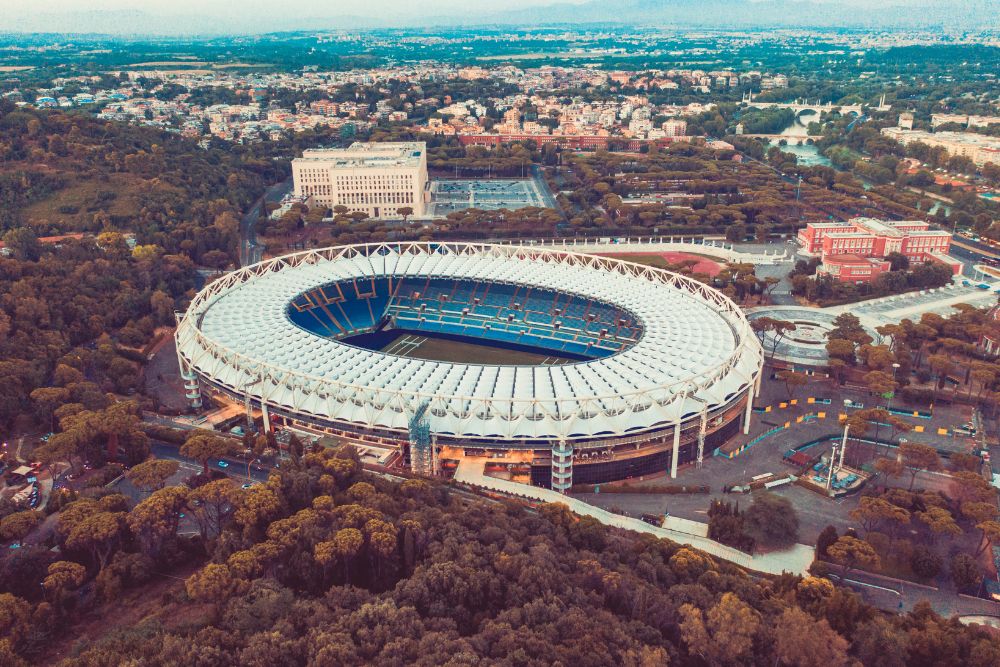
Napoli’s home, the Stadio Diego Armando Maradona, formerly known as Stadio San Paolo, is more than just a football stadium; it is a cauldron of passion and energy. The stadium, which was renamed in honor of Maradona following his passing in 2020, is known for its electric atmosphere, with Napoli’s fans, the *tifosi*, creating an intimidating environment for visiting teams.
The relationship between Napoli’s fans and their club is one of the most passionate in world football. The Neapolitan people see the club as an extension of their identity, with football providing a means to express their pride and defiance. This connection is evident on match days, where the stadium is filled with songs, chants, and displays of unwavering support.
Napoli’s Place in Italian and European Football
Napoli’s journey through the years has been marked by moments of brilliance, periods of struggle, and an unbreakable bond with its supporters. The club’s ability to rise from adversity and compete at the highest levels is a testament to its enduring spirit.
In Italian football, Napoli has become a symbol of resilience and ambition, consistently challenging the dominance of Northern Italian clubs like Juventus, AC Milan, and Inter Milan. While the club has yet to replicate the European success it enjoyed during the Maradona era, Napoli remains a respected and feared competitor on the continental stage.
The club’s focus on developing talent, both homegrown and international, has positioned it as a breeding ground for some of football’s most exciting players. Napoli’s commitment to attacking football and its refusal to compromise on style have won it admirers around the world, ensuring that the club’s influence extends far beyond Italy’s borders.
Conclusion
SSC Napoli is more than just a football club; it is a symbol of a city’s pride, passion, and resilience. From the glory days of Diego Maradona to the modern successes in Serie A, Napoli’s journey is one of triumph over adversity, fueled by an unwavering connection with its fans. As the club looks to the future, its legacy as a cornerstone of Italian football is secure, with the hope of more triumphs on the horizon.
Napoli’s story is a reminder that in football, as in life, success is often born from struggle, and the most enduring victories are those that are hardest fought. As the club continues to grow and evolve, the spirit of Naples will always be at the heart of SSC Napoli, driving it toward new heights and unforgettable moments on the pitch.