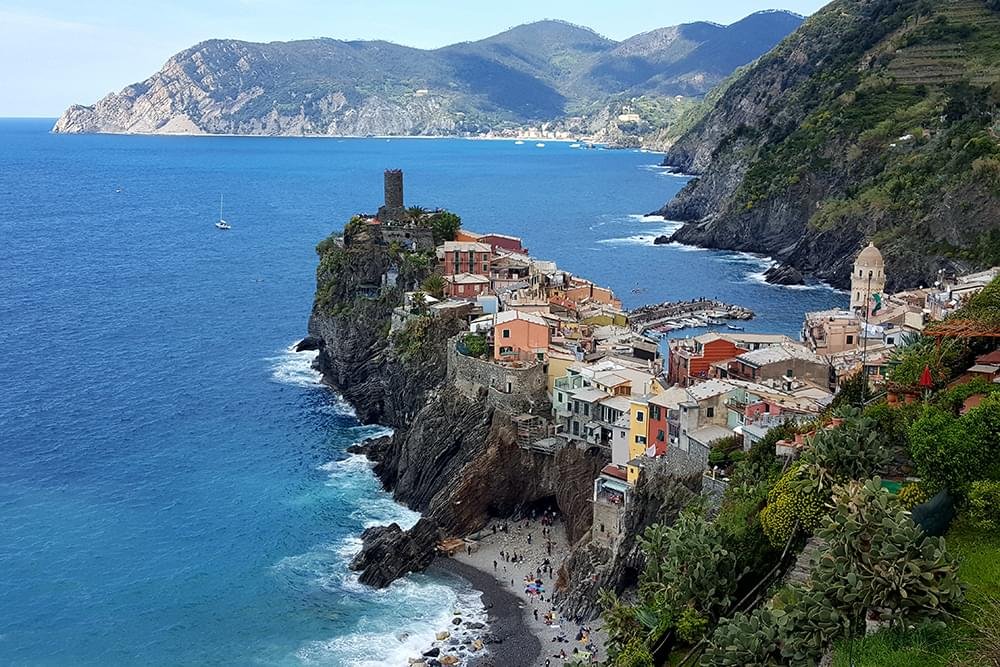
Filicudi: The Wild and Timeless Island of the Aeolian Archipelago
Filicudi is one of the most remote and unspoilt of the Aeolian Islands, a place where time seems to slow and nature takes centre stage. With its dramatic volcanic cliffs, crystal-clear waters, ancient walking trails, prehistoric settlements and peaceful villages, Filicudi offers a rare escape from the busier pace of modern life. Here, the rhythms of the island are dictated by the sea, the wind and the volcanic landscape, creating an atmosphere that is both serene and profoundly compelling.
Unlike its more famous neighbours, Filicudi remains largely untouched by mass tourism. Its rugged terrain and limited development have preserved a sense of authenticity that appeals to travellers seeking space, silence and connection with nature. From the iconic sea stack La Canna to the awe-inspiring Grotta del Bue Marino and the prehistoric village of Capo Graziano, Filicudi is rich with natural and cultural treasures. Each corner of the island reveals a different perspective on volcanic beauty, ancient civilisation and Mediterranean tranquillity.
This comprehensive guide explores Filicudi’s history, landscapes, trails, sea caves, villages, food and practical tips to help you experience one of the most captivating and wild islands in Italy.
A Journey Into Filicudi’s Ancient Past
Filicudi has been inhabited since the Neolithic era, long before the rise of Greek and Roman civilisation. Archaeological discoveries show that early settlers were attracted by the island’s volcanic obsidian, a natural glass prized for making sharp tools. Over centuries, Filicudi became an important centre of trade, connecting early Mediterranean cultures. The remains of these prehistoric communities are still visible today at the remarkable site of Capo Graziano.
Capo Graziano, located on a promontory above the sea, features the ruins of Bronze Age dwellings dating back more than 3,500 years. The settlement consists of circular stone huts arranged on terraced slopes, offering insight into the daily life of early Aeolian inhabitants. Excavations have revealed pottery, tools and household items that speak to a sophisticated and organised community.
In classical times, Filicudi was known as Phoenicusa, a name that possibly refers to the abundant palm-like vegetation that once covered the island. The Greeks, Romans and later civilisations left their marks, though the island’s isolation preserved much of its original character. Today, visitors walking through ancient pathways or exploring archaeological remains experience a deep sense of continuity between past and present.
The Geography and Volcanic Landscape of Filicudi
Filicudi’s landscape is dominated by a series of extinct volcanic cones, steep ridges and dramatic cliffs that plunge directly into the sea. The island’s interior is rugged and wild, covered with Mediterranean shrubs, prickly pear, caper plants and patches of woodland. Trails weave around the slopes, offering impressive views of neighbouring islands and the open sea.
The island’s volcanic character is evident in its coastal formations, from basalt columns to underwater lava flows. One of the most famous features is La Canna, a tall volcanic rock pinnacle rising 71 metres from the sea. This striking sea stack is a symbol of Filicudi and a highlight for boat tours around the island.
The combination of volcanic geology, deep blue water and sparse human development makes Filicudi one of the most visually striking islands in the Aeolian chain. It feels remote and untouched, perfect for travellers who want to leave behind the distractions of daily life and immerse themselves in raw natural beauty.
Filicudi Porto: The Island’s Quiet Gateway
Filicudi Porto is the main arrival point for ferries and hydrofoils. This small harbour village offers essential services, a few cafés and a welcoming atmosphere where visitors immediately sense the island’s peaceful rhythm. The waterfront is simple and charming, with fishing boats, colourful facades and a mix of locals and travellers enjoying the slow pace of island life.
The village extends gently uphill, offering views of the bay and the surrounding hills. A few shops sell local products such as capers, wine and handmade crafts. While Filicudi Porto is not as busy as hubs on larger islands, its authenticity is part of its appeal. Even in high season, it retains a calm and uncluttered feel.
From the harbour, paths and roads lead toward Pecorini a Mare, the island’s second village, as well as toward hiking trails that reach the summit ridges and archaeological sites. Many visitors choose to stay in or near the port because it offers the best balance of convenience and tranquillity.
Pecorini a Mare: Sunset, Music and Seaside Life
Pecorini a Mare, located on the southwestern coast, is the island’s most atmospheric and sociable village. Although still quiet compared to other Aeolian destinations, it has a relaxed beach culture that attracts travellers looking for evening gatherings, music, sunset aperitifs and a touch of bohemian charm.
The small pebble beach is an inviting spot for swimming, especially in late afternoon when the sun begins to sink toward the horizon. Along the waterfront, rustic bars and simple restaurants offer aperitifs, fresh seafood and local culinary traditions. Summer evenings often feature live music or convivial gatherings that bring locals and visitors together.
Pecorini a Mare is a place to unwind, watch boats drift across the water and enjoy the island’s warm, intimate spirit. It is also a perfect base for reaching Filicudi’s western trails and coastal paths.
The Prehistoric Village of Capo Graziano
Capo Graziano is one of the most significant archaeological sites in the Aeolian Islands. Situated on a headland overlooking the sea, this Bronze Age village dates from the 17th to the 15th century BCE and provides invaluable insight into early island life. The remains of around thirty circular stone huts are arranged on terraced slopes, each structure revealing details about the architecture and social organisation of the time.
Walking through Capo Graziano feels like stepping back thousands of years. The ruins are surrounded by silence, broken only by the sound of the sea below and the wind moving through the vegetation. Information panels describe the findings, allowing visitors to imagine how families lived, cooked, traded and built their homes in this spectacular coastal setting.
Above the settlement, a path continues to the summit of Monte Guardia, offering panoramic views across the Aeolian archipelago. The combination of archaeology and nature makes Capo Graziano a must-see destination for history lovers and hikers alike.
Hiking and Nature Trails: Exploring the Wild Terrain
Filicudi is a paradise for hikers. Its network of old mule tracks, terraced paths and volcanic trails leads through some of the most untouched landscapes in the Aeolian chain. Hiking here means encountering sweeping sea views, ancient ruins, wild plant life and dramatic geological formations.
One of the most popular hikes leads from Filicudi Porto to the summit of Monte Fossa Felci, the island’s highest point at 774 metres. The ascent offers a mix of forested sections, steep rocky steps and wide open viewpoints. From the summit, you can admire all seven Aeolian Islands, with Stromboli often visible as a faint plume in the distance.
Another rewarding route follows the path to Zucco Grande, an abandoned hamlet surrounded by terraced fields and stone farmhouses. The area offers a glimpse into Filicudi’s rural past and provides one of the island’s most atmospheric walking experiences. Trails to Pecorini, Capo Graziano and the western cliffs complete a rich network of routes for walkers craving solitude and scenic beauty.
La Canna: Filicudi’s Iconic Sea Stack
La Canna is one of the most extraordinary features of Filicudi — a towering basalt pinnace rising 71 metres straight out of the sea. Formed by ancient volcanic activity, it is a symbol of the island and one of the most photographed natural landmarks in the Aeolian archipelago.
Boat tours from Filicudi Porto or Pecorini a Mare travel around La Canna, offering breathtaking views of the pillar’s vertical walls and the deep blue waters below. The area is protected, making it an important site for marine biodiversity. Snorkelling near La Canna reveals vibrant underwater life, with fish species sheltering among rocks and submerged lava formations.
As the boat approaches the formation, travellers appreciate the extraordinary power of natural forces that shaped the Aeolian landscape. La Canna is more than a landmark; it is a geological masterpiece that embodies the wild essence of Filicudi.
Grotta del Bue Marino: The Sea Cave of Deep Blue Light
Grotta del Bue Marino is one of the Aeolian Islands’ most famous sea caves, renowned for the intense blue light that illuminates its interior. The name, meaning “Sea Ox Cave,” refers to the monk seals that were once frequent visitors. Today, the cave is a highlight of coastal excursions and a magical stop for travellers exploring Filicudi by boat.
The cave’s wide entrance opens into a spectacular chamber where sunlight reflects off underwater surfaces to create shimmering blue illumination. Depending on the time of day, the cave glows with shades of turquoise, cobalt and silver. Boat captains often switch off the engine and encourage silence so visitors can appreciate the echoing sound of waves and the ethereal atmosphere.
Swimming in the waters outside the cave is a memorable experience, offering visibility that reveals underwater rock formations and marine life. The Grotta del Bue Marino is a must-see for anyone exploring Filicudi’s coastline.
Coastal Exploration and Boat Tours
Boat tours are essential for experiencing the beauty of Filicudi’s rugged coast. Excursions usually circle the island, stopping at sea caves, hidden coves and geological wonders. In addition to La Canna and Grotta del Bue Marino, highlights include the volcanic cliffs of Filo di Sciacca, the underwater formations near Capo Graziano and the secluded bays where travellers can swim in pristine waters.
Some tours also visit the small offshore rock called Montenassari, as well as coastal areas accessible only by sea. Private charters allow visitors to customise their route, ideal for photographers, swimmers and couples seeking a romantic escape. With its dramatic cliffs and luminous waters, Filicudi offers one of the most spectacular coastal landscapes in Italy.
At sunset, coastal excursions become especially magical. The sky turns deep orange and pink, and the rugged silhouette of Filicudi takes on a golden glow. Watching the sun sink behind the sea stack of La Canna is a moment that many travellers describe as unforgettable.
Local Gastronomy and Culinary Traditions
Filicudi’s cuisine is simple, authentic and closely tied to the island’s natural resources. Fresh seafood is a staple, with dishes featuring anchovies, swordfish, prawns and octopus. Aeolian capers, olives, tomatoes and herbs add flavour to many local recipes. Due to the island’s volcanic soil, vegetables grow with exceptional fragrance and intensity.
“Pane cunzato,” Aeolian salads, stuffed vegetables and pasta with capers and cherry tomatoes are popular choices in local restaurants. Fish couscous, grilled dishes and homemade pastries reflect the blending of Mediterranean influences that shaped Filicudi’s culinary identity.
The island also produces small quantities of wine, particularly Malvasia, although not on the same scale as Salina. Enjoying a meal with a sea view, whether in Filicudi Porto or Pecorini a Mare, is an essential part of the island experience. The food is wholesome and satisfying, prepared with care and respect for tradition.
Planning Your Trip to Filicudi
Filicudi is connected by ferry and hydrofoil to Milazzo, Lipari, Salina and other Aeolian Islands, though services are less frequent than on larger islands. This limited access contributes to its quiet and exclusive nature. Visitors should check schedules carefully and plan travel with flexibility, especially outside summer months.
Accommodation options include guesthouses, small hotels, villas and bed-and-breakfasts. Many offer panoramic terraces, sea views and peaceful surroundings. Because the island is hilly, transport often involves walking or hiring scooters; buses operate between major villages but run on limited schedules.
The best seasons to visit are late spring and early autumn, when temperatures are ideal for hiking and the landscape is lush. Summer offers warm seas and a more social atmosphere in Pecorini a Mare, though Filicudi never becomes crowded. Travellers seeking tranquillity will find the island enchanting even in high season.
Why Filicudi Should Be On Your Travel List
Filicudi offers an unparalleled sense of peace, wildness and authenticity. Its rugged volcanic terrain, pristine waters, prehistoric sites and quiet villages create a destination that feels timeless and untouched. Unlike more developed islands, Filicudi invites contemplation, exploration and a deeper connection with nature.
Whether you are hiking ancient paths, swimming beneath towering cliffs, exploring blue-lit sea caves or watching the sunset beside La Canna, Filicudi provides a uniquely intimate and memorable encounter with the Mediterranean. It is an island for seekers of beauty, solitude and discovery — a place where the modern world feels far away and the elements of earth and sea reveal their purest form.