Skip to content
Nature / Birds / Italian Golden Eagle
Italian Golden Eagle

Italian Golden Eagle

Published:

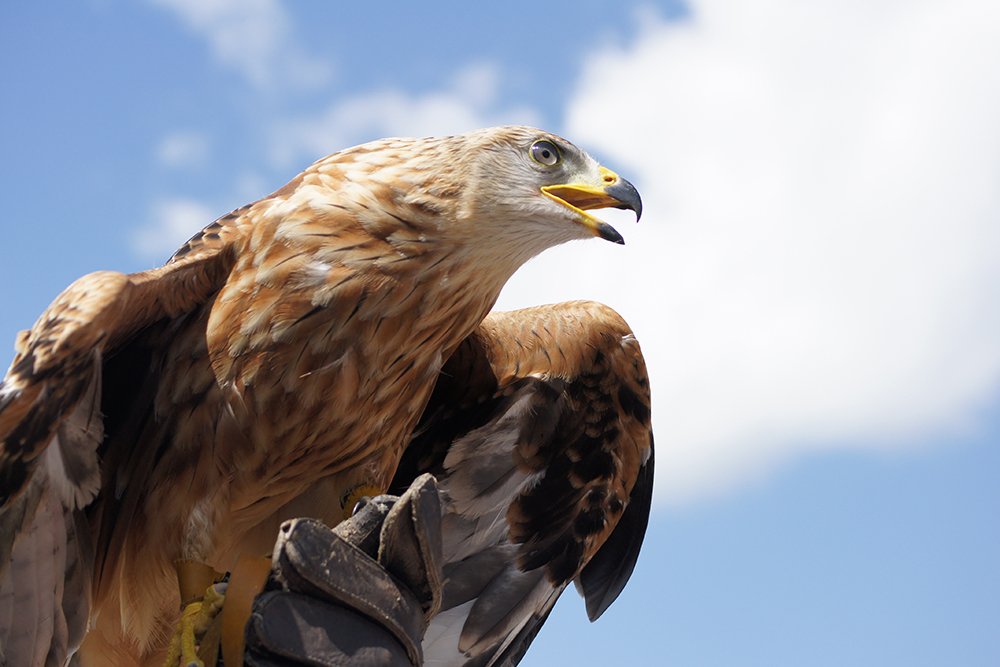
The golden eagle (Aquila chrysaetos) is one of the most iconic and revered raptors in the world. This magnificent bird of prey is known for its striking appearance and formidable hunting prowess. In Italy, the golden eagle has established itself as a symbol of natural beauty and wilderness. This article will delve into the world of the golden eagle in Italy, exploring its distribution, numbers, conservation efforts, and the cultural significance it holds in various regions.

Distribution of Golden Eagles in Italy

The golden eagle is widely distributed across Italy, inhabiting a diverse range of landscapes from the towering Alps in the north to the rugged Apennines in the south. Here are some of the key regions where golden eagles can be found:

The Alps:

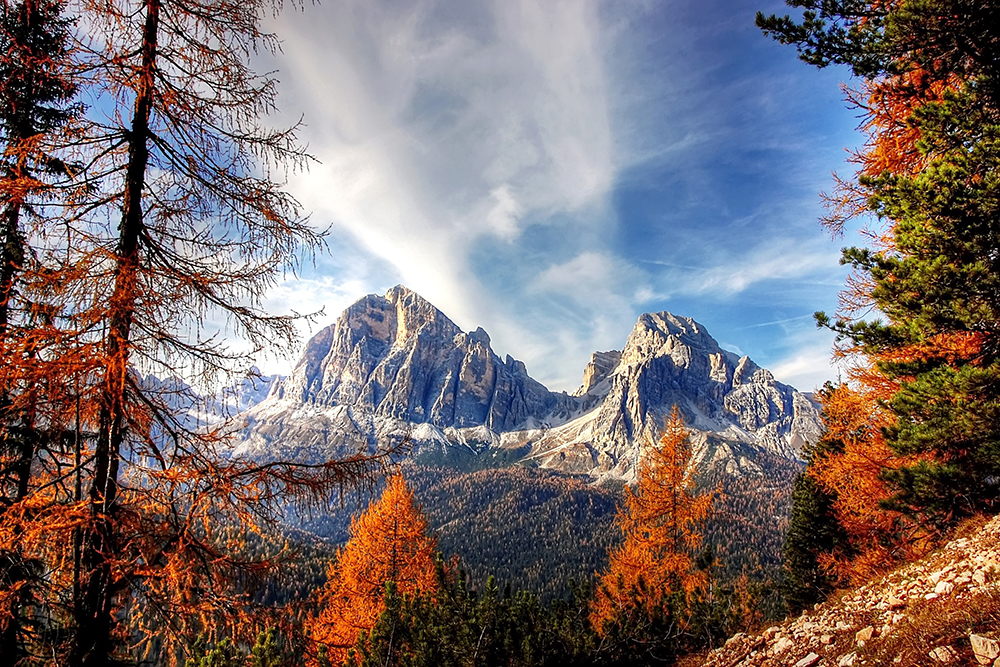
The Alps, which stretch across the northern part of Italy, provide ideal habitat for golden eagles. The towering peaks and alpine meadows offer ample opportunities for hunting and nesting. Notable regions where golden eagles can be found in the Alps include Lombardy, Trentino-Alto Adige, and the Aosta Valley.

The Apennines:

Running down the length of the Italian Peninsula, the Apennine Mountains are home to a significant population of golden eagles. They thrive in regions such as Abruzzo, Molise, and Calabria.

Central Italy:

Golden eagles are known to inhabit the central regions of Italy, including Tuscany, Umbria, and Marche. The diverse landscapes, including hilly terrain and dense forests, offer a range of prey species for these raptors.

Sardinia and Sicily:

These Mediterranean islands also host golden eagle populations. The mountainous terrain of Sardinia and the hilly landscapes of Sicily provide suitable habitats.

Golden Eagle Numbers in Italy

Estimating the exact number of golden eagles in Italy is a challenging task due to their elusive nature and remote habitats. However, several studies and conservation efforts have provided estimates:

Alpine Population:

The Alps are believed to house a significant proportion of Italy's golden eagles, with an estimated population of around 400 to 500 pairs. These birds often nest at high altitudes and are relatively well-monitored due to their accessibility in comparison to other regions.

Apennine Population:

In the Apennines, the golden eagle population is estimated to be around 200 to 300 pairs. This population is considered stable and vital for the overall conservation of the species in Italy.

Sardinia and Sicily:

The golden eagle population on these Mediterranean islands is smaller, with an estimated 20 to 30 pairs in each region. Their presence in these isolated environments is particularly unique.

Central Italy:

Central Italy, with its rolling hills and varied landscapes, supports an estimated 100 to 150 pairs of golden eagles. The stable presence of these raptors in central regions is crucial for the species' genetic diversity.

Conservation Efforts

Italy has taken significant steps to protect its golden eagle population. Conservation measures include:

Protected Areas:

Italy has established several protected areas, such as national parks and nature reserves, that provide safe havens for golden eagles. These areas help safeguard their habitats and prey species.

Anti-Poaching Efforts:

Poaching and illegal hunting have been a threat to golden eagles. Italy has implemented strict anti-poaching laws and campaigns to raise awareness about the importance of these raptors.

Nest Protection:

Conservationists and researchers monitor golden eagle nests, ensuring that disturbances are minimized during the breeding season. This helps in the successful raising of young eagles.

Research and Monitoring:

Ongoing research and monitoring efforts track the golden eagle population's health and trends. This information is invaluable for tailoring conservation strategies.

Cultural Significance

The golden eagle has a deep cultural significance in Italy. It is often seen as a symbol of strength, freedom, and the wild beauty of the country's natural landscapes. In certain regions, the golden eagle is part of local folklore and traditions, representing the connection between humans and the environment.

In some parts of Italy, golden eagles have been depicted in art and literature, further highlighting their cultural importance. The majestic raptor features prominently in the works of Italian poets, writers, and artists, serving as a powerful symbol of the nation's untamed wilderness.

Conclusion

The golden eagle in Italy is a majestic and iconic species, with populations spread across the country's diverse landscapes. While the exact numbers are challenging to determine, conservation efforts and protected areas play a vital role in preserving these raptors. The golden eagle's cultural significance adds to its allure, making it not only a symbol of Italy's natural beauty but also a testament to the nation's commitment to environmental conservation. It is a species worth celebrating and protecting for generations to come.

Natural Systems

Nature icon

Nature

A compact reference to Italy’s natural systems — land, climate, seismic forces, and living environments — designed to sit beneath articles.

Geography Climate Seismology Biodiversity
Italy natural landscape
Mountains, plains, coastlines, and islands — the physical systems that shape climate, life, water, and natural risk.

Italy — nature snapshot

Stable reference signals for quick environmental orientation.

Terrain

Highly varied

Alps in the north, an Apennine spine through the peninsula, large plains, long coastlines, and major islands. Sharp contrasts can occur over short distances, creating strong local “micro-regions.”

Climate

Multi-zone

Mediterranean patterns dominate many coasts, with alpine conditions at altitude and more continental influence inland. Latitude, elevation, and exposure shape rainfall, temperature, wind, and seasonality.

Volcanism

Active systems

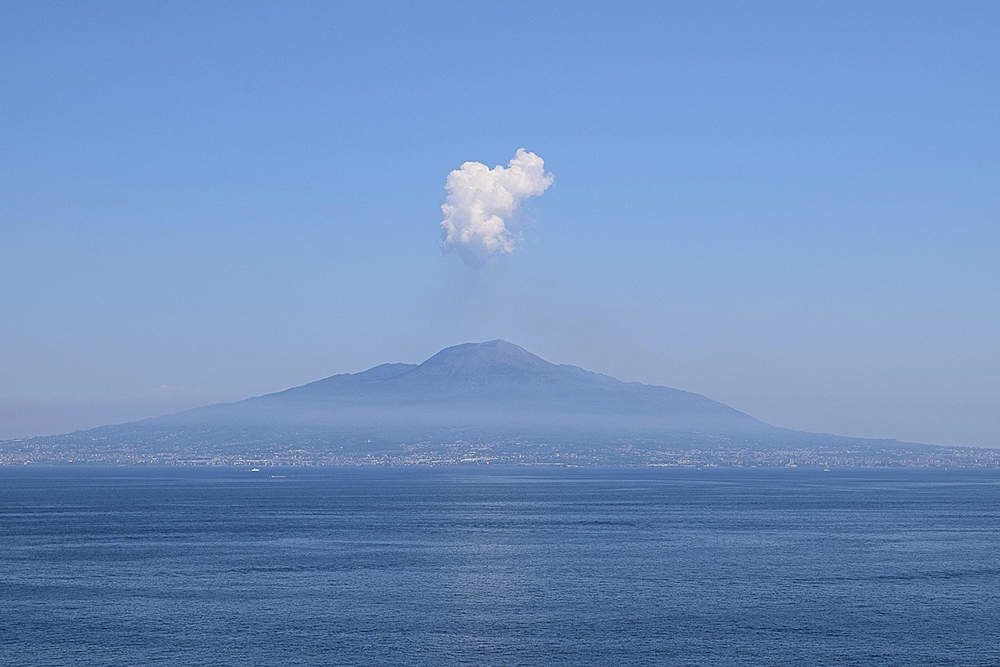
Volcanic landscapes appear both as islands and mainland zones. Risk and monitoring focus on specific volcanic areas rather than being uniform nationwide.

Earthquakes

Frequent

Italy sits in an active tectonic setting, so seismicity is a persistent national reality. Exposure varies by region, with building standards and local geology strongly affecting impacts.

Water

Seasonal

Rivers and lakes structure settlement and corridors, while rainfall and snowpack drive seasonal availability. Drought, floods, and water management pressures can intensify during extreme seasons.

Coasts

Extensive

Long coastlines create maritime climates, wetlands, dunes, cliffs, and port landscapes. Coastal zones also concentrate tourism and infrastructure, increasing sensitivity to erosion and storm events.

Habitats

Dense mosaic

Alpine forests, Mediterranean scrub, wetlands, river plains, high meadows, and island ecosystems coexist in tight space. This habitat variety supports strong biodiversity and regional specialisation.

Key risks

Multiple

Earthquakes and volcanic activity combine with hydro-meteorological risks: floods, landslides, wildfire, and heat stress. Most impacts are local, but climate extremes can produce national-scale disruption.

Geography

A compressed landscape

Italy packs major terrain types into a narrow footprint: alpine massifs, a long mountain spine, broad plains, volcanic zones, and extensive coasts. This compression produces strong local contrasts in vegetation, agriculture, settlement density, and mobility — even between neighbouring valleys or coastlines. For readers, “place” often equals “terrain,” because terrain dictates climate, water, and the rhythm of life.

Climate

Mediterranean, alpine, continental

Climate shifts quickly with latitude and altitude, producing warmer maritime coasts, colder mountain zones, and more continental interiors. Rainfall patterns vary widely: some areas are shaped by winter storms, others by summer dryness, and many by sharp seasonal transitions. Exposure and microclimates matter — wind corridors, lake effects, and mountain barriers often explain local conditions better than a national average.

Seismology

An active boundary zone

Italy sits in a tectonically active setting, which is why earthquakes are recurrent and why volcanism remains a live factor in certain regions. Risk is uneven: geology, local ground conditions, and building stock can amplify or reduce impacts. The practical takeaway is preparedness — monitoring, building standards, and land-use planning are part of living sustainably in this landscape.

Biodiversity

High diversity, tight space

Italy’s habitat mosaic supports rich plant and animal life, including alpine species, Mediterranean specialists, wetland communities, and island endemics. Many ecosystems are closely interlocked, so change in water regimes, temperature extremes, or land management can cascade quickly. Conservation is therefore both about protected areas and about how farmland, forests, rivers, and towns connect as an ecological network.

Italy geography
Geography
Italy climate
Climate
Italy seismic activity
Seismology
Italy biodiversity
Biodiversity
Italy flora and fauna

Flora & Fauna

Plants, animals, and habitats

Italy’s living environment ranges from Mediterranean scrub and coastal wetlands to alpine forests, high meadows, and island ecosystems. This supports a wide spectrum of birds, mammals, reptiles, and insect life, alongside regionally distinctive plant communities shaped by altitude and water availability. Many iconic landscapes are “worked nature” — forests managed over time, agricultural mosaics, and grazing zones — so biodiversity often depends on both protection and sustainable land practice.

Italy natural risk and adaptation

Natural Risk

Living with instability

Italy’s risk profile combines geological hazards (earthquakes and volcanic activity) with climate-linked threats such as floods, landslides, wildfire, and heat stress. Impacts are usually local, but can be severe where steep terrain, dense settlement, and infrastructure corridors intersect. The modern response is continuous: monitoring and early warning, resilient construction, water and slope management, and practical adaptation for hotter, more extreme seasons.