Skip to content
Tourism / Travel / Getting Around
Getting Around Italy

Getting Around Italy

Published:

Italy has an area of over 300,000 square kilometres. It is approximately 1,130 kilometres long and has approximately 7,600 kilometres of coastline. Over a third of the total area is mountainous, over 700 metres high, and the Alpine ranges in the north and the Appenines range down the centre can make travelling round the country somewhat challenging.

When Italy was a destination on 'The Grand Tour', intrepid visitors struggled around the country by boat, foot and donkey, encountering a multitude of perils on the way. However, modern-day transport facilities in Italy are mostly well developed and armed with the correct information, visitors should be able to reach their destinations in relative comfort.

Italian Motorways

Getting around Italy, italian transport, trains in italy, eurostar, intercity trains, regional trains, buses, ferries, italian motorways, toll charges, coach travel in italy, italian car hireSergey Ashmarin, CC BY-SA 3.0, via Wikimedia Commons

There are 3,408 km of motorways in Italy, used by 4 million motorists. They are mostly well maintained, fast and fairly free of traffic. They operate on a toll system. As you enter a stretch of motorway, you will pass through an 'Alt Stazione' where you take a ticket from an automatic machine. When you exit that part of the motorway system you will pass through another 'Alt Stazione' where you present your ticket and pay the toll charge. Payment can be made automatically with cash or credit card, or at a manned kiosk. It is possible to buy a 'Telepass' which allows you to pass through the 'Alt Stazione' without stopping. The Automobile Club Italiano (ACI) is the Italian breakdown organisation equivalent to the AA in Britiain. If you breakdown anywhere in Italy, dialling 116 will put you through to the nearest ACI centre. On the motorways, there are emergency telephones every 2 kilometres.

Italian Trains

Getting around Italy, italian transport, trains in italy, eurostar, intercity trains, regional trains, buses, ferries, italian motorways, toll charges, coach travel in italy, italian car hirekitmasterbloke, CC BY 2.0, via Wikimedia Commons

There are three types of train in Italy. The Eurostar is the premium grade. It is fast, comfortable and good value for money. Getting around Italy, italian transport, trains in italy, eurostar, intercity trains, regional trains, buses, ferries, italian motorways, toll charges, coach travel in italy, italian car hire The Intercity trains are less modern but still relatively fast and efficient. The Regional trains tend to be the oldest, the slowest and the least comfortable, especially in the south. However, they do amble around the countryside, stopping at all the most inaccessible places, so they too have a role to play. The rail fares in Italy are generally very reasonable.

Italian Buses

Getting around Italy, italian transport, trains in italy, eurostar, intercity trains, regional trains, buses, ferries, italian motorways, toll charges, coach travel in italy, italian car hireFabrighiglie, Public domain, via Wikimedia Commons

In Italy there is a very efficient inter-city bus service. The buses are modern, comfortable, fast and well equipped. They also provide a very economical way of traveling around the country. See our bus timetable for details.

Italian Ferries

Getting around Italy, italian transport, trains in italy, eurostar, intercity trains, regional trains, buses, ferries, italian motorways, toll charges, coach travel in italy, italian car hireJacopo Werther, CC BY-SA 4.0, via Wikimedia Commons

There are a lot of islands off the coast of Italy, including the major ones of Sardinia and Sicily, so naturally there are a lot of ferries traveling backwards and forwards. The major ferry terminals are: Genoa, Civitavecchia, Napes, Palermo. Ancona, Bari and Brindisi. There are other, smaller ones at Livorno, Piombino, Catania, Porto Torres, Portoferraio, Salerno, Savona and Venezia. See our ferry timetable for details.

Transport Information

Italian motorway information

Italian train timetable

Italian bus timetable

Italian ferry information

Find hotels in Italy

Travel & Experience

Tourism icon

Tourism

A compact reference to how Italy is visited, experienced, and explored — across regions, seasons, and styles of travel — designed to sit beneath articles.

Destinations Activities Travel Stay
Italy tourism — landscapes and cities
Cities, coastlines, countryside, and culture — Italy as a destination shaped by geography, history, and lived experience.

Italy — tourism snapshot

Stable reference signals for quick travel orientation.

Peak season

Summer

Coastal and island demand concentrates in summer, while major cities attract visitors year-round. Shoulder seasons often deliver the best balance of weather, pricing, and crowd levels.

Core magnets

Cities + coasts

Historic cities, iconic coastlines, and lake districts dominate first-time itineraries. Repeat travel frequently expands into rural regions, islands, and “second-city” routes.

UNESCO sites

61

World Heritage properties across archaeology, historic centres, cultural landscapes, and natural areas. Heritage density makes culture a default feature of travel rather than a niche interest.

Travel styles

Mixed

Italy supports fast multi-city routes and slow, place-based stays. Choices are often shaped by transport access, season, and whether the trip is culture-led, beach-led, or food-led.

Transport

Strong rail

High-speed rail links major cities efficiently, while regional rail and roads shape access to smaller towns and landscapes. Islands and remote areas often require careful planning around seasonal schedules.

Accommodation

Wide range

Hotels, agriturismi, short lets, historic properties, and family-run stays allow different budgets and travel modes. In popular areas, availability and pricing can be highly seasonal.

Experiences

Rich mix

City culture, beach time, food and wine, hiking, skiing, festivals, art routes, and coastal boating all coexist. Many regions support specialist travel: archaeology, design, performance arts, craft, or landscape.

Crowd pressure

Localised

Pressure is concentrated in a small number of global icons, while many high-quality areas remain under-visited. Travel dispersal and off-peak timing often deliver better experiences and lower impact.

Overview

A multi-layered destination

Italy attracts visitors for culture, landscape, food, and lifestyle — but travel patterns differ sharply by season, region, and purpose. First trips often focus on iconic cities and landmarks, while repeat travel tends to become more regional and place-based. The country rewards both styles: fast itineraries for highlights, and slower stays for depth, rhythm, and local character.

Destinations

Cities, coasts, countryside

Italy’s destination map ranges from historic capitals and art cities to alpine resorts, lake districts, islands, and rural interiors. Tourism concentrates heavily in well-known areas, but emerging destinations often offer comparable beauty with less pressure. For travellers, the most useful planning lens is region: each offers a distinct mix of landscape, heritage, cuisine, and pace.

Experiences

What visitors come to do

Sightseeing is only one layer: food and wine routes, outdoor travel, festivals, beach seasons, weddings, and specialist interests shape demand. Many regions support “theme travel” — archaeology, hiking, skiing, sailing, art trails, craft workshops, or culinary learning. The strongest experiences tend to combine place, tradition, and everyday life rather than ticking a single landmark.

Travel & stay

Movement and accommodation

Transport networks determine what kind of trip is realistic: high-speed rail makes multi-city travel easy, while rural regions reward slower routes by car or local connections. Accommodation spans hotels, apartments, agriturismi, family-run stays, historic villas, and coastal resorts — each shaping the feel of a journey. Season and local infrastructure are decisive: the same destination can feel effortless in one month and complex in another.

Italy top destinations
Destinations
Tourism activities in Italy
Activities
Special places in Italy
Special places
Historic sites in Italy
Historic sites
Lesser-known places in Italy

Beyond the icons

Lesser-known Italy

Smaller towns, rural landscapes, and under-visited regions often deliver the most “lived Italy”: local markets, seasonal festivals, and strong community identity. These areas reward slower movement and curiosity, with experiences built around landscape, craft, and food culture rather than queues. For many travellers, dispersing beyond the icons improves both travel quality and sustainability by reducing pressure on a handful of global hotspots.

Wine tourism and cultural learning in Italy

Slow travel

Learning, wine, and immersion

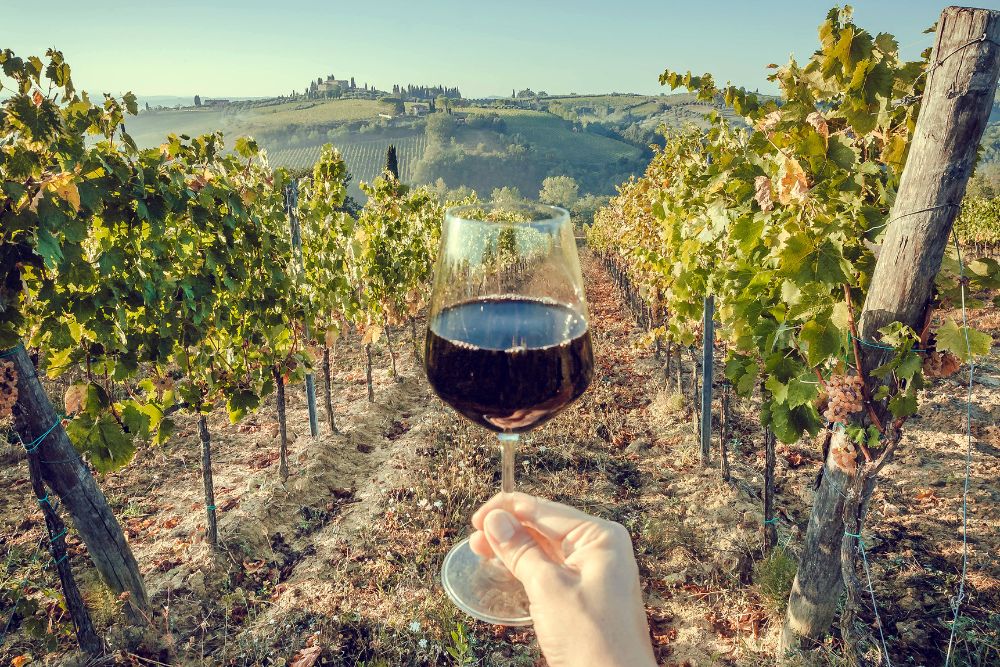
Slow travel is about participation: language courses, culinary learning, wine routes, craft workshops, walking trails, and extended stays that create familiarity with a place. It typically shifts the trip from “seeing” to “doing,” with daily routines — cafés, shops, local transport — becoming part of the experience. This style of travel is also flexible: it can be budget-friendly or highly luxurious, but it always prioritises time, rhythm, and local connection.