Skip to content
Places / Lakes / Lake Carezza
Lake Carezza

Lake Carezza

Published:

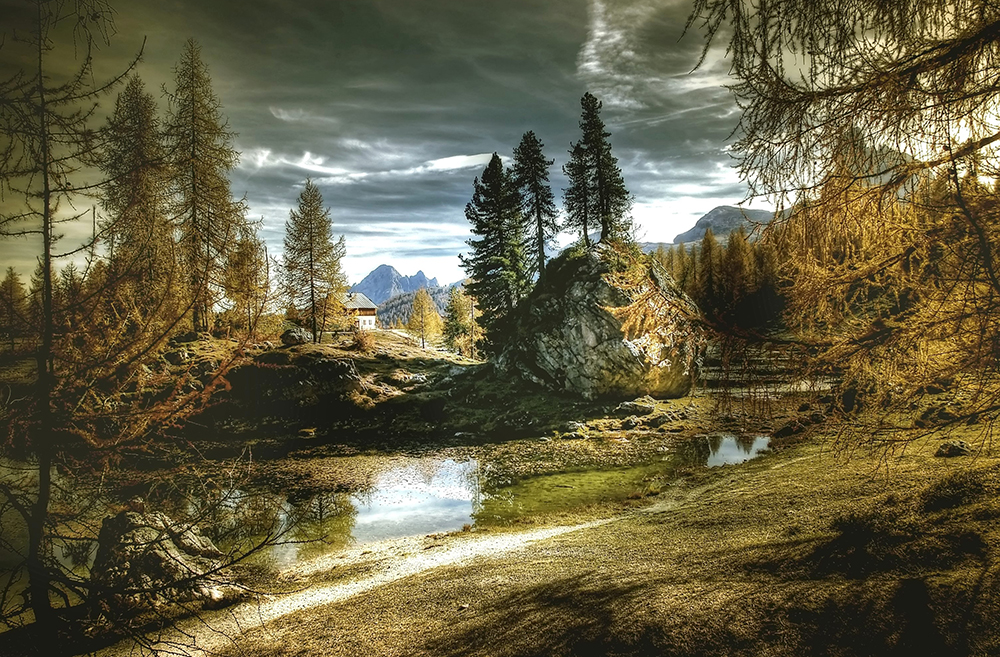
Nestled in the heart of the Italian Dolomites, Lake Carezza, also known as Lago di Carezza or Karersee, stands as a testament to nature's unparalleled artistry. This small alpine lake, located at an elevation of 1,534 meters in South Tyrol's Val d'Ega, is renowned for its mesmerizing emerald-green waters and the breathtaking backdrop of the Latemar and Catinaccio mountain ranges. Its captivating beauty has earned it the affectionate nickname "Rainbow Lake."

A Natural Marvel

Formed through glacial processes, Lake Carezza is fed by subterranean springs originating from the Latemar massif. The lake's dimensions fluctuate with the seasons, reaching depths of up to 22 meters in spring when fed by melting snow, and receding to around 6 meters by October. Despite its modest size, the lake's crystal-clear waters offer an unobstructed view of the colorful stones lining its bed, creating a visual spectacle that has captivated visitors for generations.

The Legend of Ondina

Beyond its natural allure, Lake Carezza is steeped in local legend. According to folklore, a beautiful water nymph named Ondina resided in its depths. Enchanted by her melodious singing, a sorcerer from the Latemar mountains sought to capture her heart. On the advice of a witch, he created a magnificent rainbow over the lake to attract her attention. However, upon seeing the display, Ondina became frightened and disappeared forever into the lake's depths. In his despair, the sorcerer shattered the rainbow, its fragments falling into the lake and giving rise to the myriad colors that dance upon its surface today.

Seasonal Splendors

Lake Carezza offers distinct experiences across the seasons:

Spring:

As snowmelt feeds the lake, its waters reach their peak levels, and the surrounding flora bursts into bloom, painting the landscape with vibrant colors.

Summer:

The lake becomes a haven for hikers and nature enthusiasts. A 1.2 km circular trail encircles the lake, providing an easy 20-minute walk with panoramic views of the shimmering waters and towering peaks.

Autumn:

The foliage transforms into a tapestry of reds, oranges, and yellows, offering a striking contrast against the evergreen trees and the lake's emerald hue.

Winter:

A blanket of snow and ice envelops the lake, creating a serene and otherworldly landscape. The nearby Carezza ski area offers winter sports enthusiasts a variety of activities amidst this picturesque setting.

Visiting Lake Carezza

Located approximately 25 km from Bolzano, Lake Carezza is accessible by both car and public transport. For those driving, a parking lot is situated opposite the lake, with a pedestrian tunnel leading directly to the shoreline. Public buses from Bolzano also provide regular service to the lake, making it convenient for visitors without private transportation.

While the lake's beauty is inviting, swimming is prohibited to preserve its pristine condition. Visitors are encouraged to respect the natural environment by staying on designated paths and not crossing protective barriers. Information panels along the trail offer insights into the lake's geology, flora, fauna, and the legends that enrich its history.

Nearby Attractions

The region surrounding Lake Carezza boasts a wealth of attractions:

Hiking and Biking Trails:

Numerous trails of varying difficulty wind through the Dolomites, catering to both casual walkers and seasoned hikers. Mountain biking is also popular, with routes offering exhilarating rides through alpine terrains.

Golfing:

The nearby Carezza Golf Club provides a unique opportunity to play a round amidst stunning mountain vistas.

Skiing:

During winter, the Carezza ski area offers slopes suitable for all skill levels, complemented by modern facilities and services.

Preservation Efforts

Recognizing its ecological and cultural significance, local authorities have implemented measures to protect Lake Carezza's delicate environment. Visitors are urged to adhere to guidelines aimed at preserving the lake's natural beauty for future generations. This includes disposing of waste responsibly, staying on marked trails, and refraining from disturbing wildlife.

Conclusion

Lake Carezza is more than just a picturesque destination; it's a harmonious blend of natural splendor and cultural heritage. Whether you're seeking inspiration, adventure, or tranquility, this enchanting rainbow lake in the Dolomites promises an unforgettable experience that resonates with the timeless beauty of nature.

Places Dossier

Places icon

Italy

A compact place-reference: regions, settlements, landscapes, protected areas, and heritage — designed to sit beneath articles.

Regions Towns & Cities Landscapes Heritage
Italy — places feature image
Italy by territory: how the country breaks down, what to look for, and how landscapes and heritage shape the map.

Italy — places snapshot

Stable reference signals for quick geographic orientation.

Regions

20

Five have special autonomous status, reflecting distinct languages, history, and geography. Regions shape administration, services, and identity — often the most useful “map unit” for travellers and readers.

2nd-level

110

Provinces and metropolitan city authorities that coordinate planning, roads, schools, and territorial services. The role varies by area, but they remain a key layer between region and comune.

Comuni

7,904

The municipal building blocks of Italy — cities, towns, villages, and mountain communities. Local identity is strongly comune-based, and many services and permissions are handled at this level.

National parks

25

State-level protected areas covering alpine massifs, forests, volcanic zones, islands, and coastlines. They anchor biodiversity protection and define some of Italy’s most distinctive natural landscapes.

Highest peak

~4,806 m

Mont Blanc (Monte Bianco) on the border with France — the highest summit in the Alps. Italy’s high mountains influence climate, watersheds, and seasonal travel patterns across the north.

Largest lake

~370 km²

Lake Garda, spanning multiple regions, is the largest Italian lake by surface area. Northern lakes act as microclimate zones and long-standing settlement and resort corridors.

Longest river

652 km

The Po runs west–east across the northern plain, shaping agriculture, industry, and major transport routes. It defines Italy’s largest lowland system and a dense belt of settlement and production.

UNESCO

61

World Heritage properties spread across historic centres, archaeological sites, cultural landscapes, and natural areas. The density of listed places makes heritage a visible, lived layer of the national territory.

Regions

Twenty Italies, one map

Regions are the primary lens for variation: dialects, food cultures, building styles, and everyday rhythms often track regional boundaries. They also structure administration and public services, so “where you are” has practical effects as well as cultural ones. For orientation, region is often the fastest way to understand the landscape, the cuisine, and the character of a place.

Towns & Cities

A network of centres

Italy is organised as a network of historic cities and thousands of comuni rather than a single dominant urban core. Larger cities concentrate infrastructure and institutions, while smaller towns preserve local craft, festivals, and distinctive street patterns. This creates short-distance variety: a few kilometres can shift language, architecture, food, and landscape.

Landscapes

Mountains, plains, coasts

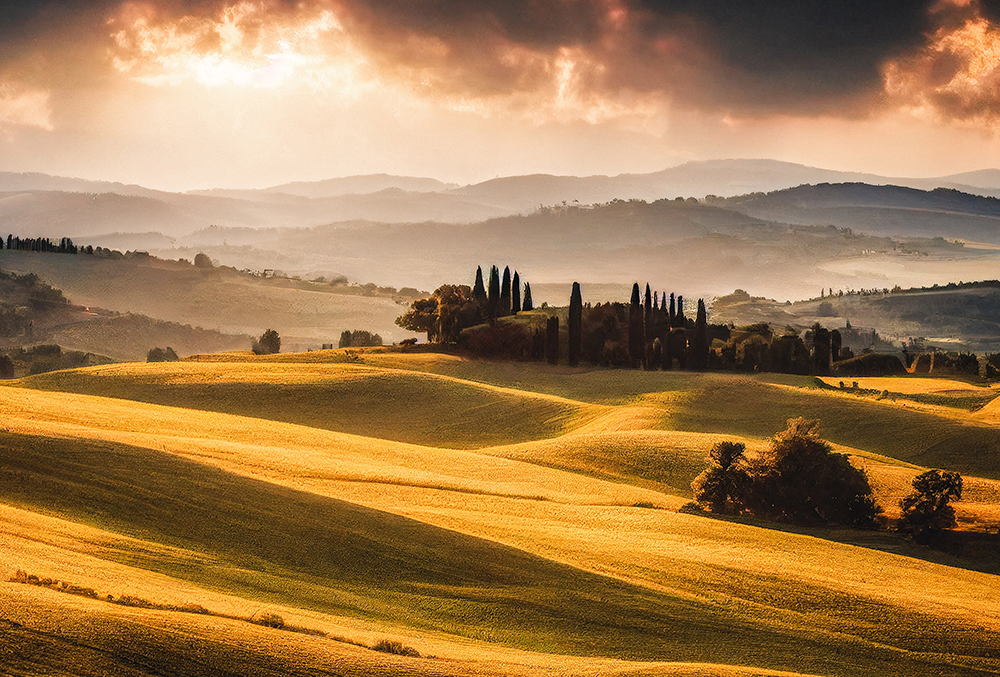
The Alps and Apennines frame the country, with plains, lakes, islands, and long coastlines producing sharp local contrasts. Terrain shapes climate, agriculture, and settlement density — and it also governs travel time far more than straight-line distance suggests. Italy’s landscape is best read as a mosaic of micro-regions, each with its own feel and seasonal rhythm.

Heritage

Layers you can visit

Heritage in Italy is embedded: Roman routes, medieval walls, and Renaissance centres are often part of living neighbourhoods. Archaeology appears both as major sites and as fragments — a column, a gate, a street plan — folded into modern life. The experience is less “museum-only” and more a continuous encounter with past layers in active places.

Italy regions
Regions
Italy towns and cities
Towns & Cities
Italy landscapes
Landscapes
Italy heritage sites
Heritage
Italy national parks, lakes, rivers and mountains

Natural

Parks, peaks, water, islands

Italy’s protected landscapes range from alpine ridgelines and deep forests to volcanic terrain and island coastlines. National parks anchor biodiversity and define some of the country’s most iconic routes and viewpoints, while lakes and rivers organise settlement and mobility corridors. The natural map explains climate shifts, local agriculture, and why certain places became historic crossroads, resort zones, or remote refuges.

Italy archaeological sites

Archaeology

From ruins to living streets

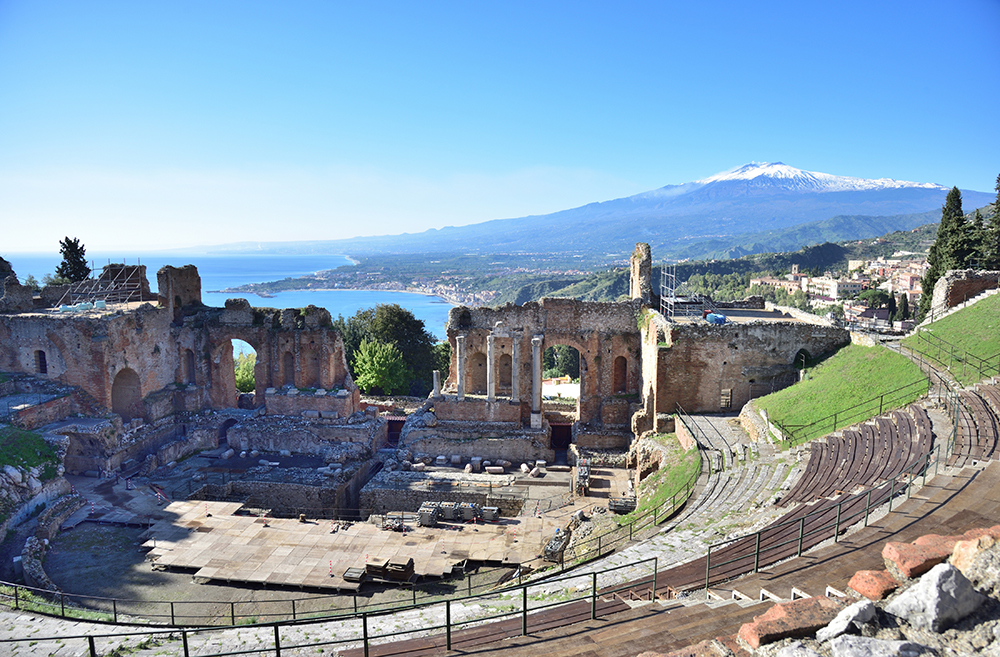
Archaeology in Italy is geographic: Greek colonies in the south, Etruscan centres in central regions, Roman infrastructure nationwide, and medieval layers almost everywhere. Some sites are monumental, but many traces appear as everyday fragments — walls, gates, amphitheatres, road alignments — integrated into modern towns. This is why “place” in Italy often includes time: landscapes and settlements carry multiple eras in the same view.