Italian Mountains
Italy, renowned for its rich history, art, and cuisine, is also home to some of the most spectacular mountain ranges in Europe. These mountains not only shape the country's geography but also influence its culture and way of life. From the towering peaks of the Alps to the unique limestone formations of the Dolomites and the rolling ridges of the Apennines, Italy's mountains offer breathtaking views, diverse ecosystems, and year-round outdoor activities. Whether you're an avid skier, a nature lover, or simply in search of peace and tranquility, Italy's mountain regions promise an unforgettable experience.
The Italian Alps: Towering Majesty and Winter Wonder
The Italian Alps stretch across the northern part of the country, forming a natural border with France, Switzerland, Austria, and Slovenia. The Alps are divided into three main sections: the Western Alps, the Central Alps, and the Eastern Alps. Each section is home to famous peaks, picturesque valleys, and popular ski resorts.
Key Peaks and Destinations:
Monte Bianco (Mont Blanc)
At 4,808 meters, this is the highest peak in Western Europe, located on the border between Italy and France. The Italian side, known as Courmayeur, is a renowned resort for both winter sports and summer hiking.
Matterhorn
One of the most iconic mountains in the world, this pyramid-shaped peak straddles the border between Italy and Switzerland. The Italian side offers views from the charming town of Cervinia.
Ortler
The highest mountain in the Eastern Alps, standing at 3,905 meters, located in South Tyrol, it offers incredible hiking trails and winter sports opportunities.
The Italian Alps are particularly famous for their winter resorts, such as Cortina d’Ampezzo, Bormio, and Madonna di Campiglio, where skiing, snowboarding, and après-ski culture flourish. However, the region is just as enchanting in the summer months, when the snow melts to reveal lush meadows, alpine lakes, and an extensive network of hiking and cycling trails.
The Dolomites: Italy’s Unique Limestone Mountains
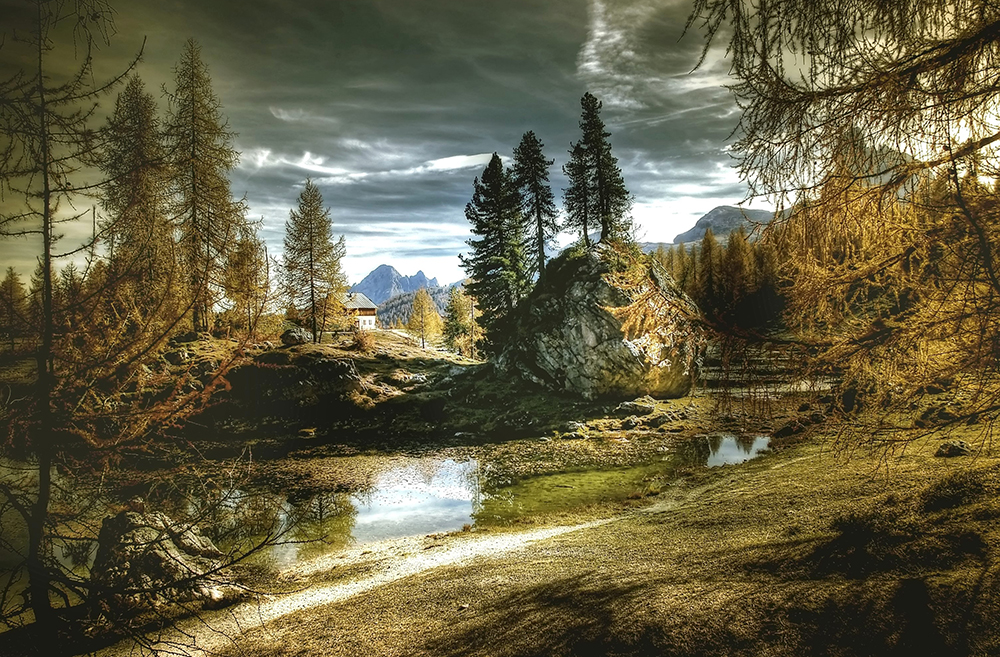
The Dolomites, often described as the most beautiful mountains in the world, are a UNESCO World Heritage Site located in the northern part of Italy. These mountains, characterized by their dramatic cliffs, pale limestone, and jagged spires, are primarily situated in the regions of Trentino-Alto Adige and Veneto.
Highlights of the Dolomites:
Tre Cime di Lavaredo
A trio of iconic peaks that are among the most photographed in the Dolomites, offering stunning views and challenging hiking routes.
Sella Group
A mountain range known for its rugged terrain, perfect for rock climbing and skiing in winter.
Lago di Braies
A turquoise alpine lake nestled at the foot of the Dolomites, providing a picturesque backdrop for boating, hiking, and relaxation.
The Dolomites are renowned for their distinctive geology, offering a range of activities like rock climbing, via ferrata (protected climbing routes), and cycling. In winter, the region transforms into a ski paradise, with resorts like Val Gardena and Alta Badia offering world-class facilities. The Dolomites also have a rich cultural history, with influences from both Italy and Austria, as this region has historically shifted between the two countries.
The Apennines: Italy’s Backbone
The Apennines are a long mountain chain that runs almost the entire length of the Italian peninsula, from Liguria in the north to Calabria in the south. Often referred to as the "spine" of Italy, the Apennines are less dramatic than the Alps or Dolomites but are no less important to the country's landscape and culture.
Notable Peaks and Regions:
Gran Sasso d’Italia:
The highest peak in the Apennines at 2,912 meters, located in the Abruzzo region, is home to the southernmost glacier in Europe and the Campo Imperatore ski resort.
Monte Cimone:
The tallest mountain in the northern Apennines, offering sweeping views and a popular destination for hiking and skiing.
Monti Sibillini:
A beautiful and mystical range located between the regions of Umbria and Marche, known for its wildflowers, medieval villages, and hiking trails.
The Apennines are more densely forested than the Alps and Dolomites, making them ideal for hiking, wildlife spotting, and connecting with nature. National parks such as Parco Nazionale d’Abruzzo and Parco Nazionale del Gran Sasso e Monti della Laga offer a chance to see native wildlife like wolves, bears, and deer. The region is also rich in history, with ancient monasteries, castles, and villages nestled in the hills.
Outdoor Adventures and Activities
Italy's mountains are an outdoor enthusiast's dream, offering year-round activities for all levels of experience. In the winter months, the ski resorts of the Alps and Dolomites attract thousands of visitors for skiing, snowboarding, and snowshoeing. Italy is home to one of the largest ski areas in the world, Dolomiti Superski, which includes 1,200 kilometers of slopes across 12 valleys.
For hikers and climbers, the summer months provide access to some of Europe’s most scenic trails. The Alta Via routes in the Dolomites, the Tour du Mont Blanc, and the Gran Sasso offer a variety of trekking experiences. The Appennino Tosco-Emiliano National Park and the Majella National Park in the Apennines are perfect for less strenuous but equally rewarding hikes.
Cycling is another popular activity in the mountains, especially in the Dolomites, where challenging routes like the Sella Ronda attract cyclists from around the world. The Giro d'Italia, one of the most prestigious cycling races, often features stages in the mountains, showcasing Italy’s rugged beauty.
Cultural and Culinary Delights
Beyond their natural beauty, Italy's mountain regions are steeped in culture and history. Many of the villages and towns in these areas have preserved their traditional ways of life, offering visitors a glimpse into Italy's rural past. The mountain regions are also known for their distinctive cuisine, influenced by the colder climate and alpine pastures. Dishes like polenta, speck (a type of smoked ham), and canederli (bread dumplings) are staples in the north, while porchetta and lamb are popular in the Apennines.
Local festivals celebrating food, folklore, and religion are common throughout the year, especially in smaller villages where age-old traditions continue to thrive. Whether it’s enjoying hearty alpine fare in a rifugio (mountain hut) or sampling local wines like Trentino's Teroldego or Abruzzo’s Montepulciano, the mountains of Italy offer a feast for both the eyes and the palate.
Conclusion: Italy’s Mountains, a Hidden Gem
While Italy is often associated with its art, history, and beaches, its mountains provide an equally compelling reason to visit. Whether you're drawn by the adventure of alpine sports, the serenity of nature, or the charm of mountain villages, Italy’s mountain ranges have something to offer everyone. From the majestic Alps and the picturesque Dolomites to the rolling Apennines, these peaks are a testament to Italy’s diverse and breathtaking landscape.