Craco
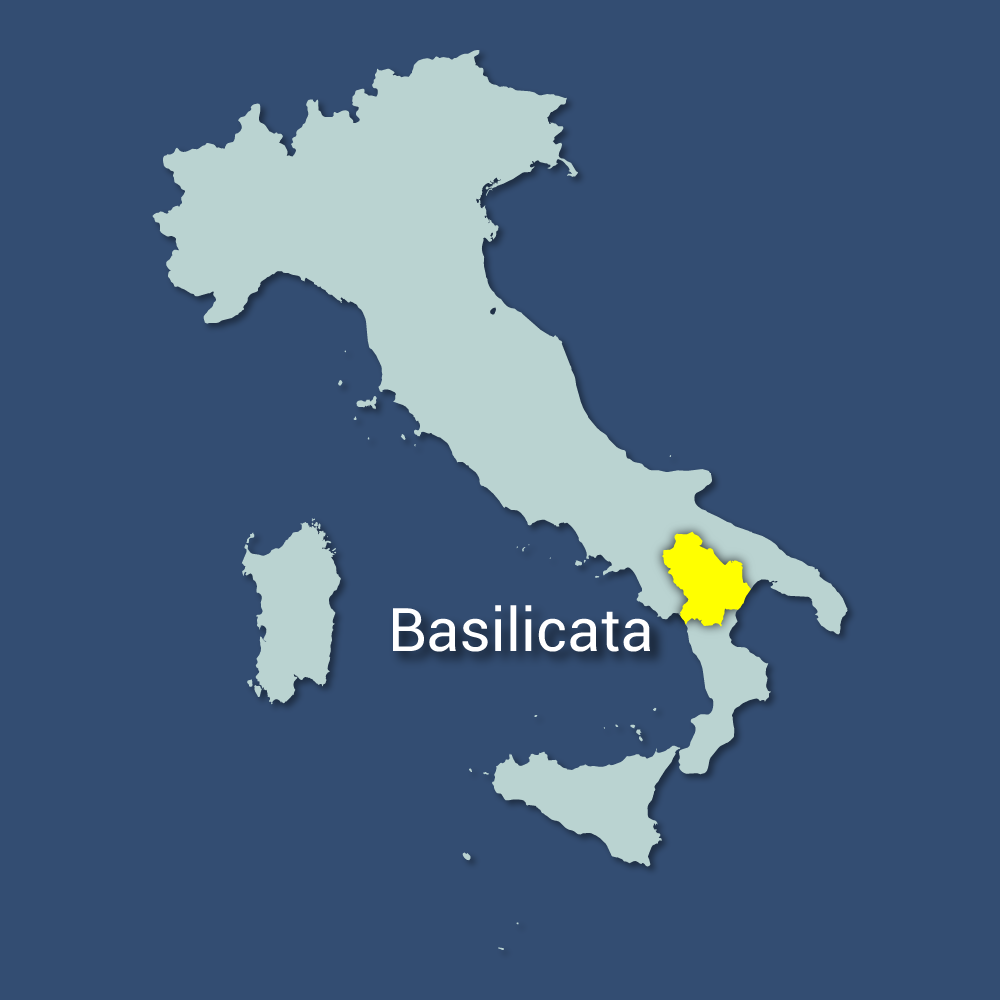
Located in the heart of Italy's Basilicata region, Craco stands as a captivating ghost town, a silent sentinel of history, architecture, and human endurance. Perched dramatically atop a rugged hill, its crumbling ruins and weathered facades tell the story of a town that has witnessed centuries of triumphs and tragedies.
The History of Craco: From Prosperity to Desertion
Craco’s origins trace back to the 8th century when it was first inhabited by the Greeks. The town flourished during the medieval era, becoming a thriving center for agriculture, education, and trade. By the 13th century, Craco was under the feudal control of Archbishop Arnaldo, who introduced modern governance systems, earning the town prominence in the region.
For centuries, Craco was home to generations of families who cultivated wheat, olives, and grapes on its fertile plains. Its strategic hilltop position not only offered breathtaking views but also made it a defensible stronghold against invaders.
However, Craco’s stability began to unravel in the 20th century. Repeated landslides, exacerbated by unstable clay soil, forced a gradual exodus. A devastating earthquake in 1980 dealt the final blow, leaving the town completely abandoned. Today, Craco stands frozen in time, its empty streets and hollowed-out buildings a testament to resilience and loss.
A Cinematic and Artistic Muse
Craco’s haunting beauty has not gone unnoticed by the world. Its dramatic ruins have served as the backdrop for numerous films, including Mel Gibson’s The Passion of the Christ and the James Bond film Quantum of Solace. Directors and photographers are drawn to the town's ethereal atmosphere, where the interplay of light and shadow transforms decay into artistry.
The juxtaposition of its precarious ruins against the vast Italian sky evokes a surreal sense of wonder. It is no surprise that Craco has become a magnet for artists seeking inspiration and travelers yearning for unique experiences.
Visiting Craco: A Journey Through Time
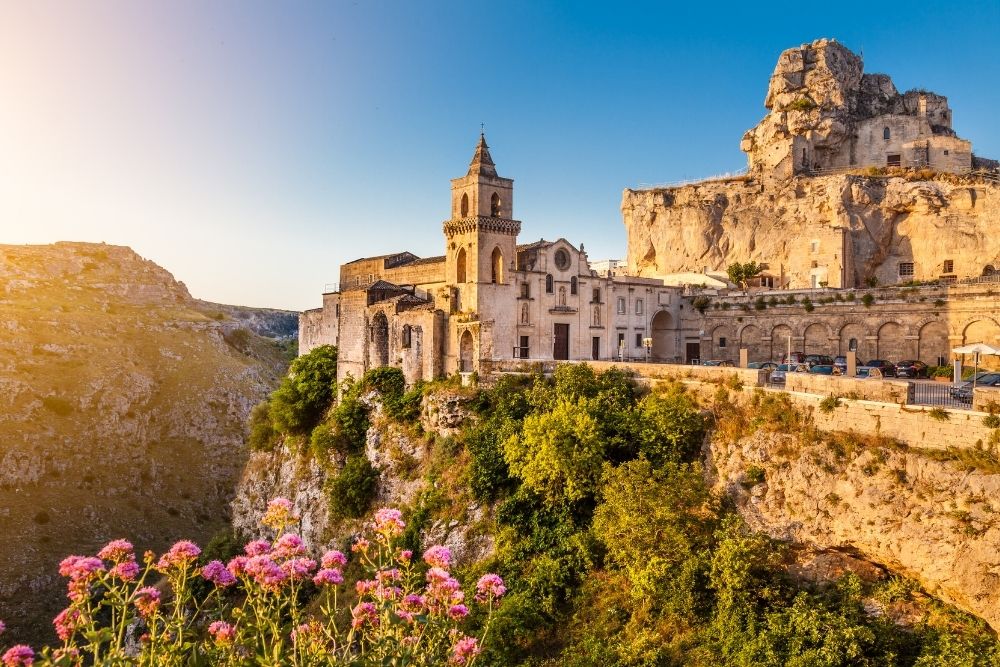
Craco remains a popular destination for those captivated by history and mystery. Visitors can take guided tours to explore its steep alleys, the remnants of its castle, and the evocative Church of San Nicola, with its weathered bell tower standing defiantly against the elements.
A stroll through Craco offers more than picturesque views, it immerses you in the haunting silence of a town abandoned yet alive with stories. From the faded frescoes in its churches to the cracked walls of homes once filled with laughter, Craco leaves a profound impression.
Preserving the Past
Efforts are underway to stabilize Craco’s structures and preserve its legacy as a cultural and historical treasure. The town’s designation as a UNESCO World Heritage candidate underscores its significance as a site of historical, architectural, and emotional importance.
Craco also serves as a poignant reminder of the challenges faced by many rural communities, where natural forces and economic hardships often lead to abandonment. Yet, in its stillness, Craco continues to thrive as a symbol of resilience, memory, and beauty.
Why Craco Captures the Imagination
Few places in the world balance decay and dignity as gracefully as Craco. Its windswept ruins and ghostly allure offer a profound connection to the past, evoking a sense of nostalgia for a way of life now lost. Whether you visit for its history, its cinematic appeal, or simply to experience its haunting atmosphere, Craco is a destination unlike any other, a place where time stands still, and the past feels achingly close. For travelers seeking a unique adventure, Craco is not just a destination, it is an experience. A visit here lingers in the heart, leaving you with questions about the forces that shape our lives and the enduring stories of places left behind.
A short video to support this article.