Skip to content
Culture / Cultural Venues / Teatro Verdi Florence
Teatro Verdi Florence

Teatro Verdi Florence

Published:

In the timeless cradle of the Renaissance, where every street corner breathes artistry and heritage, stands one of Florence’s most cherished cultural landmarks: Teatro Verdi. Nestled in the vibrant Sant’Ambrogio district, this grand 19th-century theatre is more than just a performance venue, it's a living monument to Italian art, music, and dramatic tradition.

Origins Rooted in Italian Unity

Teatro Verdi was officially inaugurated on September 10, 1854, during a period of national cultural awakening that coincided with Italy’s unification movement. Its name pays tribute to Giuseppe Verdi, the legendary composer whose works became a symbol of national pride and resistance.

Originally built on the ruins of the 14th-century Teatro di Santa Maria, the structure was designed by Teatro della Pergola architect Girolamo Pagliano, and funded by the prominent Società dei Concordi. From its earliest days, the theatre was envisioned as a space not just for opera, but for all forms of artistic expression, ballet, prose, comedy, and orchestral music.

Architectural Grandeur and Restoration

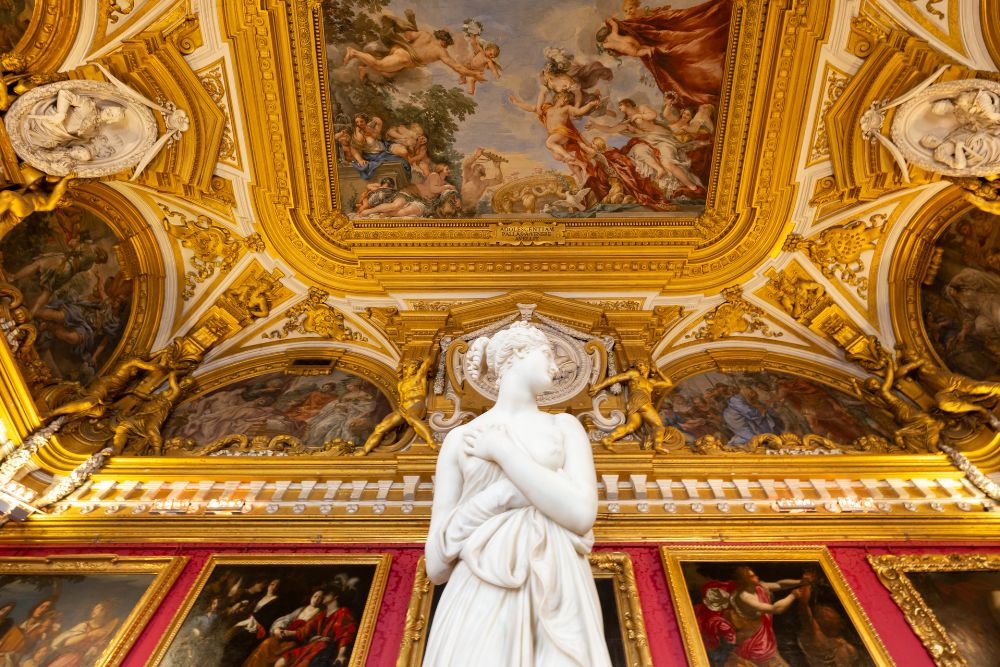
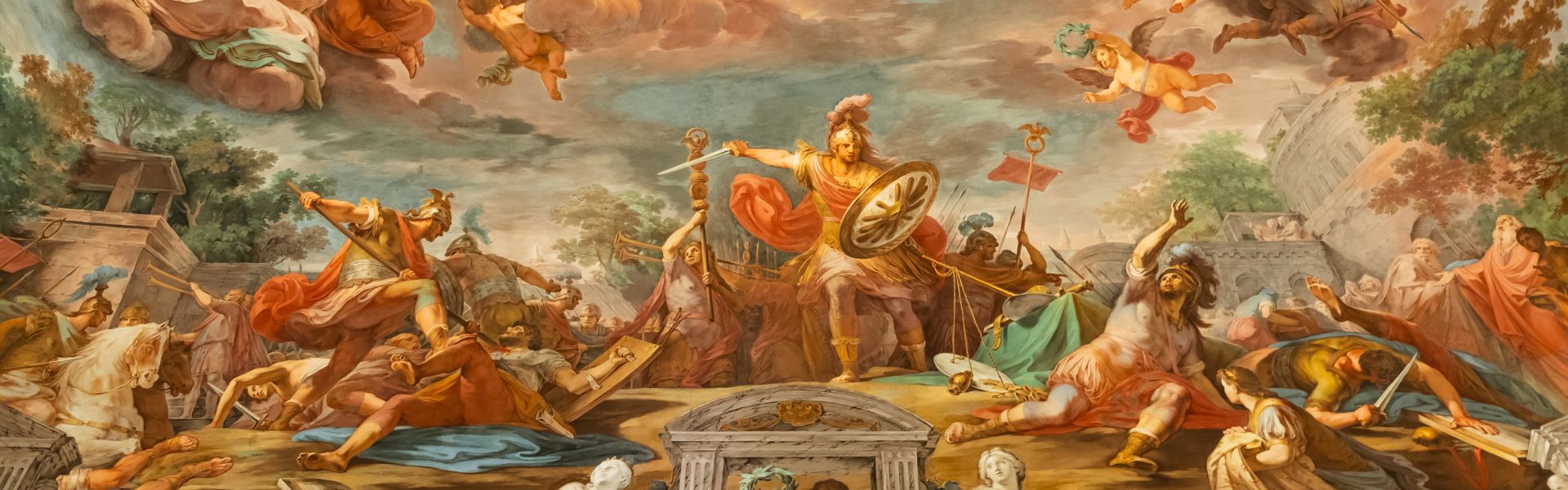
The theatre’s architecture reflects neo-classical influences with ornate interiors, a spacious horseshoe-shaped auditorium, and five tiers of boxes and galleries. The ceiling is adorned with a magnificent fresco by Giuseppe Castagnoli, representing allegories of music and drama surrounded by mythological figures.

Teatro Verdi has undergone several restorations, most notably after damage sustained during World War II. Its most recent refurbishments have preserved its historic elegance while modernizing stage equipment, sound systems, and accessibility, allowing it to host a variety of contemporary productions alongside classic works.

A Stage for the World’s Finest

For more than 160 years, Teatro Verdi has welcomed a constellation of talent across disciplines. Renowned Italian performers such as Totò, Eduardo De Filippo, and Anna Magnani have graced its stage. The theatre has also served as a key venue for operatic masterpieces by Verdi, Puccini, Donizetti, and Rossini.

Its stage has also hosted international ballet companies, jazz concerts, classical recitals, and modern theatre, reflecting Florence’s global artistic appeal.

Home of the Orchestra della Toscana

A defining feature of Teatro Verdi is that it serves as the home of the Orchestra della Toscana (ORT), one of Italy’s most celebrated regional orchestras. The ORT performs a diverse repertoire ranging from Baroque and Romantic masterpieces to contemporary compositions, often collaborating with acclaimed soloists and conductors.

The orchestra plays a central role in Florence’s musical education, offering concerts for schools and outreach events to make classical music more accessible to younger generations.

A Multifaceted Cultural Hub

Teatro Verdi is more than a venue, it is a cultural institution deeply integrated into the life of the city. It regularly hosts festivals, including the Florence Jazz Festival and Fabbrica Europa, which attract international artists and promote intercultural dialogue through music, dance, and performance art.

In recent years, the theatre has embraced digital initiatives and live-streamed performances, opening its rich programming to global audiences. It also collaborates with Florence’s universities and art schools to nurture the next generation of performers, directors, and designers.

Visiting the Theatre

Located on Via Ghibellina, just a short walk from Santa Croce, Teatro Verdi is an easy stop on any cultural tour of Florence. The area is teeming with history, artisan workshops, trattorias, and wine bars, making it a perfect starting or ending point for a Florentine evening out.

The theatre offers guided tours that reveal the secrets of its architecture, backstage workings, and illustrious past. Whether you’re attending a concert or simply exploring, the Teatro Verdi provides an authentic and inspiring encounter with Florentine culture.

A Living Legacy of Italian Artistry

Teatro Verdi Florence continues to captivate audiences with its elegant charm and artistic vitality. As it approaches its third century of activity, it remains a beacon of Italy’s cultural soul, upholding the traditions of the past while embracing the innovations of the present.

From the soaring arias of Verdi to the stirring crescendos of the Orchestra della Toscana, every performance at Teatro Verdi is a reminder of why Florence is not only the birthplace of the Renaissance, but also a living capital of the performing arts.

Cultural Systems

Culture icon

Culture

A compact reference to Italy’s cultural formation — from ancient civilisations to modern creative output — designed to sit beneath articles.

Foundations Renaissance Production Media
Italy cultural heritage
Layers of civilisation, living traditions, and modern cultural production — continuously reshaped, never static.

Italy — culture snapshot

Stable reference signals for quick cultural orientation.

Language

Italian

A national language with strong regional variation and a wide landscape of dialects and minority languages. Accent, vocabulary, and local speech traditions often signal place and identity as much as geography.

Heritage density

Very high

Historic centres, monuments, and cultural landscapes are embedded in everyday towns and cities. Much of Italy’s cultural experience is encountered “in the street,” not only in museums.

UNESCO sites

61

World Heritage properties spanning archaeology, historic cities, architecture, cultural landscapes, and natural areas. The scale of inscription reflects Italy’s multi-era civilisation layers and preservation footprint.

City-states legacy

Enduring

Many cultural identities formed around historic city-states and regional capitals rather than a single national centre. This helps explain Italy’s strong local traditions, rivalries, and distinctive regional aesthetics.

Cuisine

Regional

Food culture is a map: recipes, ingredients, and formats shift quickly across regions and even neighbouring valleys. Cuisine functions as cultural identity, social ritual, and a major export of taste and narrative.

Festivals

Year-round

Local calendars are structured by religious feasts, civic celebrations, historical re-enactments, and seasonal harvest events. Festivals are one of the strongest “living culture” channels connecting community and place.

Creative industries

Global

Design, fashion, publishing, music, theatre, and film operate as structured cultural sectors. International reach often comes through a blend of craft, brand, narrative, and high-end production standards.

Cultural influence

Soft power

Italy’s influence circulates through education, heritage tourism, cuisine, style, and iconic figures. Globally, “Italian” often functions as an aesthetic shorthand for proportion, beauty, and quality.

Foundations

A layered inheritance

Italy’s cultural base is composite: Etruscan, Greek, Roman, Byzantine, Norman, Arab, and Aragonese layers are visible in settlement patterns, language traces, law, and art. These influences don’t sit neatly in museums — they appear in street layouts, place names, architecture, and everyday customs. The result is a cultural geography where “history” is often encountered as a living environment rather than a finished past.

Renaissance

Humanism as export

The Renaissance repositioned Italian city-centres as laboratories for art, science, philosophy, and civic identity. Patronage systems, workshops, and new ways of seeing the human figure and the built environment reshaped European culture. Its legacy still drives how Italy is perceived globally: as a source of form, proportion, and intellectual ambition.

Production

Culture as a sector

Italy produces culture through institutions and industries: museums and heritage sites, theatres and opera houses, publishing, design, fashion, and music. These are structured ecosystems of training, craft, curation, and commercial delivery — often anchored in specific cities and regional networks. The most durable output tends to combine tradition with contemporary execution, keeping cultural identity active rather than nostalgic.

Media

Soft power, hard legacy

Italian culture circulates internationally through cinema, television, literature, music, and the global language of style. The strongest themes often link place, class, family, beauty, and social realism — with cities and landscapes functioning as characters in their own right. In global terms, Italy’s media presence reinforces an enduring cultural signature: human-scale life, aesthetic intelligence, and narrative depth.

Ancient cultural foundations
Foundations
Italian Renaissance art
Renaissance
Italian cultural production
Production
Italian film television music
Media
Italian cultural figures

Figures

Artists, thinkers, creators

Italy’s cultural memory is shaped by writers, artists, architects, composers, filmmakers, and designers — not as a single canon, but as a long continuum. Landmark figures helped define language, form, and narrative, while modern creators translated those traditions into contemporary media and global industries. The enduring pattern is craft plus vision: technical mastery paired with a distinctive aesthetic sensibility that travels internationally.

Italian fiction film television

Stories

From page to screen

Italian storytelling moves across literature, cinema, television, theatre, and music, often turning social reality into powerful narrative. Themes of family, community, class, ambition, beauty, and place recur because they reflect how Italian life is organised and remembered. International audiences often meet Italy through these stories — where landscape, streets, and everyday ritual become as important as plot.