Skip to content
Tourism / What to Do / Best Things to Do in Venice
What are the best things to do in Venice?

What are the best things to do in Venice?

Published:

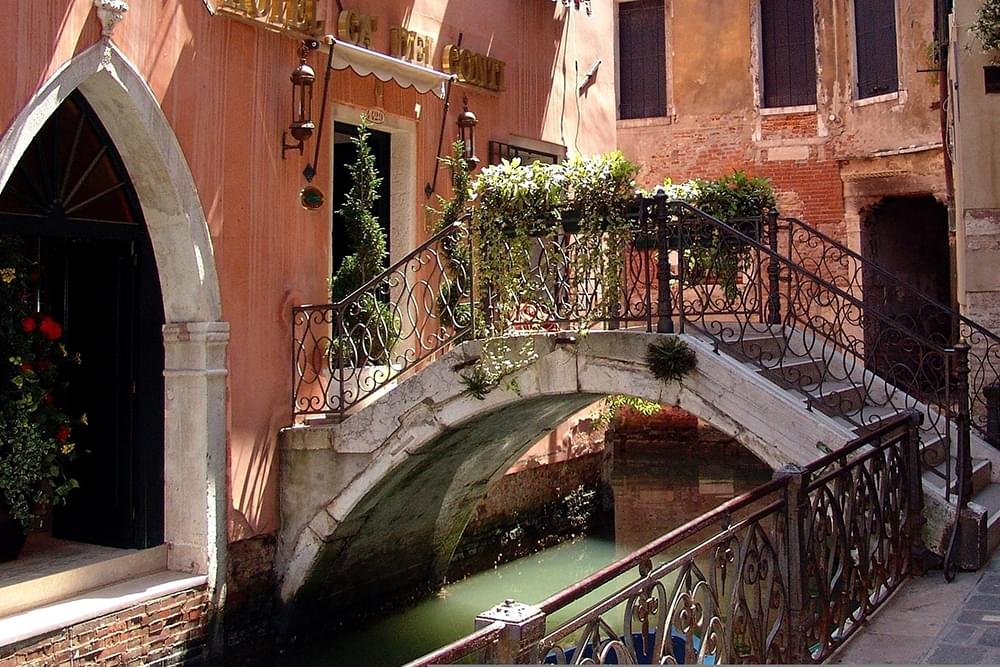
Venice, the City of Canals, stands as one of the most intriguing cities in the world, drawing visitors with its historical grandeur and romantic waterways. This floating city consists of a series of islands connected by a web of canals and bridges, creating a unique landscape that is as beautiful as it is mystifying. Here’s a guide to the best things to do in Venice that will ensure a memorable visit.

1. Gondola Rides

A trip to Venice is incomplete without a gondola ride through the labyrinthine canals. Traditionally steered by a gondolier in a striped shirt and hat, this iconic Venetian experience offers a unique vantage point to appreciate the city’s architecture and the tranquility of its narrow waterways. Opt for a ride on the Grand Canal to witness the majestic palazzos and bustling life, or explore the quieter, more picturesque canals in lesser-known districts like Cannaregio or Dorsoduro.

2. St. Mark’s Basilica and Square

At the heart of Venice lies the Piazza San Marco, dominated by the stunning Byzantine architecture of St. Mark’s Basilica. This basilica, adorned with gold-backed mosaic icons and artworks made from precious materials, is a testimony to Venice’s centuries-old wealth and artistic achievement. The adjoining Piazza San Marco, with its open, public space, hosts historical structures including the Doge's Palace and the Campanile bell tower, which offers panoramic views of the city.

3. The Venetian Islands: Murano, Burano, and Torcello

A short Vaporetto (water bus) ride from the main city area will take you to the enchanting Venetian islands of Murano, Burano, and Torcello. Murano is world-renowned for its glass making, Burano for lace-making and its brightly colored fishermen's houses, and Torcello for its ancient architectural ruins. Each island has its own unique charm and history, making them a must-visit to see the broader cultural landscape of Venetian life.

4. Doge's Palace

The Palazzo Ducale, or Doge's Palace, is another jewel in Venice’s crown. This Gothic-Renaissance structure served as the residence of the Doge and the seat of Venetian government. The palace houses masterpiece artworks and intricate architectural designs. A guided tour through its lavish chambers, eerie prisons, and the Bridge of Sighs is an unforgettable experience that offers insight into Venice’s glorious past.

5. Venetian Cuisine

Venetian cuisine is as distinct as its landscape. Sampling local dishes like "Sarde in Saor", a sweet and sour sardine dish, or the creamy "Risotto al Nero di Seppia" (squid ink risotto), is a culinary adventure. The Rialto Market is the perfect spot to discover fresh local ingredients and enjoy an aperitivo by the Grand Canal, watching the world go by.

6. Teatro La Fenice

Visit Teatro La Fenice, one of the most important and prestigious opera houses in Italy. Known for its opulent interior and phenomenal acoustics, it has hosted numerous prominent operatic premieres over the centuries. Attending a performance here is not just an evening out; it's a plunge into the rich tapestry of Venetian culture and music.

7. Art Museums and Galleries

Venice is a treasure trove for art lovers. The Peggy Guggenheim Collection is one of the most illustrious modern art museums in Italy, housing works by Picasso, Pollock, and Dalí. Likewise, the Accademia Galleries display pre-19th century Venetian art by masters such as Titian and Tintoretto. These collections provide insights not only into the history of art but also into the societal shifts that have shaped Venice.

8. Walking Tours Through Historic Districts

Exploring Venice on foot is the best way to capture the essence of the city’s charming streets and hidden alleys. Walking tours can take you through historic districts such as the Jewish Ghetto, the first of its kind in the world, which remains a vibrant and culturally rich area. Each district tells its own story, revealing secrets and surprises at every turn.

9. Shopping on the Ponte di Rialto

The Ponte di Rialto is not only one of Venice’s most famous bridges but also a vibrant shopping locale. Here, you can find a variety of shops selling everything from luxury goods to handmade crafts and souvenirs. The nearby streets also offer a range of fine dining options and quaint cafes for a quick bite.

10. Cannaregio District

This less touristy part of Venice is known for its authentic Venetian atmosphere. The Cannaregio district offers a glimpse into the everyday lives of locals, away from the bustling tourist spots. It is also home to some of the best traditional trattorias where you can taste genuine Venetian dishes.

Venice captures the hearts of travelers not just through its picturesque canals and historic architecture, but also with its vibrant cultural scene and deep-rooted traditions. Whether it's floating along quiet canals at dusk, marveling at the splendor of its palaces, or enjoying its rich culinary delights, Venice offers an enchanting experience that resonates with every visitor. Engaging in these top activities will give you a comprehensive glimpse into the real Venice – a city that beautifully intertwines its illustrious past with the vibrancy of the present.

Travel & Experience

Tourism icon

Tourism

A compact reference to how Italy is visited, experienced, and explored — across regions, seasons, and styles of travel — designed to sit beneath articles.

Destinations Activities Travel Stay
Italy tourism — landscapes and cities
Cities, coastlines, countryside, and culture — Italy as a destination shaped by geography, history, and lived experience.

Italy — tourism snapshot

Stable reference signals for quick travel orientation.

Peak season

Summer

Coastal and island demand concentrates in summer, while major cities attract visitors year-round. Shoulder seasons often deliver the best balance of weather, pricing, and crowd levels.

Core magnets

Cities + coasts

Historic cities, iconic coastlines, and lake districts dominate first-time itineraries. Repeat travel frequently expands into rural regions, islands, and “second-city” routes.

UNESCO sites

61

World Heritage properties across archaeology, historic centres, cultural landscapes, and natural areas. Heritage density makes culture a default feature of travel rather than a niche interest.

Travel styles

Mixed

Italy supports fast multi-city routes and slow, place-based stays. Choices are often shaped by transport access, season, and whether the trip is culture-led, beach-led, or food-led.

Transport

Strong rail

High-speed rail links major cities efficiently, while regional rail and roads shape access to smaller towns and landscapes. Islands and remote areas often require careful planning around seasonal schedules.

Accommodation

Wide range

Hotels, agriturismi, short lets, historic properties, and family-run stays allow different budgets and travel modes. In popular areas, availability and pricing can be highly seasonal.

Experiences

Rich mix

City culture, beach time, food and wine, hiking, skiing, festivals, art routes, and coastal boating all coexist. Many regions support specialist travel: archaeology, design, performance arts, craft, or landscape.

Crowd pressure

Localised

Pressure is concentrated in a small number of global icons, while many high-quality areas remain under-visited. Travel dispersal and off-peak timing often deliver better experiences and lower impact.

Overview

A multi-layered destination

Italy attracts visitors for culture, landscape, food, and lifestyle — but travel patterns differ sharply by season, region, and purpose. First trips often focus on iconic cities and landmarks, while repeat travel tends to become more regional and place-based. The country rewards both styles: fast itineraries for highlights, and slower stays for depth, rhythm, and local character.

Destinations

Cities, coasts, countryside

Italy’s destination map ranges from historic capitals and art cities to alpine resorts, lake districts, islands, and rural interiors. Tourism concentrates heavily in well-known areas, but emerging destinations often offer comparable beauty with less pressure. For travellers, the most useful planning lens is region: each offers a distinct mix of landscape, heritage, cuisine, and pace.

Experiences

What visitors come to do

Sightseeing is only one layer: food and wine routes, outdoor travel, festivals, beach seasons, weddings, and specialist interests shape demand. Many regions support “theme travel” — archaeology, hiking, skiing, sailing, art trails, craft workshops, or culinary learning. The strongest experiences tend to combine place, tradition, and everyday life rather than ticking a single landmark.

Travel & stay

Movement and accommodation

Transport networks determine what kind of trip is realistic: high-speed rail makes multi-city travel easy, while rural regions reward slower routes by car or local connections. Accommodation spans hotels, apartments, agriturismi, family-run stays, historic villas, and coastal resorts — each shaping the feel of a journey. Season and local infrastructure are decisive: the same destination can feel effortless in one month and complex in another.

Italy top destinations
Destinations
Tourism activities in Italy
Activities
Special places in Italy
Special places
Historic sites in Italy
Historic sites
Lesser-known places in Italy

Beyond the icons

Lesser-known Italy

Smaller towns, rural landscapes, and under-visited regions often deliver the most “lived Italy”: local markets, seasonal festivals, and strong community identity. These areas reward slower movement and curiosity, with experiences built around landscape, craft, and food culture rather than queues. For many travellers, dispersing beyond the icons improves both travel quality and sustainability by reducing pressure on a handful of global hotspots.

Wine tourism and cultural learning in Italy

Slow travel

Learning, wine, and immersion

Slow travel is about participation: language courses, culinary learning, wine routes, craft workshops, walking trails, and extended stays that create familiarity with a place. It typically shifts the trip from “seeing” to “doing,” with daily routines — cafés, shops, local transport — becoming part of the experience. This style of travel is also flexible: it can be budget-friendly or highly luxurious, but it always prioritises time, rhythm, and local connection.