Skip to content
Culture / Cultural Venues / Teatro Politeama Garibaldi Palermo
Teatro Politeama Garibaldi
Palermo-Politeama-bjs-1.jpg: Bjsuploaded and derivative work: MrPanyGoff, CC0, via Wikimedia Commons

Teatro Politeama Garibaldi

Published: Updated:

In the heart of Palermo, where modern energy meets historical grandeur, Teatro Politeama Garibaldi stands as a striking symbol of the city’s artistic and civic pride. Located on the grand Piazza Ruggero Settimo, this architectural masterpiece is more than just an opera house, it's a living testament to the cultural evolution of Sicily’s capital.

Whether you're an opera lover, architecture enthusiast, or curious traveler, visiting Teatro Politeama offers an unforgettable insight into the spirit of Palermo.

A Brief History of Teatro Politeama

Construction of the Teatro Politeama began in 1867, as part of a broader effort to modernize Palermo and expand its cultural offerings beyond the elite aristocracy. While the more formal Teatro Massimo catered to the upper class, the Politeama was envisioned as a "theatre for the people", accessible and open to all.

Designed by architect Giuseppe Damiani Almeyda, the theater blends neoclassical and eclectic architectural styles, completed with a grand triumphal arch entrance and a semi-circular portico inspired by Greco-Roman designs.

It officially opened its doors in 1874 (though fully completed in 1891), with Giuseppe Verdi's "I Vespri Siciliani", a fitting choice given the opera’s themes of rebellion and Sicilian identity.

Architectural Highlights

One of the most visually arresting landmarks in Palermo, Teatro Politeama is easily recognized by its:

  • Triumphal arch entrance, crowned with a spectacular bronze quadriga of Apollo and Euterpe by sculptor Mario Rutelli.
  • Neoclassical façade adorned with Corinthian columns, friezes, and marble statues of famous composers and philosophers.
  • Frescoed interiors, including the elegant cupola painted by Giuseppe Sciuti, illustrating the Glory of Palermo.
  • A majestic horseshoe-shaped auditorium with excellent acoustics and ornate balconies.

The building’s design makes it not only an architectural wonder but also a versatile performance venue, suitable for concerts, operas, ballets, and public events.

Cultural Role and Current Use

Today, Teatro Politeama Garibaldi is home to the Orchestra Sinfonica Siciliana, one of the most prestigious symphonic ensembles in Italy. The theater hosts a rich program of classical concerts, modern music, theatrical performances, and cultural festivals.

More than a stage, Politeama is also a civic venue, hosting official ceremonies, international events, and exhibitions. It's a vibrant epicenter of local life and a place where Sicilian tradition meets cosmopolitan influence.

Notable recent events include:

  • Palermo Classica music festival performances
  • European jazz concerts and symphonic tributes
  • Art installations and national celebrations

Location and Visitor Information

Address: Piazza Ruggero Settimo, 15, 90139 Palermo PA, Italy

Opening Hours: Generally open during performance evenings. Guided tours available by appointment or through local tour operators.

Nearest Attractions: Teatro Massimo, Via della Libertà shopping district, Villa Garibaldi, and the historic center.

How to get there: Easily accessible by foot from central Palermo, or via bus and taxi. The area is surrounded by cafés, shops, and cultural institutions.

Things to Do Around Teatro Politeama

Make the most of your visit to Teatro Politeama by exploring nearby highlights:

  • Piazza Castelnuovo: A lively square adjacent to the theater, great for people-watching.
  • Teatro Massimo: Just a 10-minute walk, this is Italy’s largest opera house.
  • Museo Archeologico Regionale Antonio Salinas: Explore Sicilian ancient history.
  • Via Maqueda and Quattro Canti: Dive into Palermo’s historic Baroque heart.

Why Visit Teatro Politeama?

  • Architectural beauty: A visual feast of 19th-century design.
  • Cultural richness: Live music, opera, and symphonic masterpieces year-round.
  • Historic significance: A beacon of Palermo’s post-unification identity.
  • Local atmosphere: Not just a tourist spot, a true part of the city’s soul.

Whether attending a concert or simply admiring it from outside, Teatro Politeama offers a unique lens through which to understand Sicilian culture, history, and creativity.

Final Thoughts

Teatro Politeama isn’t just a building, it’s a living piece of Palermo’s cultural mosaic. As much a destination for art and music as it is a historical monument, it’s a must-see for anyone wanting to experience the true essence of Palermo.

So, next time you’re wandering through Sicily’s capital, take a moment to stand beneath its arch, look up at Apollo’s chariot, and step inside a theater where history still takes the stage.

Cultural Systems

Culture icon

Culture

A compact reference to Italy’s cultural formation — from ancient civilisations to modern creative output — designed to sit beneath articles.

Foundations Renaissance Production Media
Italy cultural heritage
Layers of civilisation, living traditions, and modern cultural production — continuously reshaped, never static.

Italy — culture snapshot

Stable reference signals for quick cultural orientation.

Language

Italian

A national language with strong regional variation and a wide landscape of dialects and minority languages. Accent, vocabulary, and local speech traditions often signal place and identity as much as geography.

Heritage density

Very high

Historic centres, monuments, and cultural landscapes are embedded in everyday towns and cities. Much of Italy’s cultural experience is encountered “in the street,” not only in museums.

UNESCO sites

61

World Heritage properties spanning archaeology, historic cities, architecture, cultural landscapes, and natural areas. The scale of inscription reflects Italy’s multi-era civilisation layers and preservation footprint.

City-states legacy

Enduring

Many cultural identities formed around historic city-states and regional capitals rather than a single national centre. This helps explain Italy’s strong local traditions, rivalries, and distinctive regional aesthetics.

Cuisine

Regional

Food culture is a map: recipes, ingredients, and formats shift quickly across regions and even neighbouring valleys. Cuisine functions as cultural identity, social ritual, and a major export of taste and narrative.

Festivals

Year-round

Local calendars are structured by religious feasts, civic celebrations, historical re-enactments, and seasonal harvest events. Festivals are one of the strongest “living culture” channels connecting community and place.

Creative industries

Global

Design, fashion, publishing, music, theatre, and film operate as structured cultural sectors. International reach often comes through a blend of craft, brand, narrative, and high-end production standards.

Cultural influence

Soft power

Italy’s influence circulates through education, heritage tourism, cuisine, style, and iconic figures. Globally, “Italian” often functions as an aesthetic shorthand for proportion, beauty, and quality.

Foundations

A layered inheritance

Italy’s cultural base is composite: Etruscan, Greek, Roman, Byzantine, Norman, Arab, and Aragonese layers are visible in settlement patterns, language traces, law, and art. These influences don’t sit neatly in museums — they appear in street layouts, place names, architecture, and everyday customs. The result is a cultural geography where “history” is often encountered as a living environment rather than a finished past.

Renaissance

Humanism as export

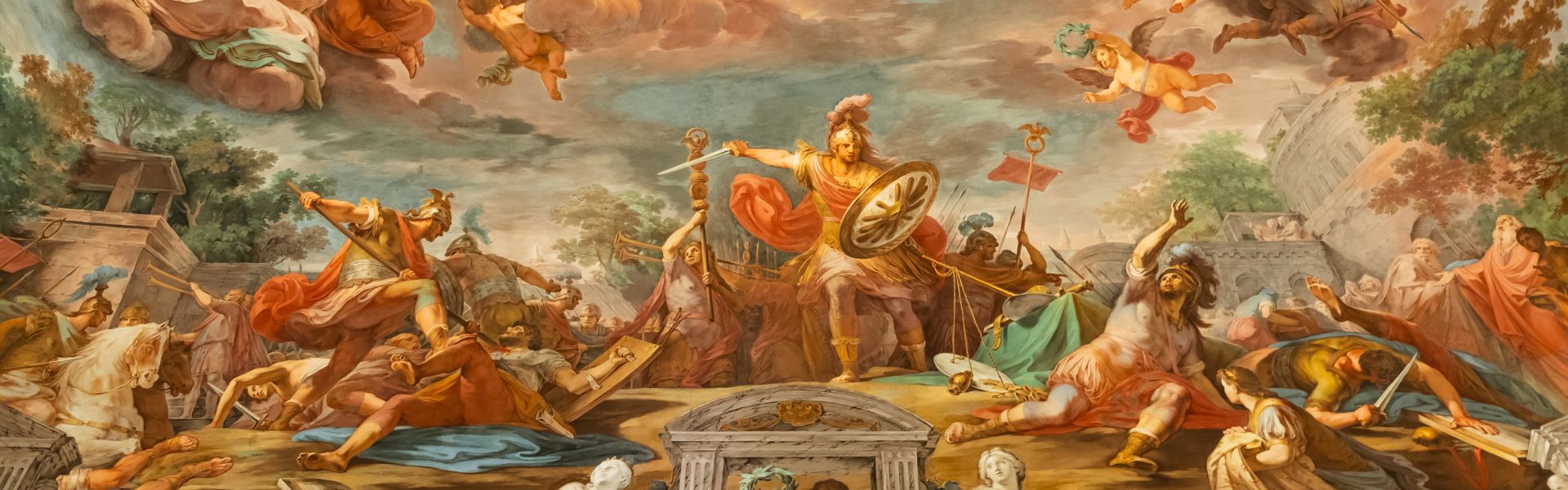
The Renaissance repositioned Italian city-centres as laboratories for art, science, philosophy, and civic identity. Patronage systems, workshops, and new ways of seeing the human figure and the built environment reshaped European culture. Its legacy still drives how Italy is perceived globally: as a source of form, proportion, and intellectual ambition.

Production

Culture as a sector

Italy produces culture through institutions and industries: museums and heritage sites, theatres and opera houses, publishing, design, fashion, and music. These are structured ecosystems of training, craft, curation, and commercial delivery — often anchored in specific cities and regional networks. The most durable output tends to combine tradition with contemporary execution, keeping cultural identity active rather than nostalgic.

Media

Soft power, hard legacy

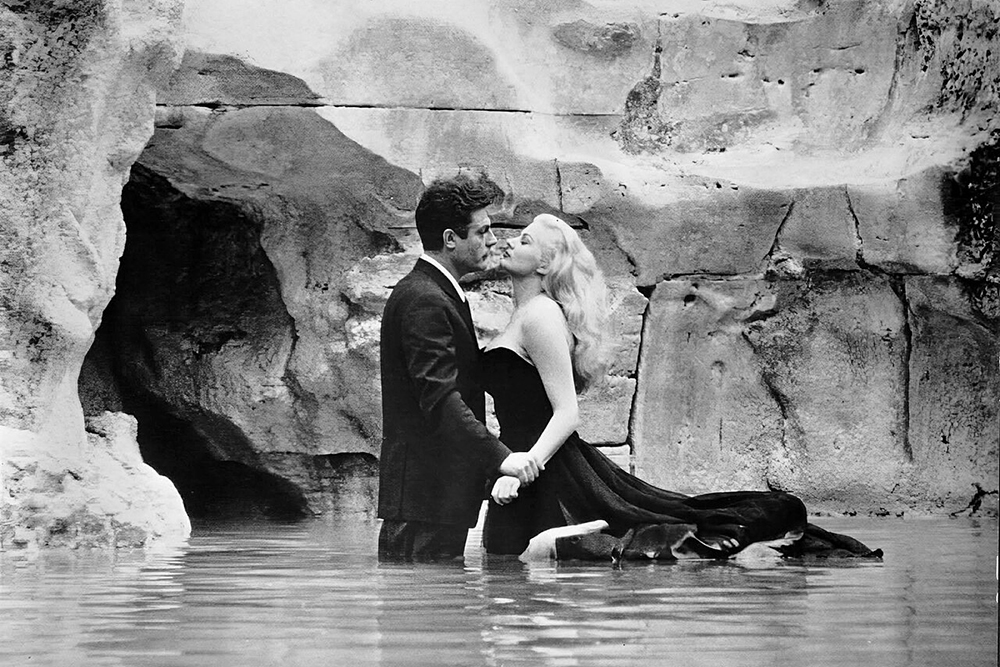
Italian culture circulates internationally through cinema, television, literature, music, and the global language of style. The strongest themes often link place, class, family, beauty, and social realism — with cities and landscapes functioning as characters in their own right. In global terms, Italy’s media presence reinforces an enduring cultural signature: human-scale life, aesthetic intelligence, and narrative depth.

Ancient cultural foundations
Foundations
Italian Renaissance art
Renaissance
Italian cultural production
Production
Italian film television music
Media
Italian cultural figures

Figures

Artists, thinkers, creators

Italy’s cultural memory is shaped by writers, artists, architects, composers, filmmakers, and designers — not as a single canon, but as a long continuum. Landmark figures helped define language, form, and narrative, while modern creators translated those traditions into contemporary media and global industries. The enduring pattern is craft plus vision: technical mastery paired with a distinctive aesthetic sensibility that travels internationally.

Italian fiction film television

Stories

From page to screen

Italian storytelling moves across literature, cinema, television, theatre, and music, often turning social reality into powerful narrative. Themes of family, community, class, ambition, beauty, and place recur because they reflect how Italian life is organised and remembered. International audiences often meet Italy through these stories — where landscape, streets, and everyday ritual become as important as plot.