Skip to content
Nation / History / Castles / Castello di Miramare
Castello di Miramare

Castello di Miramare

Published:

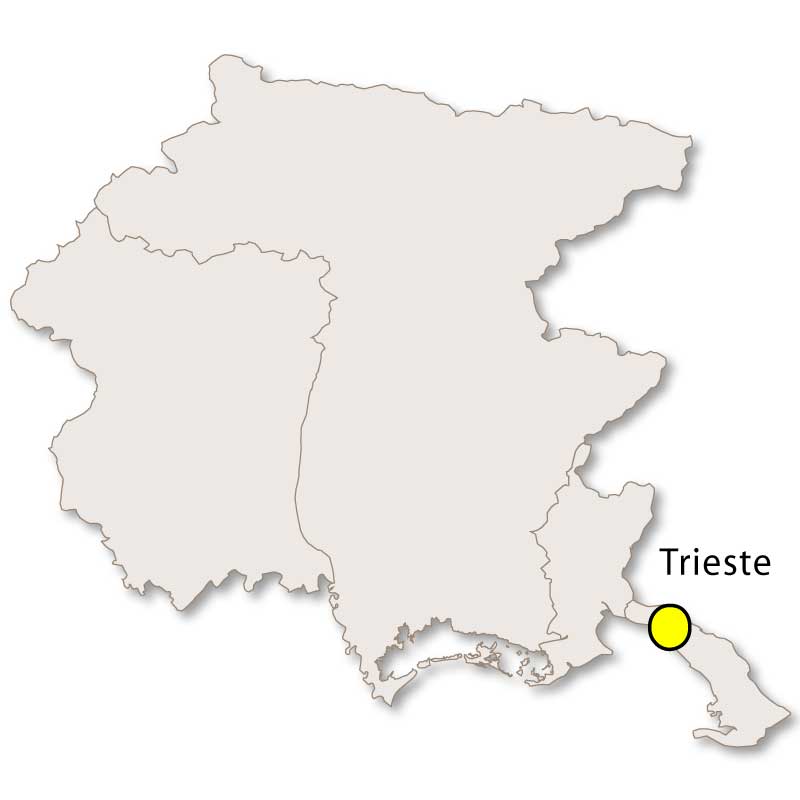
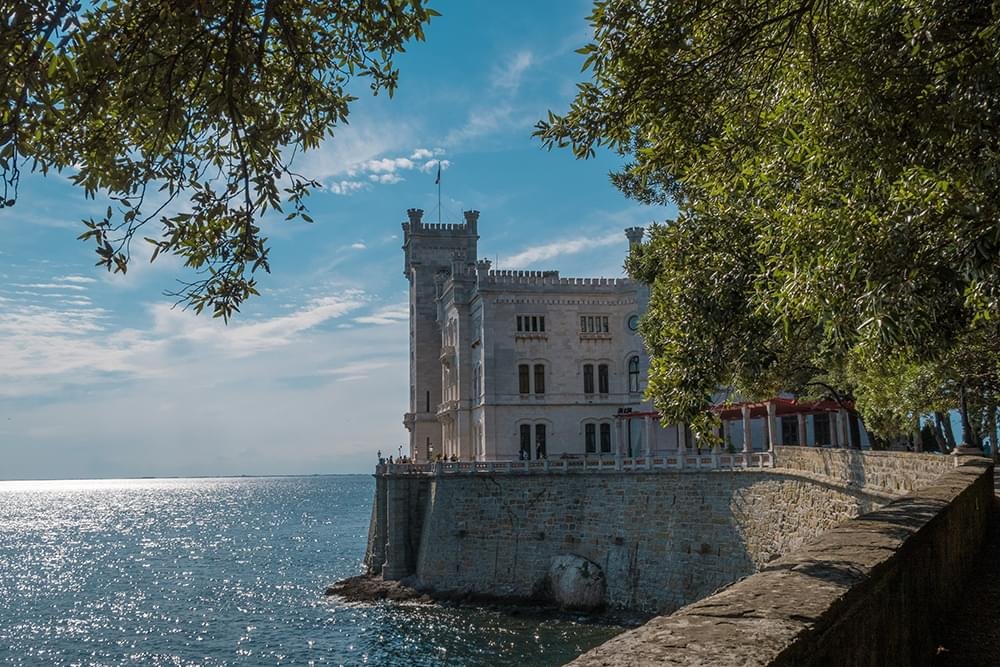
Nestled on the Gulf of Trieste, just a short distance from the bustling city center, stands Castello di Miramare, an architectural marvel that transcends the ordinary confines of historical landmarks. With its pristine white walls and strategic positioning overlooking the Adriatic Sea, Miramare Castle is not only a monument of significant historical relevance but also a sanctuary that offers breathtaking vistas and a poignant story woven through its walls. This article explores the castle's rich history, architectural splendor, dramatic personal stories of its inhabitants, and its present-day role as a cultural beacon.

Historical Overview

Castello di Miramare was constructed between 1856 and 1860 for Archduke Ferdinand Maximilian of Austria and his wife, Charlotte of Belgium. Maximilian, who later became Emperor of Mexico, envisioned the castle as a haven of tranquility far from the political machinations of the Austrian court. The design was entrusted to Carl Junker, an Austrian architect who implemented a style that was unique for its time, combining elements of the Gothic, Medieval, and Renaissance eras, yet ensuring that the castle functioned as a modern residence.

Architectural Splendor

The architecture of Castello di Miramare is distinctive with its white limestone exterior that gleams under the sun, creating a striking contrast with the deep blue of the Adriatic. The castle's layout includes lavish, ornately decorated rooms, each telling a story of the royal preferences and the artistic trends of the era. Notable features include the "Throne Room," the "Music Room," and Maximilian’s study, each adorned with original furnishings and elaborate frescoes that provide a window into the 19th-century aristocratic lifestyle.

The castle is surrounded by an extensive park, spread over 22 hectares, designed in the English style. This park not only serves as a botanical garden featuring an assortment of exotic plants brought back by Maximilian from his travels around the world but also offers panoramic pathways from which visitors can admire the sea and the lush Italian countryside.

A Tale of Love and Tragedy

The story of Castello di Miramare is deeply entwined with the love and subsequent tragedy of its original occupants. Maximilian and Charlotte's initial years in the castle were marked by happiness and grandiose plans for their future, elements that are reflected in the optimistic and romantic designs of the residence. However, their story took a tragic turn when Maximilian accepted the doomed role of Emperor of Mexico, a venture that led to his execution in 1867. Charlotte, devastated and suffering from mental health issues, never returned to Miramare, leaving the castle as a poignant memorial to their dreams and disasters.

Miramare Today

Today, Castello di Miramare stands as a museum that attracts visitors from around the globe. It offers guided tours that not only explore the architectural and historical aspects of the castle but also delve into the personal stories of its former inhabitants. The museum hosts various exhibitions and cultural events throughout the year, making it a vibrant part of the cultural landscape of Trieste.

Additionally, the castle’s park is a beloved spot for both tourists and locals, ideal for leisurely walks, nature observation, and family picnics. The preservation efforts by the Italian government ensure that both the castle and its park remain in excellent condition, allowing visitors to step back in time and experience the grandeur of the past amidst natural beauty.

Conclusion

Castello di Miramare is more than just a castle; it is a narrative set in stone and greenery, telling tales of love, ambition, and heartbreak. For those who visit, it offers a comprehensive experience that combines cultural enrichment with visual pleasure. Whether you are a history enthusiast, architecture aficionado, or simply in search of a serene and picturesque locale, Miramare provides a glimpse into a bygone era that is both educational and inspiring.

As Castello di Miramare continues to watch over the Adriatic, its walls safeguard the legacy of Maximilian and Charlotte, serving as a perpetual reminder of their dreams and the ephemeral nature of human endeavors. In this way, the castle is not just a keeper of history but also a teacher of life’s fragile beauty.

Regional Dossier

Flag of Friuli-Venezia Giulia

Friuli-Venezia Giulia

Maps, key facts, access, and borderland context — a compact reference beneath the article.

Map of Friuli-Venezia Giulia

Region

Map showing the provinces of Friuli-Venezia Giulia

Provinces

Map showing airport access in Friuli-Venezia Giulia

Airports

Friuli-Venezia Giulia at a glance: regional outline, provinces, and airport access (Trieste and nearby hubs).
Friuli-Venezia Giulia highlight photo 1 Friuli-Venezia Giulia highlight photo 2 Friuli-Venezia Giulia highlight photo 3
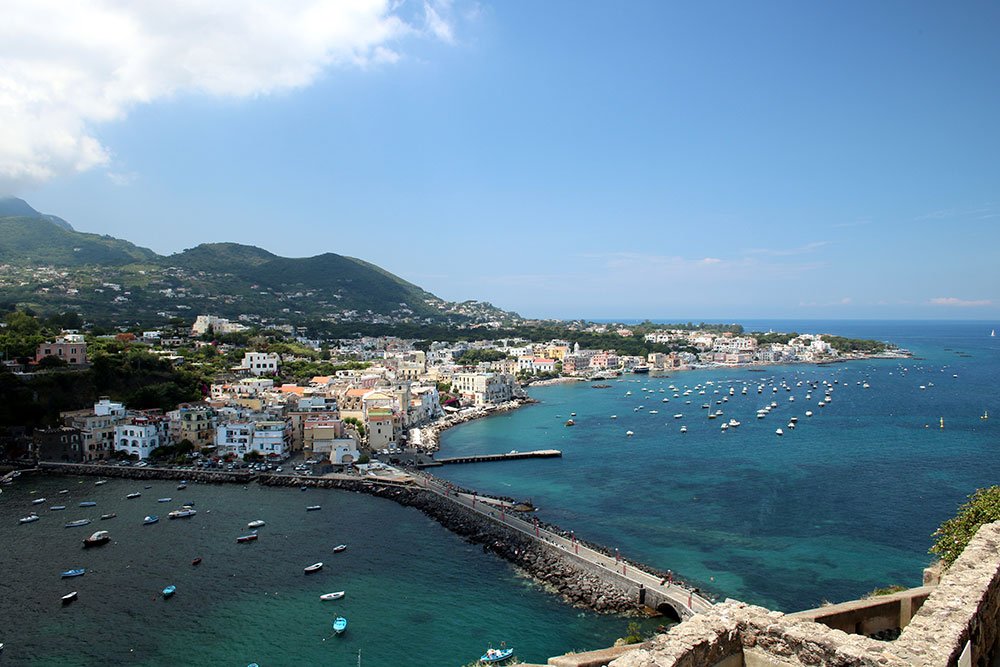
Mountains, plains, and a seaward edge — the region’s character in three frames.

Provinces

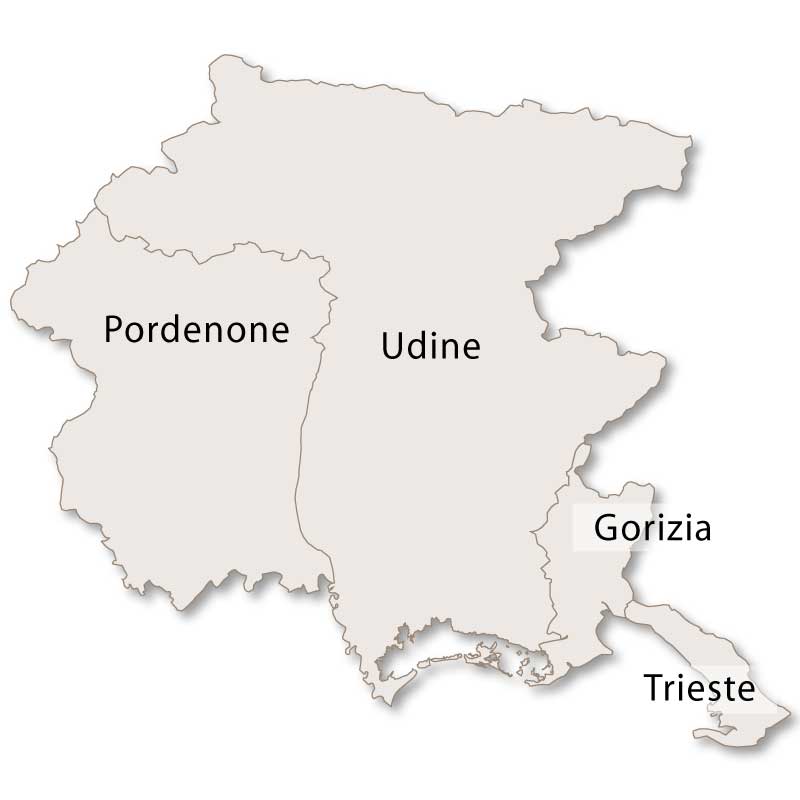
Friuli-Venezia Giulia is divided into four provinces — including Trieste as the regional capital and Udine as the widest inland reach.

Trieste

Capital: Trieste · Comuni: 6

Show comuni
  • Duino-Aurisina
  • Monrupino
  • Muggia
  • San Dorligo della Valle
  • Sgonico
  • Trieste

Gorizia

Capital: Gorizia · Comuni: 25

Show comuni
  • Capriva del Friuli
  • Cormons
  • Doberdò del Lago
  • Dolegna del Collio
  • Farra d'Isonzo
  • Fogliano Redipuglia
  • Gorizia
  • Gradisca d'Isonzo
  • Grado
  • Mariano del Friuli
  • Medea
  • Monfalcone
  • Moraro
  • Mossa
  • Romans d'Isonzo
  • Ronchi dei Legionari
  • Sagrado
  • San Canzian d'Isonzo
  • San Floriano del Collio
  • San Lorenzo Isontino
  • San Pier d'Isonzo
  • Savogna d'Isonzo
  • Staranzano
  • Turriaco
  • Villesse

Pordenone

Capital: Pordenone · Comuni: 50

Show comuni
  • Andreis
  • Arba
  • Aviano
  • Azzano Decimo
  • Barcis
  • Brugnera
  • Budoia
  • Caneva
  • Casarsa della Delizia
  • Castelnovo del Friuli
  • Cavasso Nuovo
  • Chions
  • Cimolais
  • Claut
  • Clauzetto
  • Cordenons
  • Cordovado
  • Erto e Casso
  • Fanna
  • Fiume Veneto
  • Fontanafredda
  • Frisanco
  • Maniago
  • Meduno
  • Montereale Valcellina
  • Morsano al Tagliamento
  • Pasiano di Pordenone
  • Pinzano al Tagliamento
  • Polcenigo
  • Porcia
  • Pordenone
  • Prata di Pordenone
  • Pravisdomini
  • Roveredo in Piano
  • Sacile
  • San Giorgio della Richinvelda
  • San Martino al Tagliamento
  • San Quirino
  • San Vito al Tagliamento
  • Sequals
  • Sesto al Reghena
  • Spilimbergo
  • Tramonti di Sopra
  • Tramonti di Sotto
  • Travesio
  • Vajont
  • Valvasone Arzene
  • Vito d'Asio
  • Vivaro
  • Zoppola

Udine

Capital: Udine · Comuni: 134

Show comuni
  • Aiello del Friuli
  • Amaro
  • Ampezzo
  • Aquileia
  • Arta Terme
  • Artegna
  • Attimis
  • Basiano
  • Basiliano
  • Bertiolo
  • Bicinicco
  • Bordano
  • Buja
  • Buttrio
  • Camino al Tagliamento
  • Campoformido
  • Carlino
  • Cassacco
  • Castions di Strada
  • Cavazzo Carnico
  • Cercivento
  • Cervignano del Friuli
  • Chiopris-Viscone
  • Chiusaforte
  • Cividale del Friuli
  • Codroipo
  • Colloredo di Monte Albano
  • Comeglians
  • Corno di Rosazzo
  • Coseano
  • Dignano
  • Dogna
  • Drenchia
  • Enemonzo
  • Faedis
  • Fagagna
  • Fiumicello Villa Vicentina
  • Flaibano
  • Forni Avoltri
  • Forni di Sopra
  • Forni di Sotto
  • Gemona del Friuli
  • Gonars
  • Grimacco
  • Latisana
  • Lauco
  • Lestizza
  • Lignano Sabbiadoro
  • Lusevera
  • Magnano in Riviera
  • Majano
  • Malborghetto Valbruna
  • Manzano
  • Marano Lagunare
  • Martignacco
  • Mereto di Tomba
  • Moggio Udinese
  • Moimacco
  • Montenars
  • Mortegliano
  • Moruzzo
  • Muzzana del Turgnano
  • Nimis
  • Osoppo
  • Ovaro
  • Pagnacco
  • Palazzolo dello Stella
  • Palmanova
  • Paluzza
  • Pasian di Prato
  • Paularo
  • Pavia di Udine
  • Pocenia
  • Pontebba
  • Porpetto
  • Povoletto
  • Pozzuolo del Friuli
  • Pradamano
  • Prato Carnico
  • Precenicco
  • Premariacco
  • Preone
  • Prepotto
  • Pulfero
  • Ragogna
  • Ravascletto
  • Raveo
  • Reana del Rojale
  • Remanzacco
  • Resia
  • Resiutta
  • Rigolato
  • Rive d'Arcano
  • Ronchis
  • Ruda
  • San Daniele del Friuli
  • San Giorgio di Nogaro
  • San Giovanni al Natisone
  • San Leonardo
  • San Pietro al Natisone
  • San Vito al Torre
  • San Vito di Fagagna
  • Santa Maria la Longa
  • Sauris
  • Savogna
  • Sedegliano
  • Socchieve
  • Stregna
  • Sutrio
  • Taipana
  • Talmassons
  • Tarcento
  • Tarvisio
  • Tavagnacco
  • Teor
  • Terzo d'Aquileia
  • Tolmezzo
  • Torreano
  • Torviscosa
  • Trasaghis
  • Treppo Grande
  • Tricesimo
  • Trivignano Udinese
  • Udine
  • Varmo
  • Venzone
  • Verzegnis
  • Villa Santina
  • Visco
  • Zuglio