Skip to content
Sport / Sport Sectors / Italian Skiing
Italian Skiing
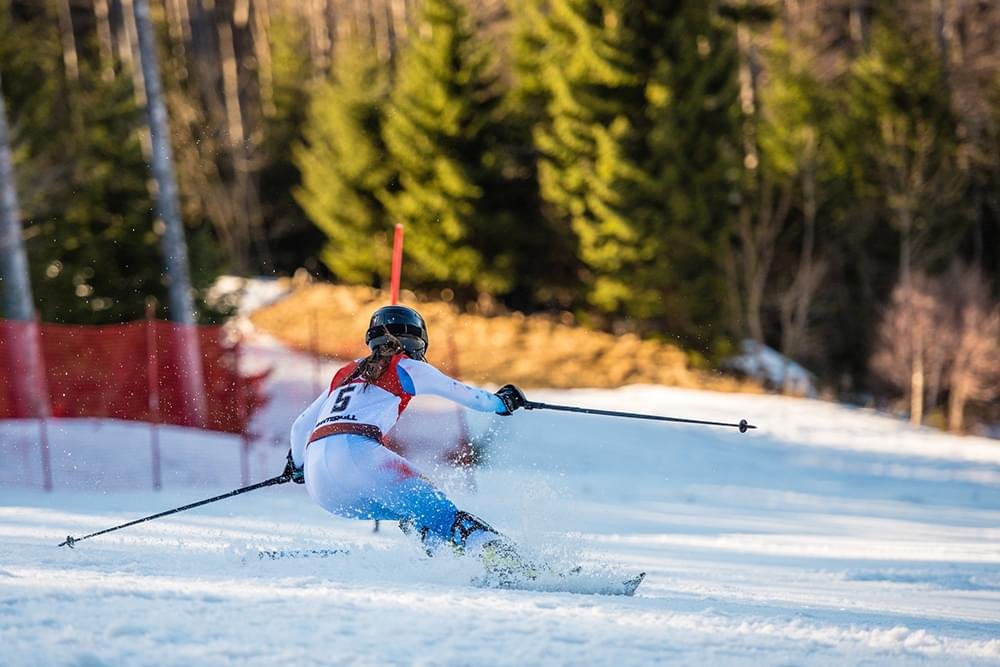
<a href="https://commons.wikimedia.org/wiki/File:Federica_Brignone_Soldeu_2024_GS_1st_run_(11).jpg">Tournasol7</a>, <a href="https://creativecommons.org/licenses/by/4.0">CC BY 4.0</a>, via Wikimedia Commons

Italian Skiing

Published:

Italian competitive skiing embodies a rich tapestry of history, sporting excellence, and an intrinsic connection to the snowy peaks of the Alps and the Dolomites. Italy’s geographical bounty provides vast opportunities for winter sports, and skiing, in particular, has become a significant part of its cultural and competitive landscape. This detailed exploration looks at the history, development, and current state of Italian competitive skiing, highlighting key figures, notable achievements, and the future prospects of this thrilling sport.

1. Historical Overview

The Early Days

The history of Italian competitive skiing dates back to the early 20th century, shortly after the sport found its competitive footing in the colder climes of Northern Europe. Italy's first ski club was founded in Turin in 1909, and the Italian Winter Sports Federation (FISI) was established in 1920, marking the structured beginning of competitive skiing in Italy.

Post-War Expansion

The post-World War II era saw a boom in Italian skiing, both recreationally and competitively. The 1950s and 60s are often referred to as the "Golden Era" of Italian skiing, with the sport becoming more accessible to the public and Italian athletes beginning to make their mark on the international stage.

2. Development of Competitive Skiing

Infrastructure and Resorts

Italy boasts some of the world's most famous ski resorts, including Cortina d'Ampezzo, Val Gardena, and Cervinia. These sites have been integral to the development of skiing in Italy, providing world-class facilities and terrains suitable for high-level competition. The growth of these resorts has gone hand-in-hand with the rise in competitive skiing, with many hosting significant events like the FIS Alpine World Ski Championships and numerous World Cup races.

Technological Advancements

Advancements in ski technology and infrastructure have also propelled Italian competitive skiing. Innovations in ski design, lift systems, and snow maintenance have allowed athletes to perform at their best and have made Italy a preferred destination for international competitions.

3. Italian Achievements in Competitive Skiing

Olympic Glory

Italy's impact on Olympic skiing has been profound. Italian skiers have amassed a commendable collection of medals across various Winter Olympics. At the forefront of these achievements was Alberto Tomba, who secured three gold medals and two silvers across three Olympics, becoming a sporting legend not just in Italy but worldwide.

World Championships

Apart from the Olympics, Italian skiers have excelled at the FIS Alpine World Ski Championships. With numerous medals, especially in technical disciplines like giant slalom and slalom, Italian athletes like Deborah Compagnoni and Gustavo Thoeni have been celebrated for their technical prowess and competitive spirit.

The World Cup Circuit

Italian success is not limited to the Olympics and World Championships but extends to the World Cup circuit, where Italy has consistently produced athletes who compete at the highest level. The likes of Kristian Ghedina and Sofia Goggia have kept Italy's flag flying high in the highly competitive Alpine skiing circuit.

4. Key Figures in Italian Competitive Skiing

Pioneers and Legends

Gustavo Thoeni: A four-time World Cup overall champion in the early 1970s, Thoeni helped put Italian skiing on the map with his technical skill and competitive nature.

Alberto Tomba: Known as "La Bomba" for his explosive skiing style, Tomba is one of the most famous skiers in history, renowned for his charisma and his pivotal role in popularizing skiing in Italy.

Contemporary Stars

Sofia Goggia: The 2018 Olympic downhill champion, Goggia represents the current generation of Italian skiers, known for her fearless skiing and consistency.

Federica Brignone: With multiple World Cup wins and a reputation for versatility, Brignone continues to be a formidable force in women’s Alpine skiing.

5. Future of Italian Competitive Skiing

Youth Development and Talent Identification

The future of Italian competitive skiing looks promising, with continued emphasis on youth programs and talent identification schemes. Initiatives by FISI and local clubs aim to nurture young talent, providing pathways to competitive skiing and ensuring the sport’s healthy growth in Italy.

Challenges and Opportunities

While the future is bright, challenges such as climate change, economic factors, and the need for technological advancements pose threats to the sustained growth of competitive skiing in Italy. However, these challenges also present opportunities for innovation, particularly in sustainable practices and the development of artificial and indoor skiing facilities.

Conclusion

Italian competitive skiing continues to be a beacon of excellence in the winter sports world. With a blend of rich history, continuous development, and bright new talents, Italy’s legacy in the sport is both celebrated and evolving. Whether through the achievements of its Olympic heroes or the promise of its rising stars, Italy remains at the forefront of the skiing world, ever pushing the boundaries of speed, agility, and precision on the snowy slopes.

Sport Systems

Sport icon

Sport

A compact reference to Italy’s sport ecosystem — participation, performance, sectors, venues, events, and global impact — designed to sit beneath articles.

Performance Sectors Venues Events
Italy sport — feature image
From everyday participation to elite competition — sport as identity, industry, community, and international presence.

Italy — sport snapshot

Stable reference signals for quick orientation.

Olympics

Summer + Winter

A long multi-sport tradition across endurance, technical, and precision disciplines. Results are supported by structured federations, coaching pathways, and specialist training centres.

Signature sports

Football, cycling

Football anchors mass attention and club identity, while cycling is woven into national geography and calendar culture. Strong specialist prestige also comes from fencing and motorsport.

Elite venues

Stadiums + circuits

A dense venue map: major stadiums, race circuits, arenas, alpine facilities, and waterfront settings. Many venues are historic “stages” that carry recurring events year after year.

Global events

Giro, F1, tennis

Italy hosts calendar-defining events across road racing, motorsport, tennis, winter sport, and sailing. The combination of place + spectacle is a core part of international appeal.

Motorsport

Teams + riders

Motorsport is both sport and industry: engineering culture, iconic teams, and a strong fan base. Circuits and race weekends function as national and international magnets.

Water sports

Sailing legacy

A maritime country with strong sailing, rowing, and open-water traditions. Coastal clubs and regattas create pathways from local participation to elite campaigns.

Women’s sport

Rising profile

Visibility and professionalism continue to grow across multiple sports. Stronger youth pathways, media attention, and club investment are reshaping the landscape.

Participation

Club-based

A large grassroots base organised through local clubs, federations, and community facilities. Participation is shaped by region, infrastructure access, and the school-to-club transition.

Ecosystem

A dense sporting culture

Sport in Italy runs through local clubs, schools, federations, and professional leagues, with strong regional identities and intense city-based rivalries. Community participation feeds elite pathways, while major clubs and events create national “shared moments” that travel beyond sport into media and everyday conversation. The result is a layered ecosystem: grassroots membership, structured competition, and high-visibility spectacle operating at the same time.

Performance

Multi-sport capability

Italy’s competitive profile is broad, with consistent strength in disciplines that reward technique, endurance, and precision. Federations and coaching systems sustain performance across cycles, while specialised venues and regional centres support targeted development. Success is not limited to one sport: it shows up in track and field, cycling, fencing, winter sport, swimming, and more.

Motorsport

Speed as culture and craft

Motorsport in Italy sits at the intersection of competition, engineering identity, and fan tradition. Circuits and teams create a high-intensity calendar culture, and the sport’s prestige is reinforced by design and manufacturing capability behind the scenes. It’s one of the clearest examples of sport as both entertainment and industrial expression.

Global profile

Events, brands, icons

Italy’s international presence comes through iconic clubs, recurring global events, and athletes who define eras across multiple sports. The country’s venues and routes amplify this visibility — mountains, cities, and coasts are not just backgrounds but part of the drama. Globally, “Italian sport” often reads as a blend of tactical intelligence, style, and deep fan culture.

Italy sport ecosystem
Ecosystem
Italy sporting performance
Performance
Italy motorsport and motorcycle racing
Motorsport
Italy global sport events
Events
Italian sportsmen and sportswomen

Figures

Athletes who define eras

Italy’s sporting identity is built by individuals and teams — Olympic champions, club legends, and modern stars across football, cycling, fencing, tennis, skiing, swimming, and motorsport. Some become cultural reference points beyond sport, shaping national memory through iconic victories, style, and rivalry. The broader pattern is continuity: new generations enter a landscape already rich with history, expectation, and tradition.

Italian sport venues and events

Venues & events

Stages that carry the calendar

Stadiums, circuits, alpine venues, arenas, and waterfront settings host recurring events that structure the national and international calendar. From weekly league fixtures to major race weekends and seasonal competitions, place is part of the spectacle: cities, mountains, and coasts shape atmosphere and narrative. These events also function as economic engines, concentrating visitors, media attention, and local identity into predictable peaks across the year.