Monte Gran Paradiso
Gran Paradiso, standing proudly at 4,061 meters (13,323 feet), is the highest mountain entirely within Italy and is part of the Graian Alps. Located in the northwestern part of the country, it straddles the regions of Aosta Valley and Piedmont. This iconic peak is famed not only for its majestic presence but also for its role as the centerpiece of the Gran Paradiso National Park, Italy’s first and oldest national park, which was established in 1922.
Historical Significance
The mountain's name, which translates to "Great Paradise," reflects its serene and stunning beauty. However, it also has a rich historical significance. Gran Paradiso and its surrounding areas were once hunting grounds for the Savoy royal family. It was King Victor Emmanuel II’s love for hunting the native ibex (Capra ibex), which had been nearing extinction, that led to the creation of the park. Today, the ibex thrives, a symbol of conservation success and natural heritage.
The first recorded ascent of Gran Paradiso was made in September 1860 by a group of climbers led by John Cowell, W. Dundas, and Michel Payot. Since then, it has become a popular destination for mountaineers, especially because it is considered one of the more accessible 4,000-meter peaks in the Alps.
Geography and Climate
Gran Paradiso is part of the Graian Alps, which also include other famous mountains like Mont Blanc and the Matterhorn. Its unique location allows visitors to enjoy panoramic views stretching across the Italian and Swiss Alps, with some of Europe’s most renowned peaks visible from its summit.
The climate in Gran Paradiso varies with altitude. Lower elevations experience a more temperate alpine climate, while the higher regions are much colder and snow-covered for most of the year. Summers are brief and cool, making them the ideal time for hiking, climbing, and wildlife spotting.
Gran Paradiso National Park
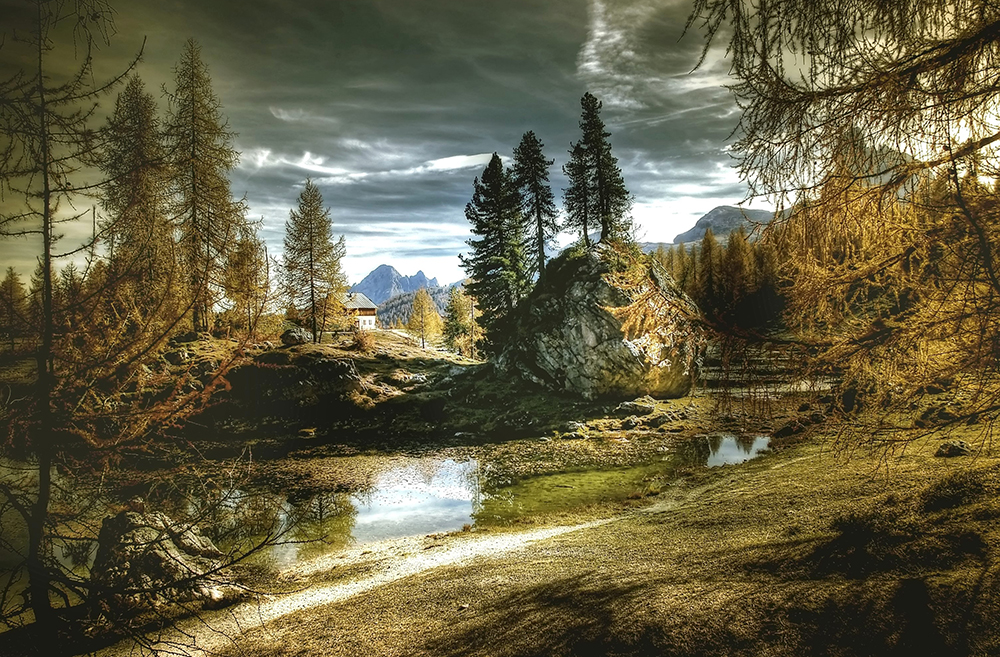
Gran Paradiso National Park is a haven for outdoor enthusiasts. Covering approximately 710 square kilometers, the park is home to diverse ecosystems ranging from lush forests and alpine meadows to rocky crags and glaciers. It is renowned for its biodiversity, including species like ibex, chamois, marmots, and golden eagles.
The park offers a variety of hiking trails, from easy walks for families to more challenging multi-day treks. The Rifugio Vittorio Emanuele II and Rifugio Chabod are two of the main mountain huts, providing accommodation and shelter for those looking to summit Gran Paradiso.
The Climb
Gran Paradiso is considered one of the more approachable 4,000-meter mountains, making it a popular destination for beginner mountaineers. The climb to the summit is typically done in two days. Climbers usually start from one of the two main mountain huts—Rifugio Vittorio Emanuele II or Rifugio Chabod—which are both situated around 2,700 meters above sea level.
While the ascent does not require extensive technical climbing skills, it is still a physically demanding endeavor, requiring proper acclimatization, basic mountaineering equipment, and a guide for less experienced climbers. The final portion of the ascent, just before reaching the summit, involves scrambling over rocks and requires climbers to use ropes for safety.
At the summit, climbers are rewarded with breathtaking views of the surrounding alpine giants, including Mont Blanc, Monte Rosa, and the Matterhorn.
Flora and Fauna
One of the most exciting aspects of visiting Gran Paradiso is the opportunity to observe its rich wildlife. The park is particularly famous for its population of Alpine ibex, which were nearly extinct in the early 20th century. Today, thanks to the efforts of the national park, these graceful animals thrive in large numbers and are often spotted grazing on steep cliffs and rocky outcrops.
Other common species include the chamois, which is slightly smaller than the ibex, as well as marmots, which can be heard whistling across the meadows. Birdwatchers will be thrilled by the chance to spot golden eagles, which soar high above the park, as well as the bearded vulture, a rare and majestic species that was successfully reintroduced to the region.
During spring and summer, the meadows bloom with a variety of alpine flowers, creating vibrant carpets of color. Species like edelweiss, gentian, and alpine roses dot the landscape, adding to the park’s scenic beauty.
Activities Beyond Mountaineering
While mountaineering is a significant draw, Gran Paradiso and its national park offer plenty of other activities for visitors of all skill levels. Hiking trails abound, with paths leading through forests, past waterfalls, and up to panoramic viewpoints. Some trails are easy and family-friendly, while others offer a challenge for seasoned hikers.
In winter, the park transforms into a snowy paradise, offering opportunities for snowshoeing and ski touring. Cross-country skiing is also popular in the valleys below the mountain, where gentle terrain and well-groomed trails provide ideal conditions for this winter sport.
For those interested in culture and history, the nearby towns and villages, such as Cogne and Valsavarenche, offer a glimpse into traditional Alpine life. Visitors can explore ancient churches, local museums, and enjoy hearty regional cuisine, including polenta, fontina cheese, and game meats.
Best Time to Visit
The best time to visit Gran Paradiso depends on the activities you want to pursue. For mountaineering and hiking, the optimal season runs from June to September, when the weather is mild, and the trails are snow-free. Summer months also offer the best chance to observe wildlife in the national park, as animals are more active during this time.
In winter, from December to March, the park becomes a hub for snow sports. Although the weather can be harsh, the snow-covered landscape offers a serene beauty that draws adventurers and nature lovers alike.
Conclusion
Gran Paradiso is more than just a mountain; it is a symbol of Italy’s natural beauty and a testament to the country’s commitment to conservation. Whether you are an experienced mountaineer looking for a new challenge, a wildlife enthusiast hoping to catch a glimpse of ibex and eagles, or simply someone seeking peace in the alpine wilderness, Gran Paradiso offers an unforgettable experience.
From its towering summit to the valleys below, the mountain and its surrounding national park invite exploration, adventure, and appreciation of the wild landscapes that make it truly deserving of the name “Great Paradise.”