Skip to content
Nation / Famous Italians / Pop Music / Laura Pausini
Laura Pausini
<a href="https://commons.wikimedia.org/wiki/File:Laura_Pausini_2009.04.30_015.jpg">LivePict.com</a>, <a href="https://creativecommons.org/licenses/by-sa/3.0">CC BY-SA 3.0</a>, via Wikimedia Commons

Laura Pausini

Published:

Laura Pausini is a name that resonates across the globe, a true icon of Italian pop music who has won the hearts of millions with her powerful voice, emotional lyrics, and magnetic stage presence. Born on May 16, 1974, in Solarolo, a small town in the Emilia-Romagna region of Italy, Pausini's journey from a local talent to an international sensation is both inspiring and extraordinary.

Early Life and Musical Beginnings

Laura Pausini’s passion for music began at an early age. Encouraged by her father, Fabrizio Pausini, a musician himself, she started performing in piano bars and small venues during her teenage years. Her big break came in 1993 when, at just 18 years old, she won the prestigious Sanremo Music Festival in the 'Newcomers' Section' with her song 'La Solitudine'. This heartfelt ballad about love and loneliness captured the audience’s hearts and launched her career in Italy and beyond.

Rise to International Fame

Following her Sanremo triumph, Pausini released her debut album, 'Laura Pausini', which included hits like 'La Solitudine' and 'Non C'è'. The album was a massive success, reaching audiences in Europe and Latin America. Her second album, 'Laura', expanded her popularity, with Spanish versions of her songs gaining traction in the Spanish-speaking world.

By the late 1990s, Pausini had become a global star, releasing albums in multiple languages, including Italian, Spanish, Portuguese, and English. Songs like 'Invece No,' 'Se Fué,' and 'Strani Amori' solidified her reputation as a versatile and emotive artist. Her English-language debut album, 'From the Inside' (2002), marked her entry into the English-speaking market, with tracks like 'Surrender' finding success in the U.S.

Awards and Recognition

Laura Pausini’s achievements in the music industry are unparalleled. She has won numerous awards, including a Grammy Award for Best Latin Pop Album in 2006 for 'Escucha' and multiple Latin Grammy Awards. She was also the first Italian female artist to win a Grammy, a testament to her global impact and artistry.

In 2021, Pausini’s song 'Io Sì (Seen)', featured in the film '''The Life Ahead''', won a Golden Globe for Best Original Song and earned her an Academy Award nomination, further cementing her place in the international music scene.

Versatility and Legacy

Pausini’s ability to connect with audiences across cultures and languages is one of her greatest strengths. Her songs often explore universal themes of love, heartbreak, and self-discovery, making her music relatable to fans worldwide. Beyond her music, she is admired for her authenticity, humility, and philanthropy, supporting causes related to education, health, and women’s rights.

In 2023, Pausini celebrated 30 years in the music industry with a world tour, thrilling fans with her timeless hits and showcasing her enduring talent and charisma. Her live performances are renowned for their energy and emotion, with her powerful voice leaving audiences spellbound.

Conclusion

Laura Pausini is more than just a singer; she is a cultural ambassador, a pioneer, and an inspiration. Her journey from a small-town girl in Italy to an internationally acclaimed artist exemplifies the power of talent, hard work, and staying true to one’s roots. With her incredible voice, passion for music, and dedication to her craft, Laura Pausini continues to shine as one of the most iconic voices of our time.

Whether you’re a lifelong fan or new to her music, exploring Laura Pausini’s discography is a journey through the heart and soul of one of Italy’s greatest musical treasures.

Cultural Systems

Culture icon

Culture

A compact reference to Italy’s cultural formation — from ancient civilisations to modern creative output — designed to sit beneath articles.

Foundations Renaissance Production Media
Italy cultural heritage
Layers of civilisation, living traditions, and modern cultural production — continuously reshaped, never static.

Italy — culture snapshot

Stable reference signals for quick cultural orientation.

Language

Italian

A national language with strong regional variation and a wide landscape of dialects and minority languages. Accent, vocabulary, and local speech traditions often signal place and identity as much as geography.

Heritage density

Very high

Historic centres, monuments, and cultural landscapes are embedded in everyday towns and cities. Much of Italy’s cultural experience is encountered “in the street,” not only in museums.

UNESCO sites

61

World Heritage properties spanning archaeology, historic cities, architecture, cultural landscapes, and natural areas. The scale of inscription reflects Italy’s multi-era civilisation layers and preservation footprint.

City-states legacy

Enduring

Many cultural identities formed around historic city-states and regional capitals rather than a single national centre. This helps explain Italy’s strong local traditions, rivalries, and distinctive regional aesthetics.

Cuisine

Regional

Food culture is a map: recipes, ingredients, and formats shift quickly across regions and even neighbouring valleys. Cuisine functions as cultural identity, social ritual, and a major export of taste and narrative.

Festivals

Year-round

Local calendars are structured by religious feasts, civic celebrations, historical re-enactments, and seasonal harvest events. Festivals are one of the strongest “living culture” channels connecting community and place.

Creative industries

Global

Design, fashion, publishing, music, theatre, and film operate as structured cultural sectors. International reach often comes through a blend of craft, brand, narrative, and high-end production standards.

Cultural influence

Soft power

Italy’s influence circulates through education, heritage tourism, cuisine, style, and iconic figures. Globally, “Italian” often functions as an aesthetic shorthand for proportion, beauty, and quality.

Foundations

A layered inheritance

Italy’s cultural base is composite: Etruscan, Greek, Roman, Byzantine, Norman, Arab, and Aragonese layers are visible in settlement patterns, language traces, law, and art. These influences don’t sit neatly in museums — they appear in street layouts, place names, architecture, and everyday customs. The result is a cultural geography where “history” is often encountered as a living environment rather than a finished past.

Renaissance

Humanism as export

The Renaissance repositioned Italian city-centres as laboratories for art, science, philosophy, and civic identity. Patronage systems, workshops, and new ways of seeing the human figure and the built environment reshaped European culture. Its legacy still drives how Italy is perceived globally: as a source of form, proportion, and intellectual ambition.

Production

Culture as a sector

Italy produces culture through institutions and industries: museums and heritage sites, theatres and opera houses, publishing, design, fashion, and music. These are structured ecosystems of training, craft, curation, and commercial delivery — often anchored in specific cities and regional networks. The most durable output tends to combine tradition with contemporary execution, keeping cultural identity active rather than nostalgic.

Media

Soft power, hard legacy

Italian culture circulates internationally through cinema, television, literature, music, and the global language of style. The strongest themes often link place, class, family, beauty, and social realism — with cities and landscapes functioning as characters in their own right. In global terms, Italy’s media presence reinforces an enduring cultural signature: human-scale life, aesthetic intelligence, and narrative depth.

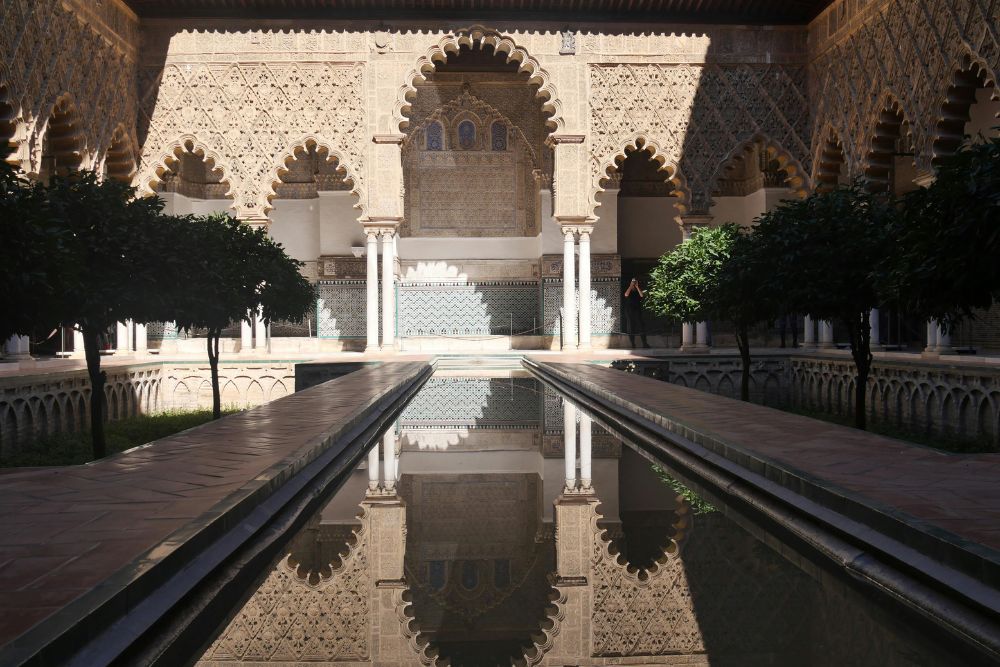
Ancient cultural foundations
Foundations
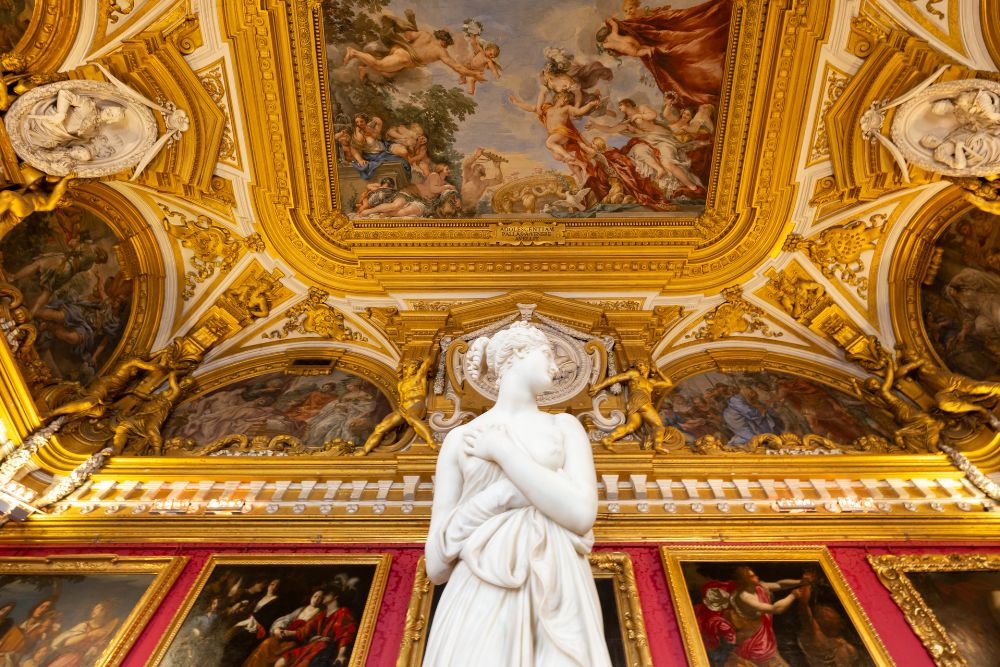
Italian Renaissance art
Renaissance
Italian cultural production
Production
Italian film television music
Media
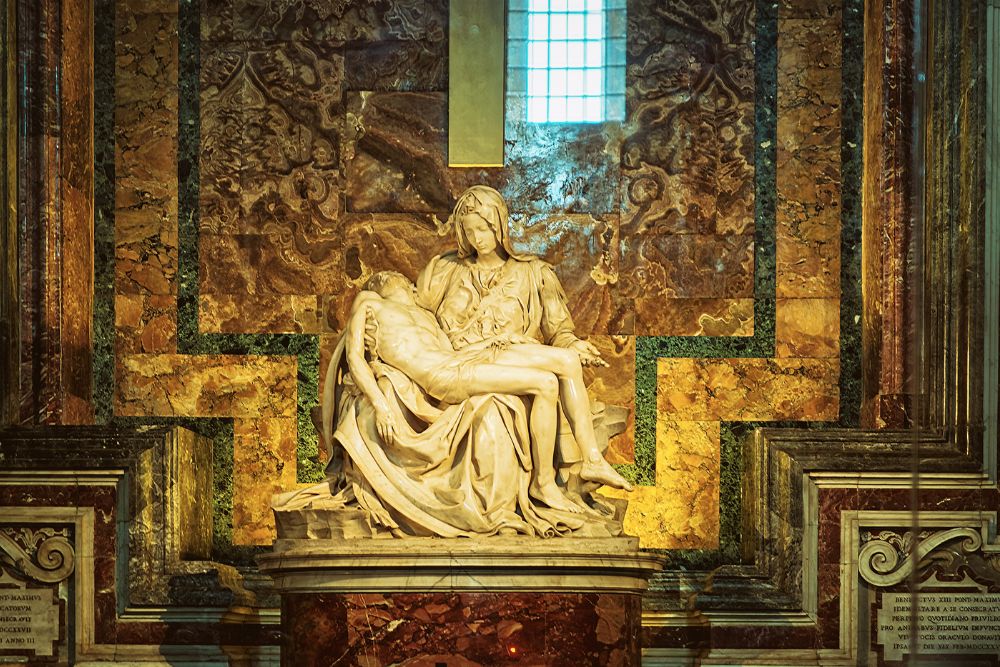
Italian cultural figures

Figures

Artists, thinkers, creators

Italy’s cultural memory is shaped by writers, artists, architects, composers, filmmakers, and designers — not as a single canon, but as a long continuum. Landmark figures helped define language, form, and narrative, while modern creators translated those traditions into contemporary media and global industries. The enduring pattern is craft plus vision: technical mastery paired with a distinctive aesthetic sensibility that travels internationally.

Italian fiction film television

Stories

From page to screen

Italian storytelling moves across literature, cinema, television, theatre, and music, often turning social reality into powerful narrative. Themes of family, community, class, ambition, beauty, and place recur because they reflect how Italian life is organised and remembered. International audiences often meet Italy through these stories — where landscape, streets, and everyday ritual become as important as plot.