Skip to content
Sport / Italy and the Olympics
Italy and the Olympics: Hosting History and Athletic Excellence
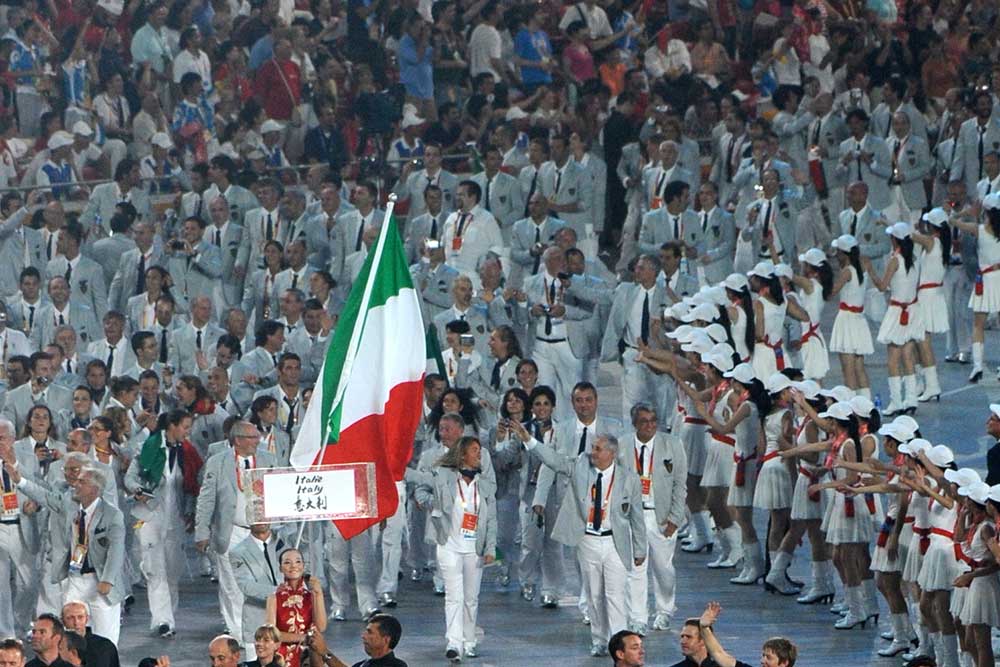
<a href="https://commons.wikimedia.org/wiki/File:2008_Summer_Olympics_-_Opening_-_team_Italy_-_la_itala_teamo.jpg">U.S. Army World Class Athlete Program, photo by Tim Hipps</a>, <a href="https://creativecommons.org/licenses/by/2.0">CC BY 2.0</a>, via Wikimedia Commons

Italy and the Olympics: Hosting History and Athletic Excellence

Published:

Italy's relationship with the Olympic Games is a rich tapestry woven with both hosting prestigious events and delivering memorable athletic performances. From the grandeur of the ancient Roman Empire, where athletic competitions were celebrated, to modern times where Italy has hosted multiple Olympic Games, the nation's role in the history of the Olympics is profound. Italy's athletes have consistently excelled in various disciplines, contributing to the country's status as a sporting powerhouse.

Italy as a Host of the Olympic Games

Italy has had the honor of hosting the Olympic Games three times, once for the Summer Olympics and twice for the Winter Olympics. Each event has left a significant legacy in terms of infrastructure, cultural impact, and sporting achievements.

1. Rome 1960 Summer Olympics:

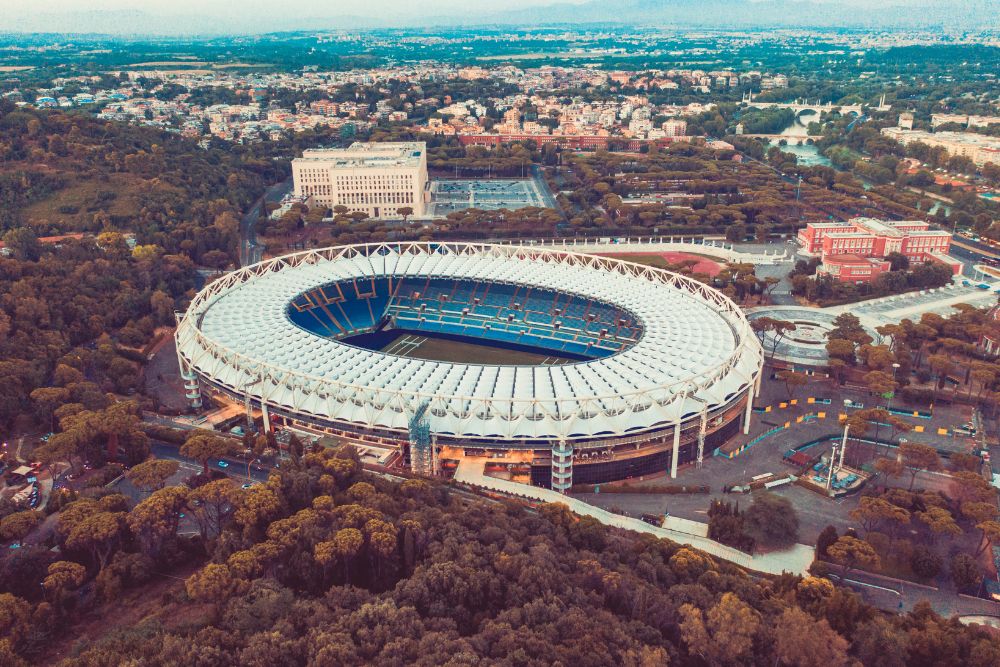
The 1960 Olympics in Rome are often remembered as a landmark event. It was the first Olympics ever televised live, bringing the games into homes worldwide and showcasing the eternal city’s historic sites as backdrops for the competitions. The event was a triumph in sports and a symbol of post-war recovery and unity. The opening ceremony took place at the Stadio Olimpico, a stadium originally built for the 1940 Games that were canceled due to World War II. The Rome Olympics saw the rise of legends such as Muhammad Ali, who won a gold medal in boxing, and Ethiopian runner Abebe Bikila, who ran barefoot to win the marathon.

2. Cortina d'Ampezzo 1956 Winter Olympics:

The Winter Olympics in Cortina d'Ampezzo was Italy's first foray into hosting the Olympics. Nestled in the Dolomites, Cortina provided a picturesque setting for the Games. This event marked the first time the Winter Olympics were televised, giving a global audience a glimpse of the beauty of the Italian Alps. Italy’s performance in the Games was commendable, and the event boosted the region’s profile as a top winter sports destination.

3. Turin 2006 Winter Olympics:

Fifty years after Cortina, Italy hosted the Winter Olympics again, this time in Turin. The 2006 Games were a showcase of modern Italian culture and efficiency, with the city of Turin undergoing significant transformation in preparation for the event. The Games were praised for their organization and the seamless blend of tradition and innovation. Italian athletes shone brightly, particularly in sports like alpine skiing, figure skating, and speed skating, securing a total of 11 medals.

Italy's Performance in the Olympics

Italy's athletes have a storied history of success in the Olympic Games, consistently ranking among the top nations in terms of medal count. Italy has participated in every Summer Olympics except for the 1904 St. Louis Games and has been a regular participant in the Winter Olympics since 1948.

1. Summer Olympics:

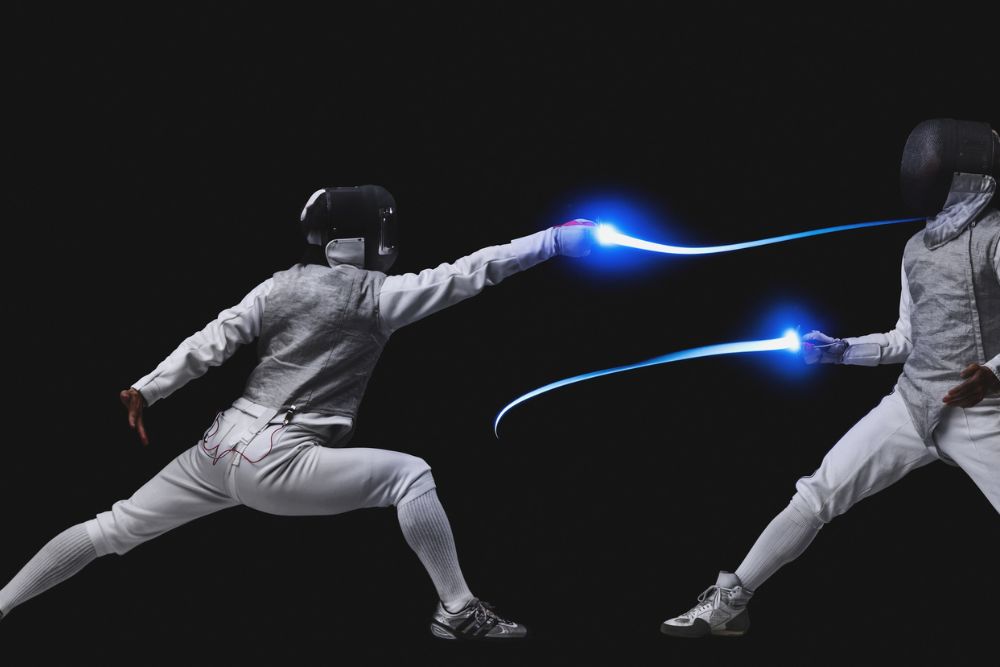
Italy’s performance in the Summer Olympics has been particularly strong in sports like fencing, cycling, athletics, and swimming. Fencing is a sport where Italy has truly excelled, with the country winning more Olympic medals in fencing than any other nation. Legendary athletes like Edoardo Mangiarotti, who won 13 medals between 1936 and 1960, have set the standard for Italian excellence. In athletics, Pietro Mennea remains a national hero for his 200m sprint victory in Moscow 1980, while in cycling, Gino Bartali and Fausto Coppi are remembered for their contributions to Italy’s medal tally.

2. Winter Olympics:

While Italy's prowess in the Winter Olympics has historically been less dominant than in the Summer Games, the country has produced remarkable athletes in skiing, bobsleigh, and skating. Alberto Tomba, known as "La Bomba," is one of the most famous Italian Winter Olympians, with three gold and two silver medals in alpine skiing from the late 1980s and early 1990s. His flamboyant personality and aggressive skiing style captivated audiences worldwide. Armin Zöggeler, an Italian luger, has also made history by winning medals in six consecutive Winter Olympics, a feat unmatched in the sport.

Italy's Future in the Olympics

Looking ahead, Italy is set to host the 2026 Winter Olympics in Milan and Cortina d'Ampezzo, marking the country's fourth time as an Olympic host. This upcoming event is anticipated with great excitement and will likely further Italy’s legacy in the Olympic movement. The Milan-Cortina Olympics promises to be a blend of Italy's rich cultural heritage and modern innovation, with plans for sustainable venues and a strong focus on environmental responsibility.

Conclusion

Italy's contributions to the Olympic Games, both as a host and competitor, are deeply etched in the history of the modern Olympics. From the iconic 1960 Rome Games to the upcoming 2026 Winter Olympics, Italy has continuously demonstrated its commitment to the Olympic spirit. Italian athletes' performances have inspired generations, and the country's ability to host world-class events has left lasting legacies that resonate far beyond the realms of sport. As Italy prepares for the future, its role in the Olympics remains as vital as ever, promising new chapters in an already illustrious history.

Sport Systems

Sport icon

Sport

A compact reference to Italy’s sport ecosystem — participation, performance, sectors, venues, events, and global impact — designed to sit beneath articles.

Performance Sectors Venues Events
Italy sport — feature image
From everyday participation to elite competition — sport as identity, industry, community, and international presence.

Italy — sport snapshot

Stable reference signals for quick orientation.

Olympics

Summer + Winter

A long multi-sport tradition across endurance, technical, and precision disciplines. Results are supported by structured federations, coaching pathways, and specialist training centres.

Signature sports

Football, cycling

Football anchors mass attention and club identity, while cycling is woven into national geography and calendar culture. Strong specialist prestige also comes from fencing and motorsport.

Elite venues

Stadiums + circuits

A dense venue map: major stadiums, race circuits, arenas, alpine facilities, and waterfront settings. Many venues are historic “stages” that carry recurring events year after year.

Global events

Giro, F1, tennis

Italy hosts calendar-defining events across road racing, motorsport, tennis, winter sport, and sailing. The combination of place + spectacle is a core part of international appeal.

Motorsport

Teams + riders

Motorsport is both sport and industry: engineering culture, iconic teams, and a strong fan base. Circuits and race weekends function as national and international magnets.

Water sports

Sailing legacy

A maritime country with strong sailing, rowing, and open-water traditions. Coastal clubs and regattas create pathways from local participation to elite campaigns.

Women’s sport

Rising profile

Visibility and professionalism continue to grow across multiple sports. Stronger youth pathways, media attention, and club investment are reshaping the landscape.

Participation

Club-based

A large grassroots base organised through local clubs, federations, and community facilities. Participation is shaped by region, infrastructure access, and the school-to-club transition.

Ecosystem

A dense sporting culture

Sport in Italy runs through local clubs, schools, federations, and professional leagues, with strong regional identities and intense city-based rivalries. Community participation feeds elite pathways, while major clubs and events create national “shared moments” that travel beyond sport into media and everyday conversation. The result is a layered ecosystem: grassroots membership, structured competition, and high-visibility spectacle operating at the same time.

Performance

Multi-sport capability

Italy’s competitive profile is broad, with consistent strength in disciplines that reward technique, endurance, and precision. Federations and coaching systems sustain performance across cycles, while specialised venues and regional centres support targeted development. Success is not limited to one sport: it shows up in track and field, cycling, fencing, winter sport, swimming, and more.

Motorsport

Speed as culture and craft

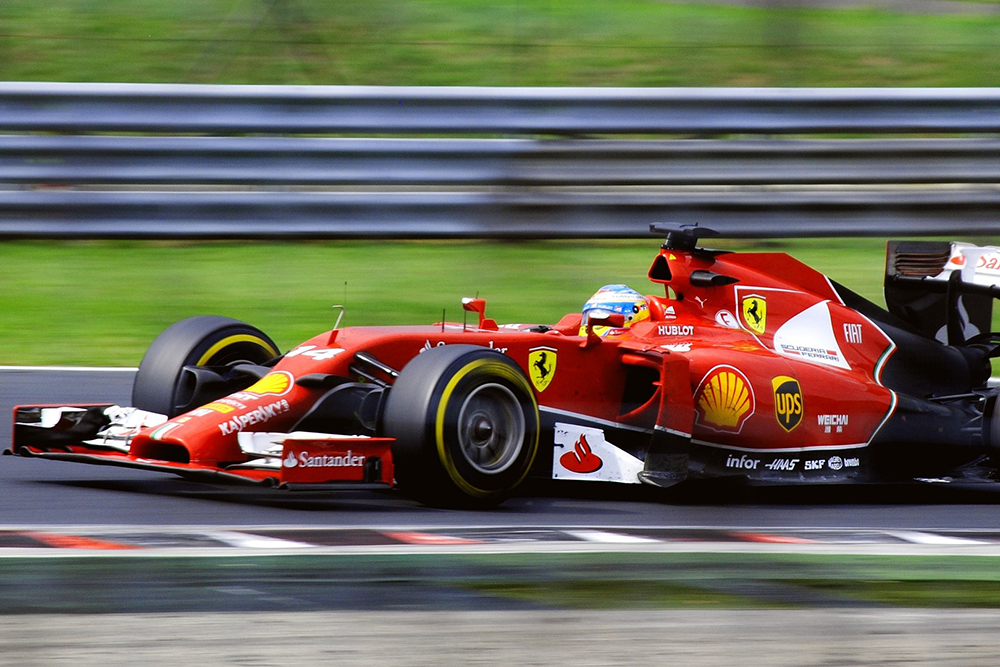
Motorsport in Italy sits at the intersection of competition, engineering identity, and fan tradition. Circuits and teams create a high-intensity calendar culture, and the sport’s prestige is reinforced by design and manufacturing capability behind the scenes. It’s one of the clearest examples of sport as both entertainment and industrial expression.

Global profile

Events, brands, icons

Italy’s international presence comes through iconic clubs, recurring global events, and athletes who define eras across multiple sports. The country’s venues and routes amplify this visibility — mountains, cities, and coasts are not just backgrounds but part of the drama. Globally, “Italian sport” often reads as a blend of tactical intelligence, style, and deep fan culture.

Italy sport ecosystem
Ecosystem
Italy sporting performance
Performance
Italy motorsport and motorcycle racing
Motorsport
Italy global sport events
Events
Italian sportsmen and sportswomen

Figures

Athletes who define eras

Italy’s sporting identity is built by individuals and teams — Olympic champions, club legends, and modern stars across football, cycling, fencing, tennis, skiing, swimming, and motorsport. Some become cultural reference points beyond sport, shaping national memory through iconic victories, style, and rivalry. The broader pattern is continuity: new generations enter a landscape already rich with history, expectation, and tradition.

Italian sport venues and events

Venues & events

Stages that carry the calendar

Stadiums, circuits, alpine venues, arenas, and waterfront settings host recurring events that structure the national and international calendar. From weekly league fixtures to major race weekends and seasonal competitions, place is part of the spectacle: cities, mountains, and coasts shape atmosphere and narrative. These events also function as economic engines, concentrating visitors, media attention, and local identity into predictable peaks across the year.