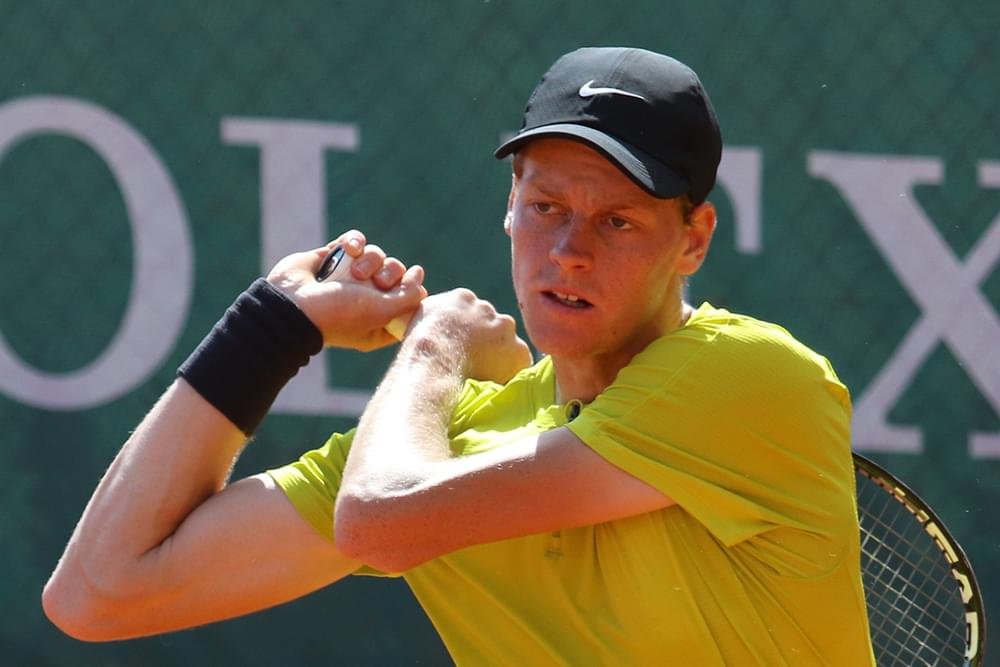
Jannik Sinner: A Rising Tennis Star's Journey to Success
In the world of professional tennis, few names have gained as much attention and promise in recent years as Jannik Sinner. Hailing from the picturesque region of South Tyrol in northern Italy, Sinner has captured the hearts of tennis enthusiasts worldwide with his extraordinary talent, work ethic, and remarkable achievements at such a young age. This article delves into the life, development, and recent successes of the tennis prodigy, Jannik Sinner.
Early Life
Jannik Sinner was born on August 16, 2001, in the charming town of Innichen, South Tyrol, Italy. His journey into the world of sports began at a very early age when he showed a keen interest in skiing and tennis. The Sinner family, recognizing their son's innate talent and passion for tennis, decided to nurture his potential. They moved to the city of Bolzano, where Jannik could access better coaching facilities and competitive tournaments.
Development and Training
Sinner's rapid rise in the tennis world can be attributed to his relentless work ethic and the guidance of his dedicated coaches. At the age of 13, he made the pivotal decision to relocate to Bordighera, Italy, to train at the prestigious Piatti Tennis Center. Under the watchful eye of coach Riccardo Piatti, Sinner honed his skills and improved his game. Piatti, a respected figure in the tennis coaching world, played a crucial role in shaping Sinner into the player he is today.
One of the most striking aspects of Sinner's game is his versatility. His powerful groundstrokes, exceptional court coverage, and fearless net play have often drawn comparisons to some of the sport's greatest players. Sinner's remarkable ability to adapt to various playing styles and surfaces has contributed significantly to his success.
The Breakthrough
Jannik Sinner's breakthrough on the professional tennis circuit came in 2019 when he claimed the Next Gen ATP Finals title. This victory catapulted him into the limelight and solidified his status as one of the brightest prospects in men's tennis. Notably, Sinner became the youngest player to win the year-end tournament since its inception.
Sinner's meteoric rise continued as he secured his first ATP title in Sofia, Bulgaria, in 2020. He demonstrated his poise and composure by defeating the experienced Canadian player Vasek Pospisil in the final. This victory marked a significant milestone in his career and further fueled the anticipation surrounding his future prospects.
Recent Successes
Jannik Sinner's recent successes have showcased his incredible talent and potential to contend at the highest level of the sport. In October 2020, he reached his first Grand Slam quarterfinal at the French Open, announcing his arrival as a force to be reckoned with in the tennis world. His dynamic and aggressive style of play, combined with his unwavering focus, makes him a formidable opponent on any surface.
Another remarkable achievement in Sinner's young career is his victory at the 2021 Miami Open. He defeated some of the sport's top players, including Alexander Bublik, Karen Khachanov, and Roberto Bautista Agut, en route to the title. This triumph catapulted him into the top 20 of the ATP rankings and underscored his potential to challenge for major titles in the future.
Jannik Sinner's 2023 tennis season was remarkable, characterized by significant achievements and consistent performances. The Italian player, then 22 years old, demonstrated exceptional skill and resilience throughout the year, securing a noteworthy place in the world of tennis.
Key Highlights and Achievements:
World Ranking: Sinner rose to a career-high rank of No. 4 in the world, reflecting his successful run through the season.
Tournament Wins: He secured three titles in 2023, showcasing his versatility and skill on different surfaces. These victories came at Montpellier, Toronto, and Beijing.
Grand Slam Performance: Sinner made a significant impact at Wimbledon, reaching the semi-finals, which was a testament to his improved performance on grass courts.
Other Notable Performances
He reached the finals at both the Rotterdam and Miami tournaments, indicating his consistent high-level play throughout the season. In addition, his performance at the Nitto ATP Finals was particularly noteworthy. He managed to reach the final, a significant achievement at this prestigious year-end tournament.
Victories Against Top Players: Sinner demonstrated his ability to compete with the best in the sport. He recorded a notable victory over Daniil Medvedev at the China Open and later defeated him again in the semi-finals of the Nitto ATP Finals. He also secured victories against other top players like Novak Djokovic and Stefanos Tsitsipas during the round-robin stage of the Nitto ATP Finals.
Nitto ATP Finals: At the Nitto ATP Finals, Sinner had an impressive run, topping his group with a 3-0 record, before defeating Medvedev in the semi-finals. However, he was defeated by Djokovic in the final, but his performance throughout the tournament was highly commendable.
Overall Performance: Sinner finished the year with a composed 51-13 record, highlighting his consistency and competitiveness throughout the season.
The Continuing Rise of a Tennnis Superstar
Throughout the year, Sinner's dedication to improving his mental game and his ability to remain grounded despite his successes were key factors in his achievements. His performances against top-ranked players and in high-stake tournaments have set him on a path towards tennis greatness. All of these successes were crowned in January, 2024, when he became the first Italian to win the Australian Open, welcoming in a new era for himself, Italy and men's singles tennis in general.
In May 2025, Jannik Sinner returned to professional tennis at the Italian Open in Rome, following a three-month suspension due to a doping violation linked to contaminated contact during physiotherapy.
Off the court, Sinner continues to make a positive impact. In April 2025, he launched the Jannik Sinner Foundation, dedicated to empowering children through education and sports. The foundation aims to provide resources and opportunities to underprivileged youth, reflecting Sinner's commitment to giving back to the community and supporting the next generation.