Winter in Italy
When winter blankets Italy in a serene embrace, it transforms into a land of enchantment, offering mild weather, festive traditions, and snow-dusted landscapes. The winter season in Italy is a hidden gem, inviting travelers to experience the country in a unique and magical way. In this article, we will delve into the captivating winter weather in Italy, the best time to visit, the array of winter activities, and the heartwarming Italian holiday traditions that make this season truly special.
Italy's Winter Weather Mild and Memorable
Italy's winter climate varies from region to region, but as a whole, it tends to be mild compared to many other European countries. Here's what you can expect from Italy's winter weather
Mild Temperatures
Italy experiences relatively mild winter temperatures, with daytime highs averaging between 8°C and 15°C (46°F and 59°F). Coastal regions, such as Southern Italy and Sicily, often enjoy even warmer weather.
Sunny Days
While the days are shorter during winter, Italy still receives its fair share of sunshine. Clear blue skies and crisp air make it a delightful time for exploration and outdoor activities.
Snowfall in the North
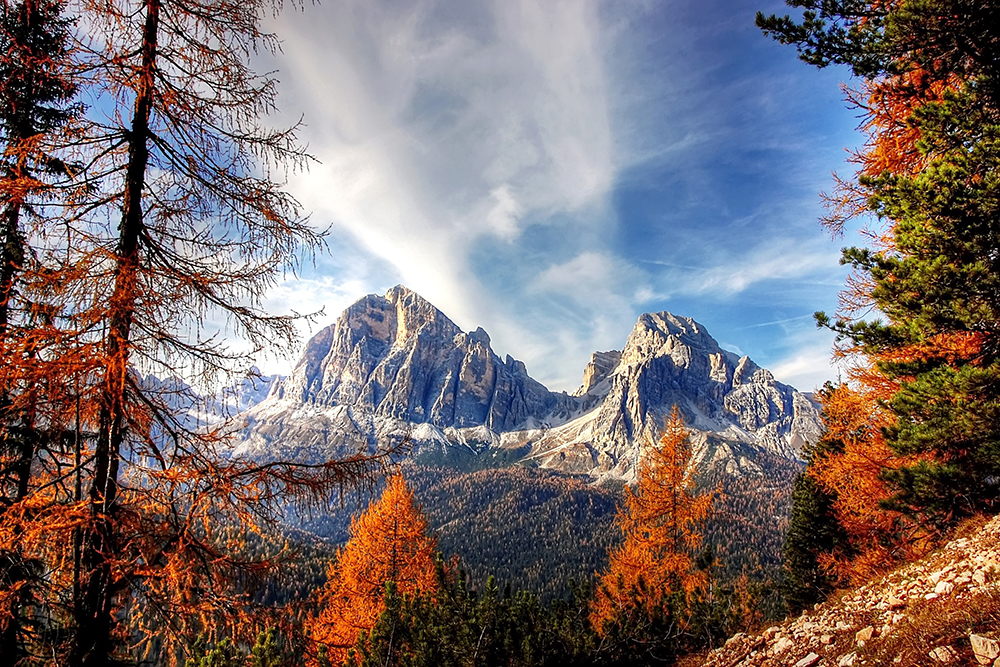
Northern regions, including the Alps and Dolomites, receive a generous dusting of snow, making them popular destinations for winter sports enthusiasts. Skiing, snowboarding, and snowshoeing opportunities abound.
Limited Rain
Precipitation levels are relatively low during the winter months, except in coastal regions, where occasional rain showers may occur. Overall, Italy's winter is characterized by dry and pleasant weather.
Festive Atmosphere
Italy's cities and towns come alive with festive decorations, creating a warm and welcoming atmosphere that's perfect for holiday celebrations.
Best Time to Visit Italy in Winter
The winter season in Italy typically spans from December to February, and the best time to visit depends on your preferences and interests
December
December is a magical time to visit Italy, especially in the lead-up to Christmas. The cities are adorned with twinkling lights, and Christmas markets offer delightful treats and handmade crafts. Venice's Carnevale also kicks off in late December.
January
January is perfect for those who prefer quieter travel experiences. It's a great time to explore Italy's museums, historic sites, and cultural treasures without the crowds. Skiing and winter sports enthusiasts will also find ideal conditions in the northern regions.
February
February marks the end of winter in Italy, and it's an excellent time to experience the famed Venice Carnival, which typically takes place in the first two weeks of the month. You can also enjoy Valentine's Day in the romantic settings of Italian cities.
Winter Activities in Italy A Wonderland of Options
Italy in winter offers a diverse range of activities and experiences for travelers of all tastes. Here are some winter wonders to explore
Winter Sports
The Italian Alps and Dolomites are renowned for their world-class skiing and snowboarding facilities. Resorts like Cortina d'Ampezzo and Courmayeur attract winter sports enthusiasts from around the globe.
Christmas Markets
Immerse yourself in the holiday spirit by visiting the charming Christmas markets that pop up in cities like Rome, Florence, and Milan. Sample seasonal treats, shop for unique gifts, and enjoy the festive ambiance.
Cultural Exploration
Italy's cities are a treasure trove of art, history, and culture. Winter provides a wonderful opportunity to explore museums, churches, and historical sites without the crowds.
Culinary Delights
Indulge in hearty Italian winter cuisine, featuring dishes like hearty soups, risotto, and succulent roasts. Truffle hunting in regions like Umbria is also a delightful winter activity.
Thermal Baths
Enjoy the therapeutic benefits of Italy's natural thermal baths. Regions like Tuscany and Emilia-Romagna offer hot springs that provide a soothing escape from the winter chill.
Italian Holiday Traditions Heartwarming Moments
Italy's winter season is steeped in rich traditions and celebrations that add warmth and charm to the colder months. Here are some heartwarming Italian holiday traditions to experience
Natale (Christmas)
Italians celebrate Christmas with great fervor. Midnight Mass on Christmas Eve is a cherished tradition, followed by a festive feast featuring dishes like panettone and torrone.
Capodanno (New Year's Eve)
New Year's Eve is a time for grand celebrations. Cities across Italy host fireworks displays, and it's a common tradition to eat lentils at midnight for good luck in the coming year.
Carnevale (Carnival)
Venice's Carnevale is world-famous for its elaborate masks, costumes, and parades. It's a magical time to visit the city and immerse yourself in the centuries-old traditions.
La Befana
On the night of January 5th, La Befana, a kindly witch-like figure, visits Italian households to fill stockings with sweets and gifts for children. This tradition is a unique Italian take on Epiphany.
Candelora
On February 2nd, Italians celebrate Candelora, a day that marks the halfway point between winter and spring. It's a time to bless candles and enjoy a feast, including a special pasta dish called "crespelle."
Conclusion
Italy's winter season is a hidden gem that beckons travelers with its mild climate, festive traditions, and a variety of activities to suit every taste. Whether you're hitting the slopes in the Alps, savoring Italian winter cuisine, or participating in holiday celebrations, Italy in winter promises an unforgettable experience. So, plan your winter getaway, embrace the enchantment of Italy's winter weather, and create lasting memories in a land where every season has its own unique charm.