Skip to content
Sport / Sport Sectors / Italian Motorcycle Racing
Italian Motorcycle Racing: A Thrilling History

Italian Motorcycle Racing: A Thrilling History

Published:

Italy, known for its rich cultural heritage and impeccable taste in design, has another feather in its cap that leaves an indelible mark on the world – Italian motorcycle racing. From the raw excitement of MotoGP to the enduring legacy of legendary Italian riders and the captivating allure of iconic motorcycle manufacturers, Italian motorcycle racing has carved a thrilling niche in the world of motorsport. In this article, we embark on a 1000-word journey through the history, passion, and triumphs of Italian motorcycle racing.

The Birth of Italian Motorcycle Racing

The roots of Italian motorcycle racing can be traced back to the early 20th century, mirroring the development of the country's burgeoning automotive industry. In 1903, the Italian Motorcycle Championship was introduced, serving as a breeding ground for local talent and fostering the growth of Italian motorcycle manufacturers. One of the earliest Italian motorcycle manufacturers, Moto Guzzi, was founded in 1921 and quickly became synonymous with speed and style.

However, it was during the 1930s that Italian motorcycle racing truly began to captivate the world. Moto Guzzi and Gilera emerged as dominant forces, with riders like Carlo Gilera and Dorino Serafini achieving remarkable success. The rivalry between these Italian giants laid the foundation for what would become a storied history of Italian motorcycle racing.

Post-War Resurgence

After the tumultuous years of World War II, Italian motorcycle racing experienced a resurgence. The legendary rider Umberto Masetti brought glory to Italy by winning the 1950 and 1952 500cc World Championships on his Gilera. This marked the beginning of Italy's dominance in motorcycle racing and set the stage for future generations of riders to follow in his footsteps.

The Italian Motorcycle Grand Prix

The Italian Motorcycle Grand Prix, held at the iconic Mugello Circuit in Tuscany, has been a pivotal event in the world of motorcycle racing since its inception in 1976. The passionate Italian fans, known as the "tifosi," create an electric atmosphere that reverberates through the hills of Mugello. The circuit's challenging layout, with its elevation changes and fast corners, tests the mettle of riders and machines alike.

Throughout the years, the Italian Motorcycle Grand Prix has witnessed epic battles between legendary Italian riders such as Giacomo Agostini, Valentino Rossi, and Marco Simoncelli. These races have become historic moments in the annals of Italian motorcycle racing, etching the names of these riders in the hearts of fans worldwide.

Valentino Rossi: The Doctor

One name that stands out prominently in the history of Italian motorcycle racing is Valentino Rossi. Known as "The Doctor," Rossi is arguably the most celebrated motorcycle racer of all time. His remarkable career includes multiple MotoGP World Championships, numerous victories, and a legion of dedicated fans.

Valentino Rossi's charisma and exceptional riding skills have made him a global icon both on and off the track. His switch to Yamaha in 2004 sparked a resurgence for the Italian team and showcased the enduring Italian talent in motorcycle racing. Even as Rossi entered the twilight of his career, his impact on the sport remained immeasurable, inspiring countless riders and fans alike.

Italian Motorcycle Manufacturers

Italian motorcycle racing has been intrinsically tied to the success of Italian motorcycle manufacturers. Brands like Ducati, Aprilia, and MV Agusta have consistently pushed the boundaries of technology and design, producing motorcycles that are as much works of art as they are racing machines.

Ducati, in particular, has had a profound impact on the sport. Their distinctive red bikes, known for their V-twin engines and striking design, have been a fixture in the MotoGP championship for decades. Riders like Casey Stoner and Andrea Dovizioso brought glory to Ducati by clinching MotoGP victories on these iconic motorcycles.

Aprilia and MV Agusta, though smaller in scale, have also made significant contributions to Italian motorcycle racing. Aprilia's dominance in the 250cc and 125cc classes during the 1990s showcased their engineering prowess, while MV Agusta's historic victories in the early years of Grand Prix racing have left an enduring legacy.

The Future of Italian Motorcycle Racing

As we look to the future of Italian motorcycle racing, there is a promising crop of young Italian riders making their mark on the world stage. Riders like Francesco Bagnaia, Fabio Di Giannantonio, and Enea Bastianini are poised to carry on the legacy of their predecessors and make Italy proud on the international motorcycle racing scene.

Additionally, Italian motorcycle manufacturers continue to innovate and produce high-performance machines that are highly sought after by riders and collectors alike. The fusion of cutting-edge technology with Italian design sensibilities ensures that the future of Italian motorcycle racing remains as thrilling and captivating as ever.

Conclusion

Italian motorcycle racing is a thrilling world of speed, skill, and passion that has captivated enthusiasts and fans around the globe. From its humble beginnings to the present day, Italy has played an integral role in shaping the landscape of motorcycle racing. The legacy of legendary riders, iconic manufacturers, and historic races continues to fuel the fire of Italian motorcycle racing, ensuring that it remains a vibrant and exhilarating sport for generations to come.

Sport Systems

Sport icon

Sport

A compact reference to Italy’s sport ecosystem — participation, performance, sectors, venues, events, and global impact — designed to sit beneath articles.

Performance Sectors Venues Events
Italy sport — feature image
From everyday participation to elite competition — sport as identity, industry, community, and international presence.

Italy — sport snapshot

Stable reference signals for quick orientation.

Olympics

Summer + Winter

A long multi-sport tradition across endurance, technical, and precision disciplines. Results are supported by structured federations, coaching pathways, and specialist training centres.

Signature sports

Football, cycling

Football anchors mass attention and club identity, while cycling is woven into national geography and calendar culture. Strong specialist prestige also comes from fencing and motorsport.

Elite venues

Stadiums + circuits

A dense venue map: major stadiums, race circuits, arenas, alpine facilities, and waterfront settings. Many venues are historic “stages” that carry recurring events year after year.

Global events

Giro, F1, tennis

Italy hosts calendar-defining events across road racing, motorsport, tennis, winter sport, and sailing. The combination of place + spectacle is a core part of international appeal.

Motorsport

Teams + riders

Motorsport is both sport and industry: engineering culture, iconic teams, and a strong fan base. Circuits and race weekends function as national and international magnets.

Water sports

Sailing legacy

A maritime country with strong sailing, rowing, and open-water traditions. Coastal clubs and regattas create pathways from local participation to elite campaigns.

Women’s sport

Rising profile

Visibility and professionalism continue to grow across multiple sports. Stronger youth pathways, media attention, and club investment are reshaping the landscape.

Participation

Club-based

A large grassroots base organised through local clubs, federations, and community facilities. Participation is shaped by region, infrastructure access, and the school-to-club transition.

Ecosystem

A dense sporting culture

Sport in Italy runs through local clubs, schools, federations, and professional leagues, with strong regional identities and intense city-based rivalries. Community participation feeds elite pathways, while major clubs and events create national “shared moments” that travel beyond sport into media and everyday conversation. The result is a layered ecosystem: grassroots membership, structured competition, and high-visibility spectacle operating at the same time.

Performance

Multi-sport capability

Italy’s competitive profile is broad, with consistent strength in disciplines that reward technique, endurance, and precision. Federations and coaching systems sustain performance across cycles, while specialised venues and regional centres support targeted development. Success is not limited to one sport: it shows up in track and field, cycling, fencing, winter sport, swimming, and more.

Motorsport

Speed as culture and craft

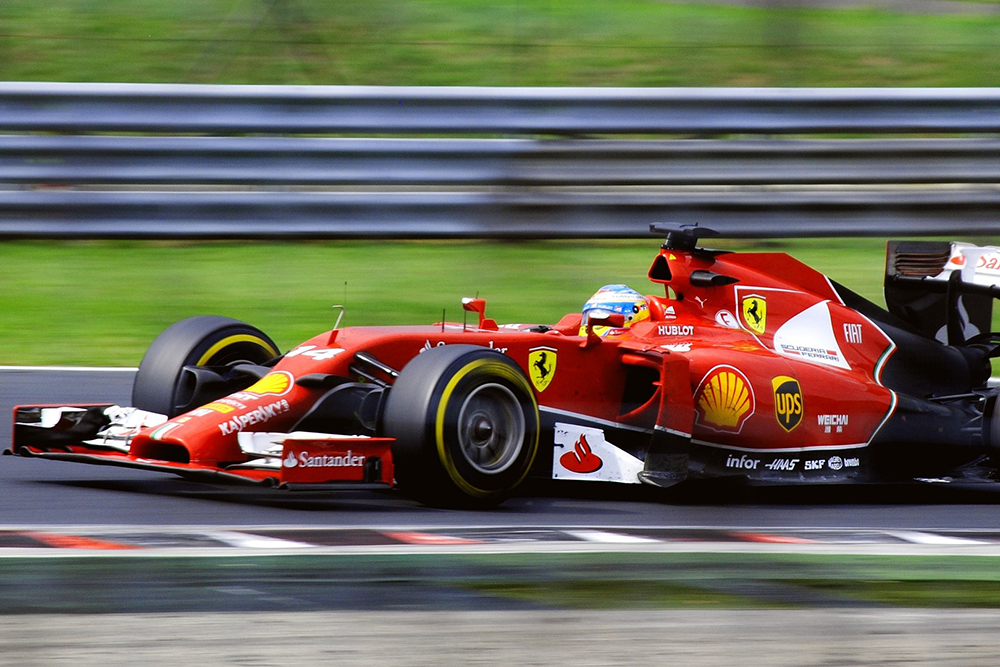
Motorsport in Italy sits at the intersection of competition, engineering identity, and fan tradition. Circuits and teams create a high-intensity calendar culture, and the sport’s prestige is reinforced by design and manufacturing capability behind the scenes. It’s one of the clearest examples of sport as both entertainment and industrial expression.

Global profile

Events, brands, icons

Italy’s international presence comes through iconic clubs, recurring global events, and athletes who define eras across multiple sports. The country’s venues and routes amplify this visibility — mountains, cities, and coasts are not just backgrounds but part of the drama. Globally, “Italian sport” often reads as a blend of tactical intelligence, style, and deep fan culture.

Italy sport ecosystem
Ecosystem
Italy sporting performance
Performance
Italy motorsport and motorcycle racing
Motorsport
Italy global sport events
Events
Italian sportsmen and sportswomen

Figures

Athletes who define eras

Italy’s sporting identity is built by individuals and teams — Olympic champions, club legends, and modern stars across football, cycling, fencing, tennis, skiing, swimming, and motorsport. Some become cultural reference points beyond sport, shaping national memory through iconic victories, style, and rivalry. The broader pattern is continuity: new generations enter a landscape already rich with history, expectation, and tradition.

Italian sport venues and events

Venues & events

Stages that carry the calendar

Stadiums, circuits, alpine venues, arenas, and waterfront settings host recurring events that structure the national and international calendar. From weekly league fixtures to major race weekends and seasonal competitions, place is part of the spectacle: cities, mountains, and coasts shape atmosphere and narrative. These events also function as economic engines, concentrating visitors, media attention, and local identity into predictable peaks across the year.