Skip to content
Places / Towns / Abruzzo / Teramo
Teramo
<a href="https://commons.wikimedia.org/wiki/File:Teramo_assolata.jpg">*DaphnePhoto*</a>, <a href="https://creativecommons.org/licenses/by-sa/4.0">CC BY-SA 4.0</a>, via Wikimedia Commons

Teramo

Published:

Teramo, a picturesque city located in the Abruzzo region of Italy, is a destination steeped in history and brimming with cultural vibrancy. Nestled between the Gran Sasso mountains and the Adriatic Sea, Teramo offers a unique blend of ancient architecture, stunning natural landscapes, and lively local traditions. Despite its rich heritage, Teramo remains a relatively undiscovered gem, making it an ideal destination for travelers seeking an authentic Italian experience away from the typical tourist trails.

Teramo: Capital city of Teramo province

Map of Teramo

A Glimpse into Teramo's Ancient History

Teramo’s history dates back to pre-Roman times, with evidence of early settlements in the area by the Italic tribes known as the Praetutii. The city was originally known as Interamnia, meaning "between rivers," due to its strategic location between the Tordino and Vezzola rivers. Under Roman rule, Interamnia Praetutiana flourished as an important municipal town, playing a significant role in the region’s administrative and cultural life.

The Roman legacy in Teramo is still visible today through its well-preserved ruins and historical sites. One of the most significant Roman structures is the ancient amphitheater, which dates back to the 2nd century AD. This amphitheater, once a venue for gladiatorial games and public spectacles, could accommodate thousands of spectators and remains a testament to the city’s prominence during the Roman Empire. Nearby, visitors can also explore the remains of a Roman theater, which once hosted performances and events that were central to the cultural life of the city.

Medieval and Renaissance Influences

Following the fall of the Roman Empire, Teramo experienced periods of both decline and revival, eventually becoming a significant center during the medieval period. The city’s architecture from this era reflects its historical importance, with numerous churches, palaces, and fortifications that tell the story of its past.

The Teramo Cathedral, or the Cathedral of Santa Maria Assunta, is one of the city’s most important religious and architectural landmarks. Originally built in the 12th century and later expanded, the cathedral showcases a stunning blend of Romanesque and Gothic styles. The cathedral’s bell tower, one of the tallest in Abruzzo, dominates the city’s skyline and serves as a symbol of Teramo’s enduring spiritual significance. Inside, the cathedral houses important works of art, including a 15th-century silver cross by Nicola da Guardiagrele and a beautiful polyptych by Jacobello del Fiore.

Another significant site is the Church of Sant’Anna dei Pompetti, the oldest church in Teramo, which dates back to the early Christian period. This church, with its simple yet evocative architecture, offers a glimpse into the city’s early religious history and is a must-visit for those interested in the development of Christianity in the region.

Teramo also boasts several impressive medieval and Renaissance palaces, such as the Palazzo Vescovile, which has served as the residence of the bishops of Teramo since the 14th century. These buildings, with their ornate façades and historical significance, contribute to the city’s rich architectural heritage.

Cultural Life and Traditions

Teramo is not only a city of history but also a place where vibrant cultural traditions thrive. The city hosts a variety of festivals and events throughout the year, which celebrate its history, religious significance, and local customs. One of the most important events is the Teramo Sacred Music Festival, which attracts performers and visitors from across Italy and beyond. This festival, held in the city’s historic churches and venues, showcases a rich program of classical and sacred music, highlighting Teramo’s cultural depth.

Another key event is the Settimana Santa, or Holy Week, during which the city comes alive with religious processions, ceremonies, and reenactments that date back centuries. These events draw large crowds and are an integral part of Teramo’s spiritual and cultural identity.

Teramo’s culinary traditions are another vital aspect of its cultural life. The city is known for its delicious local cuisine, which features a variety of traditional dishes made from fresh, regional ingredients. Some of the must-try specialties include timballo teramano, a baked pasta dish layered with meat, cheese, and vegetables, and scrippelle ‘mbusse, delicate crepes served in broth. Teramo’s food markets and restaurants offer a true taste of Abruzzo’s culinary heritage, making the city a delightful destination for food lovers.

Exploring the Natural Beauty Around Teramo

In addition to its historical and cultural attractions, Teramo is surrounded by some of Italy’s most beautiful natural landscapes. The nearby Gran Sasso and Monti della Laga National Park is a haven for outdoor enthusiasts, offering a range of activities such as hiking, climbing, and skiing. The park is home to the majestic Gran Sasso d’Italia, the highest peak in the Apennines, as well as a diverse array of flora and fauna. Visitors can explore the park’s picturesque villages, ancient monasteries, and stunning mountain scenery, making it an ideal destination for nature lovers.

The Adriatic coast, with its pristine beaches and charming seaside towns, is also easily accessible from Teramo. Towns like Giulianova and Roseto degli Abruzzi offer a perfect escape for those looking to relax by the sea, with opportunities for swimming, sunbathing, and enjoying fresh seafood.

Conclusion

Teramo is a city that beautifully captures the essence of Italy’s rich history, vibrant culture, and stunning natural beauty. From its ancient Roman ruins and medieval cathedrals to its lively festivals and delicious cuisine, Teramo offers a wealth of experiences for travelers seeking to discover a lesser-known gem of Italy. Whether you are a history enthusiast, a culture lover, or simply looking for a picturesque and authentic Italian destination, Teramo is a city that promises to captivate and inspire.
Regional Dossier

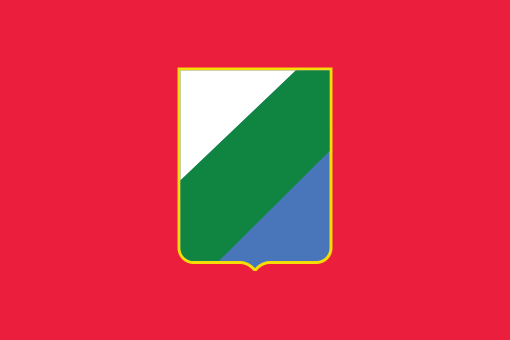
Flag of Abruzzo

Abruzzo

Maps, key facts, access, and protected landscapes — a compact reference beneath the article.

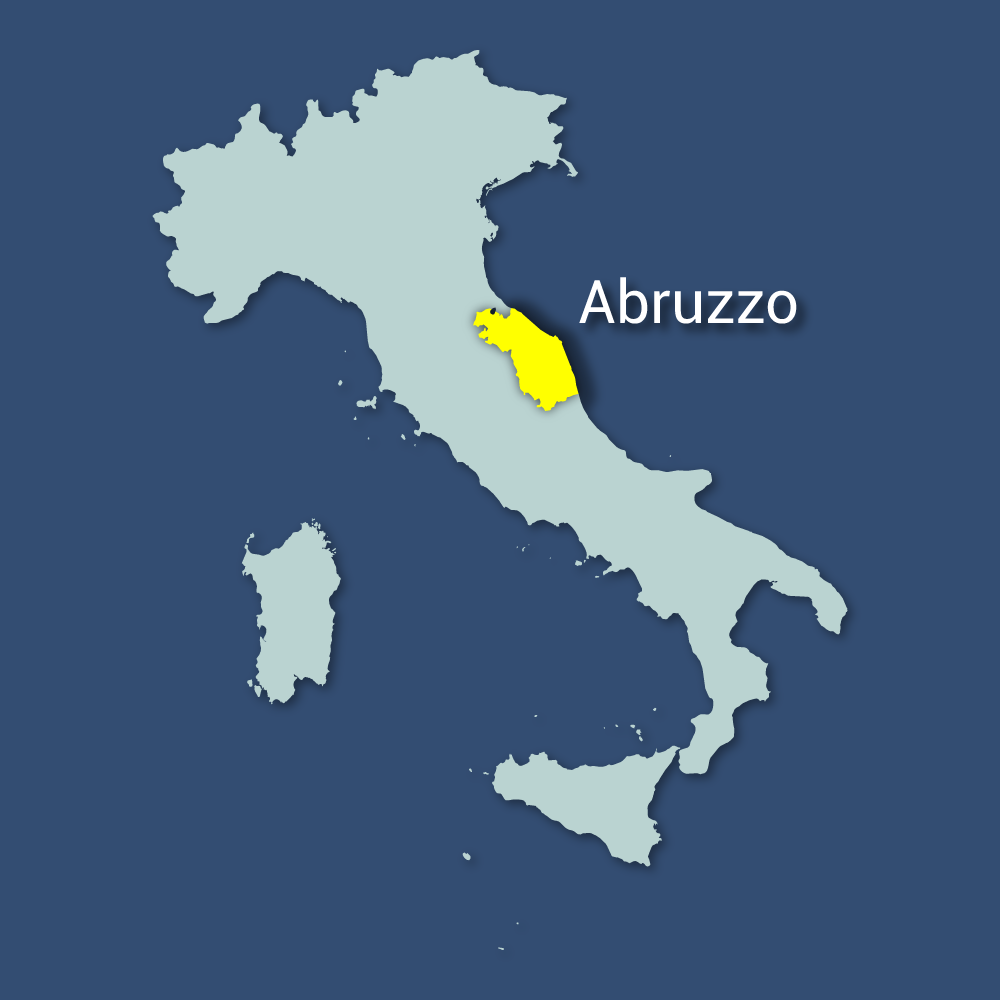
Map of Abruzzo

Region

Map showing the provinces of Abruzzo

Provinces

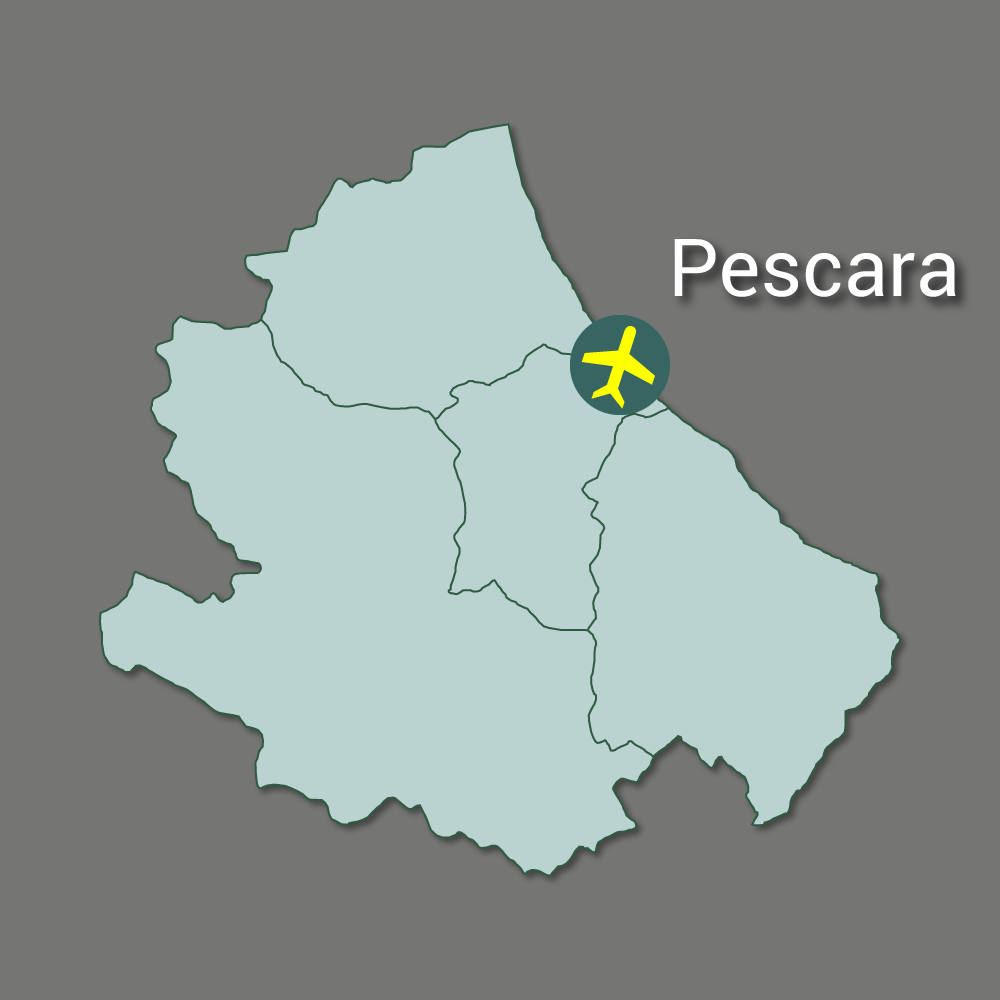
Map showing airport access in Abruzzo

Airports

Abruzzo at a glance: regional outline, provinces (L’Aquila · Teramo · Pescara · Chieti), and airport access (Abruzzo Airport — Pescara).
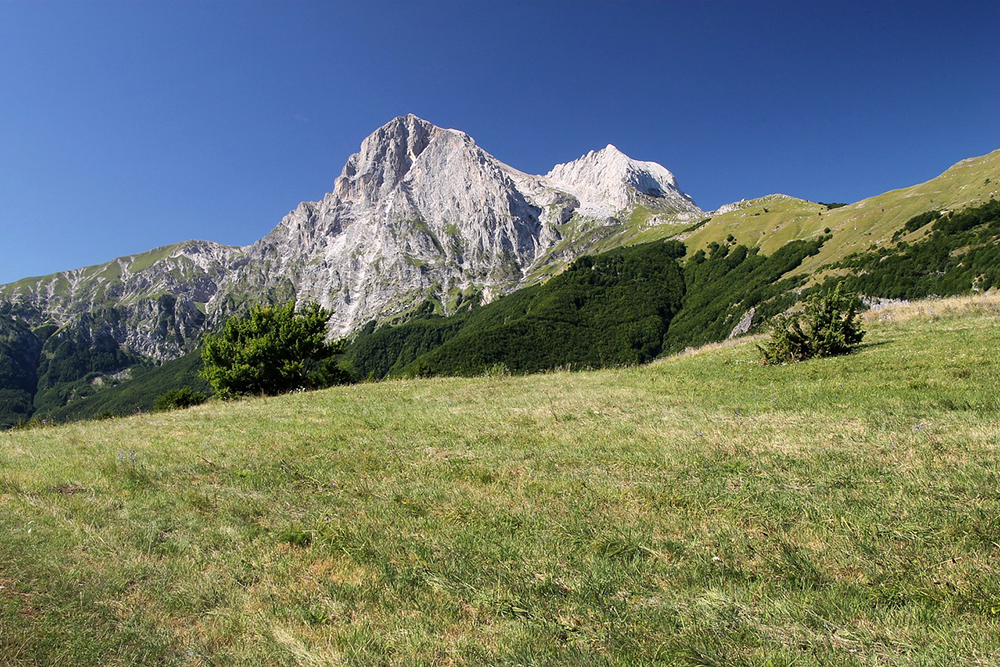
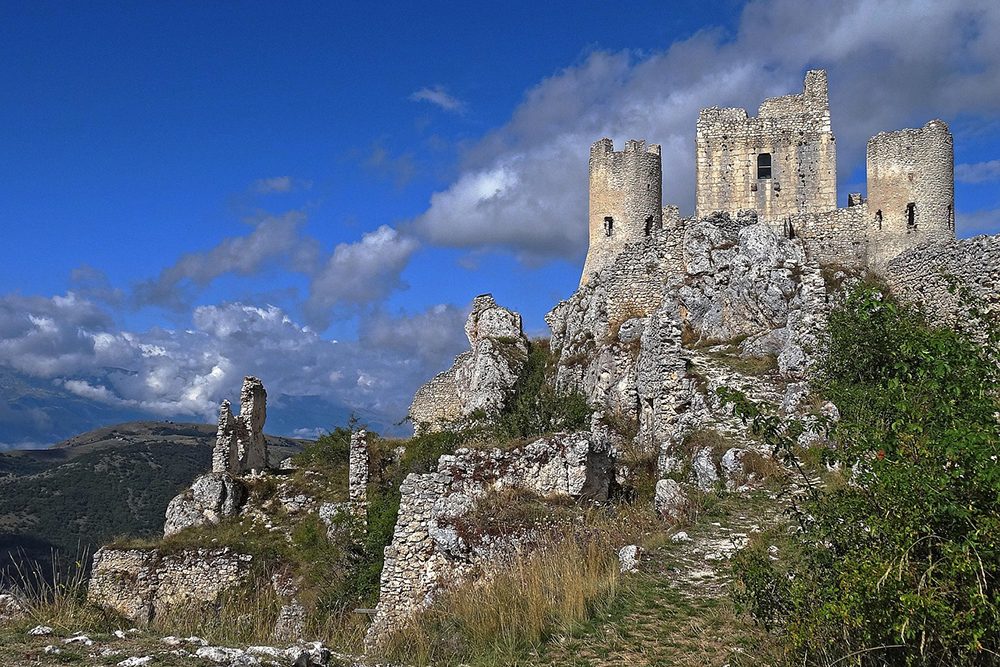
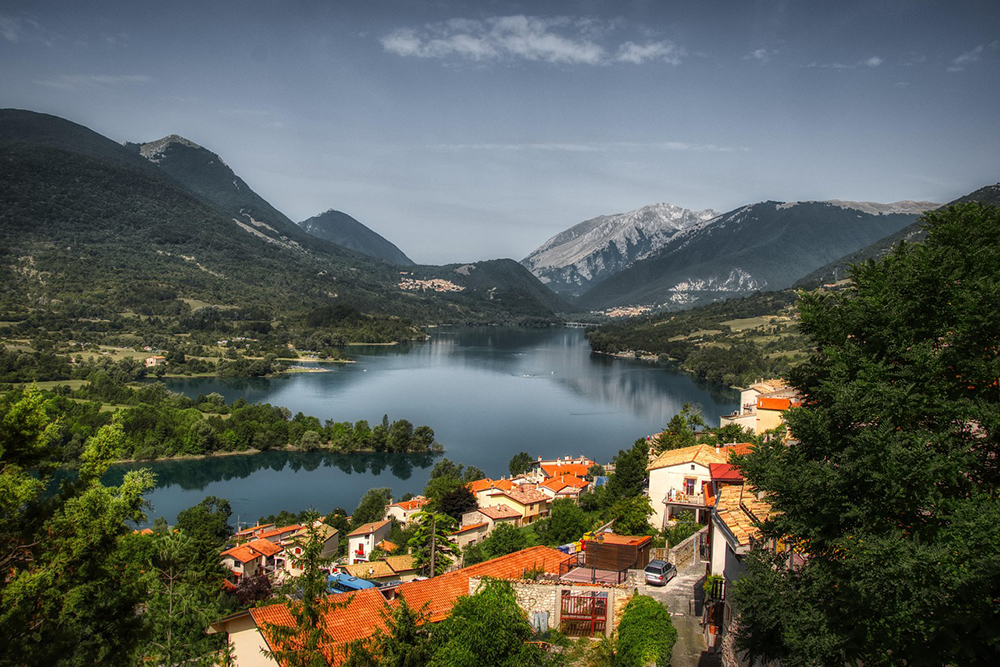
Abruzzo highlight photo 1 Abruzzo highlight photo 2 Abruzzo highlight photo 3
Coast, interiors, and mountain landscapes — the region’s core character in three frames.

Provinces

Abruzzo is divided into four provinces — each with its own character, towns, and local routes.

L’Aquila

Capital: L’Aquila · Area: 5,035 km² · Population: ~293,000 · Comuni: 108

Show comuni
  • Acciano
  • Aielli
  • Alfedena
  • Anversa degli Abruzzi
  • Ateleta
  • Avezzano
  • Balsorano
  • Barete
  • Barisciano
  • Barrea
  • Bisegna
  • Bugnara
  • Cagnano Amiterno
  • Calascio
  • Campo di Giove
  • Campotosto
  • Canistro
  • Cappadocia
  • Capestrano
  • Capistrello
  • Capitignano
  • Caporciano
  • Carapelle Calvisio
  • Carsoli
  • Castel del Monte
  • Castel di Ieri
  • Castel di Sangro
  • Castellafiume
  • Castelvecchio Calvisio
  • Castelvecchio Subequo
  • Celano
  • Cerchio
  • Civita d'Antino
  • Civitella Alfedena
  • Civitella Roveto
  • Cocullo
  • Collarmele
  • Collelongo
  • Collepietro
  • Corfinio
  • Fagnano Alto
  • Fontecchio
  • Fossa
  • Gagliano Aterno
  • Gioia dei Marsi
  • Goriano Sicoli
  • Introdacqua
  • L’Aquila
  • Lecce nei Marsi
  • Luco dei Marsi
  • Lucoli
  • Magliano de' Marsi
  • Massa d'Albe
  • Molina Aterno
  • Montereale
  • Morino
  • Navelli
  • Ocre
  • Ofena
  • Opi
  • Oricola
  • Ortona dei Marsi
  • Ortucchio
  • Ovindoli
  • Pacentro
  • Pereto
  • Pescasseroli
  • Pescina
  • Pescocostanzo
  • Pettorano sul Gizio
  • Pizzoli
  • Poggio Picenze
  • Prata d'Ansidonia
  • Pratola Peligna
  • Prezza
  • Raiano
  • Rivisondoli
  • Rocca Pia
  • Rocca di Botte
  • Rocca di Cambio
  • Rocca di Mezzo
  • Roccacasale
  • Roccaraso
  • San Benedetto dei Marsi
  • San Benedetto in Perillis
  • San Demetrio ne' Vestini
  • San Pio delle Camere
  • San Vincenzo Valle Roveto
  • Sant'Eusanio Forconese
  • Sante Marie
  • Santo Stefano di Sessanio
  • Scanno
  • Scontrone
  • Scoppito
  • Scurcola Marsicana
  • Secinaro
  • Sulmona
  • Tagliacozzo
  • Tione degli Abruzzi
  • Tornimparte
  • Trasacco
  • Villa Sant'Angelo
  • Villa Santa Lucia degli Abruzzi
  • Villalago
  • Villavallelonga
  • Villetta Barrea
  • Vittorito

Teramo

Capital: Teramo · Area: 1,949 km² · Population: ~301,000 · Comuni: 47

Show comuni
  • Alba Adriatica
  • Ancarano
  • Arsita
  • Atri
  • Basciano
  • Bellante
  • Bisenti
  • Campli
  • Canzano
  • Castel Castagna
  • Castellalto
  • Castelli
  • Castiglione Messer Raimondo
  • Castilenti
  • Cellino Attanasio
  • Cermignano
  • Civitella del Tronto
  • Colledara
  • Colonnella
  • Controguerra
  • Corropoli
  • Cortino
  • Crognaleto
  • Fano Adriano
  • Giulianova
  • Isola del Gran Sasso d'Italia
  • Martinsicuro
  • Montefino
  • Montorio al Vomano
  • Morro d'Oro
  • Mosciano Sant'Angelo
  • Nereto
  • Notaresco
  • Penna Sant'Andrea
  • Pineto
  • Pietracamela
  • Rocca Santa Maria
  • Roseto degli Abruzzi
  • Sant'Egidio alla Vibrata
  • Sant'Omero
  • Silvi
  • Teramo
  • Torano Nuovo
  • Torricella Sicura
  • Tortoreto
  • Tossicia
  • Valle Castellana

Pescara

Capital: Pescara · Area: 1,224 km² · Population: ~319,000 · Comuni: 46

Show comuni
  • Abbateggio
  • Alanno
  • Bolognano
  • Brittoli
  • Bussi sul Tirino
  • Cappelle sul Tavo
  • Caramanico Terme
  • Carpineto della Nora
  • Castiglione a Casauria
  • Catignano
  • Cepagatti
  • Città Sant'Angelo
  • Civitaquana
  • Civitella Casanova
  • Collecorvino
  • Corvara
  • Cugnoli
  • Elice
  • Farindola
  • Lettomanoppello
  • Loreto Aprutino
  • Manoppello
  • Montebello di Bertona
  • Montesilvano
  • Moscufo
  • Nocciano
  • Penne
  • Pescara
  • Pescosansonesco
  • Pianella
  • Picciano
  • Pietranico
  • Popoli Terme
  • Roccamorice
  • Rosciano
  • Salle
  • San Valentino in Abruzzo Citeriore
  • Sant'Eufemia a Maiella
  • Scafa
  • Serramonacesca
  • Spoltore
  • Tocco da Casauria
  • Torre de' Passeri
  • Turrivalignani
  • Vicoli
  • Villa Celiera

Chieti

Capital: Chieti · Area: 2,588 km² · Population: ~382,000 · Comuni: 104

Show comuni
  • Altino
  • Archi
  • Ari
  • Arielli
  • Atessa
  • Bomba
  • Borrello
  • Bucchianico
  • Canosa Sannita
  • Carpineto Sinello
  • Carunchio
  • Casacanditella
  • Casalanguida
  • Casalbordino
  • Casalincontrada
  • Casoli
  • Castel Frentano
  • Castelguidone
  • Castiglione Messer Marino
  • Celenza sul Trigno
  • Chieti
  • Civitaluparella
  • Civitella Messer Raimondo
  • Colledimacine
  • Colledimezzo
  • Crecchio
  • Cupello
  • Dogliola
  • Fara Filiorum Petri
  • Fara San Martino
  • Filetto
  • Fossacesia
  • Francavilla al Mare
  • Fresagrandinaria
  • Frisa
  • Furci
  • Gamberale
  • Gessopalena
  • Gissi
  • Giuliano Teatino
  • Guardiagrele
  • Guilmi
  • Lama dei Peligni
  • Lanciano
  • Lentella
  • Lettopalena
  • Liscia
  • Miglianico
  • Montazzoli
  • Monteferrante
  • Montelapiano
  • Montenerodomo
  • Monteodorisio
  • Mozzagrogna
  • Orsogna
  • Ortona
  • Paglieta
  • Palena
  • Palmoli
  • Palombaro
  • Pennadomo
  • Pennapiedimonte
  • Perano
  • Pizzoferrato
  • Poggiofiorito
  • Pollutri
  • Pretoro
  • Quadri
  • Rapino
  • Ripa Teatina
  • Rocca San Giovanni
  • Roccamontepiano
  • Roccascalegna
  • Roccaspinalveti
  • Roio del Sangro
  • Rosello
  • San Buono
  • San Giovanni Lipioni
  • San Giovanni Teatino
  • San Martino sulla Marrucina
  • San Salvo
  • San Vito Chietino
  • Santa Maria Imbaro
  • Sant'Eusanio del Sangro
  • Scerni
  • Schiavi di Abruzzo
  • Taranta Peligna
  • Tollo
  • Torino di Sangro
  • Tornareccio
  • Torrebruna
  • Treglio
  • Tufillo
  • Vacri
  • Vasto
  • Villa Santa Maria
  • Villamagna

Sponsored

Useful services

Trusted services and partners relevant to this page.