Skip to content
Nature / Climate / Spring in Italy
Spring in Italy

Spring in Italy

Published:

When spring graces Italy with its vibrant colors and gentle warmth, the country truly comes alive. Italy in spring is a treasure trove of natural beauty, perfect weather, and cultural riches. The season offers travelers an ideal opportunity to explore its landscapes, historic sites, and festivities. In this article, we will delve into the captivating spring weather in Italy, the best time to visit, the stunning blossoms, and the cultural celebrations that make this season truly magical.

Italy's Spring Weather A Perfect Harmony

Italy's spring climate varies from region to region, but on the whole, it's characterized by mild temperatures and blossoming landscapes. Here's what you can expect from Italy's spring weather

Mild Temperatures

Spring in Italy sees daytime temperatures ranging from 15°C to 20°C (59°F to 68°F), with occasional variations depending on your location. These comfortable temperatures make it ideal for outdoor activities.

Blooming Landscapes

Spring brings an explosion of color as flowers, including cherry blossoms, tulips, and wisteria, paint the country in vibrant hues. Parks and gardens come to life, offering picturesque settings for leisurely strolls and picnics.

Sunny Days

Italy continues to enjoy ample sunshine during spring, with clear blue skies that create the perfect backdrop for sightseeing and exploring the countryside.

Lower Crowds

As spring marks the transition from the quieter winter months to the bustling summer season, you can enjoy the best of both worlds – fewer crowds and pleasant weather.

Limited Rain

While spring does bring occasional rain showers, especially in northern regions, they are typically short-lived and do not significantly disrupt travel plans.

Best Time to Visit Italy in Spring

Spring in Italy generally spans from March to May, and the best time to visit depends on your preferences

March

Early spring is perfect for travelers who want to witness the awakening of nature and experience Italy's cultural heritage. You can enjoy pleasant weather without the summer crowds.

April

Mid-spring is when Italy is in full bloom. This is an excellent time to explore parks, gardens, and historic sites as the weather becomes consistently mild.

May

Late spring is ideal for those who prefer warmer temperatures. Beach destinations in southern Italy start to become inviting, and outdoor activities are in full swing.

Springtime in Italy A Feast for the Senses

Italy in spring offers a delightful array of activities and experiences that cater to diverse tastes. Here are some highlights of what you can explore during this season

Flower Festivals

Springtime brings a host of flower festivals across Italy. The Noto Infiorata in Sicily and the Spello Infiorata in Umbria are renowned for their elaborate floral carpet displays.

Gardens and Parks

Explore Italy's famous gardens and parks, such as the Gardens of Villa d'Este in Tivoli and Villa Cimbrone Gardens in Ravello, where the blossoms create a mesmerizing backdrop.

Countryside Excursions

Embark on scenic drives through the Italian countryside to witness rolling hills and picturesque vineyards in full bloom. Tuscany and Umbria are particularly enchanting during spring.

Outdoor Adventures

Enjoy outdoor activities like hiking, cycling, and picnicking in Italy's breathtaking natural settings. The mild spring weather is perfect for exploring the countryside.

Cultural Exploration

Immerse yourself in Italy's cultural heritage by visiting historic cities like Florence, Venice, and Rome. Spring offers ideal conditions for exploring museums, galleries, and historic sites.

Italian Spring Festivals A Cultural Feast

Italy in spring is synonymous with festivals and cultural celebrations that showcase the country's rich traditions and artistry. Here are some Italian spring festivals to look out for

Easter Celebrations

Easter is a significant holiday in Italy, and cities like Florence and Rome host impressive religious processions and events. Witness the famous "Scoppio del Carro" (Explosion of the Cart) in Florence.

Palio dei Ciuchi

Held in Sardinia in May, this quirky festival features donkeys racing through the streets of the picturesque town of Sassari. It's a fun and unique cultural experience.

Festa della Sensa

Venice celebrates its maritime history in May with the Festa della Sensa, featuring a procession of boats and the symbolic "wedding" of the city to the sea.

Maggio Musicale Fiorentino

Florence hosts the famous Maggio Musicale Fiorentino, an annual music and arts festival that showcases world-class performances in opera, ballet, and classical music.

Infiorate

As mentioned earlier, the Infiorate festivals in Noto and Spello are known for their intricate floral carpet displays. Witness the meticulous artistry of locals who create stunning patterns using flower petals.

Conclusion

Italy in spring is a harmonious blend of mild weather, blossoming landscapes, and vibrant cultural celebrations. Whether you're wandering through flower festivals, exploring historic cities, or enjoying outdoor adventures, Italy in spring promises an enchanting experience. So, plan your spring getaway, bask in the beauty of Italy's spring weather, and immerse yourself in a land where every season brings its own unique charm.

Natural Systems

Nature icon

Nature

A compact reference to Italy’s natural systems — land, climate, seismic forces, and living environments — designed to sit beneath articles.

Geography Climate Seismology Biodiversity
Italy natural landscape
Mountains, plains, coastlines, and islands — the physical systems that shape climate, life, water, and natural risk.

Italy — nature snapshot

Stable reference signals for quick environmental orientation.

Terrain

Highly varied

Alps in the north, an Apennine spine through the peninsula, large plains, long coastlines, and major islands. Sharp contrasts can occur over short distances, creating strong local “micro-regions.”

Climate

Multi-zone

Mediterranean patterns dominate many coasts, with alpine conditions at altitude and more continental influence inland. Latitude, elevation, and exposure shape rainfall, temperature, wind, and seasonality.

Volcanism

Active systems

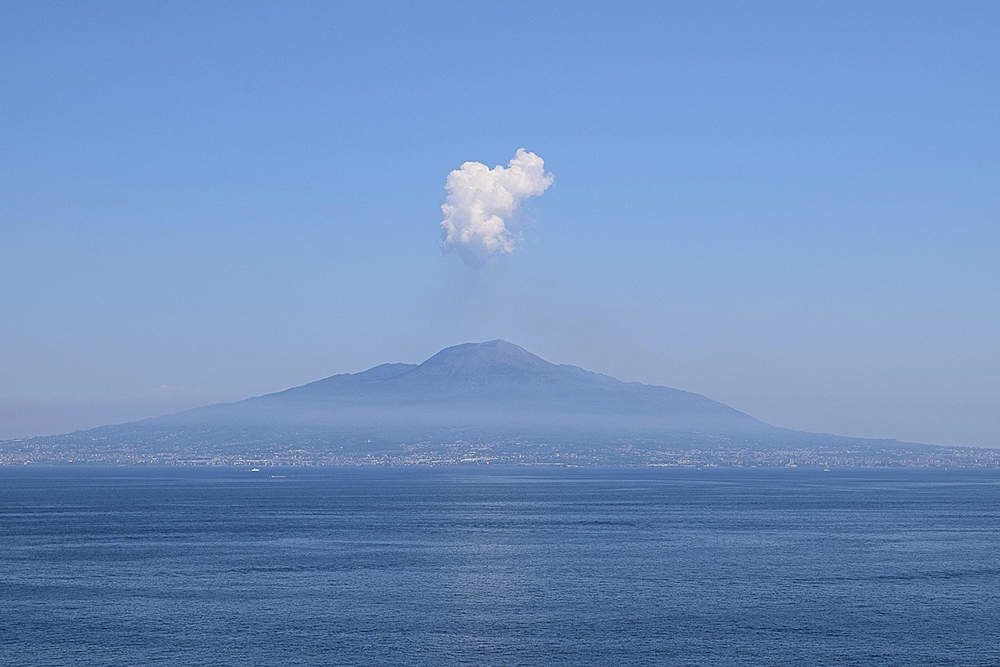
Volcanic landscapes appear both as islands and mainland zones. Risk and monitoring focus on specific volcanic areas rather than being uniform nationwide.

Earthquakes

Frequent

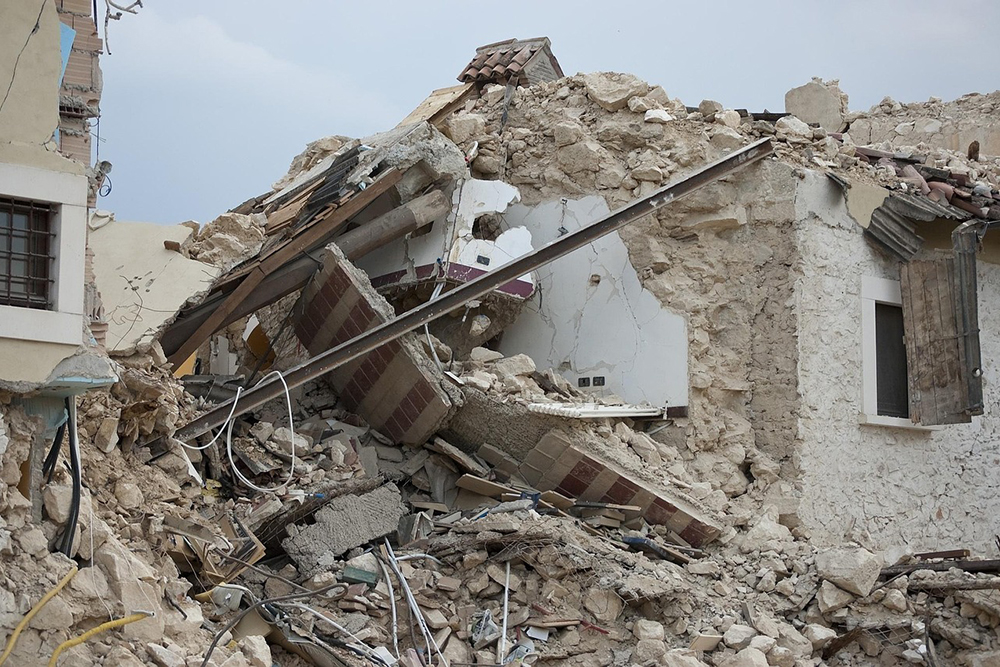
Italy sits in an active tectonic setting, so seismicity is a persistent national reality. Exposure varies by region, with building standards and local geology strongly affecting impacts.

Water

Seasonal

Rivers and lakes structure settlement and corridors, while rainfall and snowpack drive seasonal availability. Drought, floods, and water management pressures can intensify during extreme seasons.

Coasts

Extensive

Long coastlines create maritime climates, wetlands, dunes, cliffs, and port landscapes. Coastal zones also concentrate tourism and infrastructure, increasing sensitivity to erosion and storm events.

Habitats

Dense mosaic

Alpine forests, Mediterranean scrub, wetlands, river plains, high meadows, and island ecosystems coexist in tight space. This habitat variety supports strong biodiversity and regional specialisation.

Key risks

Multiple

Earthquakes and volcanic activity combine with hydro-meteorological risks: floods, landslides, wildfire, and heat stress. Most impacts are local, but climate extremes can produce national-scale disruption.

Geography

A compressed landscape

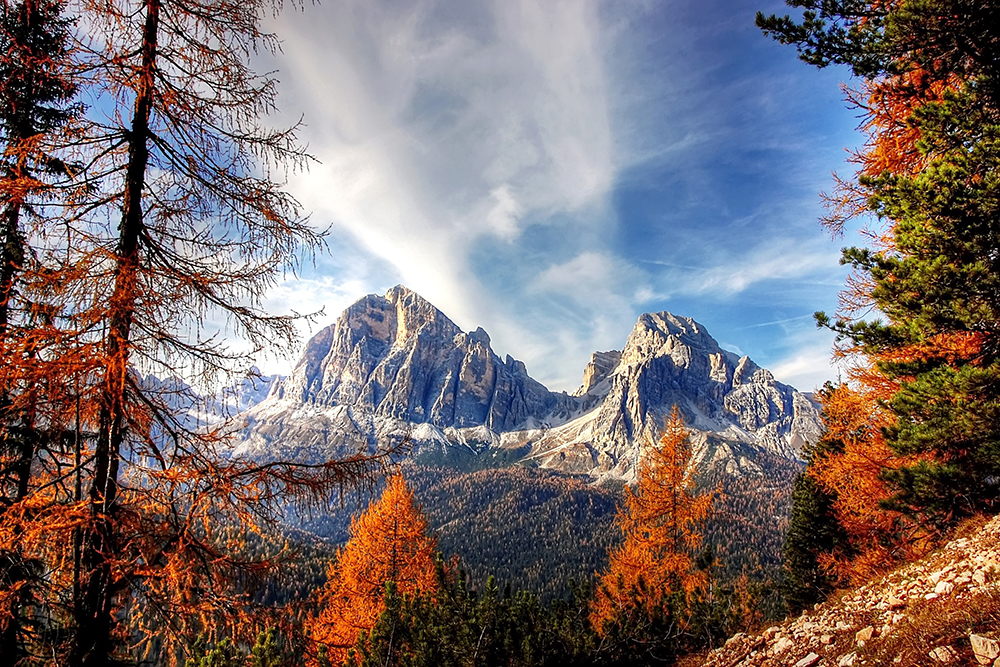
Italy packs major terrain types into a narrow footprint: alpine massifs, a long mountain spine, broad plains, volcanic zones, and extensive coasts. This compression produces strong local contrasts in vegetation, agriculture, settlement density, and mobility — even between neighbouring valleys or coastlines. For readers, “place” often equals “terrain,” because terrain dictates climate, water, and the rhythm of life.

Climate

Mediterranean, alpine, continental

Climate shifts quickly with latitude and altitude, producing warmer maritime coasts, colder mountain zones, and more continental interiors. Rainfall patterns vary widely: some areas are shaped by winter storms, others by summer dryness, and many by sharp seasonal transitions. Exposure and microclimates matter — wind corridors, lake effects, and mountain barriers often explain local conditions better than a national average.

Seismology

An active boundary zone

Italy sits in a tectonically active setting, which is why earthquakes are recurrent and why volcanism remains a live factor in certain regions. Risk is uneven: geology, local ground conditions, and building stock can amplify or reduce impacts. The practical takeaway is preparedness — monitoring, building standards, and land-use planning are part of living sustainably in this landscape.

Biodiversity

High diversity, tight space

Italy’s habitat mosaic supports rich plant and animal life, including alpine species, Mediterranean specialists, wetland communities, and island endemics. Many ecosystems are closely interlocked, so change in water regimes, temperature extremes, or land management can cascade quickly. Conservation is therefore both about protected areas and about how farmland, forests, rivers, and towns connect as an ecological network.

Italy geography
Geography
Italy climate
Climate
Italy seismic activity
Seismology
Italy biodiversity
Biodiversity
Italy flora and fauna

Flora & Fauna

Plants, animals, and habitats

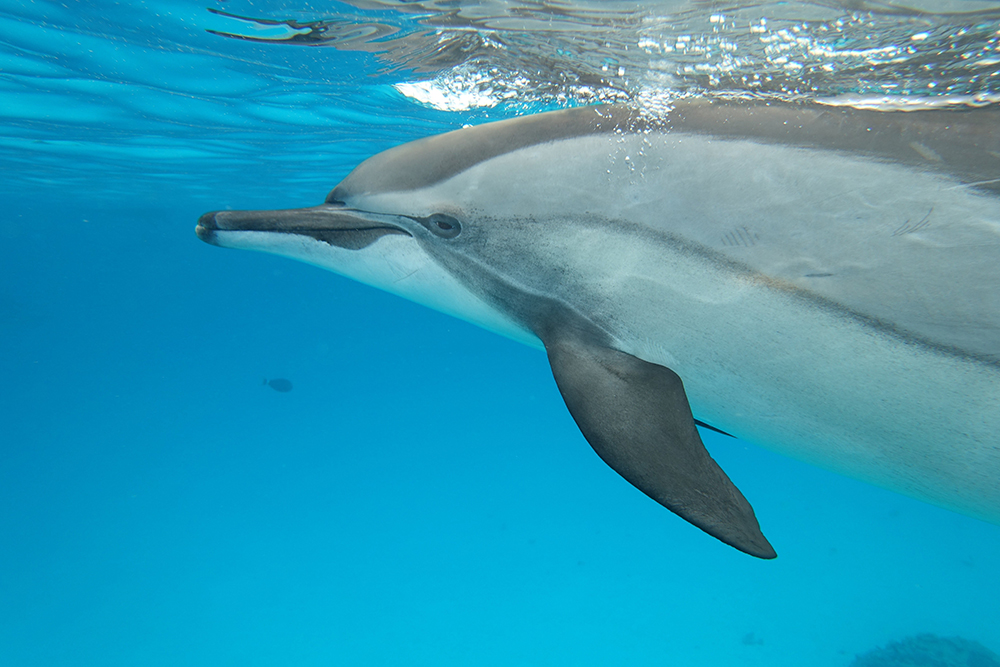
Italy’s living environment ranges from Mediterranean scrub and coastal wetlands to alpine forests, high meadows, and island ecosystems. This supports a wide spectrum of birds, mammals, reptiles, and insect life, alongside regionally distinctive plant communities shaped by altitude and water availability. Many iconic landscapes are “worked nature” — forests managed over time, agricultural mosaics, and grazing zones — so biodiversity often depends on both protection and sustainable land practice.

Italy natural risk and adaptation

Natural Risk

Living with instability

Italy’s risk profile combines geological hazards (earthquakes and volcanic activity) with climate-linked threats such as floods, landslides, wildfire, and heat stress. Impacts are usually local, but can be severe where steep terrain, dense settlement, and infrastructure corridors intersect. The modern response is continuous: monitoring and early warning, resilient construction, water and slope management, and practical adaptation for hotter, more extreme seasons.