
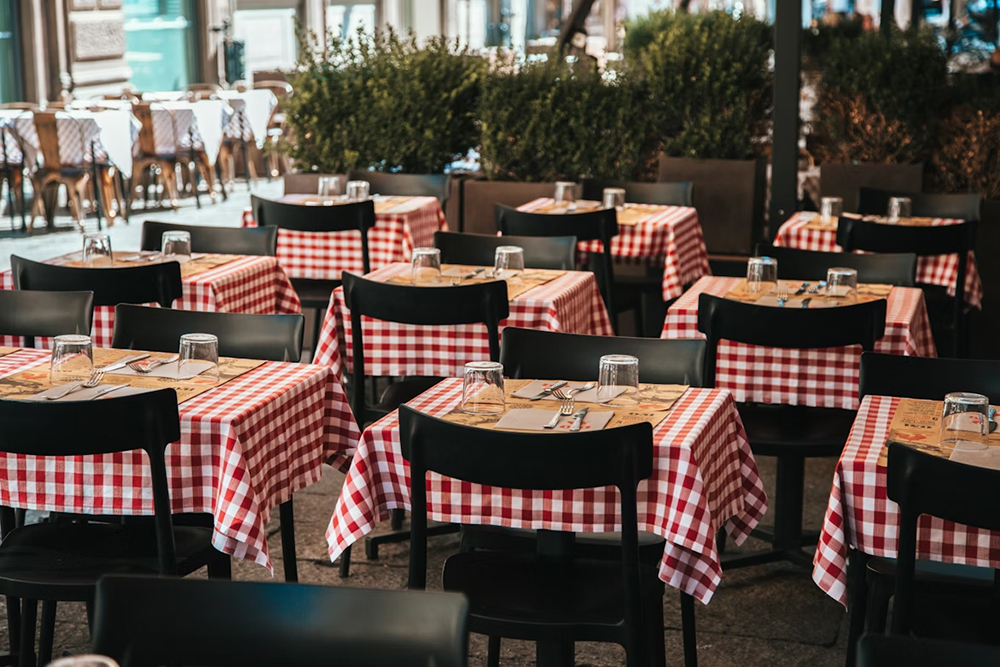
Italy rewards diners who slow down. Meals unfold in steps, servers give you space, and the table is yours for the night. With a few local habits in mind, you can relax into the rhythm, order with confidence, and savor every course without surprises.
Meals move at a measured pace. You are not rushed to order everything at once, and courses arrive in a classic sequence. Take your time, enjoy conversation, and let the evening breathe.
Restaurants often separate courses: antipasto, primo, secondo, contorno, dolce. You do not need to order each one. Many locals share a starter and then split a pasta or meat dish, finishing with coffee rather than dessert.
A quick booking call or online hold goes a long way on weekends. Hosts expect a short greeting, the name on the reservation, and a clear headcount.
If you are running late, call the restaurant, and they will usually hold the table. Tables are often kept for the evening, and knowing a bit about tipping culture in Europe helps you avoid awkward moments, since turnover is gentler than in the U.S., staff focus on steady service rather than quick flips. Do not rearrange place settings without asking.
If you need a high chair, space for a stroller, or a quiet corner, mention it during booking.
Menus are organized by course and rarely explain every detail. When in doubt, ask a short, specific question about ingredients or portion size. If you have a dietary need, be direct and simple so the kitchen can adapt.
Look for the daily special board. Seasonal dishes, local vegetables, and fresh fish often appear here. Prices for whole fish or bistecca may be listed by weight, so clarify grams and the approximate total before ordering.
Scanning prices across similar dishes helps you spot outliers before you commit. Pay attention to symbols that mark supplements for sides, sauces, or substitutions.
Tasting menus usually lock in courses, so ask about swaps before you sit. In places where bread or water carries a charge, staff will explain if you ask once up front. A calm check-in at the start saves awkwardness when the bill arrives.
Many restaurants add a coperto, sometimes noted as pane e coperto. This small per-person charge covers bread, the table setting, and service basics. It is not a tip and does not go directly to your server.
A practical guide from Remitly points out that coperto is a restaurant fee rather than a gratuity, so leaving a small extra is optional rather than expected. If you wish to show appreciation, round up the bill or leave a few coins per person. There is no need to chase a percentage.
Ask for the check with a quick eye contact and a gentle hand gesture or a polite “Il conto, per favore.” The server will bring a printed receipt, and you can pay at the table or the register, depending on the house's routine.
Card acceptance is common, but smaller trattorie may prefer cash. If you want to leave a little extra, tell the server how much to charge and what to keep, or leave coins under the plate. There is no pressure to tip on top of coperto or a listed servizio.
You will be offered still or sparkling water, and it will arrive in a bottle. Tap water is not standard if you don’t ask. If you prefer just one bottle for the table, say so upfront.
House wine by the glass or carafe is often excellent value. Try a local IGT or DOC and ask the server for a simple pairing suggestion.
After the meal, Italians drink espresso rather than cappuccino, which is considered a morning drink. If you want milk, order it without apology, but know it is a small break from custom.
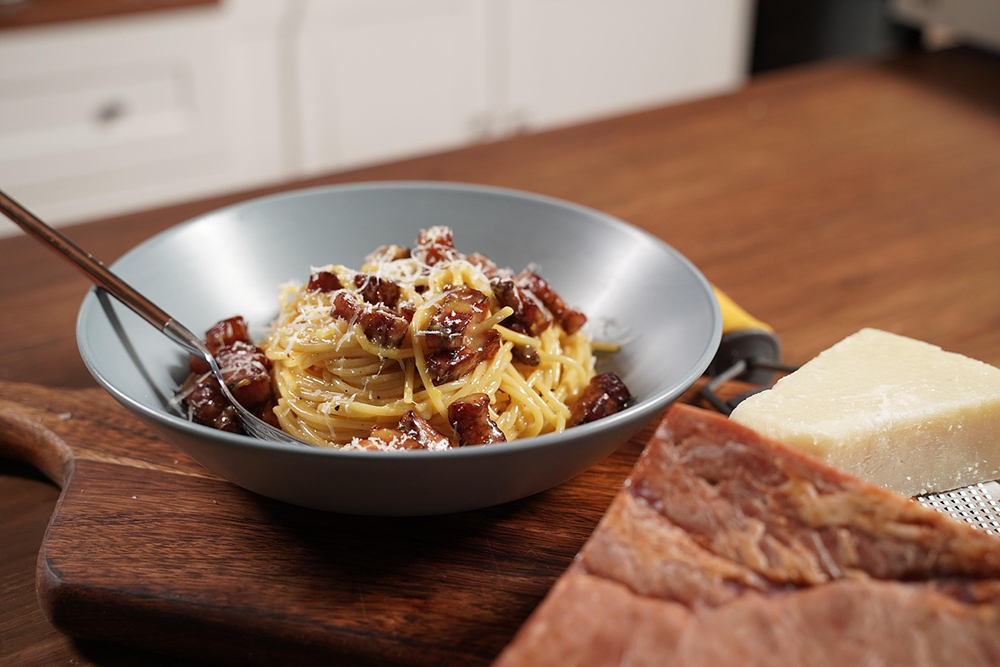
Regional pride runs deep. In Rome, carbonara is made with guanciale and pecorino, not cream. In Venice, cicchetti bars are perfect for small bites and a spritz before dinner. In Emilia-Romagna, fresh egg pasta and cured meats take center stage.
Learn a couple of regional specialties before you go. Matching your order to place and season earns a smile from the staff and a better meal for you. If you see a slow food label or a local consortium mark, it usually signals careful sourcing.
A few friendly words smooth the experience. Practice a simple greeting and a thank you. Polite tone counts more than perfect grammar.
If the service feels slow, it is usually intentional. The table is yours until you ask for the check. Use that time to finish your wine, share a dessert, or enjoy a bitter digestivo.
Lunch tends to run from about 12:30 to 14:30. Dinner picks up after 19:30, with many kitchens hitting full stride closer to 20:30. In smaller towns, kitchens may close between meals, so plan snacks accordingly.
If you are sightseeing, aim for a late lunch when crowds thin. For popular spots, an early or late dinner can mean more attention from staff and a calmer room. Patience pays off when the kitchen fires each course to order.
Part of the pleasure is the setting. Look for osterie with handwritten menus, simple tableware, and a short list of wines. These details signal a kitchen focused on fresh cooking rather than show.
Be curious, not demanding. Ask what the cook is proud of that day. Accept a suggestion, and you might discover a favorite you did not know to search for. The most memorable meals often come from trust and a bit of luck.
Italy’s dining culture is generous to guests who meet it halfway. Book ahead when you can, read the menu with care, and keep your pace unhurried. With a small nod to local customs, you will eat better, spend wisely, and feel welcomed at the table.