
Digital entertainment has changed not only in form but also in rhythm. Audiences today interact with content differently than they did even a few years ago. Long, passive viewing sessions are giving way to formats built around movement, anticipation, and short cycles of engagement. Within this shift, gaming shows have emerged as a distinct and stable format of digital entertainment rather than a variation of streaming or traditional video content.
A gaming show in the digital environment is not defined by genre or platform. It is defined by structure. These formats rely on repetition, clear pacing, and moments of expectation that keep viewers attentive without requiring long-term commitment. The viewer does not need to understand complex rules or follow a narrative arc. The experience is immediate, intuitive, and continuous.
At first glance, gaming shows may resemble live streams. Both involve real-time broadcasting, a host on screen, and audience presence during the broadcast. However, the similarity ends at the surface level. The internal logic of a gaming show is fundamentally different from that of a classic stream.
Traditional streams are usually built around personality and improvisation. The content unfolds freely, often without a predefined structure. Viewers come and go, and attention fluctuates. Gaming shows, by contrast, are tightly organized. Every segment serves a purpose within a repeating framework.
The key differences can be summarized clearly:
This structural clarity explains why gaming shows feel more like events than background content. Missing a moment means missing part of the experience, whereas traditional streams allow passive or intermittent viewing.
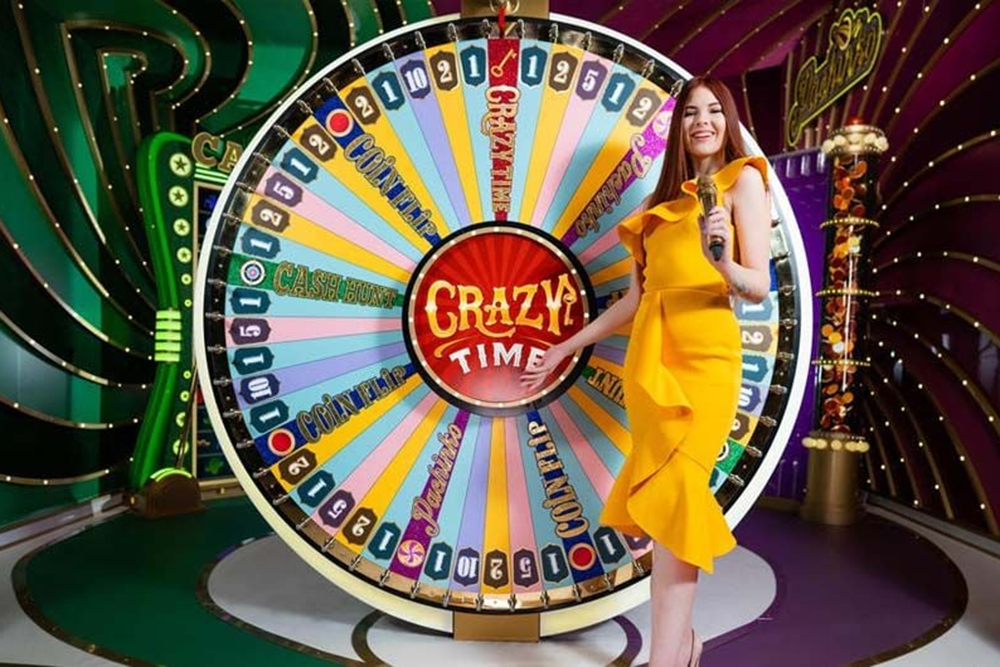
Within this framework, Crazy Time can be used as a clear illustration of the gaming show format in a digital environment. The live host, strong visual cues, and short repeating rounds demonstrate how structure and timing – not improvisation – keep attention focused. The format does not rely on prolonged interaction or personality-driven commentary. Instead, it sustains engagement through rhythm and expectation.
The move from television to digital platforms forced entertainment formats to adapt quickly. Fixed schedules, long episodes, and slow pacing became incompatible with how audiences consume content online. Digital platforms demand immediacy and flexibility.
As a result, gaming shows evolved along several clear lines:
These changes make gaming shows easy to integrate into daily routines. A viewer does not need preparation or context. The format works equally well on desktop and mobile devices, in focused sessions or brief intervals.
Interactivity in gaming shows is not about control in the traditional sense. Viewers are not managing complex systems or making strategic decisions. Instead, interactivity functions at a psychological level, reinforcing attention through participation and anticipation.
When a viewer expects a result, attention naturally increases. When that result arrives quickly, satisfaction follows without fatigue. The loop then repeats, creating a rhythm that sustains engagement without overwhelming the user.
Interactivity works effectively in gaming shows because it is built on simple principles:
Crucially, this type of interactivity never feels demanding. It is embedded into the structure itself, allowing viewers to stay involved without consciously "doing" anything complicated.
What makes a gaming show feel dynamic is not a single feature but the combination of multiple mechanics working together. These elements are subtle but highly effective when aligned correctly.
The most important mechanics include:
Each cycle ends cleanly, giving viewers a sense of completion even if they leave immediately afterward. This design makes gaming shows modular and resilient to fragmented viewing behavior.
Gaming shows did not emerge as a novelty. They developed as a response to how digital audiences consume entertainment today. By combining structure, pace, and light interactivity, they offer a format that fits modern attention patterns without demanding long-term commitment.
Rather than replacing traditional entertainment, gaming shows occupy a specific space within digital culture. They provide short, engaging experiences built around anticipation and rhythm, making them a stable and increasingly influential form of modern digital entertainment.