Province of Vibo Valentia
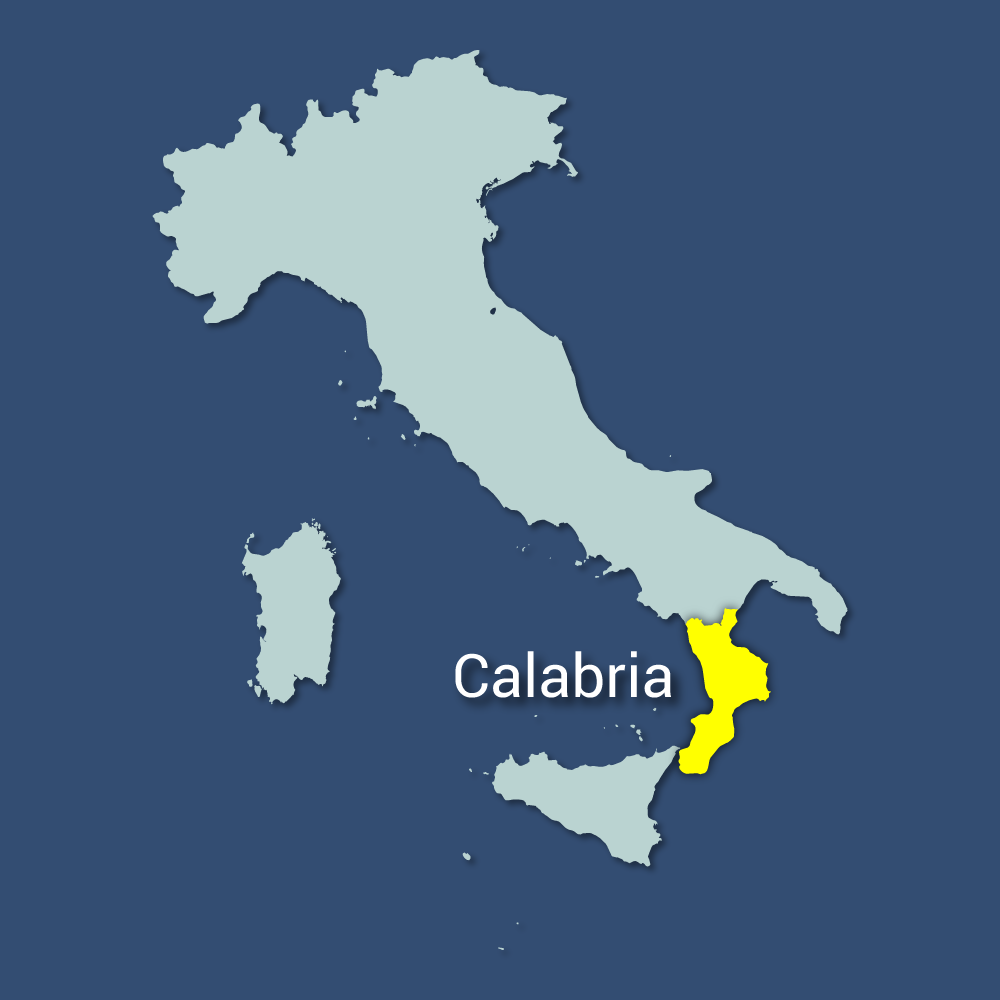
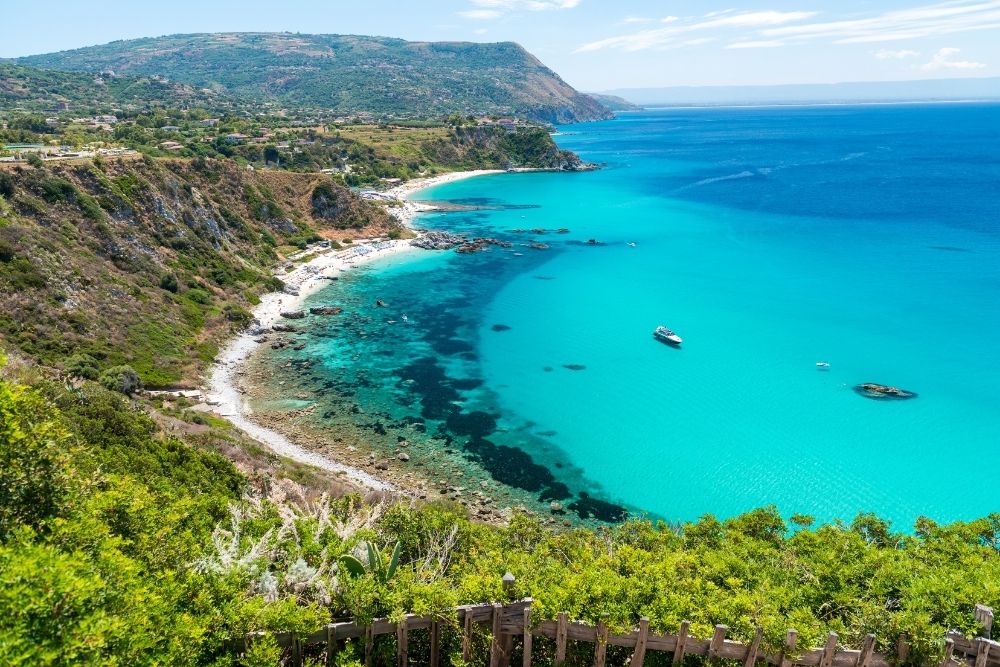
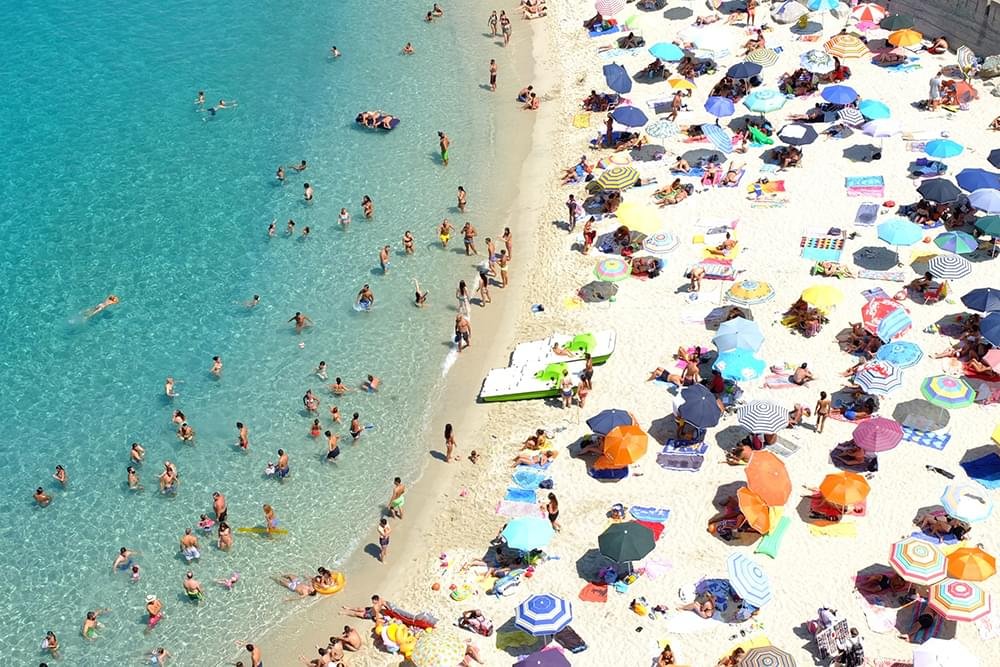
The new province of Vibo Valentia was only established in 1992 and is in a wonderful position on the Tyrrhenain Sea. It has the province of Catanzaro to the north, Reggio di Calabria to the south and has 75km of stunning coastline full of small bays, white sand beaches, rocky inlets and turquoise water. The rugged cliffs rise steeply from the coast rising to a backdrop of green, wooded mountains. It is possible from the coast here to see the Aeolian Isands and even Etna in Sicily on a clear day.

Province of Vibo Valentia, Calabria
Located in the heart of the Calabria region in Southern Italy, 'Vibo Valentia Province' offers a captivating mix of ancient history, vibrant culture, and stunning natural landscapes. Nestled between the 'Tyrrhenian Sea' and the rugged 'Calabrian hills', Vibo Valentia is a province known for its pristine beaches, charming towns, and historical sites that reveal layers of Greek, Roman, Byzantine, and Norman influences. Visitors to Vibo Valentia can expect a unique travel experience where coastal relaxation blends seamlessly with rich cultural exploration.
Historical Overview of Vibo Valentia
The history of Vibo Valentia dates back to the '8th century BCE', when it was founded by Greek settlers from 'Locri' under the name 'Hipponion'. It quickly became a significant city in 'Magna Graecia'—the Greek colonies of Southern Italy. Under the Greeks, Hipponion grew into a flourishing city known for its impressive walls and prosperous agriculture.
During the 'Roman era', the city’s name changed to 'Vibo Valentia', and it became an important Roman colony, contributing to the strategic and commercial power of the empire in Southern Italy. Many remnants of this period, including ruins of Roman villas and roads, are still visible in the region today.
After the fall of the Roman Empire, Vibo Valentia was successively ruled by the Byzantines, Normans, and Aragonese, each of whom left their mark on the region’s culture, architecture, and history. Today, the province is a charming blend of ancient ruins, medieval castles, and modern seaside resorts, making it a must-visit destination for those seeking both history and natural beauty.
Top Attractions in Vibo Valentia Province
Vibo Valentia City
The provincial capital, 'Vibo Valentia city', is perched on a hill overlooking the Tyrrhenian Sea and offers a fascinating mix of ancient ruins, medieval architecture, and modern Italian life. One of the most significant historical landmarks is the 'Castello Normanno-Svevo', a Norman-Swabian castle built in the 11th century. Today, the castle houses the 'Museo Archeologico Vito Capialbi', which features important archaeological finds from the region, including artifacts from the Greek, Roman, and Byzantine eras.
The 'Cathedral of Santa Maria Maggiore e San Leoluca', originally built in the 9th century, is another key attraction. Although it was heavily damaged by earthquakes, the cathedral has been beautifully restored and is one of the most important religious sites in the province.
Wandering through the city’s historic center, visitors will discover charming piazzas, local artisan shops, and cafes that offer a glimpse into everyday life in Calabria.
Tropea
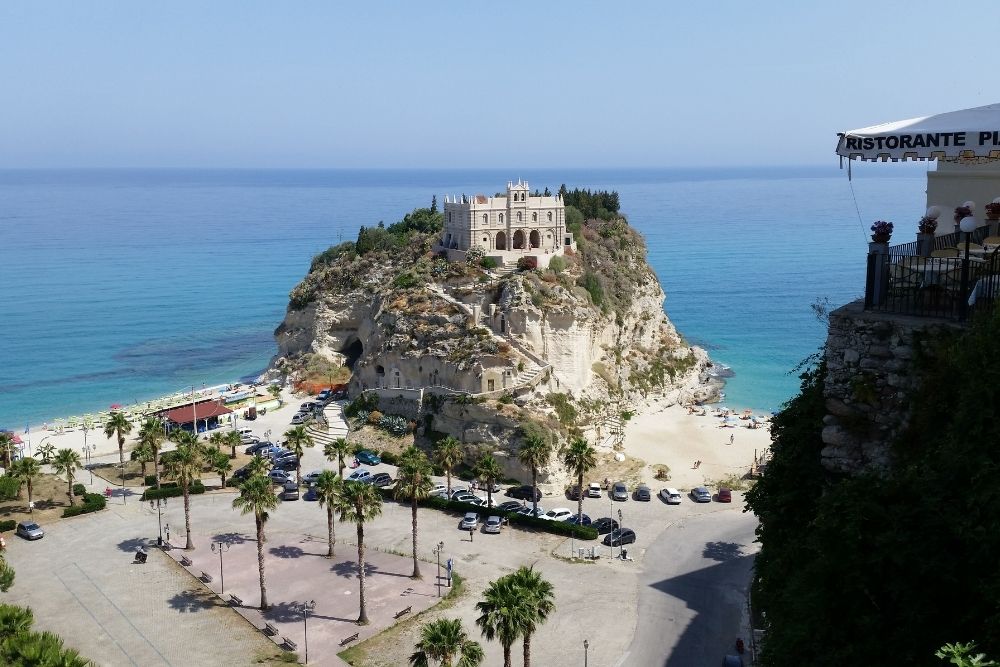
No visit to Vibo Valentia Province would be complete without a trip to 'Tropea', one of the most famous seaside towns in Italy. Often called the “'Jewel of Calabria',” Tropea is perched on cliffs overlooking the Tyrrhenian Sea, offering breathtaking views of the crystal-clear waters and dramatic coastline.
Tropea’s old town is a maze of narrow streets, ancient buildings, and bustling piazzas. The 'Santa Maria dell’Isola Monastery', perched on a rocky outcrop above the beach, is one of Tropea’s most iconic landmarks. Dating back to the Middle Ages, the monastery offers panoramic views of the coastline and the nearby 'Aeolian Islands'.
Tropea is also famous for its pristine beaches, including 'Spiaggia di Tropea', where soft golden sand meets clear blue waters. The town is well known for its 'red onions', a local delicacy used in many traditional dishes, and visitors can enjoy fresh seafood and Calabrian specialties at the many restaurants that line the waterfront.
Pizzo
The coastal town of 'Pizzo' is another must-visit destination in Vibo Valentia Province. Known for its beautiful beaches, dramatic cliffs, and historical sites, Pizzo offers a mix of relaxation and exploration. The town’s most famous landmark is the 'Castello Murat', a 15th-century castle where 'Joachim Murat', King of Naples and brother-in-law to Napoleon Bonaparte, was executed in 1815. Today, the castle is open to visitors and includes exhibits about Murat’s life and legacy.
Pizzo is also famous for its 'tartufo', a delicious ice cream dessert made with chocolate and hazelnuts. Many local gelaterias serve this treat, making Pizzo a perfect stop for food lovers. In addition to its culinary delights, Pizzo’s 'Piazza della Repubblica' is a lively town square filled with cafes, shops, and stunning views of the sea.
Capo Vaticano
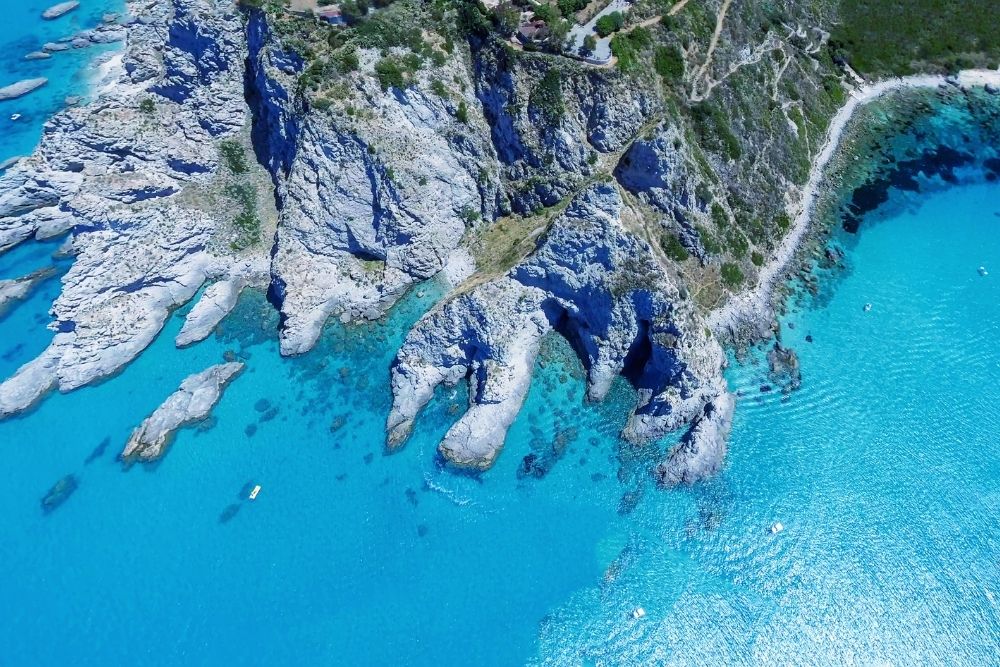
Just a short drive from Tropea is 'Capo Vaticano', one of the most spectacular coastal areas in Calabria. Known for its dramatic cliffs and hidden coves, Capo Vaticano offers some of the best beaches in Italy. The 'Spiaggia di Grotticelle' is particularly popular for its fine white sand and calm, turquoise waters.
Capo Vaticano is also a great destination for snorkeling and diving, as its underwater reefs are teeming with marine life. Visitors can rent boats to explore the area’s hidden bays or hike along the cliffside paths to enjoy breathtaking views of the Tyrrhenian Sea and the distant Aeolian Islands.
Serra San Bruno
Moving inland, the town of 'Serra San Bruno' offers a peaceful retreat into the hills of Calabria. Famous for its 'Carthusian Monastery of Santo Stefano del Bosco', founded in the 11th century by 'Saint Bruno of Cologne', Serra San Bruno is a town steeped in religious history. The monastery is still active today, though it is not open to the public. However, visitors can explore the 'Museum of the Certosa', which provides insight into the monastic life and the history of the Carthusian order.
The surrounding 'Serre Regional Park' offers lush forests, hiking trails, and serene landscapes, making it an ideal destination for nature lovers looking to explore Calabria’s interior.
Cultural Heritage and Traditions of Vibo Valentia
Vibo Valentia is deeply rooted in Calabrian culture, with its traditions, festivals, and artisanal crafts reflecting the rich history of the region.
Religious Festivals
Religious festivals play an important role in the cultural life of Vibo Valentia. One of the most significant is the 'Festa di San Leoluca', celebrated in March in honor of the patron saint of Vibo Valentia. The festival includes a religious procession, traditional music, and fireworks, bringing the whole city together in celebration.
Another key event is the 'Festa della Madonna della Neve', held in Tropea in early August. This festival honors the Virgin Mary with a spectacular procession through the town, culminating in a fireworks display over the sea.
Artisanal Crafts
The province is known for its 'ceramic' and 'textile crafts', with local artisans producing beautiful, hand-painted pottery and intricate woven fabrics. These traditional crafts have been passed down through generations and reflect the deep cultural roots of the region.
Gastronomy of Vibo Valentia
The cuisine of Vibo Valentia is a celebration of Calabria’s agricultural bounty and coastal wealth. Known for its simple yet flavorful dishes, the province’s gastronomy is deeply connected to its history and landscape.
Red Onions of Tropea
One of the most famous ingredients from Vibo Valentia is the 'red onion of Tropea'. Known for its sweet flavor, this onion is a staple in many local dishes, from salads to sauces. Visitors can sample this unique ingredient in traditional Calabrian dishes like 'cipollata' (onion soup) or 'insalata di cipolla rossa' (red onion salad).Seafood Specialties
Given the province’s long coastline, seafood plays a central role in Vibo Valentia’s cuisine. Fresh 'swordfish', 'anchovies', and 'octopus' are commonly found in local dishes. 'Spaghetti alla vongole' (spaghetti with clams) and 'pesce spada alla calabrese' (Calabrian-style swordfish) are popular dishes that highlight the fresh flavors of the sea.
‘Nduja
A famous Calabrian specialty, '‘nduja' is a spicy, spreadable sausage made from pork and chili peppers. It is often spread on bread or used to flavor pasta and pizza, offering a fiery taste that reflects Calabria’s love for bold flavors.
Tartufo di Pizzo
For dessert, visitors must try the 'tartufo di Pizzo', a rich and creamy ice cream dessert made with chocolate and hazelnuts. This local delicacy is a favorite among both locals and visitors and is a must-try when in Pizzo.
Nature and Outdoor Activities
Vibo Valentia’s stunning natural landscapes offer a variety of outdoor activities for visitors looking to explore Calabria’s beauty.
Hiking and Nature Walks
The inland areas of Vibo Valentia are perfect for hiking and nature walks, with trails winding through the 'Serre Regional Park' and the hills surrounding Serra San Bruno. These trails offer stunning views of the countryside and the chance to experience Calabria’s untouched natural beauty.
Beaches and Water Sports
With its long coastline, Vibo Valentia is home to some of Italy’s most beautiful beaches. Tropea and Capo Vaticano offer opportunities for swimming, snorkeling, and diving, with their crystal-clear waters and vibrant marine life. Visitors can also rent boats to explore the hidden coves and rocky cliffs along the coast.
Conclusion
Vibo Valentia Province is a hidden gem in Southern Italy, offering a rich combination of historical treasures, coastal beauty, and vibrant cultural traditions. From the charming streets of Tropea to the medieval castles and serene beaches, Vibo Valentia provides an unforgettable travel experience for those looking to immerse themselves in the heart of Calabria. Whether you're exploring ancient ruins, savoring local delicacies, or relaxing by the sea, Vibo Valentia is a destination that offers something for every type of traveler.